Eerie tales of dreadful creatures stalking the land have long terrified the population.
Ian Vince numbers the beasts – Black Shuck, Grindylow and the Nuckelavee among them...
A boulder-strewn blockfield covers the lonely summit plateau of Britain’s second highest peak, Ben Macdui in the Cairngorms. It has a terrible beauty; a sprawling, desolate landscape of wild open space where everything conspires to make you feel small.
- Just who Britain's eerie Green Man really is, is one of the country's biggest mysteries, but could this ancient spirit of mischief be the hidden guardian of nature?
- Guide to King Arthur: history of the legend and best places to visit to follow his trail
The isolation of this spot is tangible, and when the summit is deserted, an air of separation from the world as a whole quickly overcomes your senses. In Britain’s most Arctic environment, survival is constantly in the balance and, although the long walk to the summit is not difficult in fair weather, the balance tips very easily. Like all mountains, the Cairngorms are fickle, occasionally spiteful, and even a slight change in conditions can throw the visitor into another world entirely.
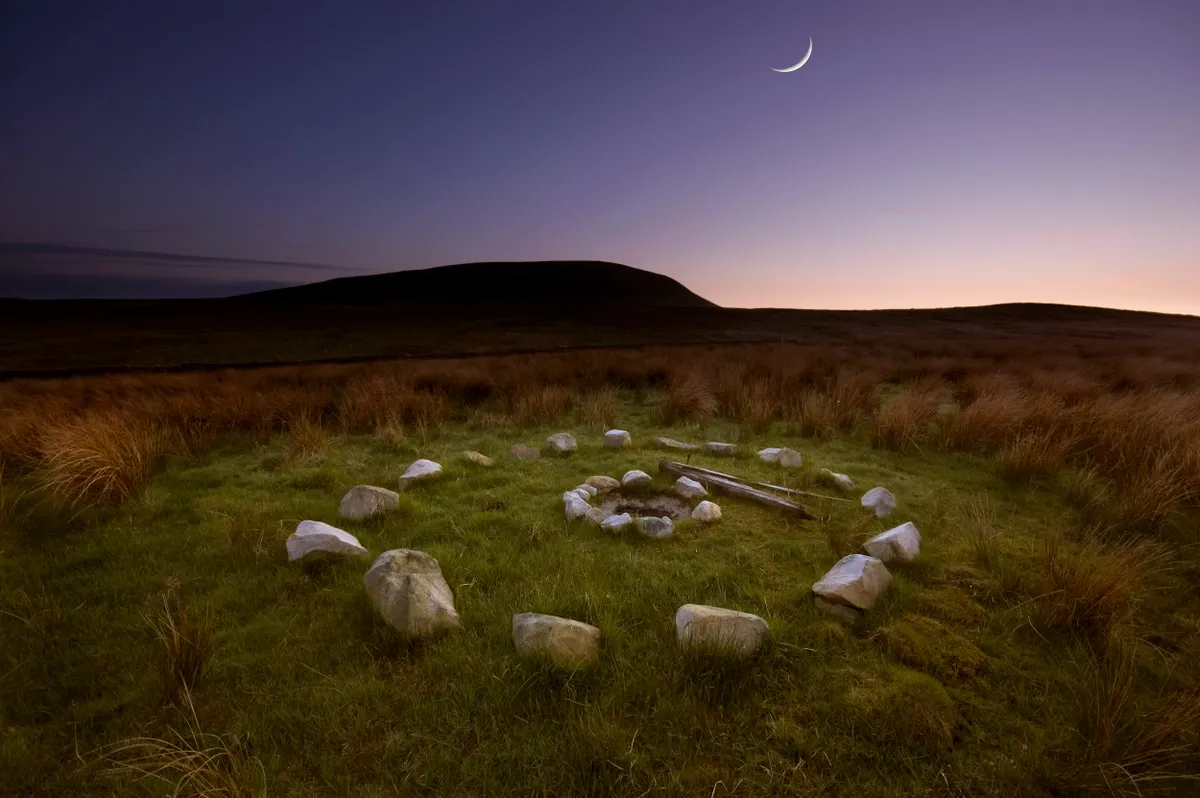
By his own account, that was what happened to renowned climber, scientist and Fellow of the Royal Society, J Norman Collie, at the end of the 19th century. Years later, he recalled hearing slow, deliberate footsteps – one vast step for every three or four of his own – following him on the mountain.
“As I walked on and the eerie crunch, crunch, sounded behind me, I was seized with terror and took to my heels, staggering blindly among the boulders for four or five miles,” Collie told a meeting of the Cairngorm Club in 1925.
Since prehistory, when we first started telling stories to one another, we have paid close attention to those locations that our tales have populated with monsters and supernatural presences. We imbued the landscape with meaning, with rituals and a personality of its own. The age of reason, the emergence of science and rationality, have shone light into the shadows and yet, something still stirs in the British countryside. Dare you go out and feel it for yourselves...
- Just when were the Dark Ages, how dark were they – and why on Earth were they called dark? All you need to know about Britain's Dark Ages
- 9 mythical monsters that may have been inspired by huge, real-life, prehistoric creatures
Britain's scariest mythical beasts
The Big Grey Man

What Collie had experienced was a classic case of a brush with the Big Grey Man (Am Fear Liath Mòr) of Ben Macdui, an enduring myth of an extremely large, Sasquatch-like grey figure covered in short hair. Wherever the Big Grey Man ventures, he is accompanied by a sense of irrational panic and dread.
Although Collie, who vowed never to return to the mountain alone, saw nothing, others were not so lucky. In October 1943, while on 10 days leave, soldier Alexander Tewnion reached the summit of the mountain and immediately noticed, in the swirling mist, that “the atmosphere became dark and oppressive, a fierce, bitter wind whisked among the boulders, and an odd sound echoed through the mist – a loud footstep, it seemed. Then another, and another. A strange shape loomed up, receded, came charging at me! Without hesitation I whipped out the revolver and fired three times at the figure. When it still came on I turned and hared down the path…”
More rational minds point to a possible explanation for the terrifying sightings: the Brocken spectre – a rare atmospheric effect caused by the projection of your shadow on to mist and cloud, sometimes accompanied by a rainbow halo called a glory. Brocken spectres have sometimes been witnessed on Ben Macdui when conditions have been right, but what might be the cause of the fear that overcomes experienced climbers and scientists?
Could the terror be the manifestation of an ancestral memory of hominids from a thousand generations ago or is it the mind’s response to isolation and exhaustion? Could it be the place’s essential spirit, its genius loci, something unknowable and so much larger than ourselves that our mind struggles to comprehend and replaces with the avatar of a monster or a spectral presence? Or is it a fluke of the landscape that produces infrasound and other sensory data just out of our reach? What dreadful spirit stalks the lonely mountaineer on Ben Macdui? And, if it’s specific to the place, are there any other places that inspire such fear on these islands of ours?
Black Shuck
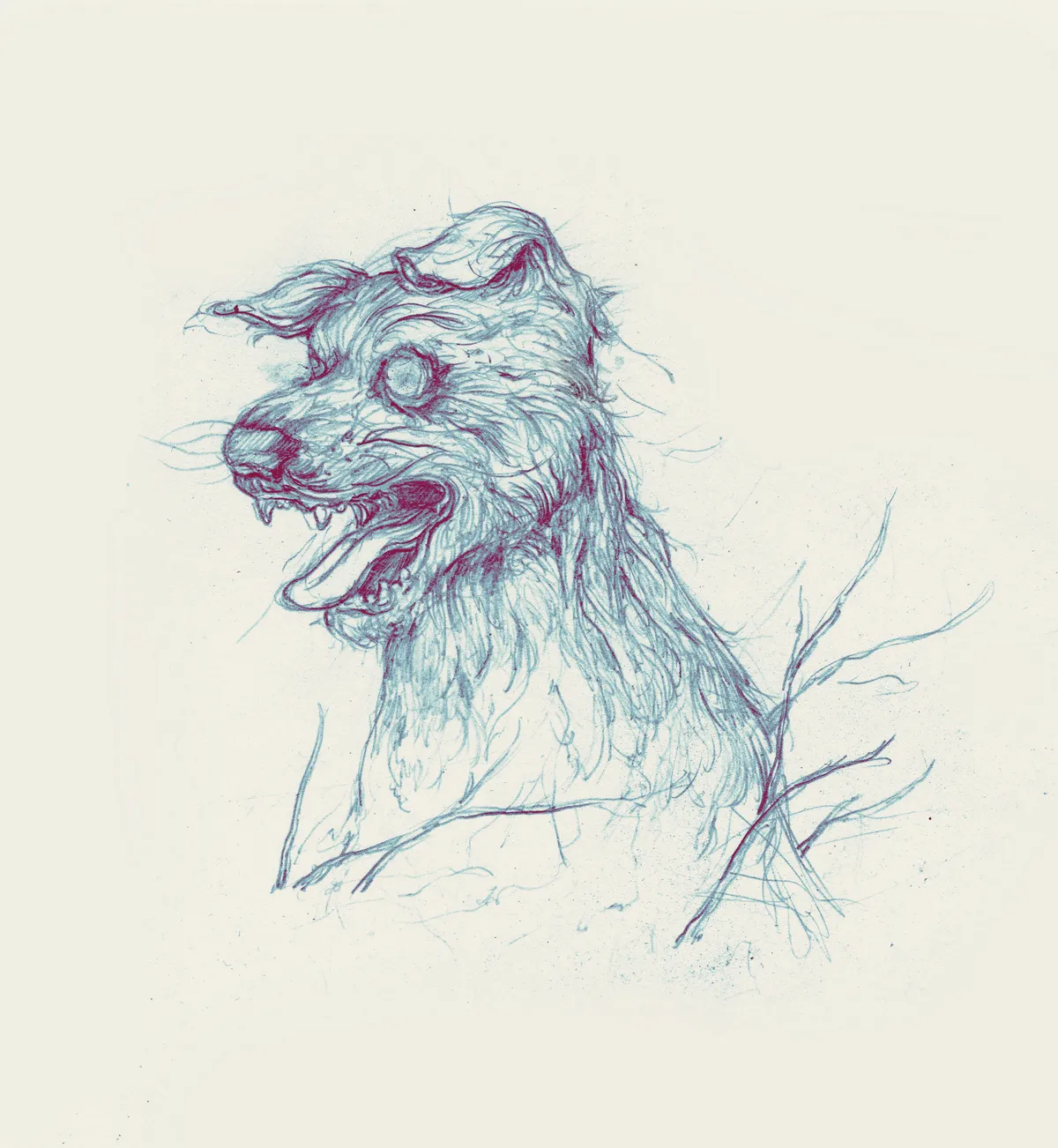
The Black Dog legend is perhaps the most common local myth in Britain, but in the counties of East Anglia, one local variant particularly stands out: Black Shuck.
Along the desolate coastal flats of East Anglia, among the graveyards, by crossroads, in its darkest forests, lurks a fear stirred first in the early medieval mind. In Suffolk, this calf-sized malevolent hound with saucer-sized glowing red eyes is a harbinger of doom and death. It often appears during electrical storms, such as the one that struck both the churches of Bungay and Blythburgh on the same day and at the exact same moment in August 1577, leaving scorched claw marks on the church door at Blythburgh, at least two fatalities and a feeling of deep dread. “All down the church in midst of fire, the hellish monster flew. And, passing onward to the quire, he many people slew,” runs the old local verse.
- 6 grotesque and weird vampire animals – from a creature that drinks the blood of its children to a cloaked deep-sea beast that can turn itself inside out
- The most haunted places in Britain - including a fortress patrolled by a ghostly bear
Cù-Sìth
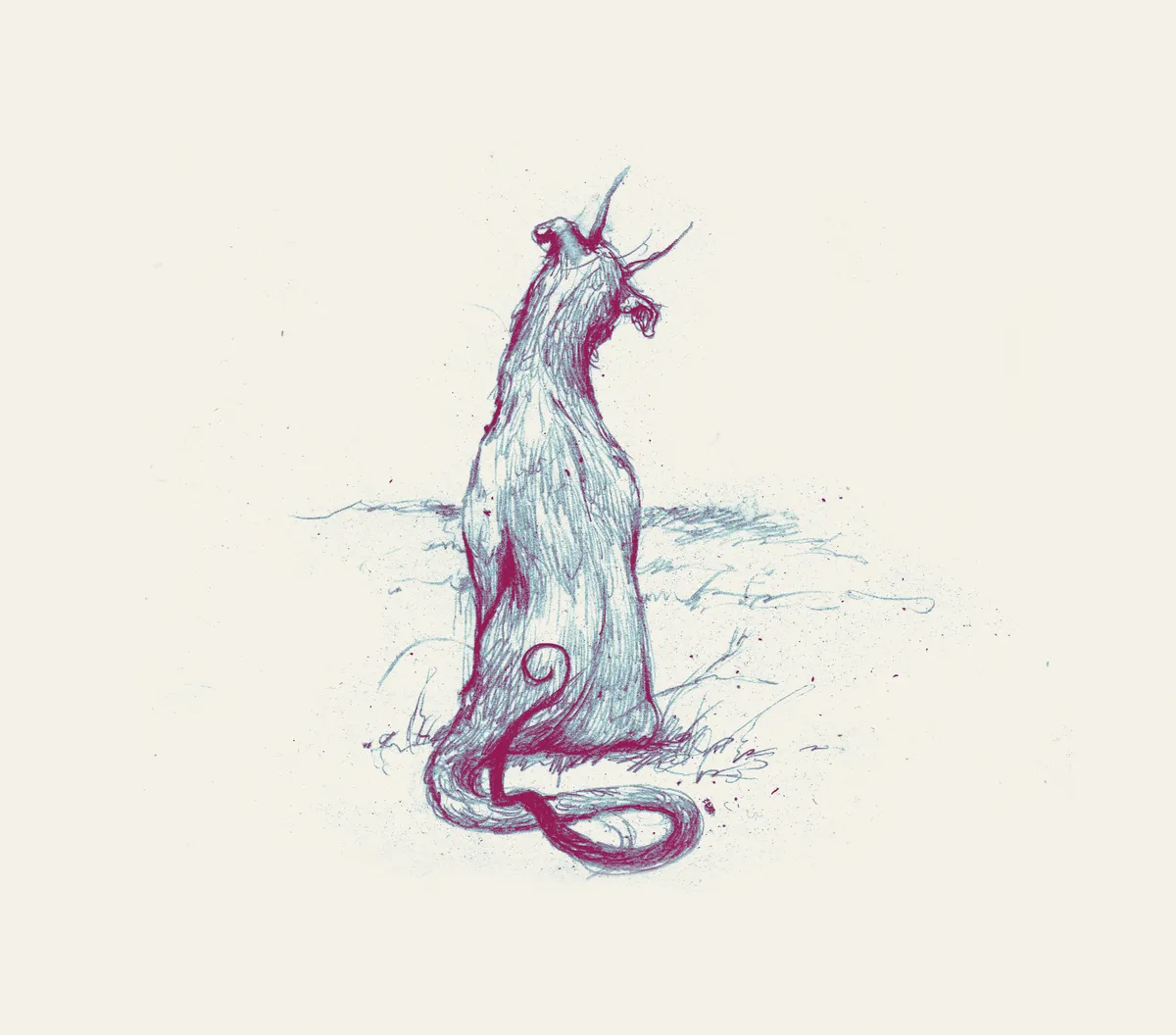
Cù-Sìth is the Scottish Highland version of Black Shuck, a wolf-like creature the size of a bull, but coloured dark green. It lives in the clefts of rocks and carries souls away to the afterlife. Another spectral hound with saucer-sized eyes, the Cù-Sìth howls three times and if you haven’t reached a place of safety by the third bay, you are overcome with mortal terror and drop dead on the spot.
The Black Dog of Bunting Rock
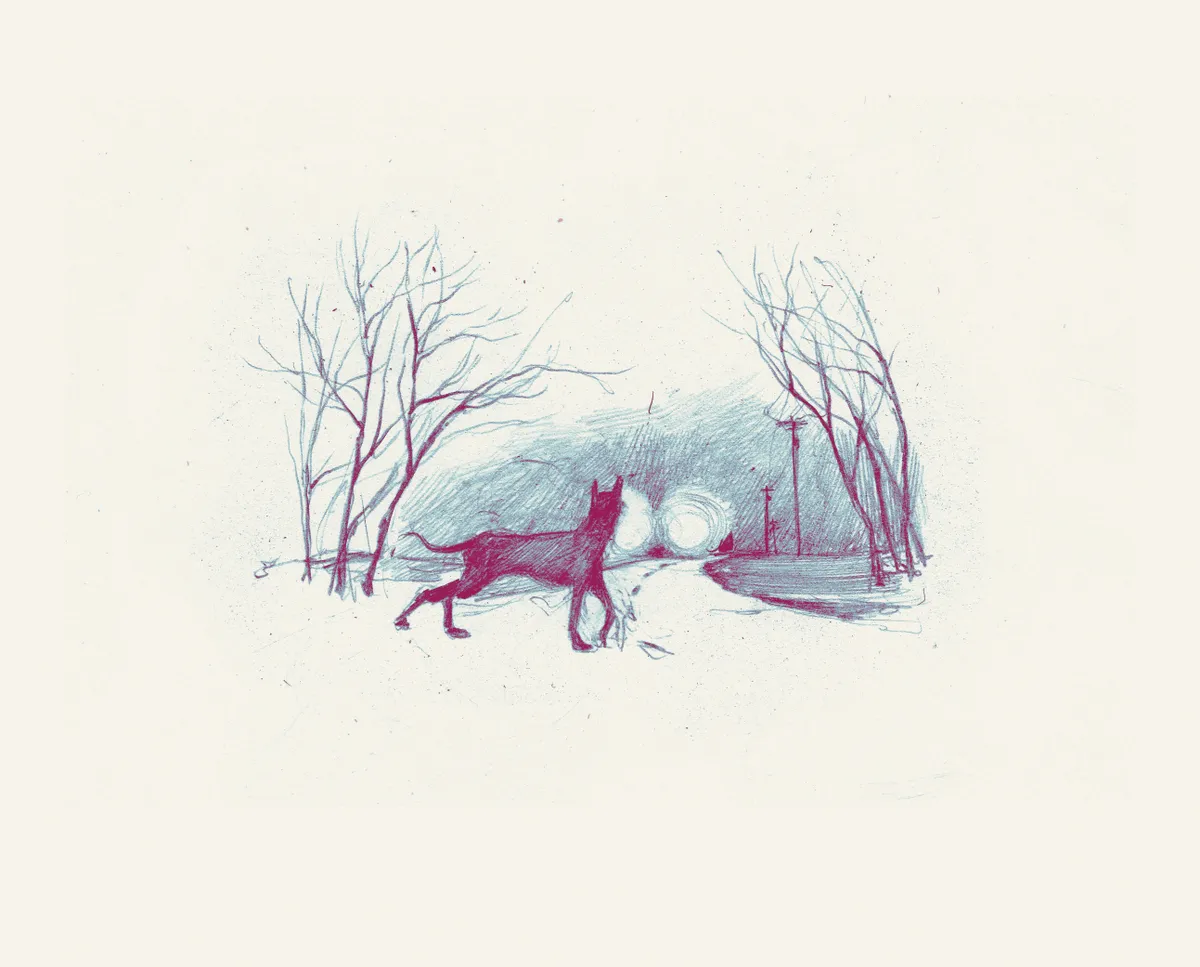
This peculiarly suburban version of the Black Dog prowls along a quiet, leafy lane on the outskirts of Sheffield. The dog appears from nowhere in front of cars and makes the engine stall. For some reason it is only interested in the car’s passenger. The hound dematerialises into a green mist if it is threatened.
- These strange 'witches marks' were just discovered at a medieval manor house in England – but that's not all that was found
- A ‘demon cat’ that haunts the White House and a tsunami-predicting fish – 11 animals associated with death
Hairy Hands
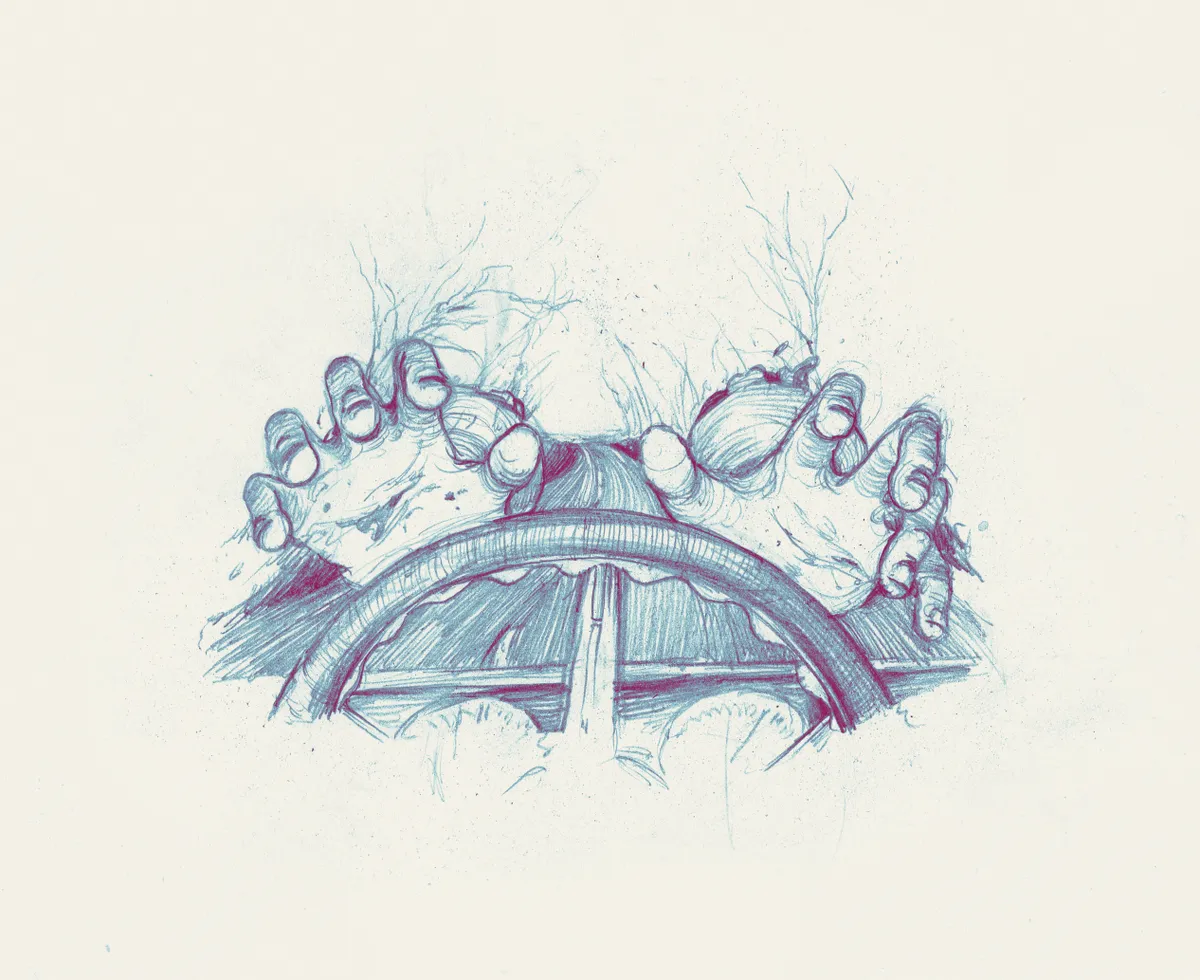
The Bunting Nook dog isn’t the only thing to materialise around vehicles. Between Cherrybrook and Postbridge in Devon, a lonely stretch of the B3212 runs over the leviathan folds of Dartmoor, where once more, wide open spaces contrive to give the traveller an almost claustrophobic sense of their self as a thing of little consequence in nature’s grand order.
There have been numerous reports on this stretch of road of a presence and, on a number of occasions, drivers, motorcyclists and cyclists have fallen prey to a mysterious pair of hairy hands that grab the steering wheel or handlebar and attempt to steer the hapless traveller off the road.
The Beast of Bodmin Moor
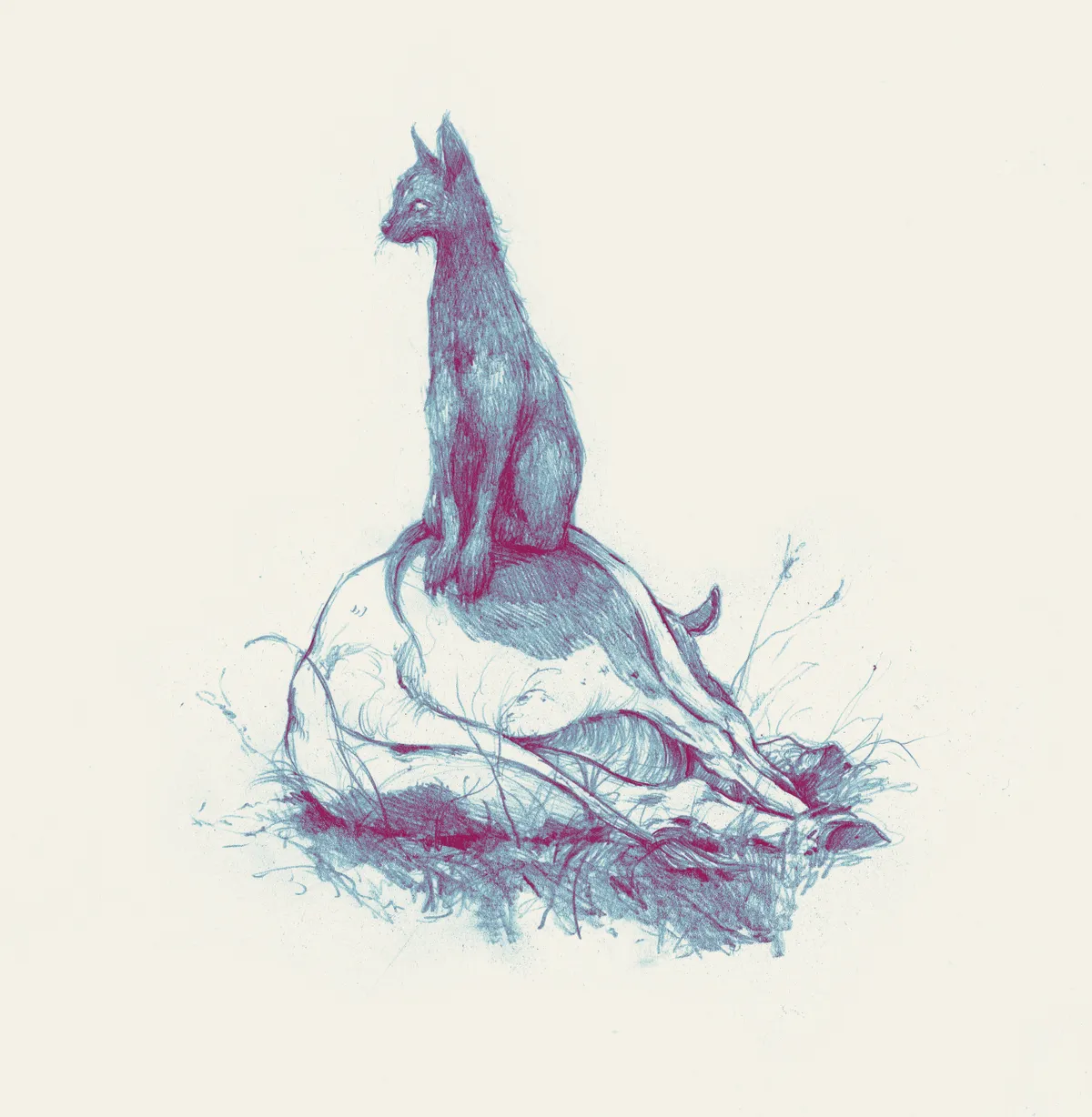
Numerous local sightings of a very large black cat are believed in some quarters to be less a spectral feline and more a very-real panther or puma, possibly a zoo escapee or illegal release. Sightings of the Beast of Bodmin Moor are the most famous examples of alleged wild cat sightings in Britain. The similarly alliterative Beast of Buchan from Aberdeenshire has been reported since the 1930s.
All over Britain, big cats have been captured or shot over the years. Pumas in Scotland, Canadian and Eurasian lynxes, a serval or ocelot from the Isle of Wight and a clouded leopard in Kent. It is believed that many of those captured were domesticated to some extent; one of the Scottish pumas apparently enjoyed being tickled.
The Owlman of Mawnan
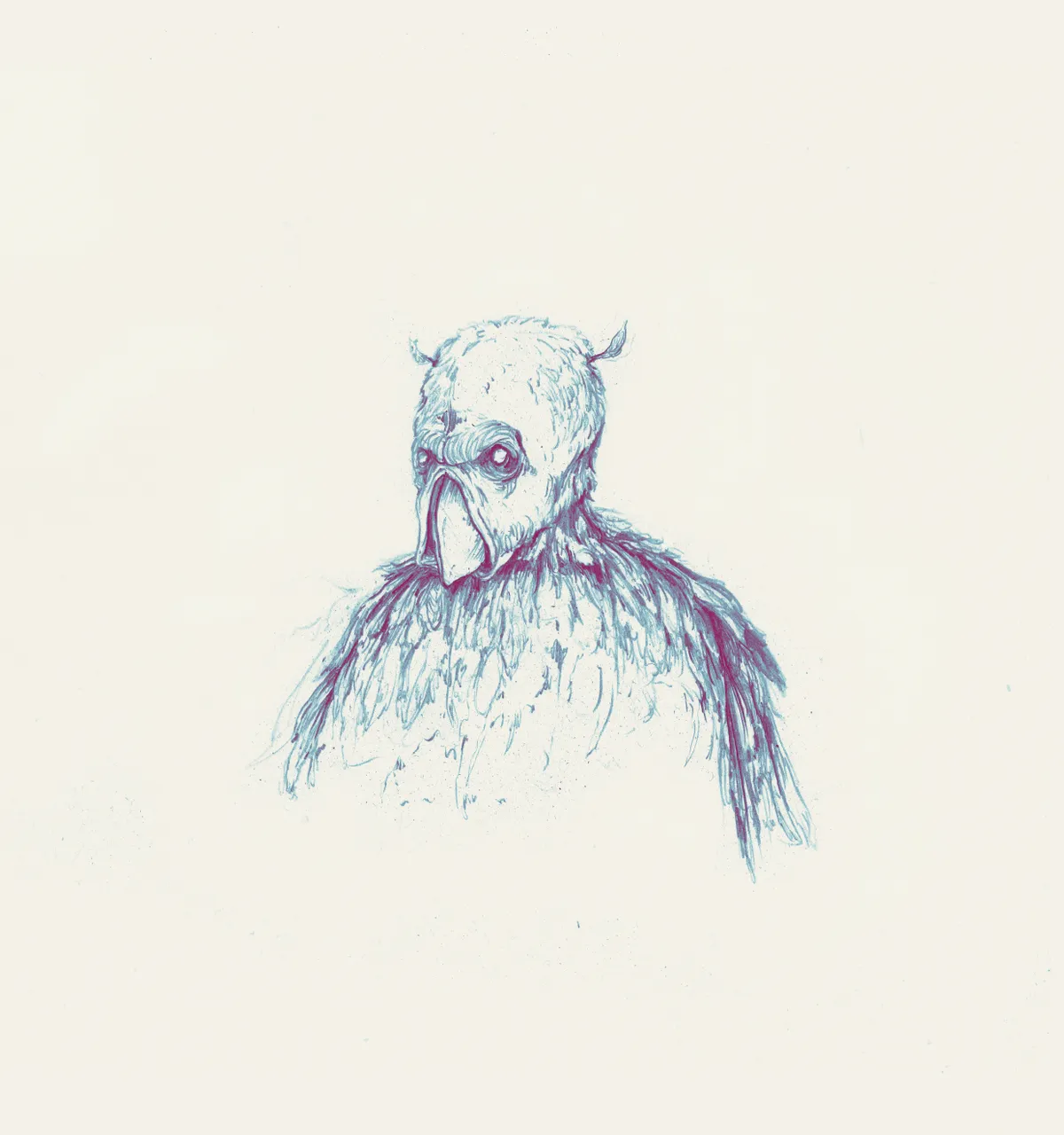
At the end of a mile-long sheltered narrow lane, the small churchyard of Mawnan was a sacred spot long before the 13th-century church was built here with views over the mouth of the Helford River.
Here, and in an adjacent wood, sightings of a flying creature about five feet tall, half man, half owl with glowing red eyes, silver feathers and crab-like claws have terrified tourists since the 1970s. Oddly, all but one of the dozen or so eyewitnesses of the Owlman have been girls or young women, most under 16.
- Anne Boleyn, crying babies and the Pendle witch trials: Inside Britain's most haunted castles that you can visit today
- Giant deep-sea beasts aren’t just the stuff of legend – here’s how they got so massive
The Spriggan of West Penwith
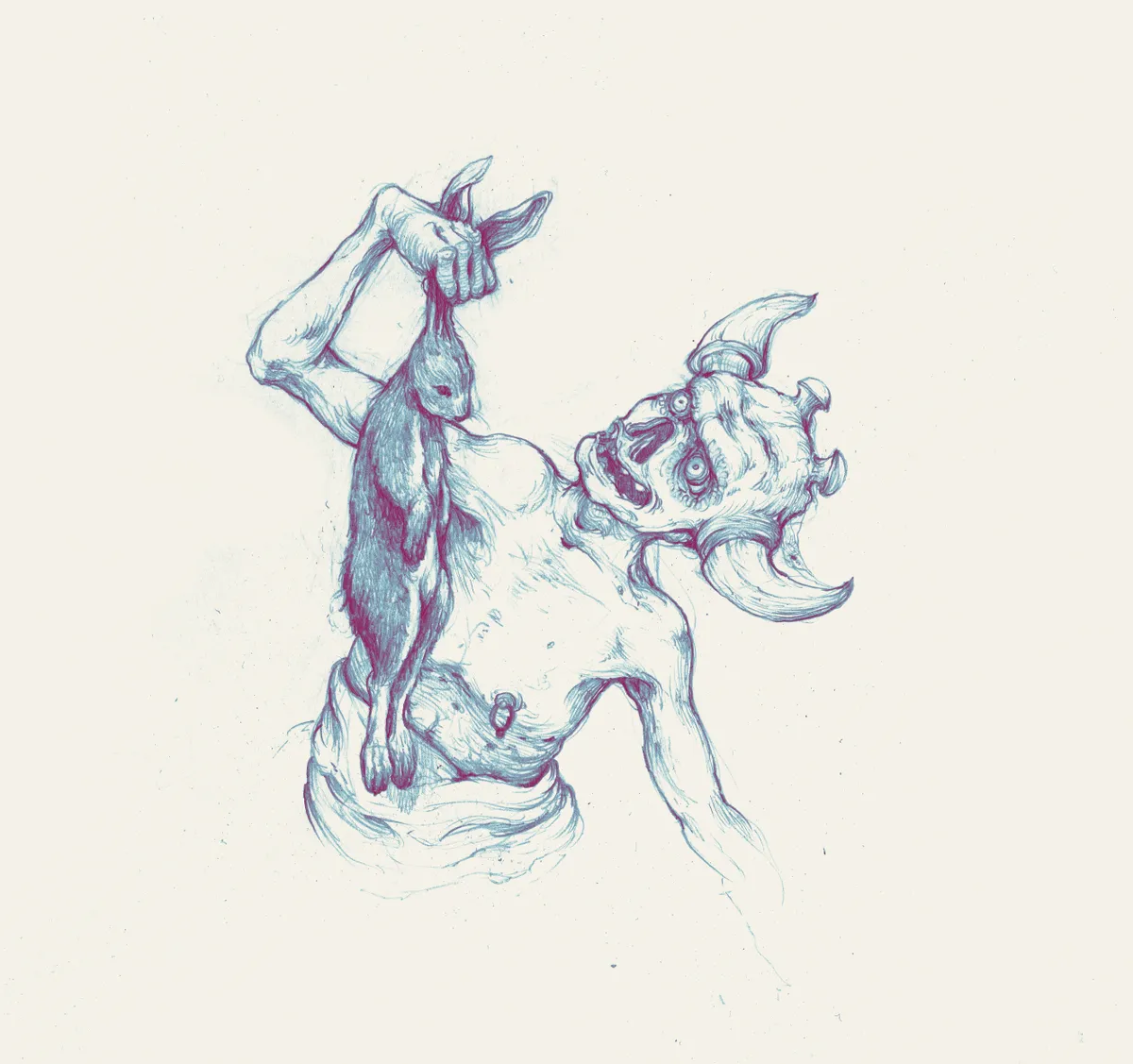
Cornwall is home to a menagerie of supernatural creatures, including the Spriggan of West Penwith, a grotesquely ugly hobgoblin that guards treasure at burial mounds, but isn’t averse to theft of human property or even human infants, substituting them for a changeling in their crib. Generally spriggans can be characterised as spiteful piskies, leading travellers into swamps or over cliffs.
The Nucklavee
As disturbing as spriggans may be, the most terrifying creature of Britain’s landscape is a resident from the opposite end of the country.
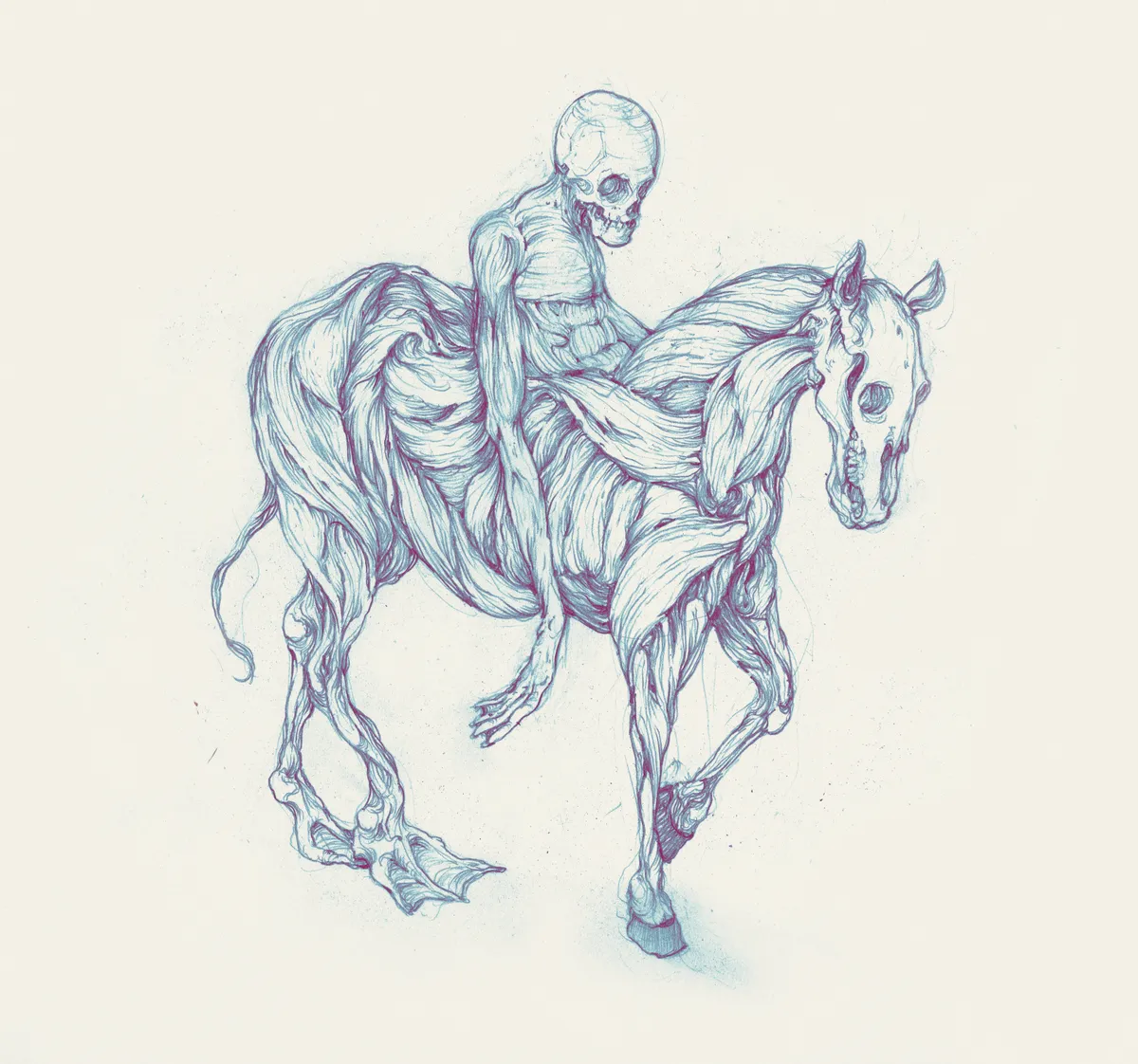
Around the waters of Orkney lives a skinless human-horse, a being of rage and pestilence. The Nuckelavee has the head of a man, only far larger, emerging from an equine body of rotting sinews and exposed veins that run with yellow blood. Some accounts speak of flippers on its legs.
This sea-dwelling beast wilts crops with its breath and makes livestock sick when it comes onto land, smelling of burning seaweed and set to exact revenge on any hapless soul unfortunate enough to witness its arrival. Like many British monsters, if you want to escape from its demonic presence you need to leap across a freshwater stream or river.
The Loch Ness Monster
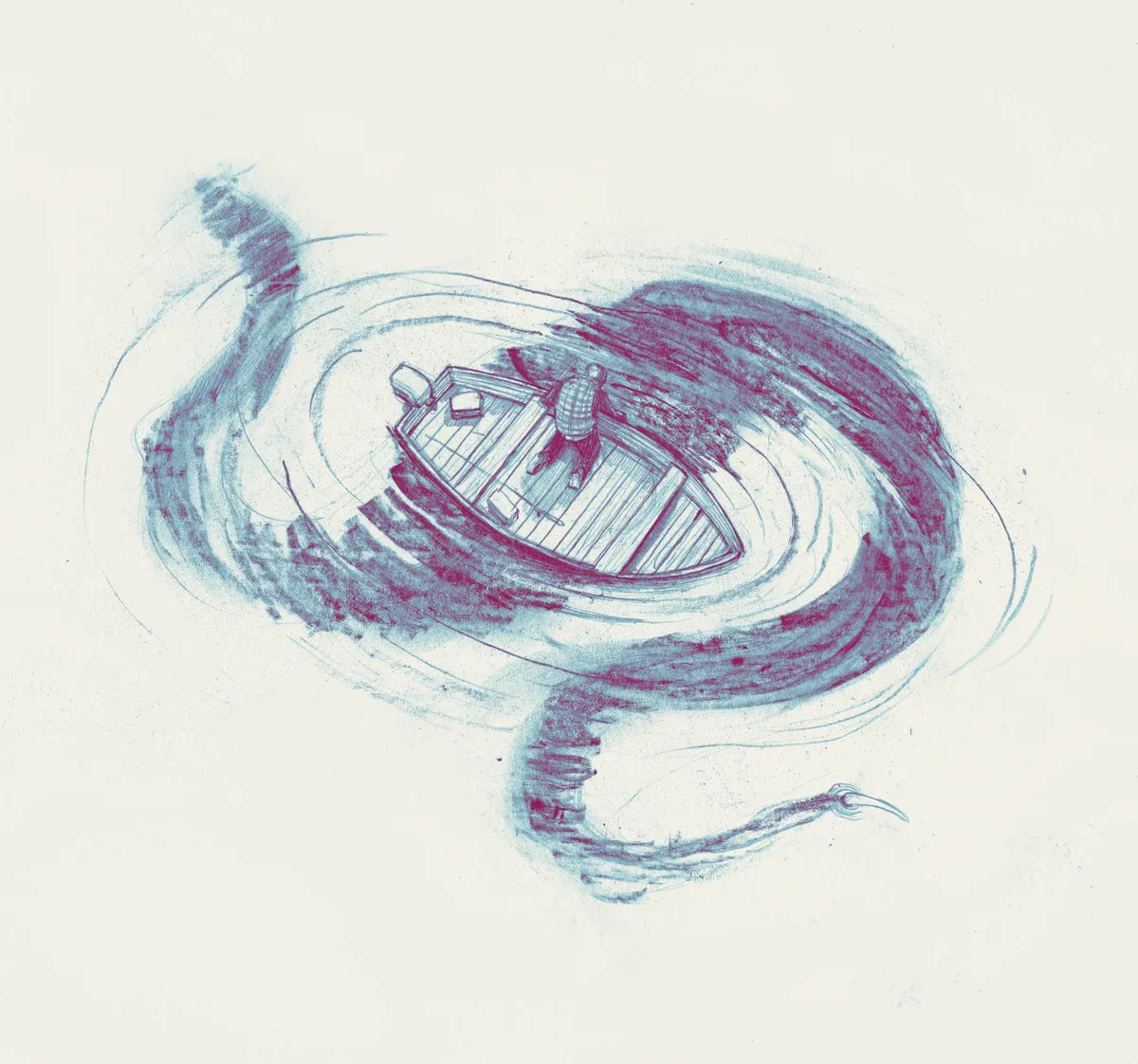
Freshwater, however, has its own monsters and one is the most well-known of all: ‘Nessie’, the Loch Ness Monster. Loch Ness holds as much freshwater as all the lakes of England and Wales combined, but the peat of the surrounding countryside makes it as notoriously murky as the legends that surround its most famous character (and most of the photographs taken of it).
Modern Scottish lake monsters are often described as a dinosaur-like, but before the discovery of dinosaurs, almost every large body of water in Scotland had a kelpie which, like the Orcadian Nuckalavee, had a horse-like form.
Kelpies may well have been part of a cautionary tale tradition to keep children away from rivers in case ‘the kelpie got them’.
- Where is the most haunted place in Britain?
- Rare 'ghost moose' footage shows massive animal wandering through Swedish wilderness
Grindylow
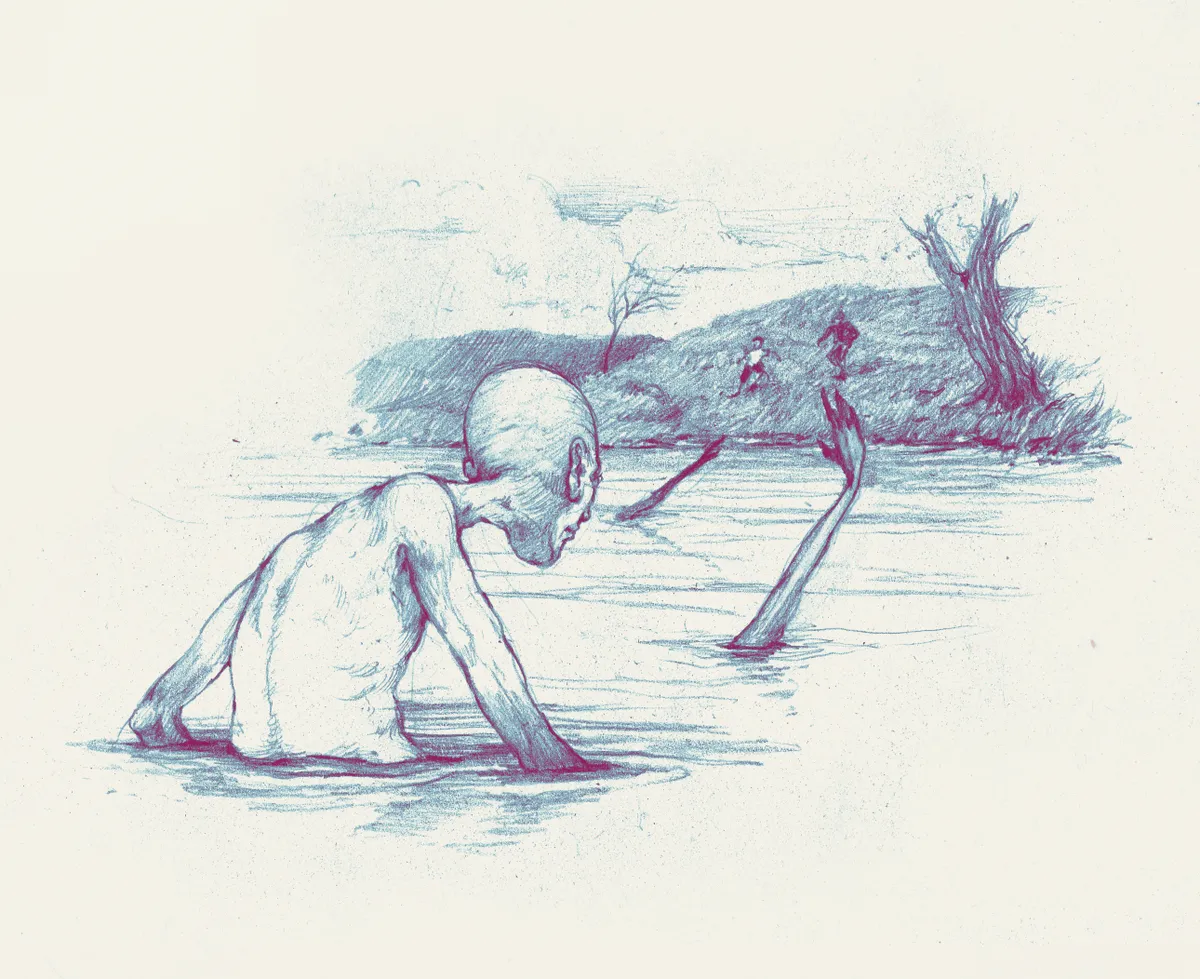
This water-dwelling bogeyman from Yorkshire or Lancashire has long sinewy arms, and is famed for drowning children in bogs and pools.
Jenny Greenteeth
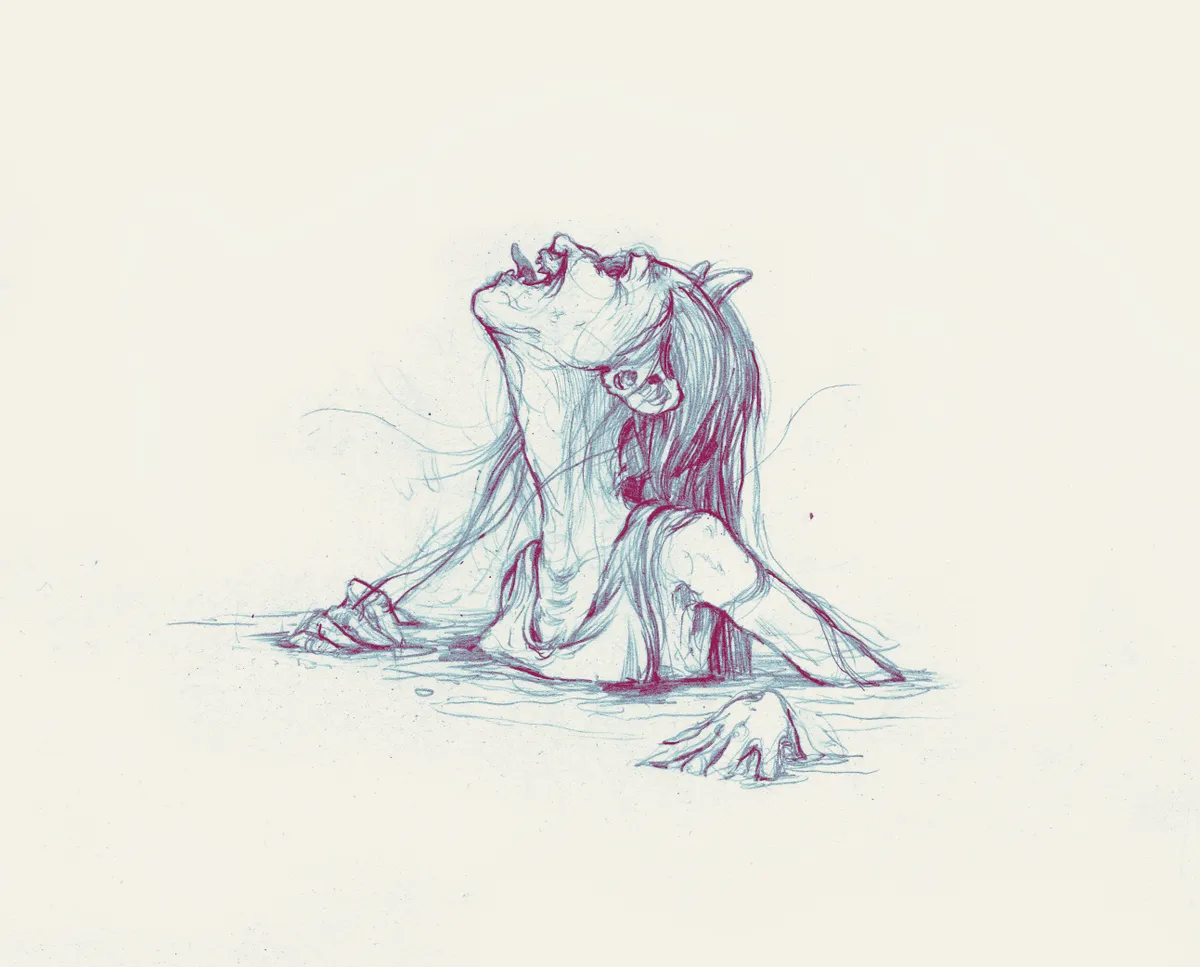
Similar to the Grindylow, Jenny Greenteeth is a Northern English river demon. Green-skinned with long hair and sharp teeth, she pulls children or the elderly into water to drown them.
Haunted sites to visit in the UK
Disclaimer: Only for the Brave.
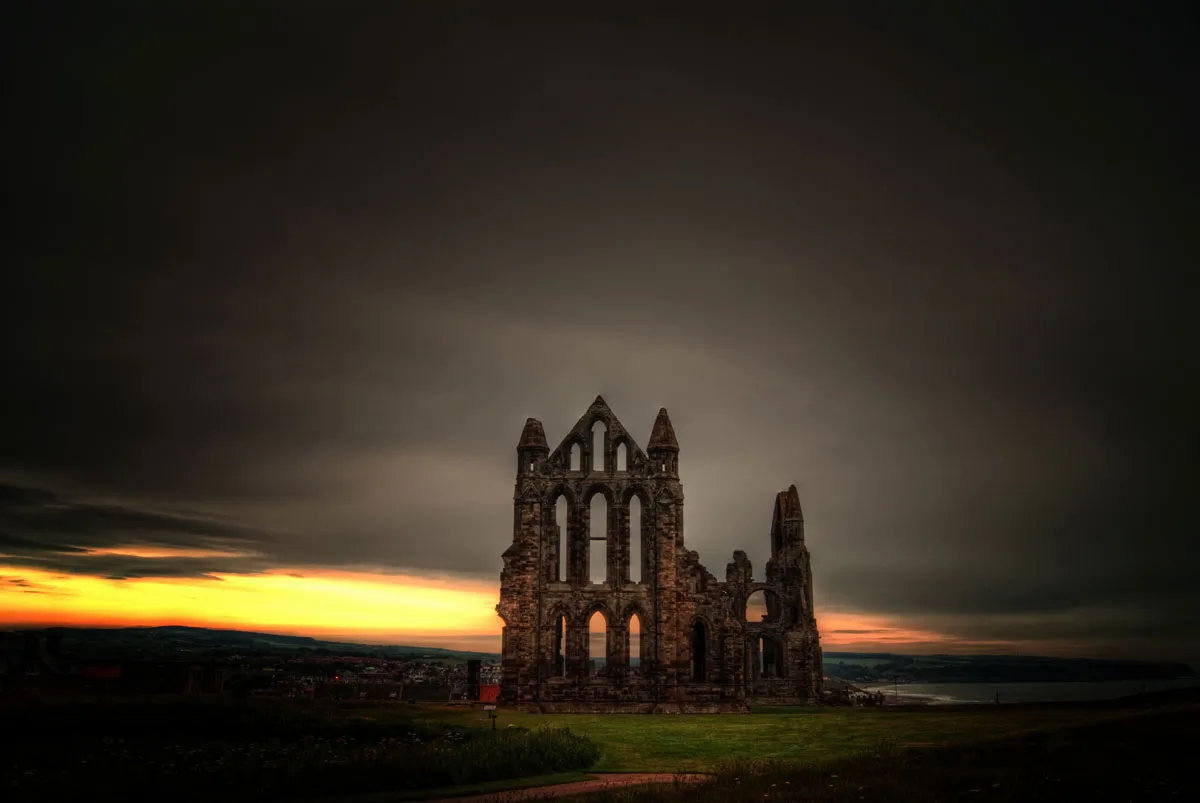
Whitby Abbey and St Mary's Church, North Yorkshire
A cold wind blows in the fishing village of Whitby. Said to be home to over twelve different sinister specters, this town is not for the faint hearted. Dare you look into the Abbeys well at midnight? If your heart is pure, the face of St Hilda will appear in the water, but if not beware for the Devil will take you away with him. St Mary's Church presides on the top of the cliff in the shadow of the Abbey; a phantom hearse with four headless horses and a headless driver can be seen to stop in front of the church then race along the cliff before plunging over the edge into the sea. These gothic structures once the inspiration for Bram Stoker's Dracula stand forebodingly over the town.
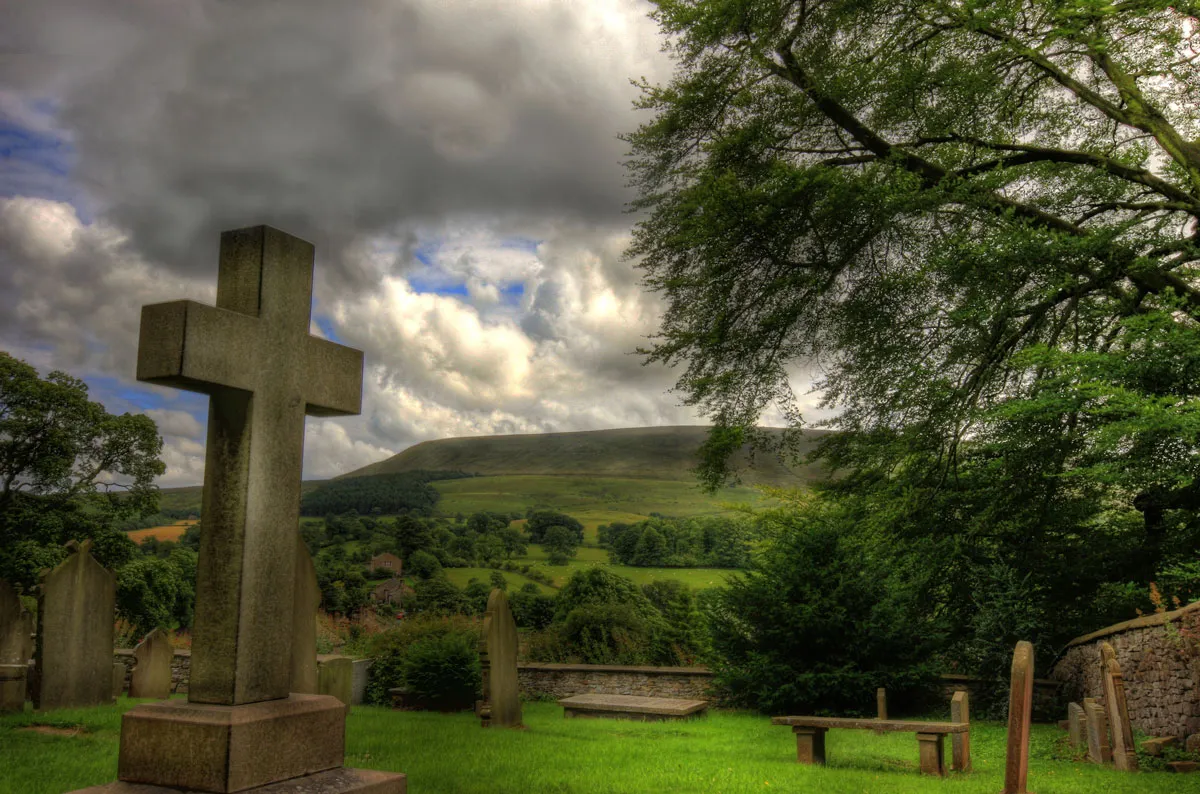
Pendle Hill, Lancashire
If witchcraft and wizardry is where your interests lie, then look no further for the most famous witches in Britain. Keen walkers can brave the trail left behind by the Pendle witches through the beautifully sombre Lancashire countryside of the Pendle hills to their site of execution. They are said to still roam the hills and nearby village, so keep your eyes peeled for any magical activity or ghostly manifestations.
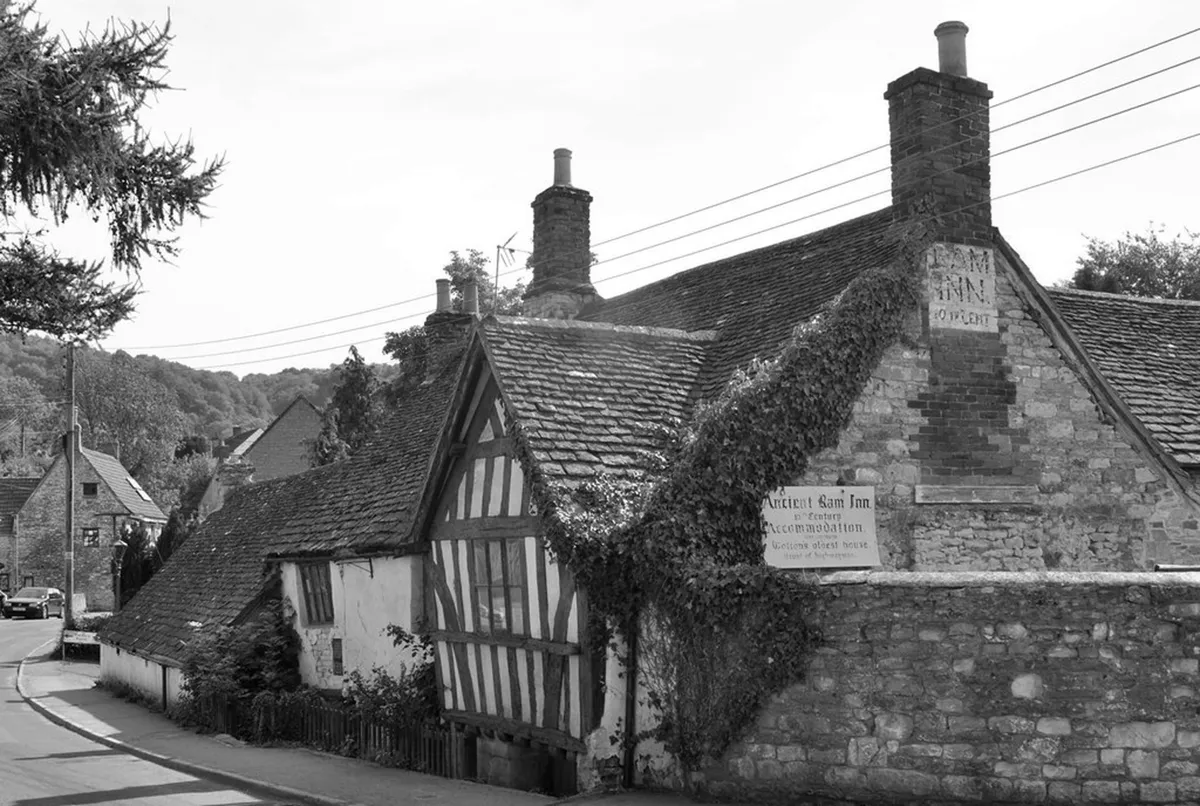
Ram Inn, Gloucestershire
For a truly haunting experience, Ram Inn is the place to visit. With guided ghost hunts throughout the year, the building is sure to surprise and terrify. Built on the intersection of two ley lines that can be traced all the way to Stonehenge, this decrepit old building is rife with paranormal activity. The legend goes that Stonehenge has energy, which travels through the ley lines to feed the supernatural power found in the ancient Inn. The complex history is rife with tales of burning witches, monks, a Centurion on horseback, real evidence of Devil worship and ritual sacrifice and even rumour that a pagan burial site resided in that exact location over 5,000 years ago. Not recommended for children, this one is only for the truly brave among you.
More related content:
- 4 animals that refuse to die: Nature’s real-life immortals that can cheat death again and again
- It looks like a pineapple crossed with a giant sausage – colossal ocean creature filmed crawling along seafloor
- How did the Romans capture lions and tigers for bloodthirsty entertainment at the Colosseum?