Hear the terms ‘conscientious objector’, ‘conchie’ or ‘CO’ and your mind is likely to conjure images of the First World War and women sending white feathers to men who refused to fight.
However, it may surprise you to learn that in Britain there were around four times as many conscientious objectors in the Second World War than in the First World War – more than 60,000 in all, both men and women. And the most famous CO during the war was a young Cornishman called Cecil Davies. He became known as Conchie Number 1.
A student at University College London (UCL), Cecil was 21 when he was called up in the very first wave of conscripts before the war had even begun. In May 1939, he went before a tribunal and was granted unconditional exemption from service on the grounds of conscience.
As a teenager in Penzance, Cecil had distributed leaflets for the Peace Pledge Union, a pro-CO organisation, in defiance of the local chief constable. At UCL he founded the university’s Pacifist Society and registered as a CO.
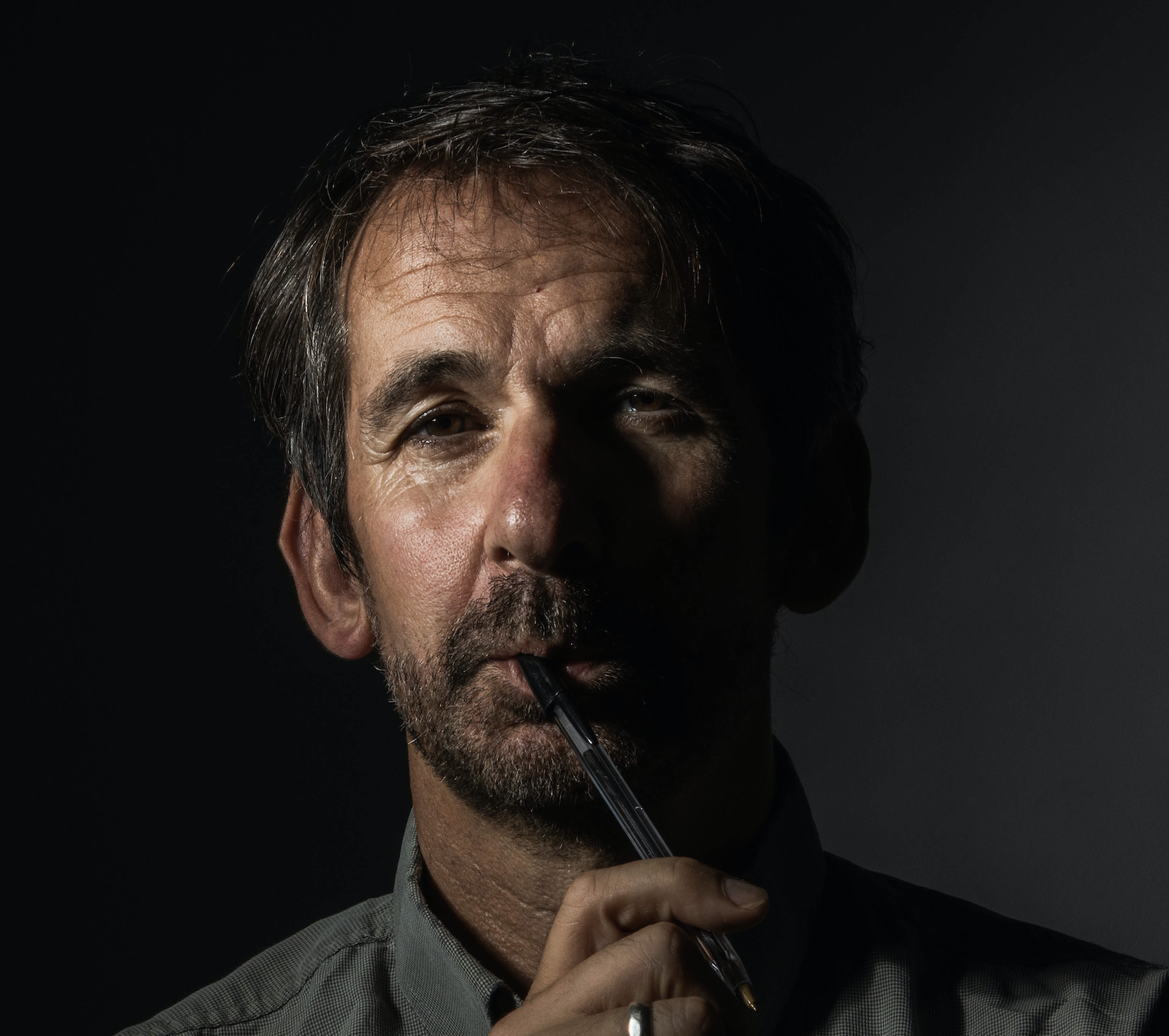
Come May 1940 and journalists from the Daily Express were keen to interview a conscientious objector from the first cohort of conscripts and chanced upon Cecil. They whisked him off to a pub and plied him with alcohol, which he was unused to. Then they had his photo taken, moulding the image they wanted: a suave young man holding a cigarette in front of a fancy fireplace. The next day, that photo was plastered over the front page accompanied by the headline 'CONCHIE' No. 1 – “I won't fight. I won't do ARP work.”’ (ARP = Air Raid Precautions)
The Express story was catastrophic for Cecil. He received white feathers and dozens of letters from ill-wishers. He was spat at and so frequently harassed that he had to disappear for his own safety. But he remained true to his convictions and attended a second tribunal in 1940. As a Quaker, he could have made his case on religious grounds but, after the war, revealed that he ‘didn’t want to be sheltered under the Quaker umbrella’. Thankfully, the judge – a former Quaker himself – believed Cecil to be sincere in his objections to participating in warfare and granted him unconditional exemption, almost certainly sparing him a prison sentence.
Cecil joined the Quaker-run Friends War Victims Relief Committee and taught so-called ‘unbilletable’ children – delinquents, bed-wetters, impetigo sufferers etc – in a tent in a field in Devon. He later joined a young pacifist theatre group called The Adelphi Players. The company included Jean Alexander – the future Hilda Ogden in Coronation Street – and performed all over the country in every conceivable venue, from miners’ institutes to air-raid shelters.
After the war, Cecil pursued his twin loves of theatre and teaching. He was also a mountain climber, orchestra violinist, folk dancer and peace activist.
Conscientious objection didn’t end in 1945. There are COs being persecuted for their anti-war stance in many countries around the world today. In Russia and Ukraine, COs have been beaten and forced into the army, while In Israel, school-leavers who refuse to join up are often imprisoned.
You can read more about Cecil in Felicity Goodall’s books We Will Not Go to War and A Question of Conscience, or at conscienceww2, a website dedicated to tracing all 60,000+ British WWII COs.