
Hundreds of chemicals commonly used in pesticide products could be increasing the risk of breast cancer. This includes active ingredients, but also inactive ones that do not receive the same level of testing.
This is according to research from the Silent Spring Institute who has analysed the ingredients of commonly used pesticides, publishing their findings in the journal Environmental Health Perspectives.
“Our findings highlight a regulatory blind spot around so-called inert ingredients,” says lead author Dr. Jennifer Kay, a research scientist at Silent Spring. “When we think about pesticide safety, we tend to focus on the active ingredient. But people are exposed to the entire formulation, and our findings show that many of those other chemicals may also pose a risk.”
Active ingredients are the ones that are intended in the product to serve its purpose. In other words, ones that are there to aid a pesticide in its effect. Inactive ones are ingredients used for other purposes, such as helping pesticide stick to plants.
In 2024, Kay and her team published a landmark study identifying more than 900 chemicals that may increase breast cancer risk based on their ability to cause mammary tumours in animals or disrupt hormones in ways that promote breast cancer.
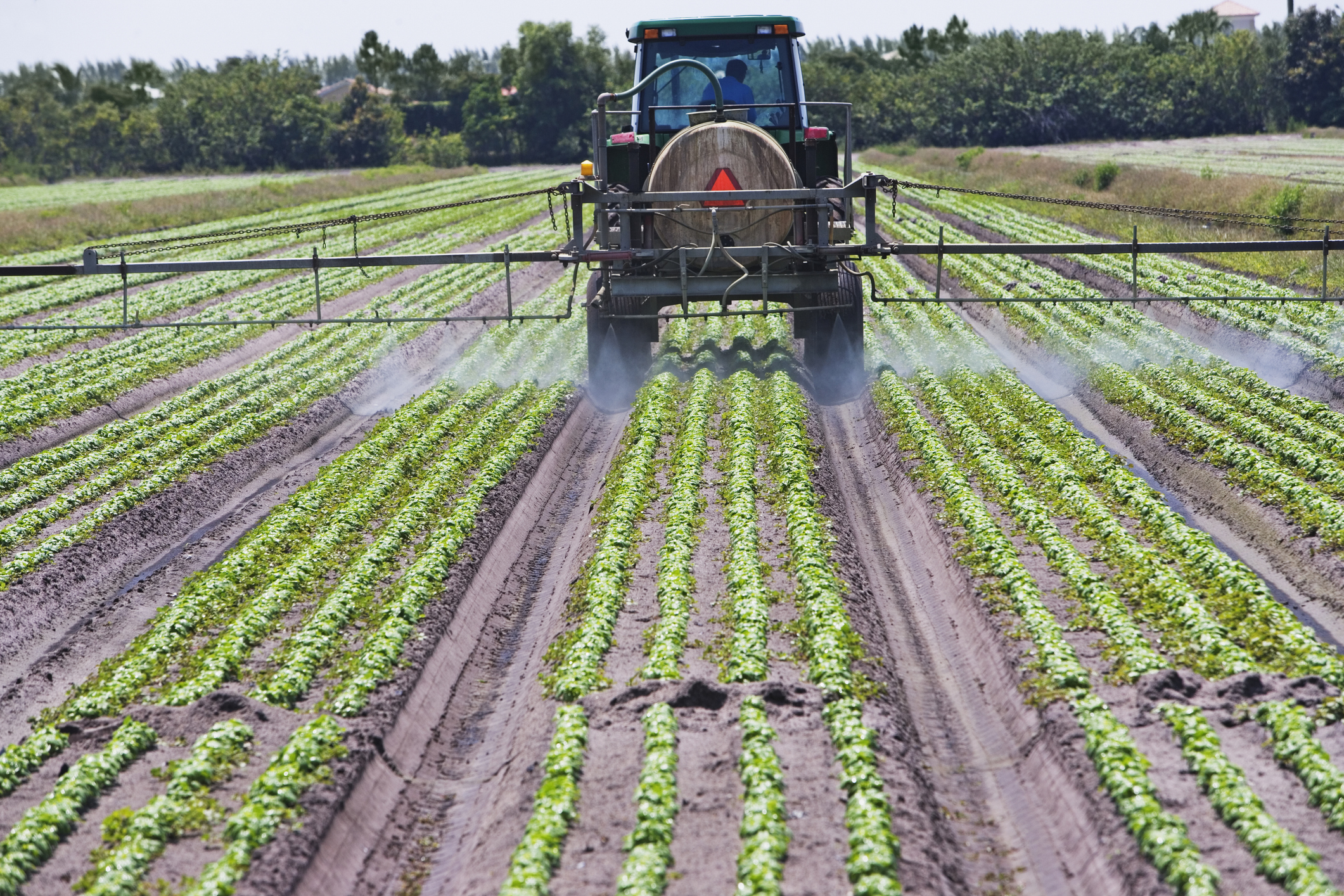
In this latest study on pesticides, the team tried to pinpoint the major sources of exposure to BC-Chems (breast cancer-causing chemicals). They analysed more than a dozen US government databases on chemical production volumes, uses, environmental releases as well as levels of the chemicals in people’s bodies.
Pesticide products came up as an important factor in causing BC-Chems. Of the 485 chemicals found in pesticide formulations, about one-third are currently registered with the US Environmental Protection Agency as active ingredients.
“Not only does this suggest that active ingredients in pesticides are not being thoroughly tested for their effects on the breast, but that hundreds of other potentially risky ingredients in pesticide formulations are flying under the radar as supposedly inert ingredients,” says Kay.
People can be exposed to pesticides in multiple ways, including through food and drinking water, as well as through products used around the home and garden, such as insect repellents, household pest-control products, lice and athlete’s foot treatments, and sanitizers. Pesticides are also used in many building materials.
These kind of chemicals were also found in consumer products, food, drinking water, and construction materials.
Organophosphate pesticides (like malathion, which is commonly used on crops) were found in more than 90 percent of the U.S. population. DDT, which was banned in the U.S. decades ago, was detected in more than 40 percent of the population, highlighting the persistence of some chemicals in the environment and in the body.
The researchers hope that their findings will be used going forward to inform policies, specifically to strengthen how chemicals are regulated in the US and ensure that pesticide formulations.
