
Only a couple of generations ago, our grandparents stayed fit and trim simply because of their diets and active lifestyles. Fast forward to today, and a weekly injection is widely lauded as the ultimate solution to unwanted weight gain.
In the UK, an estimated 1.5–2 million adults currently use weight-loss injections such as Wegovy, Ozempic and Mounjaro. Originally developed to treat type 2 diabetes, these medications are available on NHS prescription for individuals who meet specific eligibility criteria. However, many users access these drugs via private prescriptions.
How do so-called ‘fat jabs’ work?

Our bodies produce an appetite-regulating hormone called glucagon-like peptide 1 (GLP-1), which helps limit our hunger, keeps us satiated and helps control nagging cravings often referred to as ‘food noise’. Weight-loss jabs work because the active ingredients – semaglutide (in Ozempic and Wegovy) and tirzepatide (Mounjaro) – are GLP-1 receptor agonists, producing the same appetite-controlling effects as that hormone.
Administered as a once-a-week injection, each of these drugs regulates hunger so we eat fewer calories, slows stomach emptying so we stay fuller for longer, and turns off the messages in our head that make us seek out certain foods.
As with all medications, users may experience side effects. These can include digestive issues such as nausea, stomach pain, diarrhoea or vomiting, as well as gallstones and, in rare cases, pancreatitis. Some studies suggest that users may face a measurable risk of nutrient deficiencies – particularly vitamins D, B12, A and C – within the first 12 months of taking the medication.
Effects of rapid weight loss
As with other methods employed for rapid weight loss, these medications can cause a loss of skeletal muscle: studies have suggested that 20–40% of total weight lost could be lean mass (muscle). This is important, because muscle loss can lower resting metabolic rate (the rate we burn calories), potentially making long-term weight management harder.
Other potential issues related to these medications may include stomach paralysis and a type of optic nerve blindness called non-arteritic anterior ischaemic optic neuropathy, though data for these is still being gathered.
Is there a long-term solution?
Reports show that these medications are highly effective while they’re being used but may offer limited potential as a long-term solution. The NHS currently prescribes weight-loss jabs for a maximum of two years, and any weight shed typically returns after the medication is stopped. Without changes in lifestyle and behaviour, there is a risk that users may develop a lifelong dependency on these medications – otherwise the weight will simply pile back on.
Clearly, then, changing your diet to prioritise healthy, satiating foods and incorporating movement and physical activity into your lifestyle can be a better strategy for long-term weight maintenance.
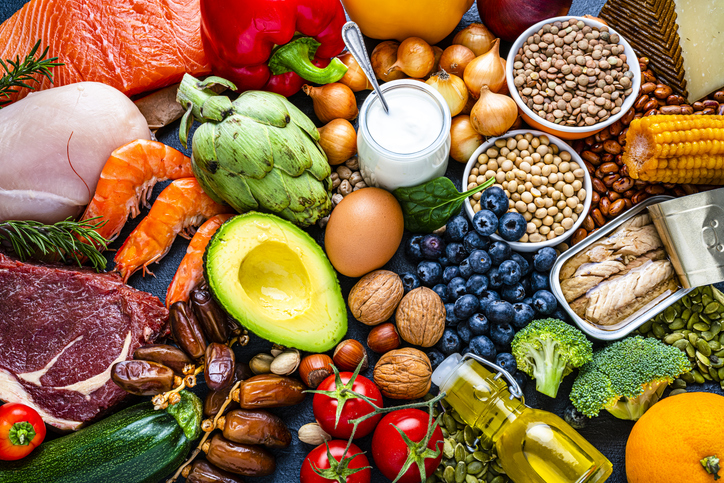
As previous generations found, a balanced, varied diet combined with regular activity and restful sleep are the three key contributors to healthy weight. A diet focused on nutrient-dense, lower-energy, fibre-rich and minimally processed foods helps manage hunger and prevents us from feeling deprived.
The key is to select foods that fit into your lifestyle while delivering these health benefits and satisfying the desire for taste and flavour. Here are six such foods that you might want to include in your diet.
• Eggs score highly on the satiety index, which measures how filling a food is.
• Beans may help increase fullness, partly through effects on the gut hormone peptide tyrosine tyrosine, which stimulates the brain to stop eating.
• Dark chocolate high in cocoa solids (70% or above) may help reduce appetite and cravings for sweet foods in some people.
• Fatty fish such as salmon, mackerel and sardines are rich in omega-3 fatty acids, which have been linked to feelings of fullness.
• Nuts, including almonds, contain plant compounds that humans find difficult to digest. As a result, we don’t metabolise around 5–15% of the calories in nuts.
• Oats are rich in a soluble, gel-forming fibre that makes us feel full and helps us resist food temptations later in the day.
These everyday staples can support natural appetite-regulating hormones such as GLP-1. By including these in your diet, you’ll be adopting a more sustainable long-term approach to managing your appetite as well as maintaining a sensible weight.
Written by Kerry Torrens, registered nutritionist
