
Exercise is important throughout our lives, but it becomes even more important as we get older. Our bodies start to weaken, and muscle integrity becomes harder to keep.
This can lead to issues with picking things up, balance and can even result in an increase of mortality risk. But, there are plenty of easy ways to avoid this, and a lot of them don't have to take up much of your time.
1. Why strength matters
Over the age of 30, we typically lose around 3–5% of muscle mass each decade – and that loss accelerates after hitting 60. Left unchecked, this sarcopenia, as it’s known, can take your balance, bone density and independence. “Skeletal muscle is the organ of longevity,” says Dr Gabrielle Lyon, author of Forever Strong. A meta-analysis found that 30–60 minutes of weekly resistance training was associated with a 10–17% lower risk of premature death.
2. You don't need a gym
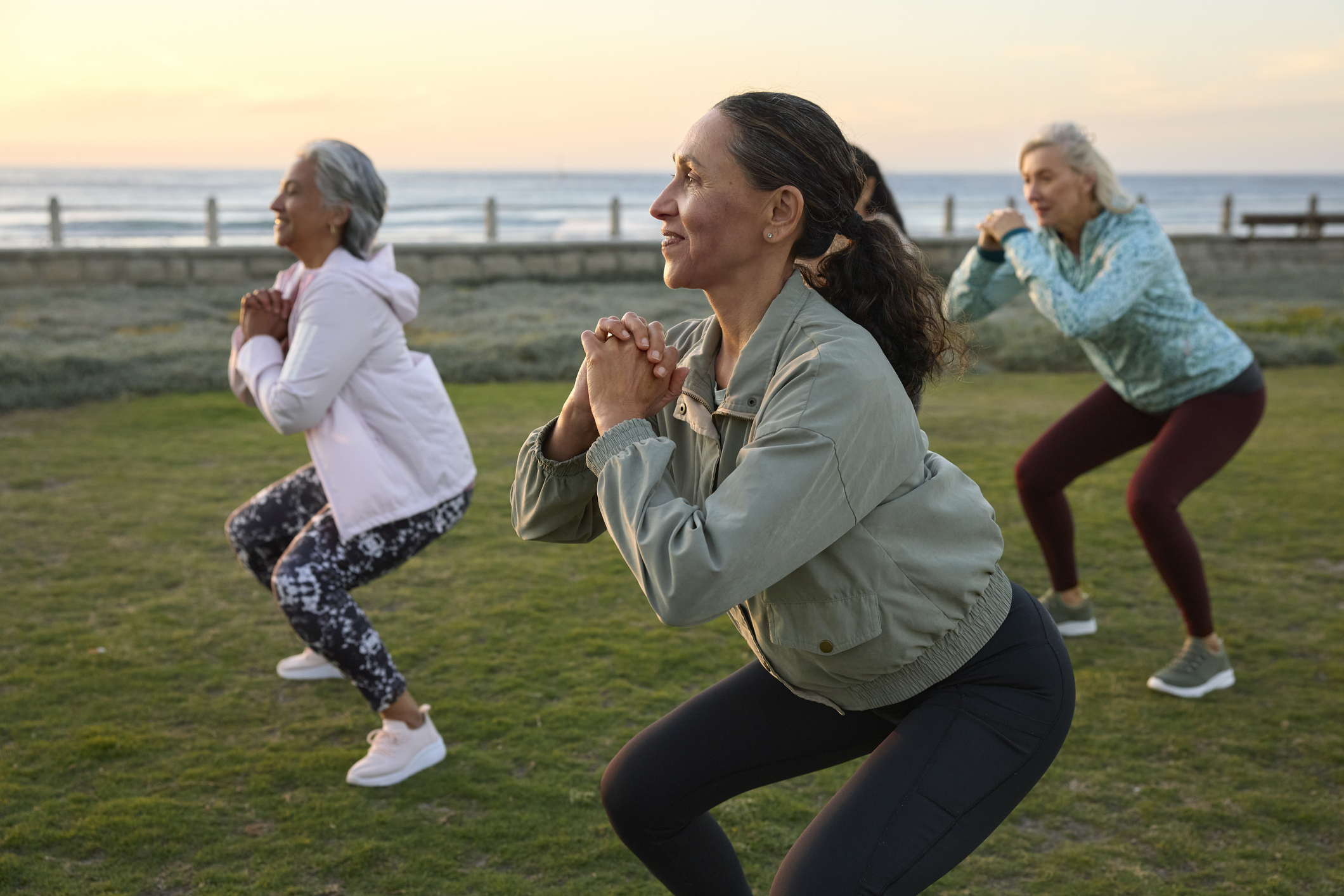
You can complete an effective session in your garden, at the local park or even at your kitchen worktop. Wall press-ups, chair-assisted squats and step-ups on a bottom stair are all good resistance exercises.
“The best exercise programme is the one you’ll actually do,” says physiotherapist Tim Allardyce. “Training at home or outdoors removes the intimidation factor and makes consistency far more achievable.” There are restorative aspects of exercising outside, too. Fresh air and natural light add benefits that a gym cannot replicate.
3. Strengthen your body
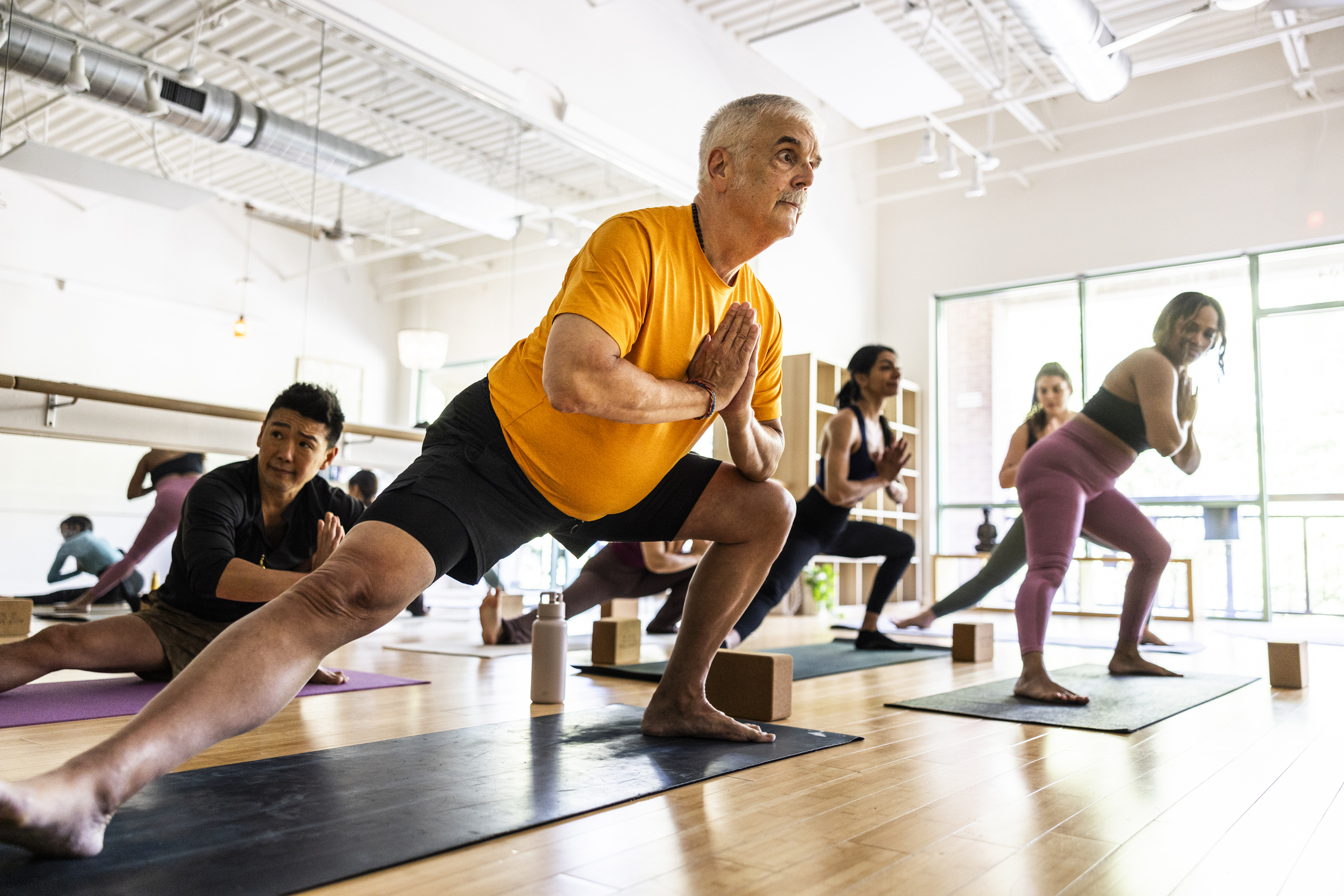
Your legs and hips comprise the engine room of independent living. For starters, try chair squats: stand in front of a sturdy chair, lower yourself as though sitting, lightly touch the seat then drive back up through your heels.
Progress to step-ups or walking lunges across the garden. These movements target your quadriceps, hamstrings and gluteals, which are the muscle groups most responsible for climbing stairs, getting out of a chair and staying steady on uneven ground.
4. Train your balance
Each year, around one in four adults over 65 will suffer a fall. A major factor is declining proprioception – the body’s ability to sense its position in space. Fortunately, balance responds well to training. While the kettle boils, stand on one leg, walk heel-to-toe in a straight line or practise tandem stands with one foot directly in front of the other. Evidence suggests that tai chi can also help reduce the risk of falls; classes are widely available.
5. Start with your foundations
If you’re new to strength training or returning after a break, resist the urge to do too much too soon. Begin with squats, modified press-ups, resistance band rows and planks (above) – compound moves that work multiple muscle groups simultaneously.
Start with two 30-minute sessions per week and include a rest day between them. This gives your body time to adapt and repair, which matters more as we age because recovery takes longer.
6. Don't neglect your upper body

Upper-body strength is important for carrying shopping, lifting children or pushing a wheelbarrow. Wall press-ups build chest, shoulder and tricep strength safely; progress to incline press-ups on a worktop or park bench.
For back and biceps, loop a resistance band around a door handle and tackle pulling movements. “Upper-body strength declines faster than lower body in older adults, particularly women,” notes Janet Lord, emeritus professor of immune cell biology at the University of Birmingham. “Maintaining it is essential for functional independence.”
7. Fuel your muscle
Strength training stimulates muscle growth, but protein provides the raw materials. As you age, your body becomes less efficient at absorbing dietary protein; eat 1g per kilogram of body weight daily. Good sources of protein include eggs, chicken, fish, Greek yoghurt, lentils and nuts. Eating 20–30g within an hour of finishing a session aids muscle repair and recovery.
8. Prioritise recovery

Muscles grow stronger during rest, not workouts. Over the age of 50, recovery takes longer, so respect the process. Sleep is critical: deep sleep triggers human growth hormone release, which drives tissue repair. Aim for seven to nine hours of sleep per night. Cutting screen time before bed can help, as can daily walks in daylight, keeping blood flowing without adding strain.
9. Stay flexible and mobile
Strength is only half the picture – suppleness is also important. Muscles lose elasticity with age, making everyday movements progressively harder. A 10-minute mobility practice before or after a strength session – shoulder circles, hip rotations, cat-cow stretches, thoracic spine twists – will make a difference. Pilates and yoga are excellent class-based options and many leisure centres now run sessions tailored to over-50s.
10. Consistency beats intensity
Two or three short sessions per week, maintained over months, will transform your strength, balance and confidence. Research shows that even people in their 80s can double their strength within weeks of starting resistance training. Start where you are, progress gradually, and treat this as an ongoing component of how you look after yourself. Your future self will thank you.
