
A new report from the Energy and Climate Intelligence Unit (ECIU) details a summer of problematic heat. For dairy farms, over 240 million litres less milk was delivered than would normally be expected during the months of May and August. That is the equivalent of 95 Olympic swimming pools.
That is calculated to have costed farmers in the region of £83 million. This analysis includes daily milk deliveries between May 1st and August 31st, comparing deliveries to normal seasonal patterns for milk.
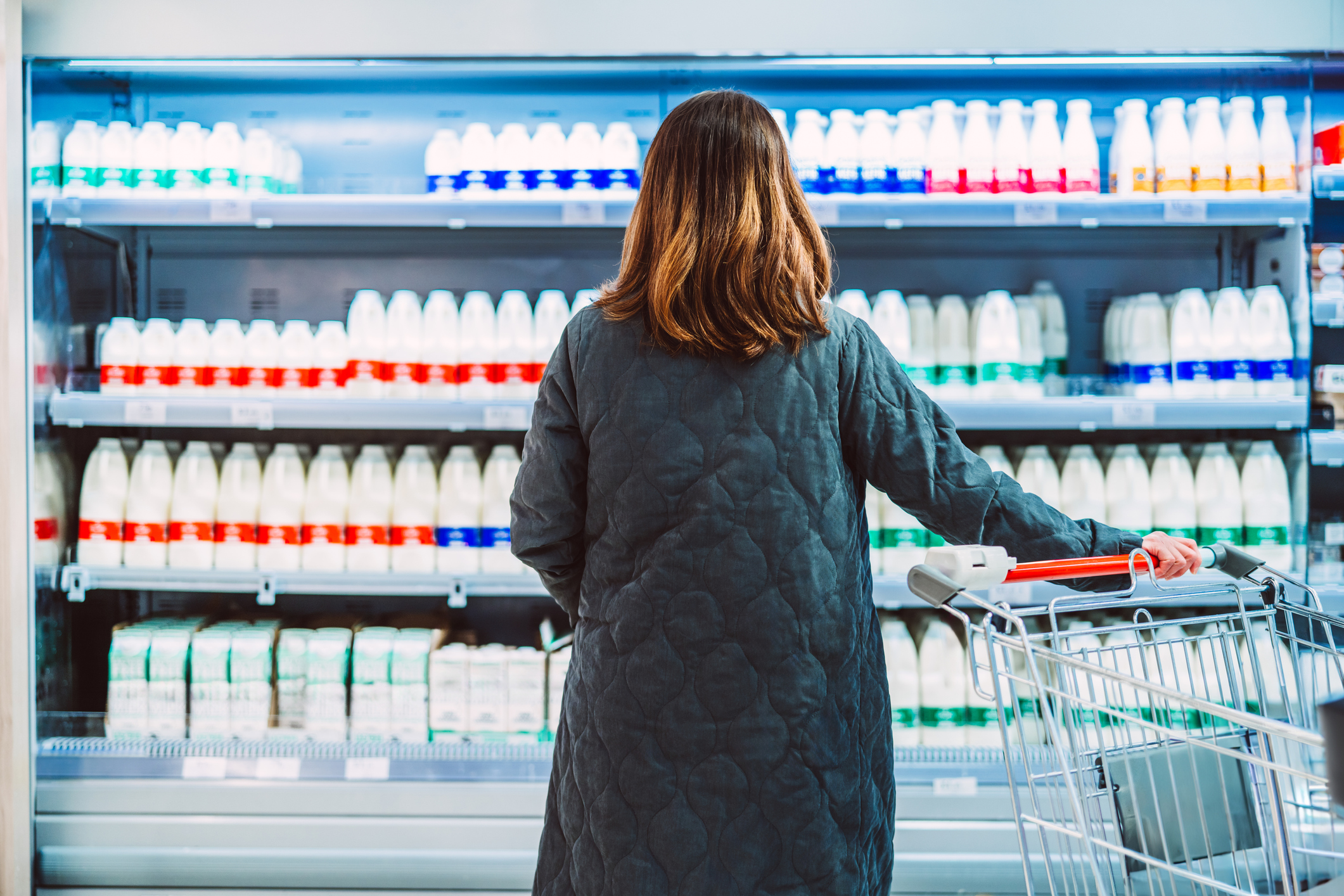
For consumers this has driven an increase in milk prices as milk producers look to recoup their lost costs.
For months, UK dairy farms produced below a normal summer, and by August the scale of the impact was regularly worse than anything seen in 18 years. The missing £83 million from farmers’ pockets has gone in a year when many were already milking at a loss,” Tom Cantillon, a Senior Analyst for the ECIU said.
“The costs don’t stop now that the rain has come. A second bad year for grass has pushed farmers into their winter forage early, with feed prices to follow. Farmers need help to build resilience — shade, trees, water — but summers like this will keep getting worse until we cut emissions to net zero and bring the climate back into balance.”
The most noticeable factor causing this reduction in output was extreme heat and drought. However, it was also driven by increases in input prices as a result of the Iran war and efforts by the industry to avoid the oversupply seen last year.
“This has been a difficult summer. Our milk production has dropped significantly, though as we've just established a new herd it is harder to compare. Building up our herd again has actually helped us this year, because our stocking levels are lower than normal so we've been able to make more silage than we otherwise would,” Debbie Wilkns, a dairy and beef farmer in Gloucestershire, told the ECIU.
“That has been really important because the cows have been eating full winter rations in the middle of summer, and even with the recent grass growth they're really only going out to stretch their legs.”
Despite the drop, it is worth noting that 2026 is on track to be a near record year for milk production in the UK. This temporary drop in performance is happening alongside similar problems for all areas of farming damaged by recent droughts.
