
In the pre-dawn light on a day in January 2025, the wild goats were on the move, silent shadows filing across the moorland road. Ken Moffat had to halt his car to let them pass but he enjoyed his closeup sighting of these fierce, ragged symbols of the Scottish Borders high country. “It was lovely,” he says.
Hours later, Ken was full of concern. The movement, he was told by locals in the nearby village of Langholm, was because a cull was underway. The goats were said to be fleeing the Blackburn and Hartsgarth Estate in the Scottish Borders, heading for the neighbouring Tarras Valley Nature Reserve.
Oxygen Conservation owns the 4,451-hectare Blackburn and Hartsgarth Estate and said wild goat numbers on its land had soared in two years, from 20 to 138. The firm feared plans to plant trees would be in danger from the animals, which can damage trees by stripping bark. It wanted to bring the numbers back down to 20.
But killing so much of a herd, in the kidding season when nannies are pregnant or have suckling young, shocked many local people. There were questions too over the numbers – there’s doubt whether they could breed that quickly, and goats roam freely between Blackburn and Hartsgarth and other landholdings.
By February, Ken was raising a petition and calling for the cull to halt. After shooting 69 billies and six nannies it says were juveniles or not pregnant, Oxygen stopped. But the issues raised by the cull and the backlash against it won’t go away.
Although estimates of current herd numbers vary and comprehensive surveys are lacking, dozens of wild goat herds live across the UK, mostly in Scotland. So just how do we classify these animals? Wildlife icons, part of the ecosystem, or a damaging, invasive non-native? And, crucially, do they deserve the same legal protections as deer and other native animals?
A heritage breed
Conservation organisation the British Primitive Goats Research Group, led by ecologist Dr Shirley Goodyer, is the most informed about the animals. Goodyer’s best estimates indicate there are 4,000 to 5,000 wild goats in the UK.
As well as Scotland and Northumberland, there are herds in north Wales and a few elsewhere. But Goodyer draws a sharp distinction between British Primitive goats – such as the Tarras Valley animals – and wild herds derived from modern breeds.
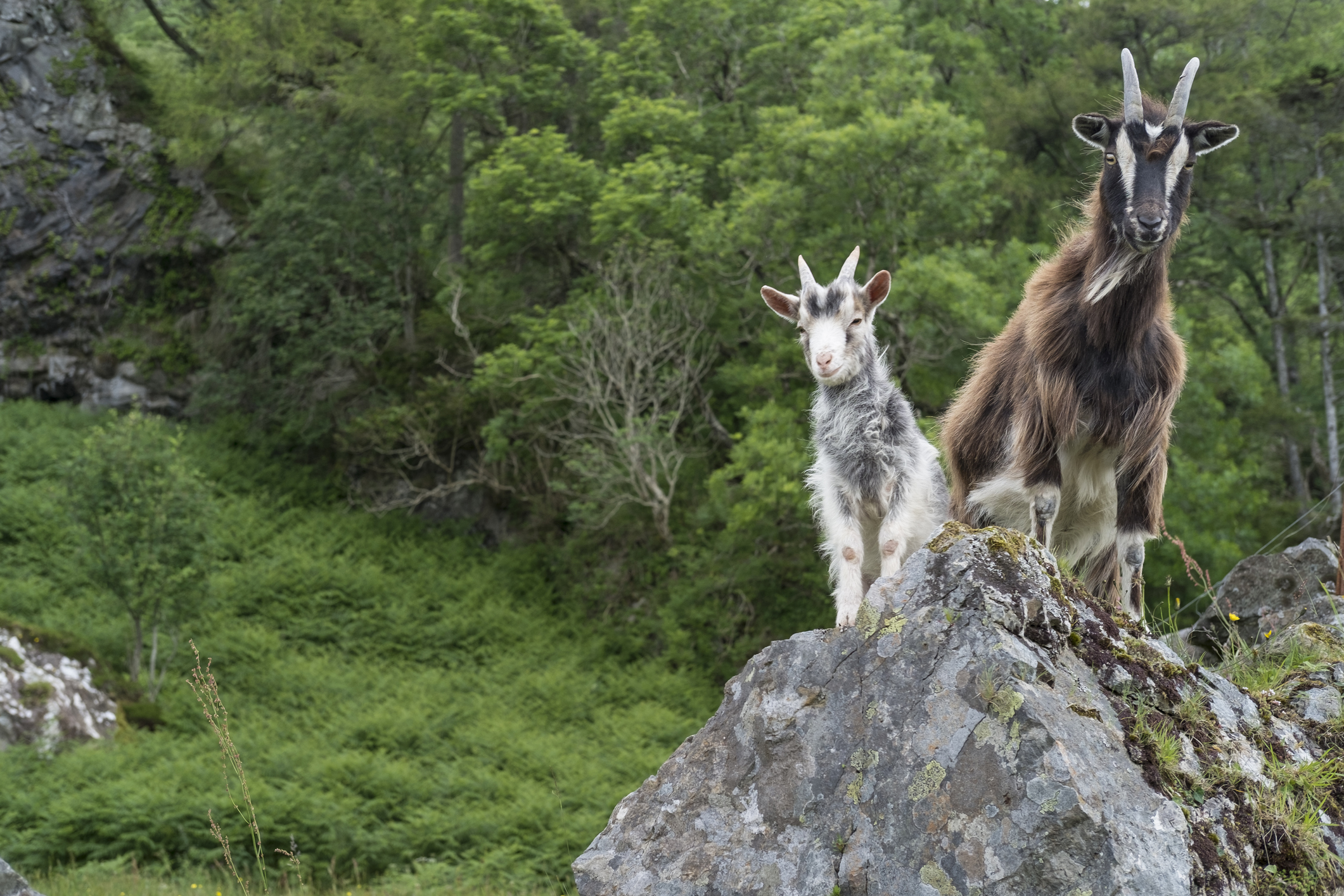
The Primitives are descended from goats brought to Britain by settlers 5,000 years ago. Goodyer believes they’re an important connection to our past: they were farmed until the late 19th century when they were replaced by breeds mixing natives with foreign animals bred for high milk yields.
Some wild herds are clearly non Primitive: the famous goats on the Great Orme at Llandudno, for instance, are Cashmeres, bred in northern India for their fine coats. But those on the Langholm-Newcastleton moors are good examples of Primitives, and a similar, genetically pure herd of 450 in the Cheviot Hills on the Anglo-Scottish border is on DEFRA’s Native Breeds at Risk Register.
Goodyer says goats – notorious for the cheesy pong of males in the mating season – are “great escape artists” and formed feral herds from the moment they arrived in Britain. “They have been out there so long, for hundreds, possibly thousands of years, they have become completely integrated and naturalised with the environment.” Oxygen refers to the goats not as wild but as “feral” – a domestic species now roaming free.
The government agencies NatureScot, Natural Resources Wales and Forestry England, while recognising their heritage or cultural value, say goats can increase overall negative herbivore pressure – and also classify them as feral. That word is key, according to Goodyer.
There are strict rules around wild deer stalking that stop hind shooting in the calving season, and regulate ammunition size and shooting at night, to prevent suffering. But no such rules apply to goats because they are not technically wild animals. “It just doesn’t make sense,” Goodyer says. “Wild versus feral – it’s just semantics... all animals need protection to stop inhumane culls.”
Potential conflict
Nicola Hood, in camouflage gear, long blonde hair wind-whipped, is doing her favourite thing: photographing goats. Her home is a remote cottage sheltered in the Tarras Valley, where goats cluster.
“Up here this afternoon it’s mainly females, 20 or 30, with some young. This is their comfort zone: if the weather’s bad, they shelter here,” says Nicola, before adding. “They warm your heart because they’re beautiful to watch playing.”
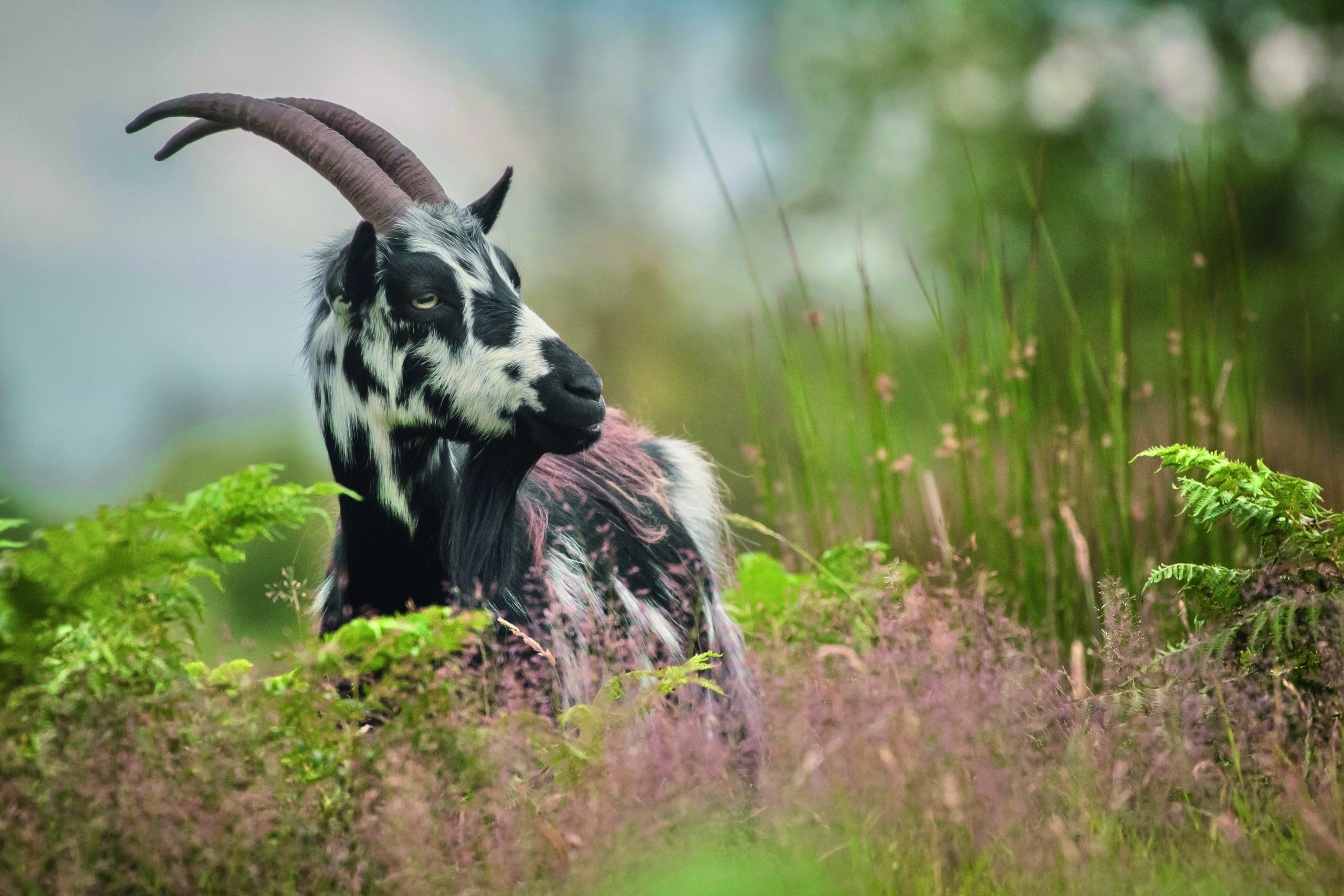
Her affection for the Tarras goats is widely shared; Ken Moffat’s petition was signed by 22,000 people but rejected by MSPs in early 2026. The petition says the goats “represent an independence of spirit reflective of our national character”.
That affection was also seen in 2018 when outrage followed pictures on social media of an American hunter with a wild goat she shot on Islay. Hunting websites still advertise the “exhilarating challenge” of Scottish goat stalking despite calls for a ban.
In Northumberland there’s a similar fondness for the Cheviot goats, Wild goat herds are browsers, eating heather, brambles and the leaves and bark of trees and shrubs clustered around the College Valley.
Management is needed to ensure the population does not outgrow the food available, as that is when woodland damage is at its worst. As their range covered four landowners, a joined-up approach was needed.
Around 20 years ago the North Cheviot Goat Group was set up, with conservation worker Mary Gough as coordinator. Gough has worked with Goodyer to rehome nearly all excess goats to areas where their grazing is wanted, to help preserve open habitats. But Gough adds: “We’re not afraid to cull, if it’s done in the right way and there’s a healthy population left.”
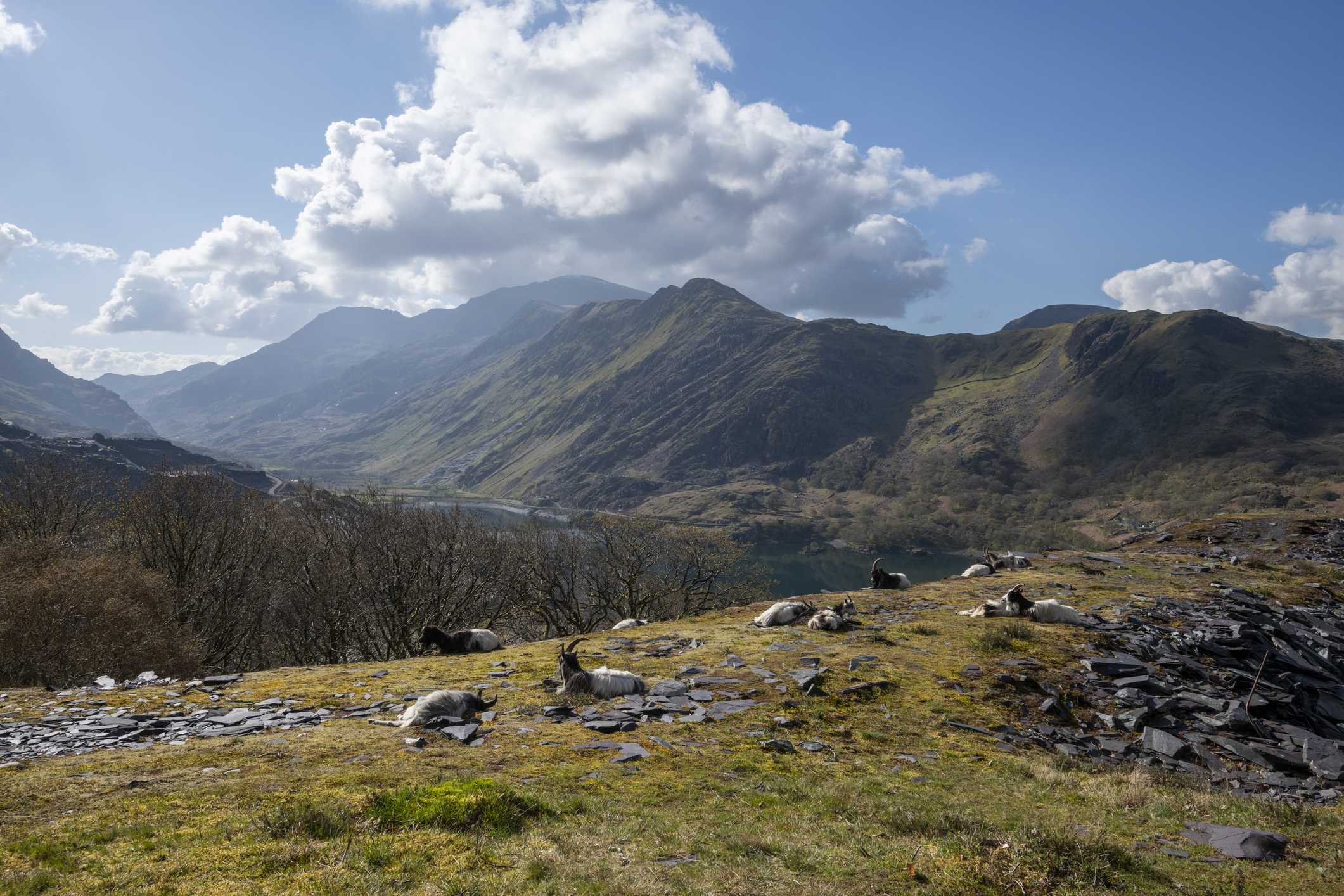
In North Wales a cull of goats – and a possible conflict with some local residents – is looming in Eryri National Park where herds roam near Llanberis and in the Ogwen Valley. Cyngor Gwynedd, the local authority, manages Coed Dinorwig, a Site of Special Scientific Interest near Llanberis.
It says heavy goat browsing is preventing regeneration of the woodlands and the “preferred option” is a cull. Some locals support the idea: the goats browse gardens and even climb on low-lying roofs.
Bryn Fôn farms Elidir Fawr, the mountainside behind the Llanberis slate quarries. The goats do a valuable job for him by grazing in the rough, steep quarries, deterring his sheep from venturing there, but he says: “We should have a management plan. I think they should cull some of the older animals.”
Others are dead against it. Jan Hughes-Roberts from Llanberis says: “We love them, pong and all, and definitely oppose a cull. They are a wonderful sight around the mountains and village.”
Culling concerns
Back in the Scottish Borders, opposition to the Oxygen cull led to the formation of The Wild Goat Conservation Trust (TWGCT), chaired by David Braithwaite from Newcastleton, near the Blackburn and Hartsgarth Estate in Liddesdale.
He’s still angry over that cull and believes it’s following a Scottish Government policy to rid the country of wild goats. However, Jamie Hammond from NatureScot’s wildlife management team says there is no such policy.
He says while there’s no specific legislation to protect them, the advice on goat management is to mirror best practice from deer management, including not shooting in the kidding season. Oxygen said in a statement it had taken care with its original count and cull, recognising the herd moves between landholdings.
It used stalkers with long experience of goat management and followed deer management practice.
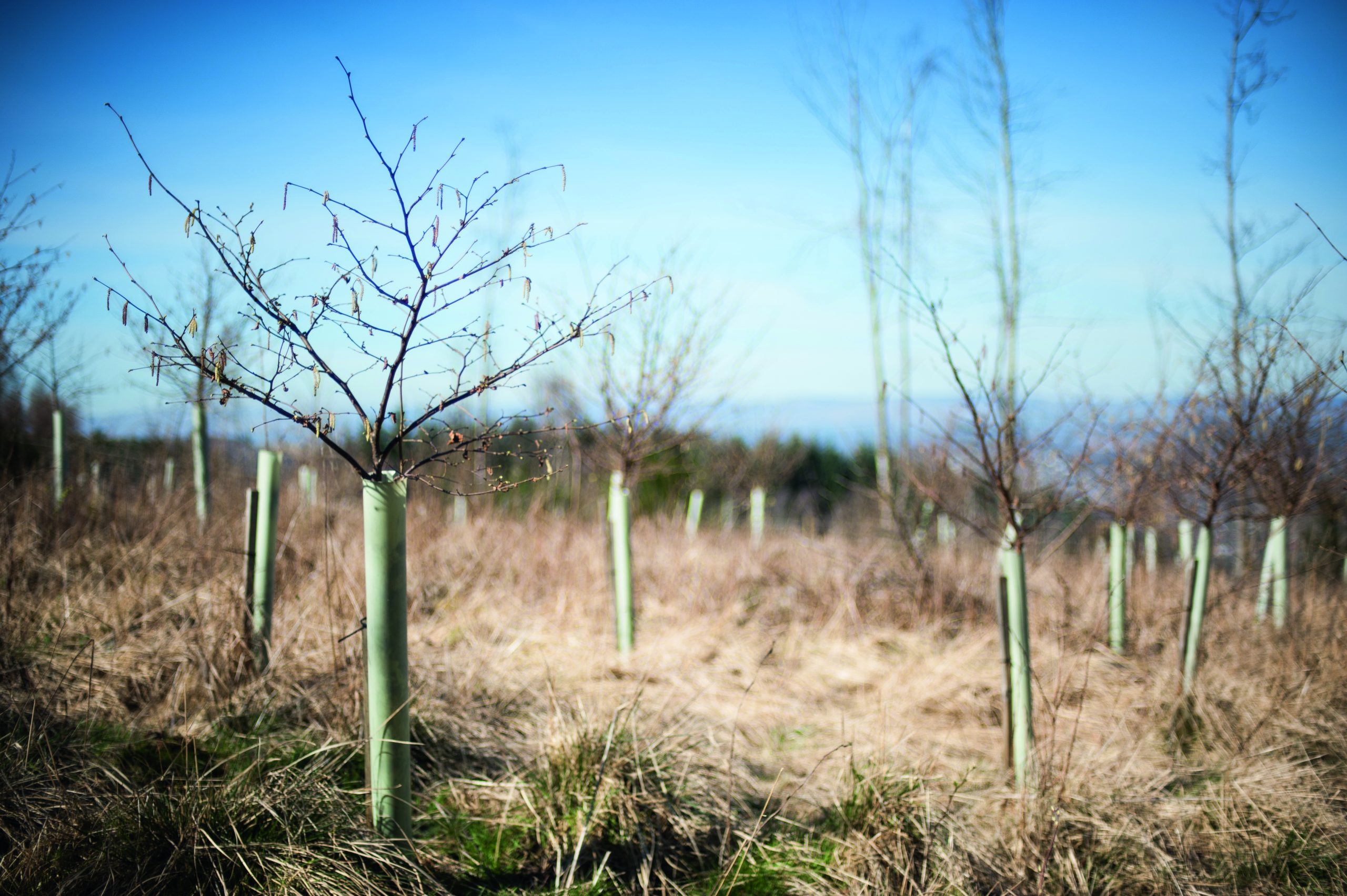
It added: “We are not looking to eradicate goats from the estate but to bring their numbers to a level which will allow for habitat protection and restoration.” Perhaps ironically, the community owned Tarras Valley reserve, where goats headed to escape the Oxygen cull, has begun its own cull.
It says goat numbers on its land have risen eightfold in 10 years, and managers plan to cull 20% of the herd – around 160 goats – over two years, in autumn shoots. That plan has avoided disapproval from the TWGCT, although the group would have preferred more research on numbers first.
But Braithwaite, Moffat, Goodyer and others still want legal protection for goats, despite the rejection of Moffat’s petition.
It does have political support, with MSP Fergus Ewing telling a Holyrood committee considering the petition: “It seems all species are equal, but some are more equal than others. Goats seem to be the species that does not merit any care or attention from NatureScot.”
For now, though, across the UK the Cheviot model may well be the best way to ensure goat welfare, with estates coming together to agree how best to deal with these iconic animals, minimising culls. Braithwaite’s group, for instance, now wants a coordinated management plan on its local goat range – which includes around seven landowners, and totals 12,140 hectares – allowing “science-based” discussions over maintaining herd health. “If we can do that, then everyone would be happy,” he says.
