
Farmers who operate on the smallest plots, usually under 5 acres, are known as smallholders. Despite their size, these farms are dominant. There is believed to be around 475 million smallholder farms in the global South, and more importantly, these farmers currently contribute around 30% of the total world food supply.
This is despite the fact that these farms often lack resources, finances, markets, or any kind of additional support, especially when compared to much larger farming operations in developed regions.
By helping just half of smallholder farmers worldwide (around 240 million families) adopt regenerative agriculture and agroforestry, we could yield all the additional food required by population growth through 2050 while improving rather than degrading nature. Despite this growth in output, these farms would only occupy about 12% of the world’s arable land.
That is according to Hugh Locke, a development expert and co-founder of the Smallholder Farmers Alliance in Haiti.
"The world's smallholder farmers are too often treated as beneficiaries of development assistance when they should be recognized as architects of the next agricultural transformation," says Locke.
Currently, the world population is expected to increase by roughly 1.5 billion by 2050. Locke argues that, while we desperately need to prepare our food supplies for this, it shouldn’t come at the cost of biodiversity, soil degradation or additional climate change.
Haiti: A working test-case of these ideas
A lot of the beliefs that Locke suggests here come from his experiences with the Smallholder Farmers Alliance (SFA), a project he founded in Haiti. It works with around 10,000 farmer groups in Haiti.
Through this project, it has been found that when participating smallholders received basic agricultural support, based on sustainable practices, their yields increased by an average of about 40%. Household income also increased in line with these yields.
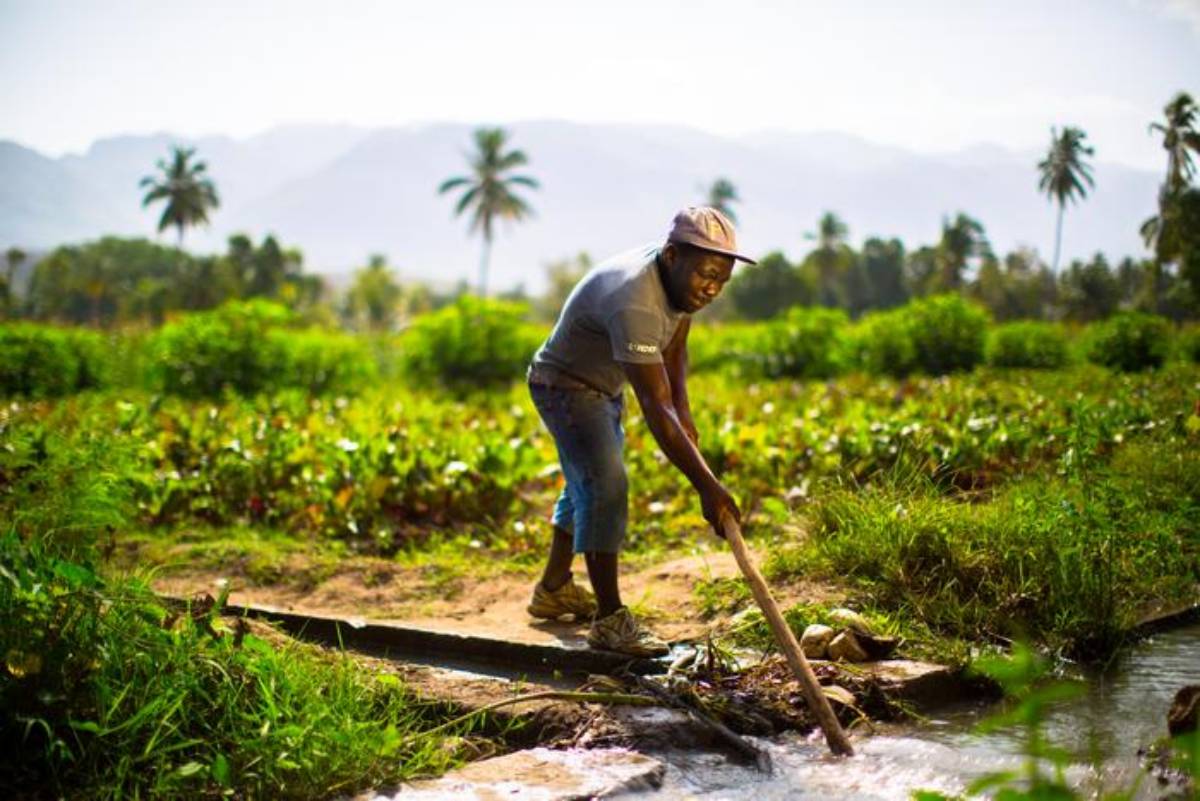
Part of this project was to not just improve farming yields, but also improve the land they were working on. SFA members also plant an average of around 1 million trees a year.
This is due to a trading scheme in place. The farmers plant and care for trees in exchange for agricultural services, training, seeds and other inputs.
Locke argues that hundreds of millions of smallholder farms around the world are producing below their current potential because the supports are lacking, along with the education around farming techniques.
Correcting the damage of farming
Around the world, including in England, farmers have increasingly struggled with the changes climate change has brought to their farms. A summer of drought has left harvests severely lacking, and in some cases, seen crops burn.
The project in Haiti shows an alterative approach. Instead of simply trying to reduce the damage farming causes, regenerative agriculture aims to improve the natural systems farming relies on.
Depending on local conditions, regenerative farmers can employ techniques including crop rotation, cover crops, intercropping and diverse cropping systems, composting and other methods of building soil organic matter.
The objective here is to see measurable improvement in outcomes such as soil health, biodiversity, water quality and availability, carbon storage, food production and more.
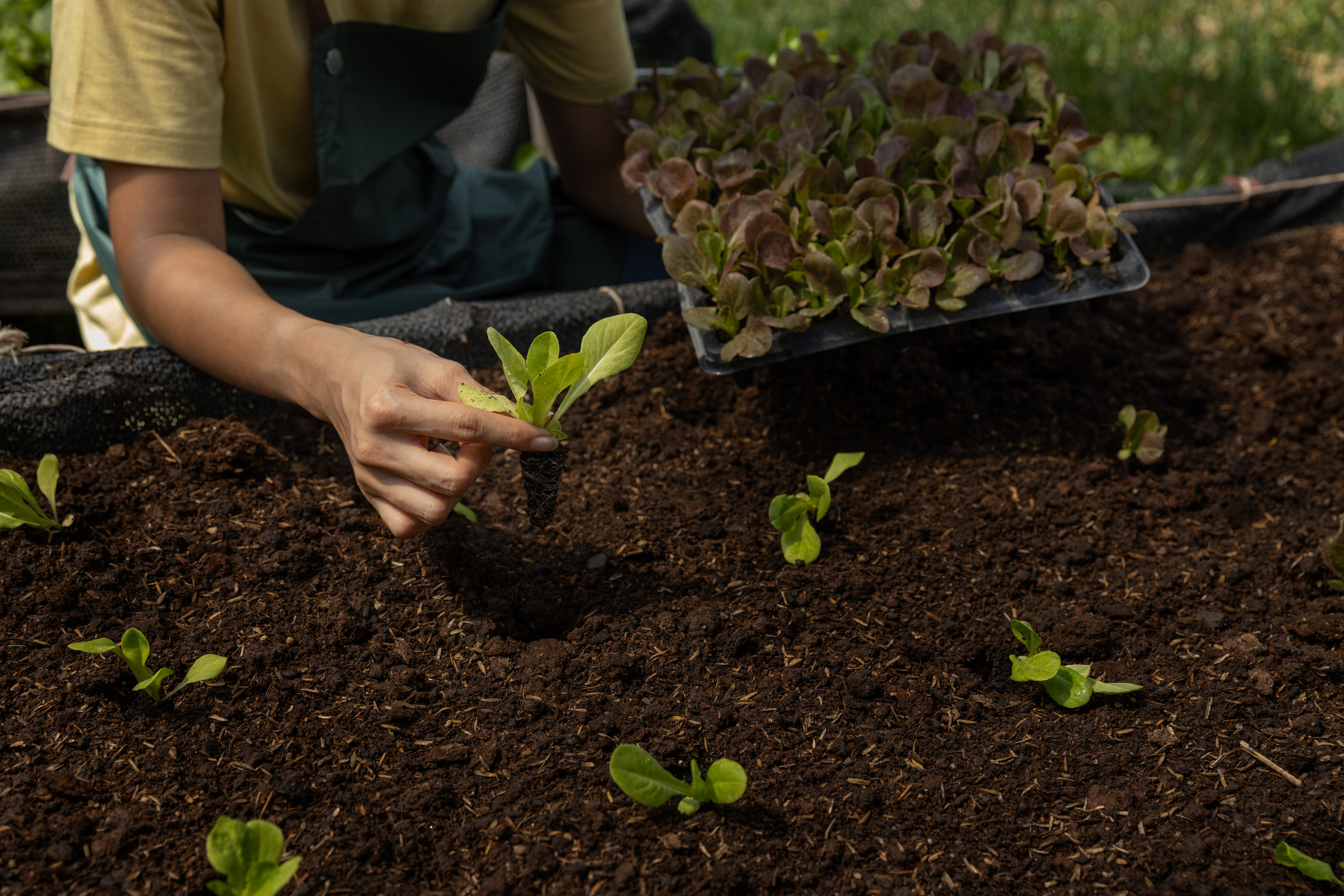
"The question is not simply, 'Are you using regenerative practices?'" says Locke. "The more important question is, 'Is the land, the ecosystem and the farming community measurably better as a result?'"
Healthy soils and growing plants, could in theory, also help to removed carbon dioxide from the atmosphere and store carbon in soil and biomass. Regenerative systems can also reduce emissions associated with the manufacture of synthetic fertilisers.
According to Locke, approximately 240 million smallholder farms making the transition to regenerative agriculture across an estimate 480 hectares could remove every year up to 0.72 gigatons of CO2.
If these freeholder farms were given more support, it could solve a lot of the world’s biggest problems with a marginal investment. For now, Haiti acts as a useful insight into where we could eventually go, solving food shortages, while aiding biodiversity and slowing climate change.
