
Animal fighting is a practice that has long died out in England. But a new study has unveiled some interesting findings about one particular historical animal fighting event that is particulary brual.
Bear baiting, the act of setting dogs on tethered bears to fight, became more popular after the Norman Conquest in 1066, a study by Cardiff University and the University of Nottingham has found.
These combined universities analysed bear bones and archival records, finding the prevalence of the animals in England and northern France during medieval times.
Originally, researchers believed the sport rose to popularity during the reign of Queen Elizabeth I, where they would be organised in London. However, these findings show that the practice is actually much older, starting roughly 400 years before.
In fact, the practice is even displayed on the Bayeux Tapestry, which has just gone on display at the British Museum for the first time in over 1000 years. This tapestry shows the events leading up to the Norman conquest of 1066.
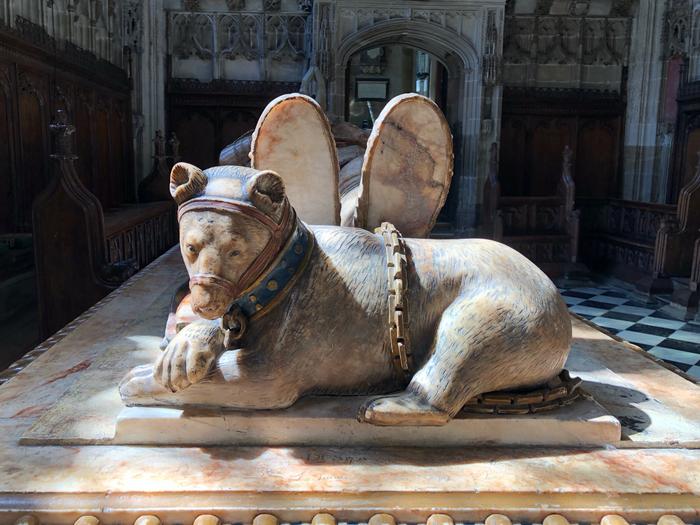
While wild bears were native to Great Britian, they eventually became extinct during the Roman period. Researchers believe that brown bears were imported into England from Europe.
“The combination of literary, archival, archaeological, and visual analysis enables us to definitively conclude that bear baiting was an established activity in England by the twelfth century,” said Dr Liam Lewis, based at Cardiff University’s School of Global Humanities.
“The lack of bear remains from live animals in England prior to the Norman Conquest, and their appearance in London and North Yorkshire immediately afterwards, suggests that there was an increase in the importation of live bears to England after that time.”
Originally, it was believed that this practice was saved for the elite, exclusive to marriages, aristocractic pastimes and large festivals, the findings of these bones suggests that the practice was more wide spread, occurring in small towns across England.
Bear bones were identified at 10 sites in England and France, with a new date on a shoulder blade from Richmond demonstrating bears were in northern England immediately after the Norman Conquest.
"Bear baiting was an important social and economic activity in early modern England, and here we demonstrate that is has much longer roots. This is the first study of its medieval origins and the new radiocarbon date on the bear from Richmond, North Yorkshire shows that bears were widespread very early in the medieval period,” said Professor Hannah O’Regan of the University of Nottingham’s Department of Classics and Archaeology.
