British people have long been associated with tea, manners, a penchant for queuing and an oddball sense of humour. They are also renowned as a nation of proud eccentrics, so managing to get on to this list really is an achievement. Here are seven of the most peculiar people in UK history...
1. Harry Grindell Matthews (1880-1941)
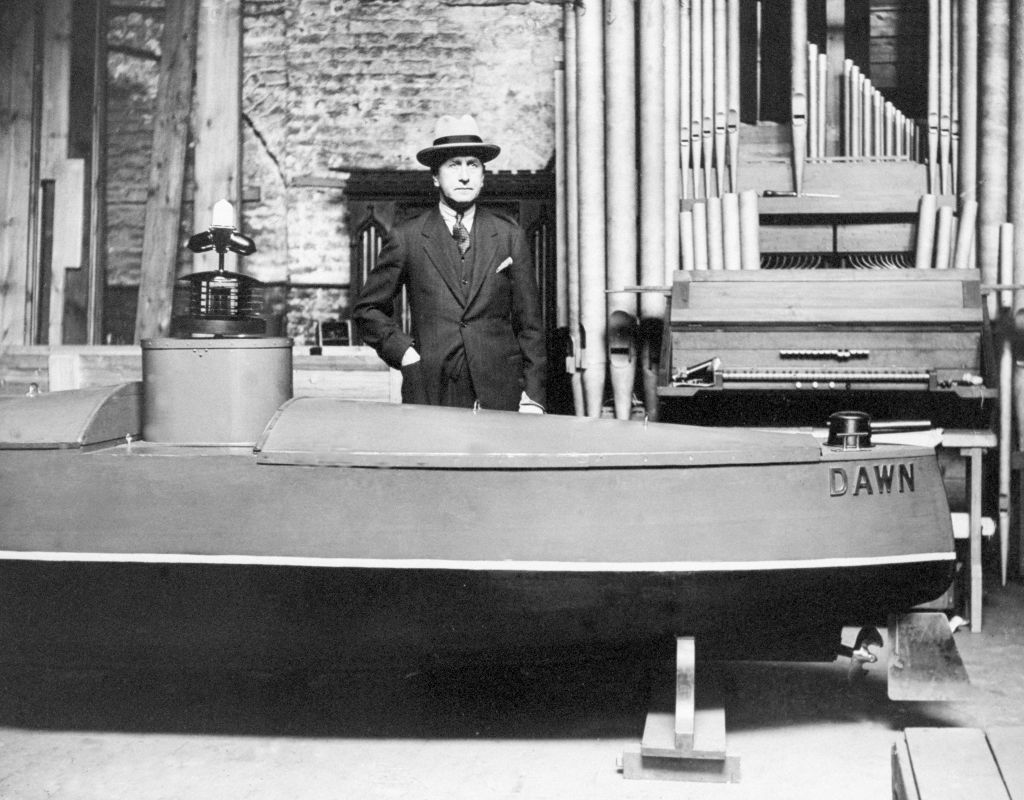
Harry Grindell Matthews was an archetypal crackpot inventor living in South Wales during the early 20th century. Born in Gloucestershire, Matthews studied at the Merchant Venturers' School in Bristol and became an electronic engineer. He is said to have created a proto-mobile phone which he claimed could communicate with a pilot flying at an altitude of 700 feet. He became known as 'Death Ray' Matthews, thanks to another invention which he claimed could stop the engine of a moving vehicle, detonate gunpowder, or even disable incoming troops from a distance of four miles.
What is fascinating about Matthews is it's impossible to tell if he was a skilled conman or a troubled individual suffering from a mental illness. Forever terrified his inventions would be taken from him, when asked to demonstrate them, he immediately shut down all tests. This cost him a number of large government contracts, and he was either never exposed as a fraud or never received the recognition he deserved.
2. Roland the Farter (12th century)
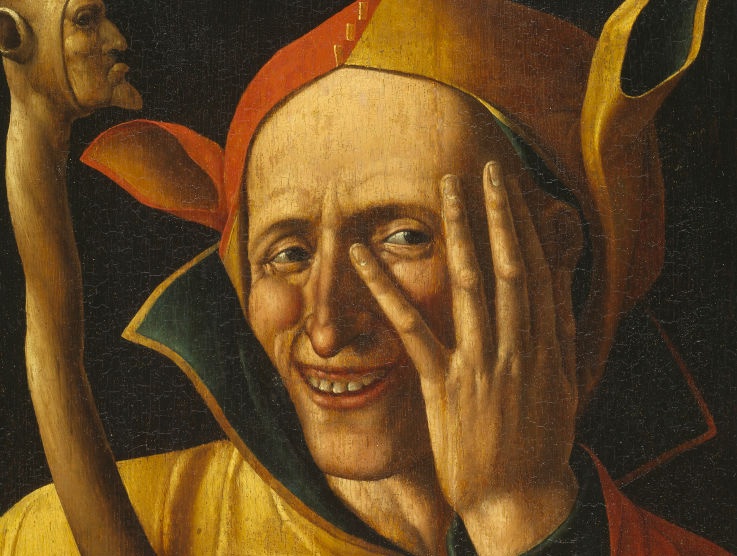
Roland le Petour, or Roland the Farter, will go down in history as a man who did very little in the way of work but received a lot for what little he did. As court jester for Henry II, he was asked to perform his signature act – a whistle, a fart and a jump, all at the same time – every Christmas day. For this annual act of tomfoolery, he was awarded Hemingstone Manor in Suffolk and 30 acres of land.
- The 9 weirdest natural phenomena in the UK – from glowing seas to magical pavements – and where to see them
- Britain’s quirkiest museums: 11 curious collections worth exploring
3. Lady Meux (1847-1910)
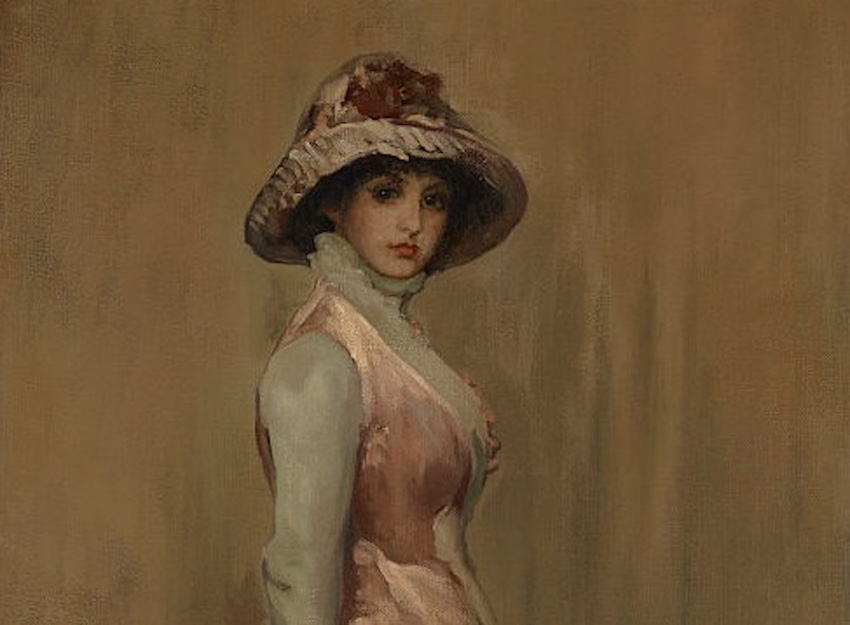
This banjo-playing Victorian socialite loved beer to an extreme degree. Happily for her, she married the heir to a brewing fortune and famously drove a carriage drawn by zebras because "horses were too predictable".
Born Valerie Langdon in Devon, she married Sir Henry Bruce Meux after she caught his eye at the Casino De Venise in Holborn. Due to rumours that she had been a prostitute, their wedding was deemed scandalous and she was shunned from polite society.
Undeterred, she chose to live life to the full, installing an indoor roller-skating rink, a swimming pool, a gun room and a museum of Egyptian antiquities at her residence, Theobald's Park, while being carted around London by her zebras.
4. William John Cavendish-Scott-Bentinck, 5th Duke of Portland (1800-1879)
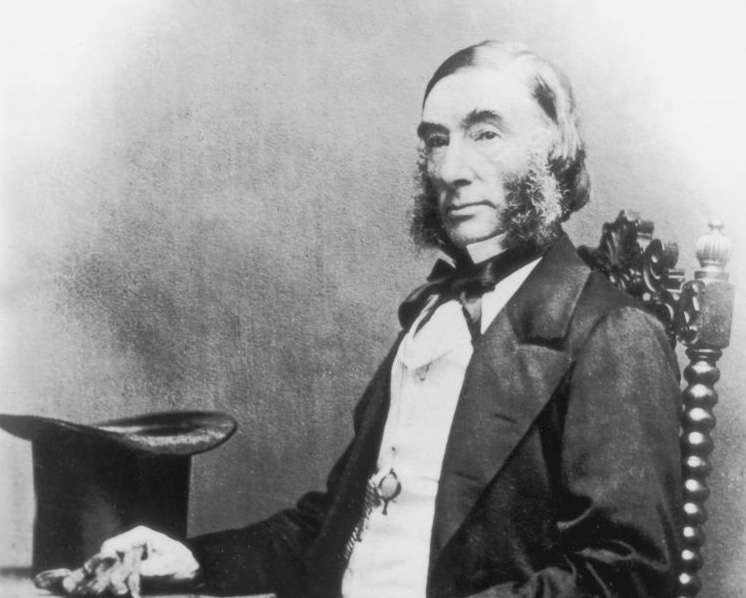
William Bentinck was such a cripplingly shy man that he built a network of tunnels and underground chambers underneath his home in Welbeck Abbey, Nottinghamshire, in an effort to avoid people. The chambers included a library, a ballroom and an observatory with a glass roof. Such was his life underground that it has been suggested Bentinck may have inspired Kenneth Grahame’s Mr Badger in Wind in the Willows.
In a further effort to avoid human contact, his staff and contractors were ordered to never so much as acknowledge him. When one worker had the audacity to doff his hat to the duke, he was immediately dismissed.
5. Squire John 'Mad Jack' Mytton (1796-1834)
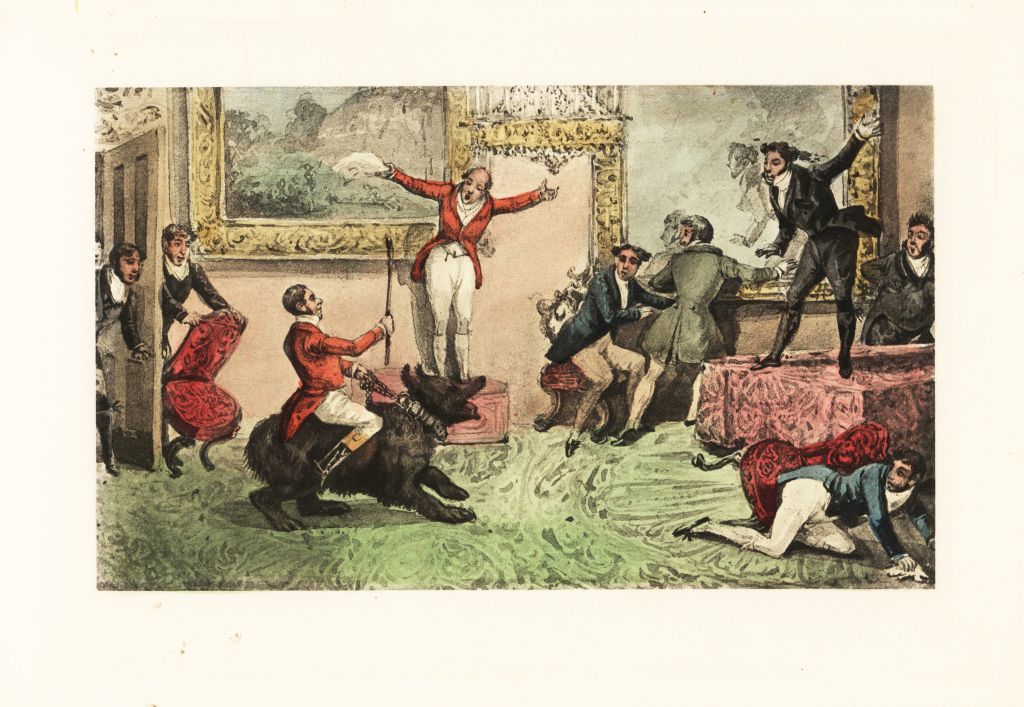
Squire John “Mad Jack” Mytton was a drinker, gambler and eccentric who squandered a considerable fortune in just 15 years. Born at Halston Hall in Shropshire to landed gentry, he inherited 132,000 acres at just two years old, following his father's death. His wild exploits were chronicled by sporting journalist Nimrod, the pen name of Charles James Apperley.
At one dinner party, Mad Jack rode a bear into the dining room, dressed in full hunting gear, and was promptly bitten on the thigh. On another occasion, he is said to have stalked ducks stark naked over the frozen lake at Halston; on yet another, he dressed up as a highwayman and terrorised two elderly acquaintances on their way home.
He drank six bottles of port a day and would often sit inside in front of the fire, curled up with his horse. "Worn out by too much foolishness, too much wretchedness and too much brandy," he finally died a pauper in 1834, having blown an annual income of more than a million pounds.
6. Hannah Snell (1723-1792)
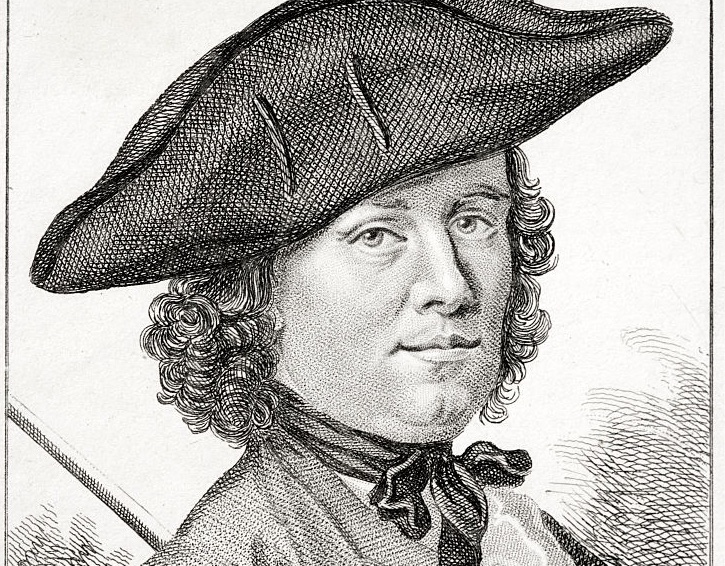
As a child, Hannah Snell was referred to as "the young Amazon Snell" and preferred playing soldier games to holding tea parties. At 23, her husband left her when she was pregnant. Penniless and destitute, Snell had to move in with her sister and brother-in-law. When her daughter Susanna died in infancy, she decided to find her estranged husband, so she travelled to Coventry, wearing her brother-in-law's clothes and using his name, where she signed up for military service. When her sergeant had her whipped for refusing to set up an encounter between him and a local woman, she left, joined the Marines and went to sea.
Her true identity as a woman was never discovered, despite being wounded in battle many times, including one instance which she was shot in the groin. When she eventually returned to Britain, she finally revealed her sex to her fellows soldiers, saying: "In a word, gentlemen, I am as much a woman as my mother ever was, and my real name is Hannah Snell."
Snell's tell-all book The Female Soldier quickly became a bestseller. She remarried twice, had two sons and retired to Wapping in East London where she kept a pub called The Widow in Masquerade.
7. Isaac Newton (1643–1727)
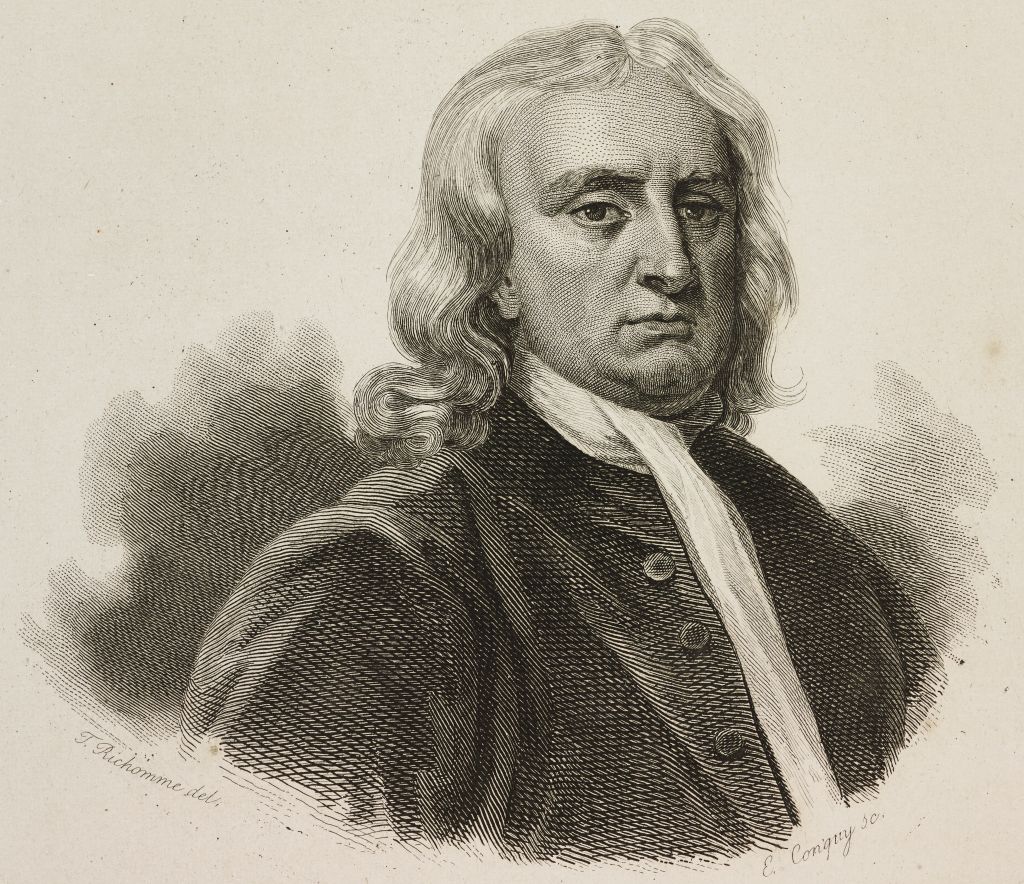
One of Britain’s greatest scientists, Newton offers a classic example of dangerous eccentricity. He famously inserted a bodkin (a large sewing needle) between his eye and the eye‑socket bone, pressing as close to the back of the eyeball as possible to study how mechanical pressure produced white, dark and coloured “circles” in his vision. This reckless experiment helped him understand retinal images and contributed to his conclusion that colour is a property of light, not of the eye itself.
Newton's willingness to risk blindness – by also staring at the Sun’s reflection in a mirror and enduring days of temporary blindness – makes him one of the most extreme and self‑harming scientific eccentrics in British history. So don't try it at home.
Looking for more oddities and unusual sightings in Britain? Check out Dave Hamilton's book Weird Guide Britain, published by Wild Things, £18.99.