

Britain has a layered history, where waves of settlers, invaders and migrants helped shape the nation we know today. Celtic tribes, Anglo-Saxons, Vikings, Normans and many later arrivals such as Caribbean and South Asian communities all left a lasting mark on Britain, influencing everything from architecture to local dialects and place names. For many of us, our surnames can be the first step towards discovering our past.
While a surname can't reveal everything about your family history, it can offer a small window into where your ancestors may have come from. The question remains, what could your surname reveal about your family legacy?
How did surnames originate?
Surnames emerged because single names stopped being enough. Between the 11th and 15th centuries, Britain's growing population meant people needed more than just a single name to identify themselves. Tax collectors, landlords and courts needed a reliable way to tell one John from another.
The solution was to add a descriptor to one's name. For example, patronymics point to a person's father (Johnson, Williams), while locational names refer to someone's living area (Preston), landscapes (Hill) or nearby landmarks. Occupational names refer to someone's trade (Butcher, Fletcher) and nicknames may describe someone's stature (Short, Wise, Armstrong).
Later, French settlers from the Norman Conquest introduced surnames with French roots, including names such as Beaumont and Montgomery. Viking influence also takes root, with surnames such as MacLeod and MacDonald associated with Scotland's Norse-Gaelic heritage. In Scotland and Ireland, surnames showcase one's connection to clans, ancestry and regional identity.
What do common British surnames reveal?
While surnames can't definitively tell you where your ancestors came from, many offer clues into your family history and how surnames are intertwined with Britain's rich history. Here is a selection of common surnames from the Oxford Dictionary of Family Names in Britain and Ireland, Encyclopaedia Britannica and Clan Donald heritage that show just a snapshot of Britain's rich history.
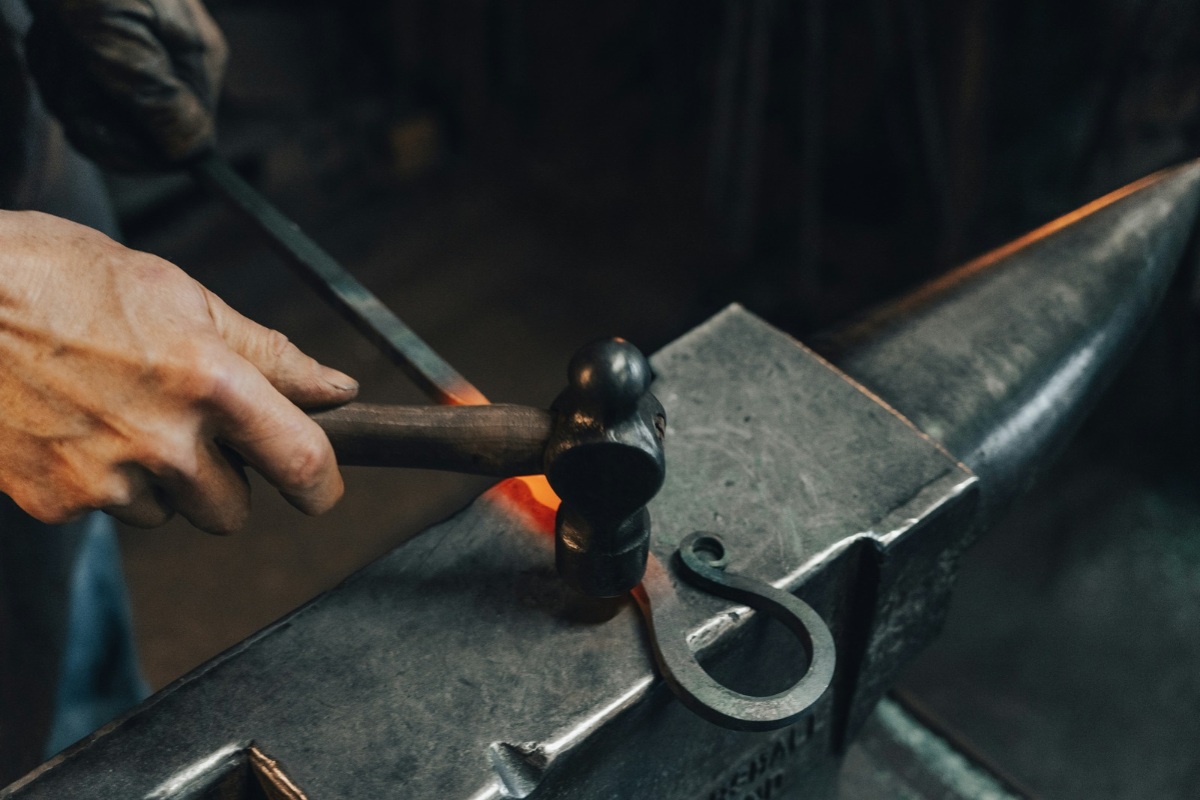
Smith: One of Britain's most common surnames, originating as an occupational name for a blacksmith or metalworker.
Johnson: A patronymic surname meaning 'son of John', reflecting a common medieval naming tradition.
Wood: Often a locational surname, given to someone who worked or lived near woodland.
Fletcher: An occupational surname for an arrowmaker, an important trade in medieval Britain.
Stewart: Originally an occupational name for a steward or estate manager, it later became associated with Scotland's royal House of Stewart.
MacDonald: A patronymic surname meaning 'son of Donald'. It's also associated with Clan Donald, a powerful family with Norse-Gaelic roots in western Scotland.
Lloyd: A Welsh surname derived from the Welsh word 'llwyd', meaning 'grey'.
O'Neill: An Irish surname meaning 'descendant of Niall', reflecting Ireland's long tradition of clan and kinship-based naming.
Trelawny: A Cornish surname whose origins lie in a place name, highlighting the cultural heritage of Cornwall.
Discover the story behind your surname
From Viking settlements and Norman arrivals to Scottish clans and Welsh kingdoms, all of these generations of migration and connection have woven countless family stories across Britain's history.
A MyHeritage DNA test can help you discover where your own story sits within that web of people, places and cultures. And as Christmas is coming up, it makes for a unique gift that can spark family conversations, deeper connections and keep unfolding well beyond the festive season.

- The kit consists of a single cheek swab — no blood or spit required.
- You mail the sample over to MyHeritage's DNA lab for testing.
- You receive online results in 3 to 4 weeks.
- Currently at £19.90*, normally £79!
Take the first step in exploring your ancestry with MyHeritage
*Offer may be subject to change, please check website for full terms and conditions.

