
Buckle up, conspiracy theorists: you’re going to enjoy this. According to one myth, Queen Elizabeth I was actually a male decoy who managed to fool everyone – except perhaps a few confidantes – for six decades.
The legend goes that in 1542, as plague ravaged London, Henry VIII sent his nine-year-old daughter, Princess Elizabeth, to live in Overcourt House in Bisley, Gloucestershire. Alas, Elizabeth died there – and, understandably fearful of repercussions, her aides scoured the Cotswolds village for lookalikes. The only similar-ish red-headed child they could find was a boy, who was hurriedly disguised as the princess. Henry was hoodwinked, and the fake Elizabeth maintained the ruse over her (or his) 44-year reign.
Some three centuries later, Bisley’s vicar, Thomas Keble, declared that the coffin of a girl wearing opulent Tudor rags had emerged at Overcourt. This, Keble deduced, could only be Elizabeth. Soon established in local folklore, Keble’s hypothesis gained traction in 1910 when Dracula author Bram Stoker argued in support of the myth in his book Famous Imposters.
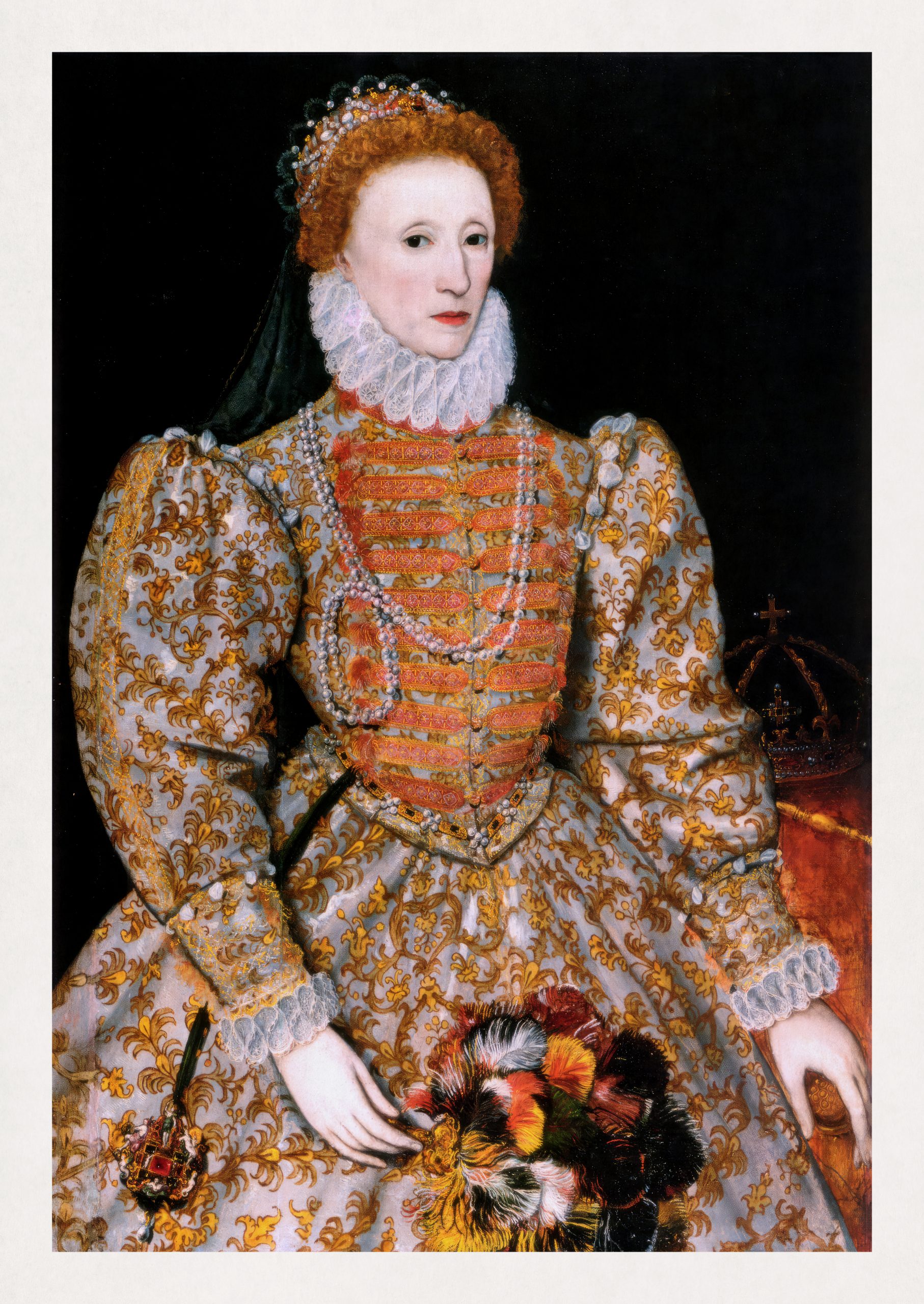
Proponents of the legend point out that the so-called ‘Virgin Queen’ never married, nor permitted examinations by unfamiliar doctors. They remind us that she was tall, had wigs galore (to disguise baldness) and favoured high necklines. They also cite persistent contemporary whispers about alleged infertility and masculine characteristics.
A sleuthing Stoker even claimed that Elizabeth’s handwriting changed between 1542 and 1543, and that Bisley’s May Day celebrations involved a male queen in Elizabethan garb. Nevertheless, the New York Times dismissed Stoker’s claims as “tommyrot” – and historians concur, mainly because there’s a total absence of physical evidence.
There’s no proof that Elizabeth was in Gloucestershire at the time of her reputed demise, and Keble’s mystery corpse conveniently disappeared. The idea that Elizabeth was able to conceal her sex at a time when monarchs enjoyed little privacy, being bathed and dressed by servants, is ludicrous. Ambassadors even bribed court laundresses to report on their mistress’s periods. “A thousand eyes see all I do,” Elizabeth once said. And, of course, Henry himself would surely have noticed had his daughter been swapped for a male substitute.
Context is key here, too. It’s easy to understand why, in those patriarchal Tudor days, Elizabeth might suppress her feminine characteristics and act like a king to maintain her authority.
The Bisley Boy tradition blossomed during the rule of another queen, Victoria, who wed young and bore nine children. By comparison, the spouseless, childless Elizabeth must have seemed perplexing.
This tall story is, then, the product of sensationalism and sexism – of an inability or unwillingness to simply accept one of the greatest British rulers for the powerful woman she truly was. Still intrigued? Visit Bisley, where Overcourt still stands, though as a private house it’s not open to the public. You can, though, enjoy exploring Bisley’s lush river valleys, honey-stone houses, pretty church and the snug, low-ceilinged Bear Inn.
Written by Richard Mellor
Related content:
