

British wine may seem like a modern success story, but the country's history with wine stretches back nearly 2,000 years. Shaped by Romans, transformed by Normans, cultivated by monasteries and later cemented by feasts and celebrations, wine has become far more than a foreign novelty.
Below we'll take you through three key areas of British wine's history and how you can experience a sip of it through Naked Wines' selection of independently produced wines.
How outsiders shaped Britain's taste for wine
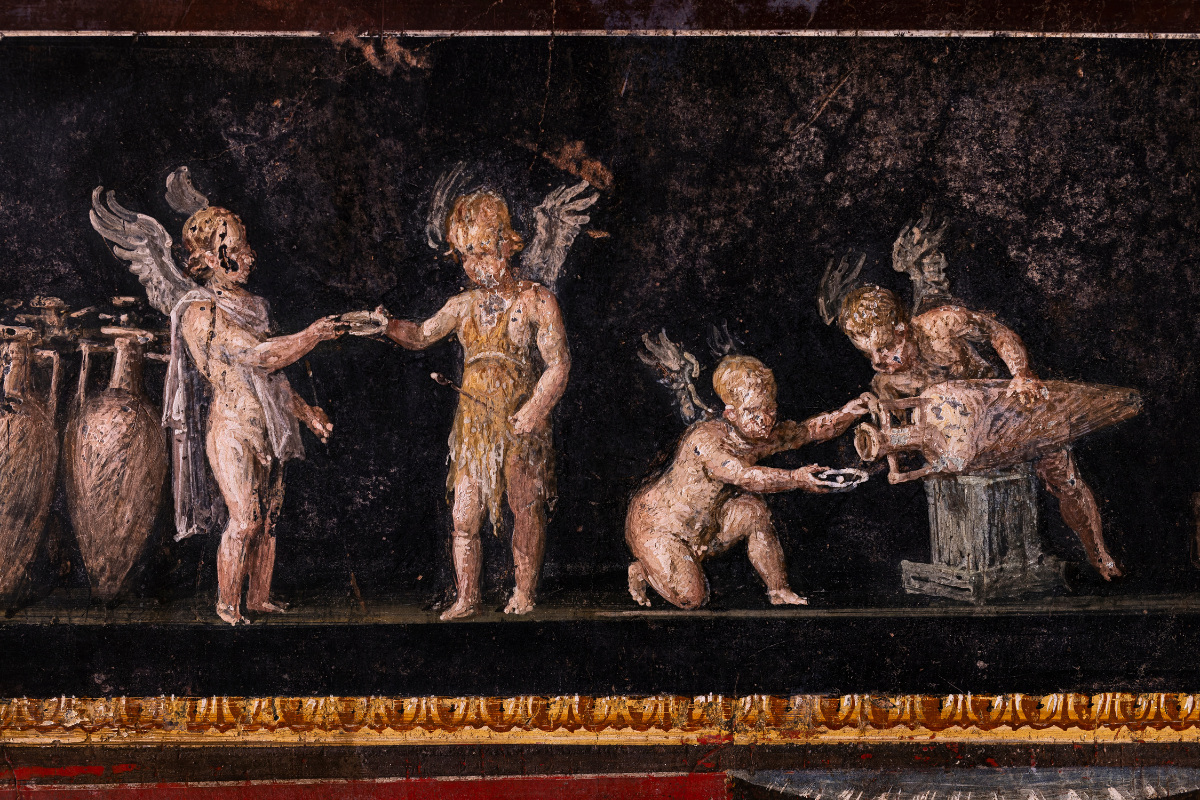
Like many things, Britain's wine story starts with the Romans. The Roman invasion in 43 AD introduced Britain to organised wine culture, which for them was a democratic necessity woven into the fabric of their daily lives (drinking wine undiluted was considered barbaric). The Romans didn't produce a great deal of their own wine, they shipped vast quantities of it from Gaul (modern-day France) and Italy, instead. There are signs of early cultivation, though, with discoveries at Brockley Hill and Northamptonshire.
Centuries later, the Norman Conquest of 1066 dramatically altered drinking culture. Where the Romans introduced it, the Normans expanded domestic production by planting vineyards on church and manor lands. Normal rulers' strong connections with France meant wine flowed into Britain on an unprecedented scale, establishing it as a drink synonymous with status, celebration and religious significance.
Henry VIII came along and dissolved the monasteries between 1536 and 1541, which was followed by the Little Ice Age that chilled Europe from the 14th to the 19th centuries. However, wine production bounced back in the mid-20th century when pioneers planted the first commercial English vineyards.
Exploring different winemaking traditions remains a big part of British wine culture. Naked Wines works with independent winemakers from around the world, helping you discover bottles you might not have found otherwise.
The surprising secret beneath England's vineyards
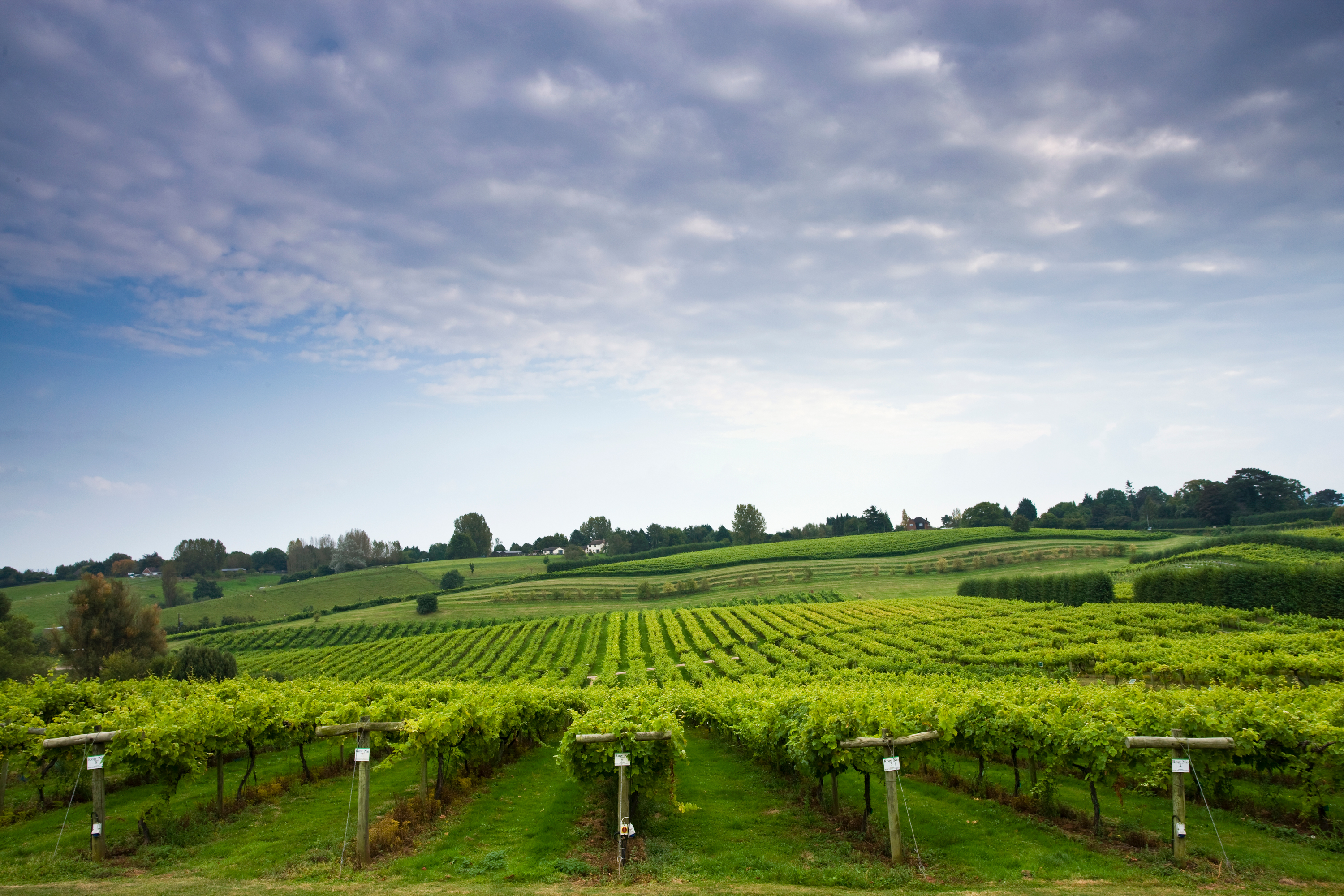
Britain's wine success owes a lot to its landscape, too. Swathes of southern England sit on the same chalk seam that runs beneath the English channel and resurfaces in France's Champagne region.
Chalk has properties that make it fantastic for wine growing. Its drainage is exceptional, forcing vine roots deep in search of moisture, and it's pale surface reflects sunlight onto the ripening grapes above.
Not all English wine is grown on chalk (some grow on clay and sandy loam), but its cool-climate wine production has very much gained international acclaim.
For enthusiasts, comparing how different landscapes influence flavour is part of the enjoyment. Naked Wines offers bottles produced by independent winemakers from a vast array of wine-growing regions, making it easier to explore different styles from home.
Feasts, faith and festive wines
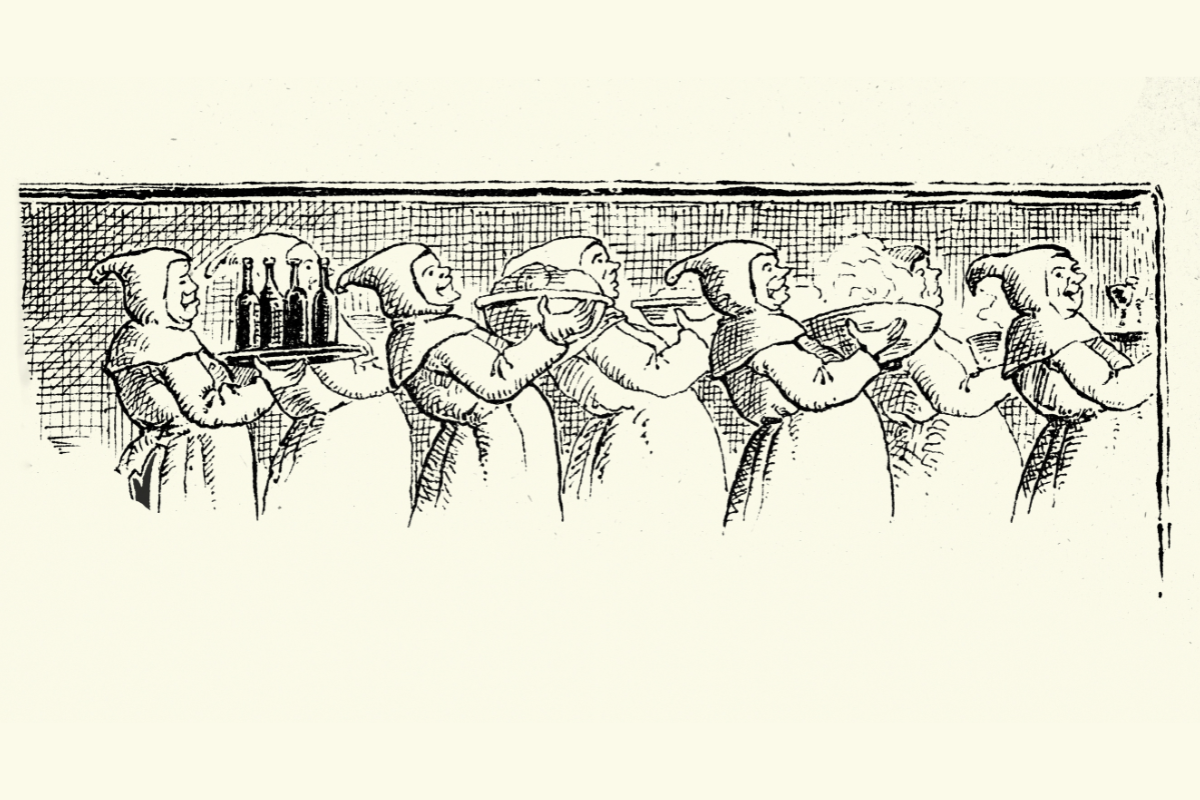
During medieval times, wealthy households often served hippocras, a sweet spice-infused wine often flavoured with ingredients such as cinnamon, ginger and cloves. Typically served at the end of a meal as a digestive, it wasn't named after ancient Greek physician Hippocrates, but an invention by him.
Wine also played a role beyond the banqueting hall. Medieval monasteries required wine for religious ceremonies and many cultivated their own. The Domesday Book of 1086 records more than 40 vineyards across England at the time, which is evidence that production was far more widespread than many people realise.
A huge part of medieval and Tudor Christmas feasts, wine was tied to drinking customs, toasts and served alongside richly spiced food. While festivities have weakened over the centuries, some traditions still stand, such as the Fête de la Véraison in the village Châteauneuf-du-Pape.
From Roman Britain to the banquet halls of the Tudors, and finally to our dining tables, wine continues to persist in British culture. And the spirit of wine discovery lives on through both England's growing wine industry and independent wine makers across the world.

