Britain’s skies and wetlands are home to some truly remarkable hunters. From stealthy spear‑billed herons to aerial pirates and high‑speed water-bombers, these birds use astounding and downright brutal techniques to capture prey and survive in the wild.
- Brutal birds of prey photos and videos that showcase the deadly power of Britain’s most formidable hunters
- They’re tiny. They’re fast. And they’re deadly - meet Britain's smallest birds of prey
Brutal British bird hunting methods
Great skua

One of Britain’s most aggressive seabirds, the great skua, is notorious for aerial piracy. It will relentlessly harass other birds until they regurgitate their catch, and if the victim doesn't, the great skua might kill it instead.
It often targets guillemots and kittiwakes, which will eventually surrender food after long and tiring fishing trips. And they'll even try to steal from powerful gannets, seizing their wingtips and forcing them to crash into the sea.
- British seabirds: how to identify and where to see
- Gannet guide: how they dive, mating, identification, and where to find them
- It's exceedingly cute and colourful, very comical and cheeky: Meet the tiny clown of the sea
Great grey shrike
Shrikes are carnivorous birds with raptor-like hooked beaks. When they hunt small vertebrates, including mammals, reptiles and other birds, they use an unusual and gruesome technique that gives them the nickname, 'butcher birds'.
They impale prey on thorns, barbed wire or other suitable spikes to hold it still so they can tear it up with their beak. They also use spikes as a place to store prey until they return to feed again later.
Grey heron

After the mute swan, the grey heron is Britain’s largest common bird. Despite its calm and serene appearance, it is a ruthless hunter, repeatedly stabbing fish, frogs and small mammals until they are motionless before swallowing them whole.
The grey heron has been filmed catching rats and even stoats, and when tackling this furry prey, they dunk it in water to soften it before swallowing head-first.
After consuming large meals, herons often retreat to fields or quiet spots to stand and digest for hours.
Osprey
The osprey hunts with explosive precision, plunging either feet- or beak-first into water from height in a dramatic 'water-bombing' attack. It can fully submerge to seize fish, then use its huge wings to lift off again.
Uniquely, its outer toe can rotate backwards, giving a vice-like grip that locks slippery prey firmly in its talons.
Not all ospreys win the battle, and there are recorded instances of weak birds not being able to release large trout and being dragged underwater by the fish whose instinct is to swim back down.
Eurasian jay
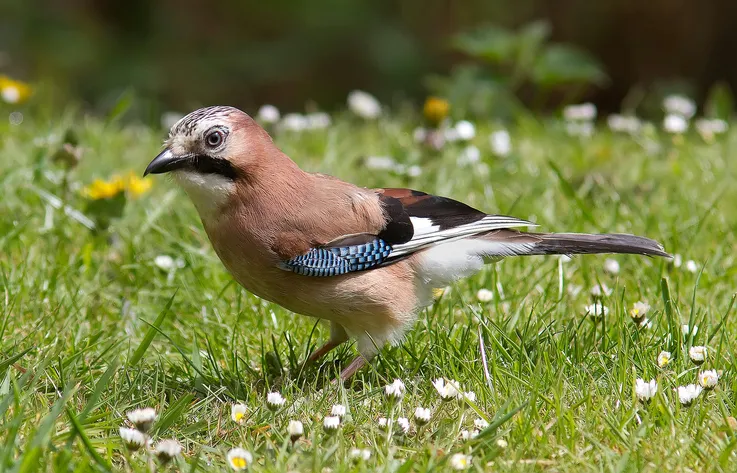
A lot of the time the Eurasian jay is happy to hop around on the ground searching for acorns and suitable hiding spots. They'll store them to ensure they have a supply during leaner times.
However, a jay is also opportunistic and will raid other birds' nests for eggs and young birds to feast on. It can distract other birds or clear areas before it steals food using clever mimicry.
Main image: Great grey shrike with a mouse on thorns. Credit: Getty Images