
The world is full of bizarre plants and wildlife, some of which can be found right here in Britain. Dodder is one of these plants, known for its spaghetti-like appearance and tendency to steal life from other plants.
A parasitic plant, Dodder is the name for Cuscuta. It isn’t a normal looking plant. It doesn’t stand upright and there are no green leaves. Instead, it looks like a tangle of thin yellow, orange or red threads.
These threads can be found wrapped tightly around other plants across the UK. This is not dodder’s attempt to make friends, it is how it survives. By attaching itself to other plants, it effectively taps into its host.
From here, it can grow around the stem of its host, developing specialised structures known as haustoria. These structures swell at contact points, allowing dodder to penetrate the host tissue to connect directly with its vascular system.
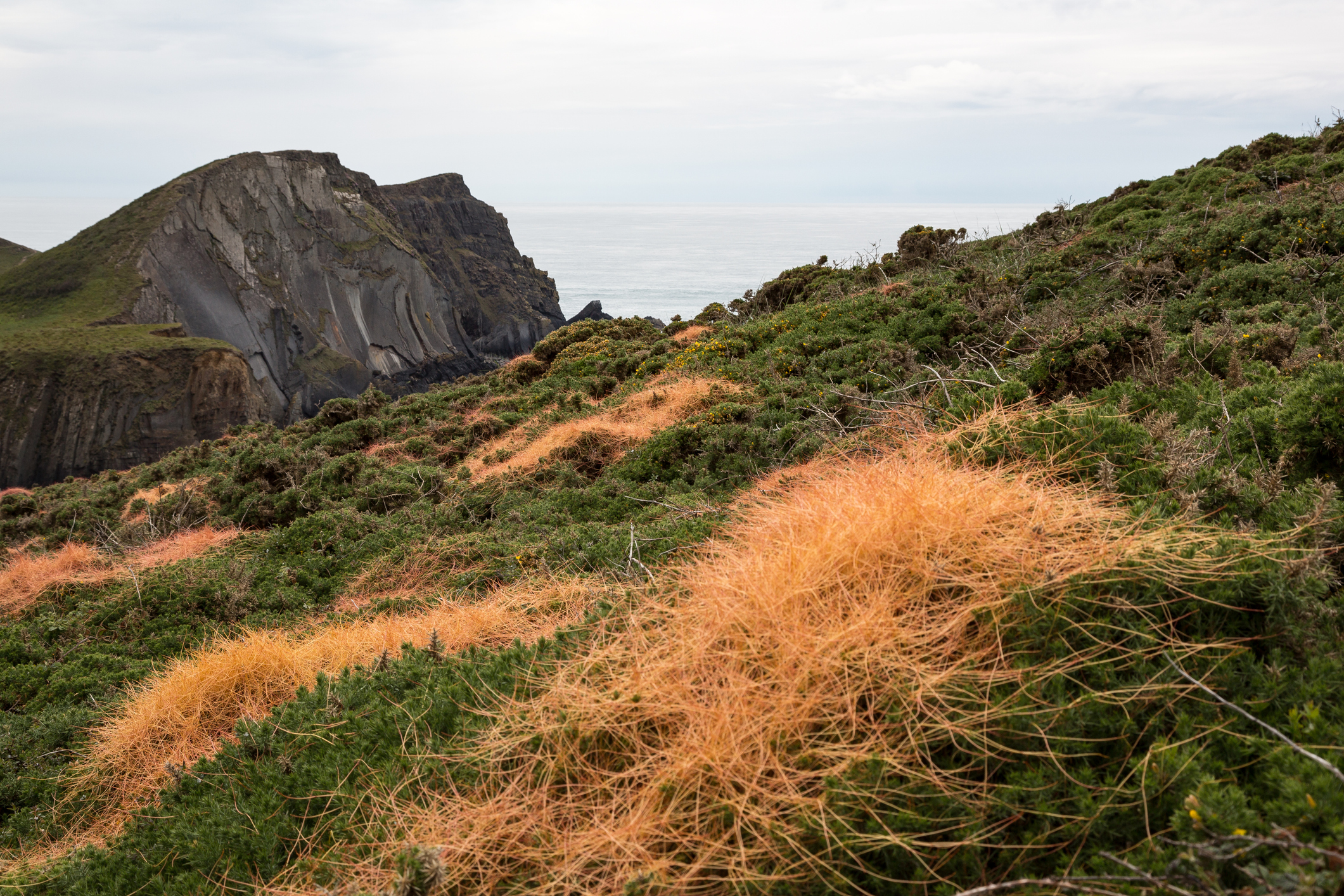
By doing this, dodder can take all of the nutrients and water that it needs. Where most plants use chlorophyll to photosynthesis, turning sunlight, water and carbon dioxide into fuel, dodder has very little chlorophyll. From an evolutionary perspective, this is why dodder is so dependent on its hosts.
Obviously, dodder doesn’t just suddenly appear on a plant, it needs to hunt down its prey. Because it lacks its own energy sources, it needs to do this quickly. A small seed germinates and produces a tiny shoot. This responds to chemical signals released by nearby plants, quickly tracking down a suitable host to latch onto.
How rare is dodder?
As a parasitic plant, dodder always requires a host. While any plant will do, it does have some preferences. You can see dodder on heather, gorse, thyme, clover or a number of other herbaceous plants.
Dodder is actually surprisingly rare there days. It is unlikely to appear in your garden, preferring heathlands and dry grasslands. It also doesn’t occur as commonly in northern England or Scotland, found far more commonly in the south of England.
Over the years, dodder has seen a remarkable decline, now being classed as a vulnerable species.
This mostly comes down to the loss of the environments it thrives in. Heathland and grasslands have been lost or fragmented over the years. Dodder also requires heather at a specific stage. As heather gets too overgrown, it becomes harder for dodder to thrive.
This trend only seems to be an issue in Britian, with dodder thriving in other regions of the world, continuing to suck the life out of plants worldwide.
