
For species to survive, their genes must be passed to the next generation through reproduction. More often than not, animals will do whatever it takes to ensure the survival of their offspring – even if that means sacrificing themselves.
For some males of the species, offering themselves up as lunch helps the mother remain strong. By removing themselves from the environment, they also reduce competition for food or resources for their future offspring.
Mating, it seems, can be a deadly business.
UK animals that die during or after sex
1. Atlantic salmon
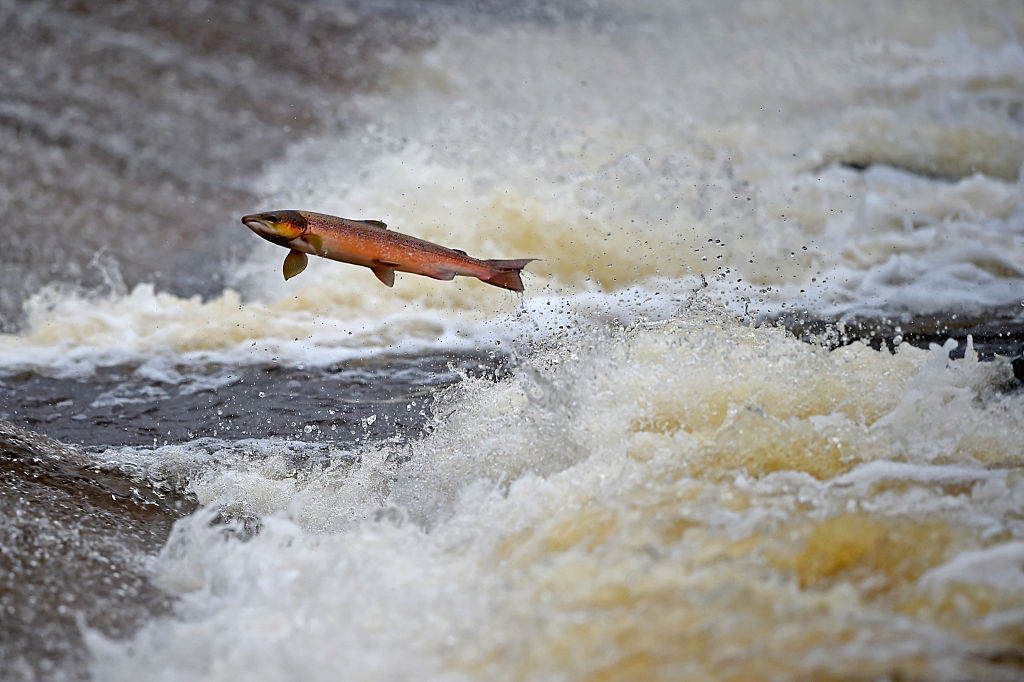
Salmon exert themselves so significantly during reproduction that they die after spawning, in a phenomenon known as semelparity. It’s not just the act of reproduction itself that plays a role though. Although Atlantic salmon spend most of their adult lives at sea, they return to spawn in the same river or stream in which they hatched. This migration can be very taxing on their bodies, with the changes in water temperature and chemistry taking a toll. Most Atlantic salmon will die after spawning, although those who survive may go on to spawn again.
2. Drone bees
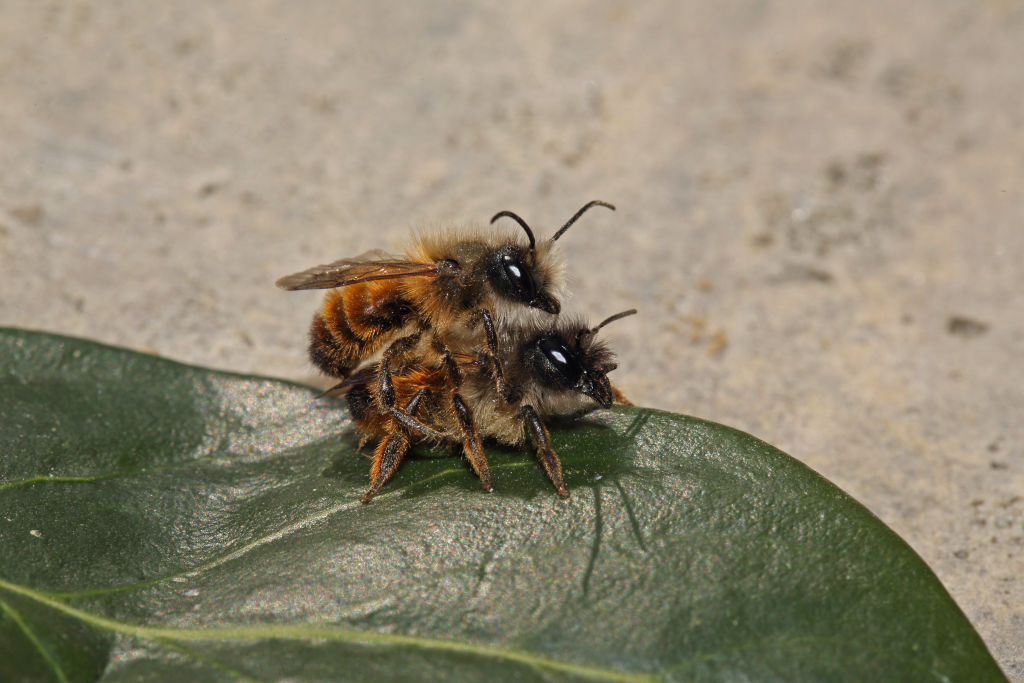
Drones are the male honeybees in a colony, whose main purpose is to mate with the queen and contribute to the reproductive cycle. With no sting and no ability to collect pollen, drone bees rely on worker bees for survival, and their only goal is the ‘nuptial flight’ towards the queen, which invariably results in their death.
The drone bee inserts his endophallus into the queen, which paralyses him. The bee ejaculates explosively. The process is so forceful, the ejaculation ruptures the drone bee’s abdomen. Part of its endophallus is left attached to the queen, which acts as a guide for the next drone bee hoping to copulate with her. It also acts as a plug, to prevent the semen from leaking out.
- 10 terrifying and gruesome insects, including one that liquifies its prey’s innards and sucks them dry
- Best plants for bees and butterflies
3. Wasp spiders
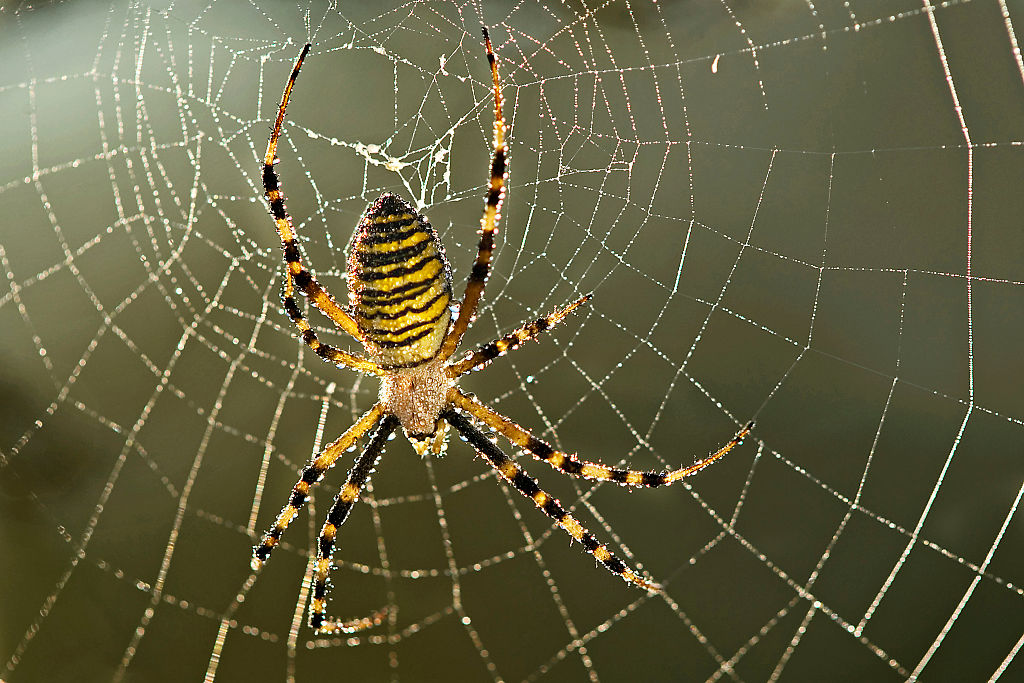
If a male wasp spider doesn’t get the job done quickly, he’ll become lunch. The male wasp spider inserts one of his pedipalps into the female’s genitals, which then breaks off, preventing further males from having a go. Once the second pedipalp has broken off, the male dies – but often, the female will have eaten him first.
Male spiders are usually much smaller than their female counterparts, which helps them sneak into female spiders’ webs, but also means they’re likely to be victims of sexual cannibalism after they’ve copulated.
- Does the UK have venomous spiders? 'Um' yes..
- Discover Britain's biggest spiders, giant arachnids with legs up to 7cm long
4. Octopus
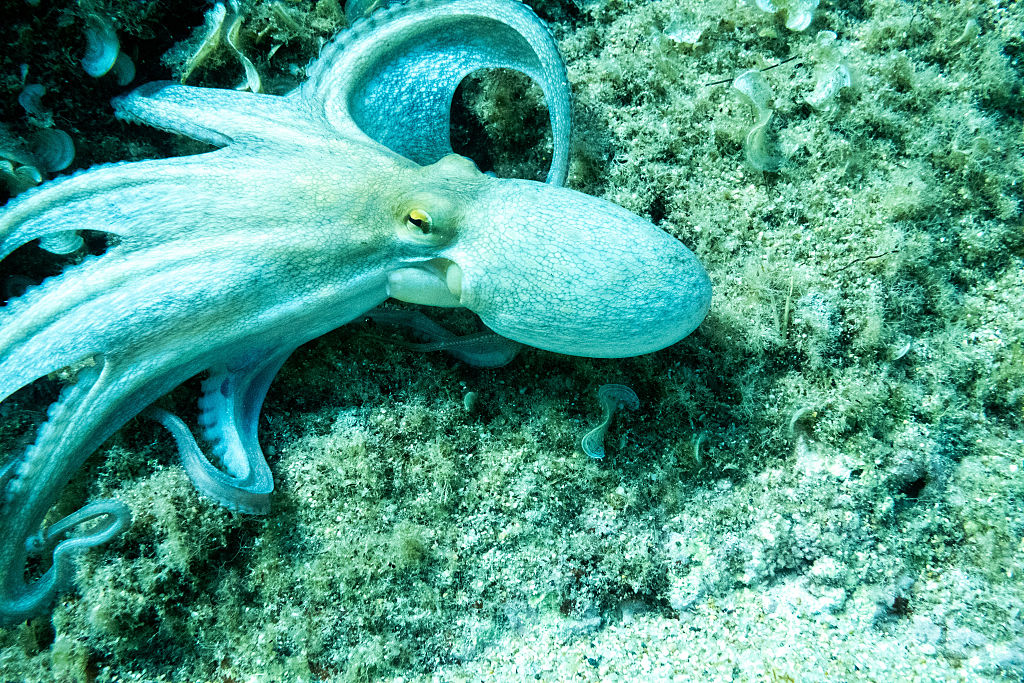
Cannibalism in octopus species is well documented, and this often occurs after a particularly frisky afternoon between male and female octopuses. But, as with several of the other species listed here, cannibalism by the larger females isn’t the only cause of death for the male octopus. Following mating, male octopuses rapidly decline in physical and mental health, with scientists hypothesising that the optic gland has some kind of ‘self-destruct’ mechanism.
Reproduction isn’t a walk in the park for the females either, though. After they lay their eggs, they will begin self-mutilating, tearing off their skin and ceasing to eat.
5. Praying mantis
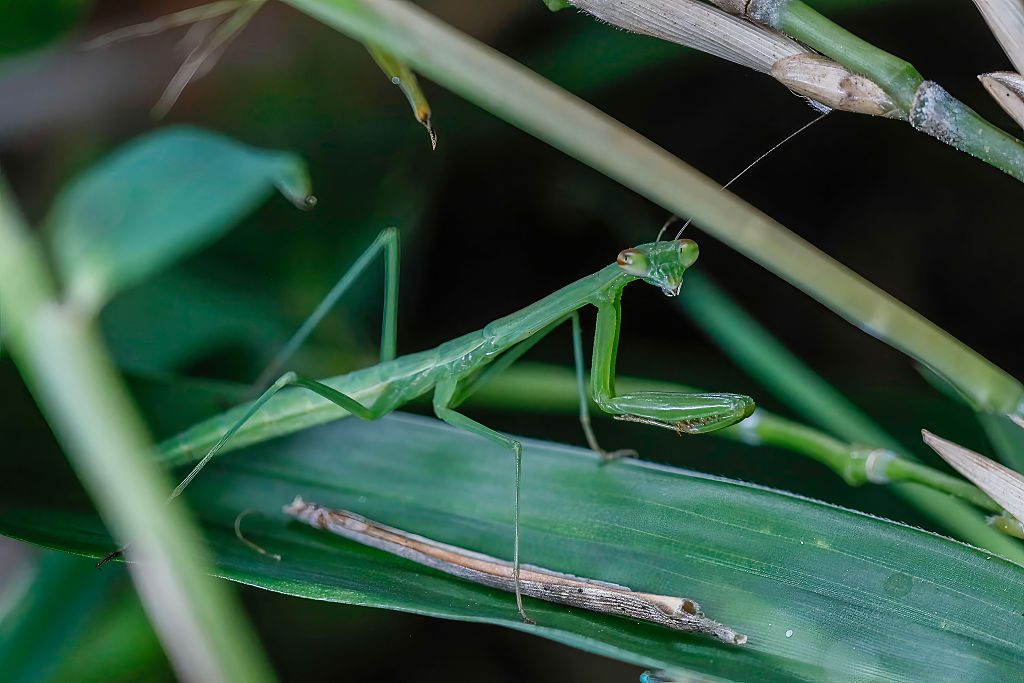
While praying mantises aren’t native to the UK, there are now established breeding populations in the Channel Islands and the Isle of Wight – and, because of rising temperatures, they are migrating northwards, with species spotted in Cornwall for the first time in 2025.
During mating season, it’s estimated that up to 63 per cent of a female praying mantis’s diet is made up of males of the same species. The female will eat the male’s head during or immediately after mating. The males aren’t deterred, however, with headless praying mantises still being known to initiate and complete sex successfully.
A decapitated male can carry on mating for several hours – and the female’s eggs will still be fertilised. A separate ‘mini brain’ in his abdomen kicks in, actually aiding his performance. The female will benefit from an increased protein intake through the consumption of his head.

