
You might find yourself skipping a meal if you’re particularly busy or feel a bit unwell. But if you put out a bowl of food for your cat and notice several hours later that it’s still untouched, should you be concerned?
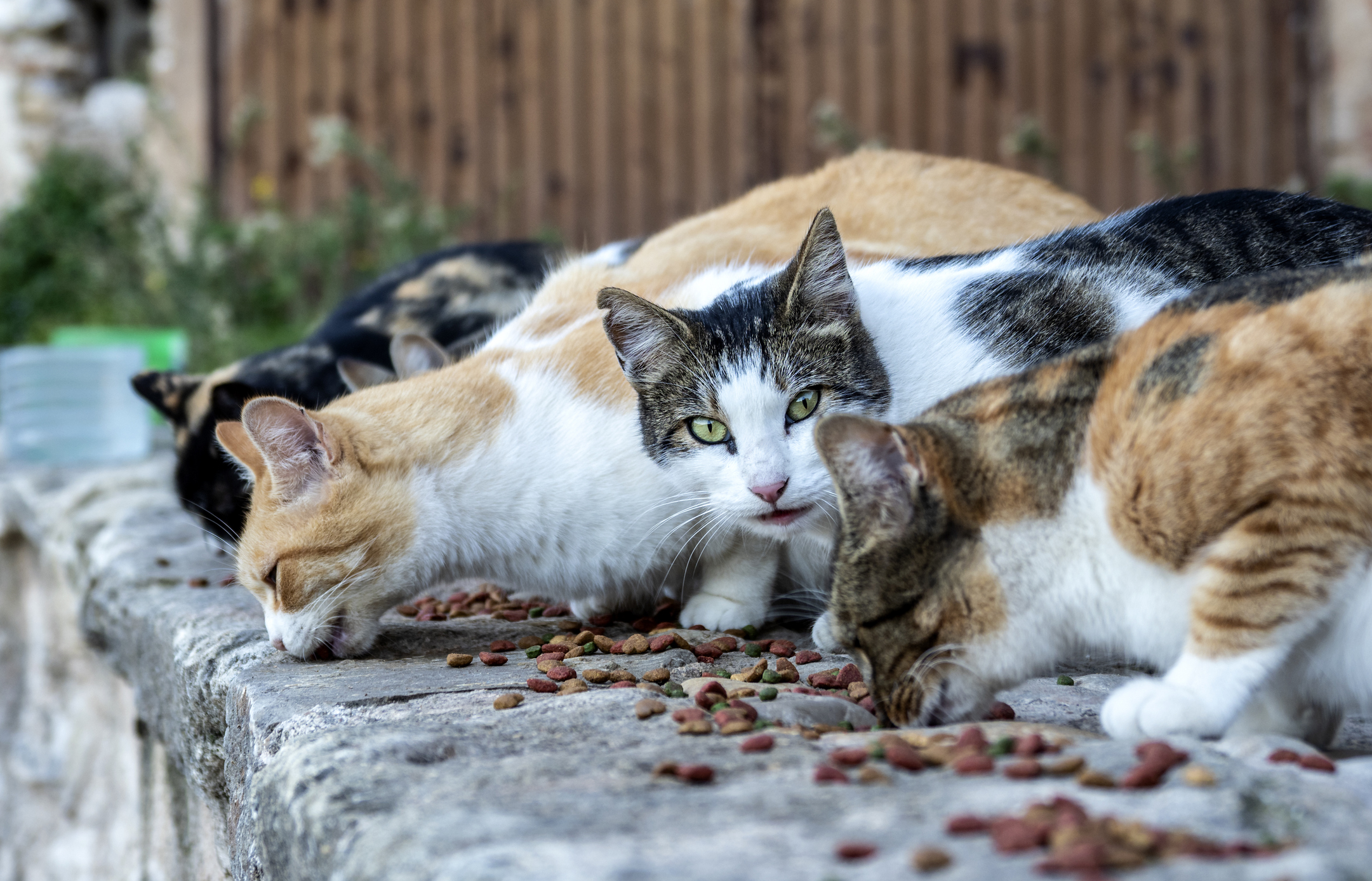
It’s not uncommon for felines to eat a bit less than we might expect – especially all in one go, says Dr Aimee Warner, veterinarian for Waggel pet insurance. “Cats are prone to being a bit fussy and they are naturally grazers, so prefer to eat little,” she notes. “Many cats will not finish a bowl of food in one sitting but come back during the day/night and graze.”
That said, it’s typically not okay if your cat skips eating altogether or has a noticeable change in their appetite levels – especially if they’re usually one to dive right in at mealtimes. Here, we reveal some key factors that can cause felines to skip a meal or two, and when to seek help from your vet.
Illness
Numerous medical concerns can cause cats to go off their food, says Dr Warner – such as nausea and digestive issues. “Cats can catch viruses, just like humans, that make them feel sick and put them off their food,” she notes.
Felines are also prone to more serious conditions, such as kidney disease and pancreatitis. In fact, up to half of cats over the age of 10 are estimated to experience chronic kidney disease. Along with symptoms such as vomiting and increased urination, “these [conditions] can cause a cat to stop eating,” shares Dr Warner.
Unfortunately, felines are known for showing very vague signs when they’re unwell, Dr Warner explains. As such, your vet may do blood tests, stool samples, or scans to help pinpoint the cause.
Dental-related pain
If you’re experiencing tooth problems, chances are you’ll want to eat less – and cats are no different. They may be “struggling to chew food or have pain,” Dr Warner says.
Studies indicate dental disease is one of the most common health issues in cats, with some breeds (such as Maine Coon and Siamese) and older felines particularly affected.
Stress
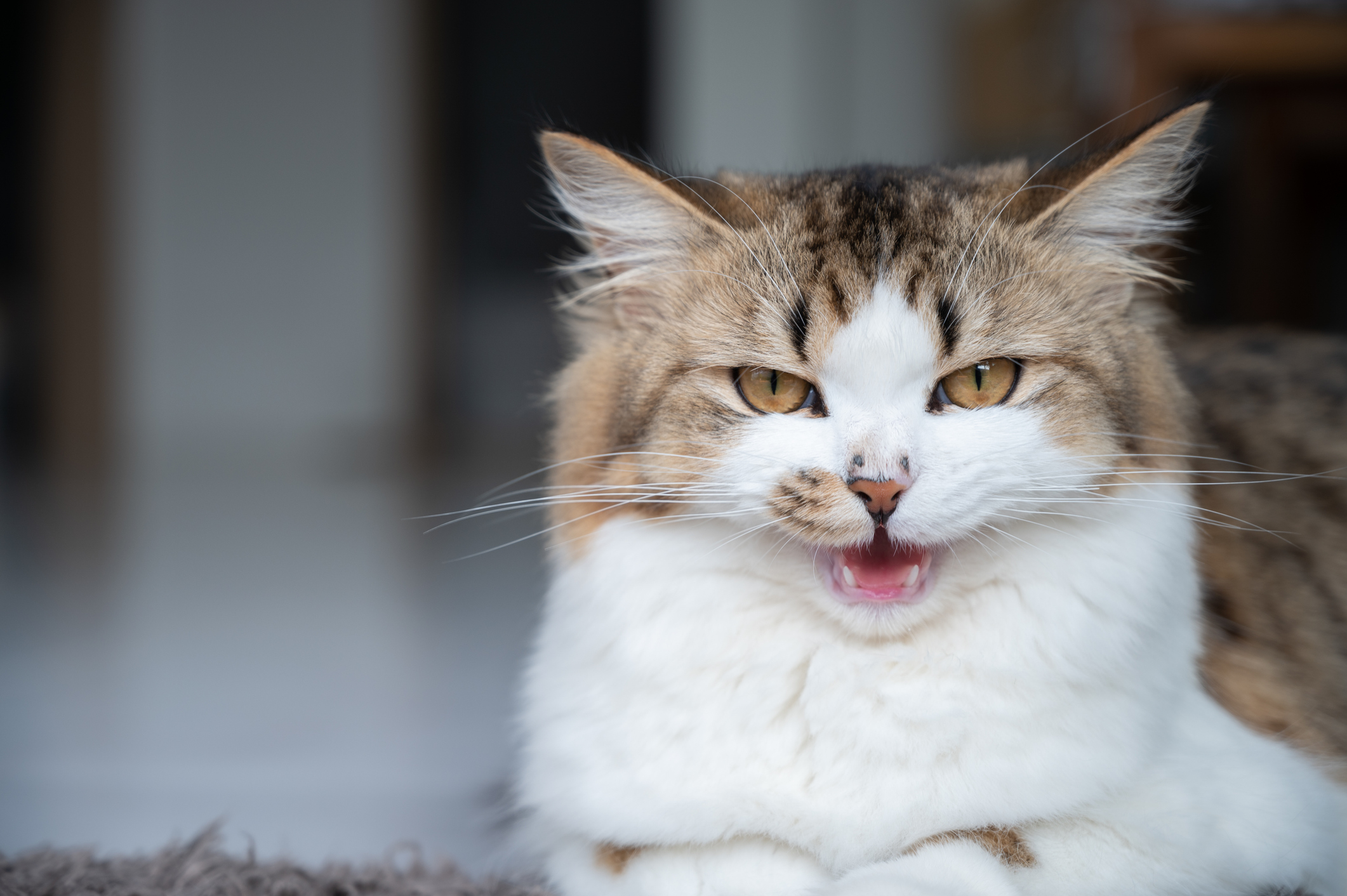
Stress or anxiety may cause your cat to go off their food. Changes to their usual environment can be highly unsettling, explains Juliette Jones, a cat behaviour and training specialist at Woodgreen Pets Charity – so perhaps you’ve noticed your feline eating less after moving house or bringing home a new pet.
However, “something as simple as moving their food bowl can be enough to put them off eating,” she adds – and the bowl’s location can be more important than you might think. “Cats may be reluctant to eat in busy areas, near noisy appliances, close to their litter tray, or somewhere they feel exposed or vulnerable,” shares Juliette.
To help get your feline’s eating back on track, she advises giving your cat a familiar and quiet place to eat, and making sure they have a ‘safe’ place to go to when feeling stressed.
Shift in mealtimes
Cats love a routine, and Juliette says changes to feeding times can affect their appetite. For example, if you’ve got a new job and get home later, your feline’s dinner time will likely change, too.
And there’s an extra consideration if you have an outdoor cat: they might skip dinner because they ate a cheeky second lunch elsewhere. “Some cats become regular visitors to neighbouring homes, particularly if there’s food on offer,” notes Juliette.
Changes to food

Are you less keen to eat a food if a brand changes the recipe and it tastes different? Guess what: your cat can be just as picky.
“Cats can develop strong preferences for particular flavours, textures, smells, and temperatures,” Juliette says. “If you’ve recently switched brands or changed from wet to dry food, for example, your cat may be reluctant to try something unfamiliar.”
Leaving your cat’s food out for a while may also be a turn-off. “Cats have a highly developed sense of smell and may reject food that has been left standing – particularly wet food that has dried out or changed in aroma,” explains Juliette.
Cat-on-cat tension
If you have more than one cat in your home, you may notice that one takes on a more dominant role – and Juliette says even subtle tension between felines can be enough to discourage eating. “Staring, blocking access, or another cat occupying the feeding area may be enough to make your cat feel uncomfortable,” she explains.
When to speak to your vet
If your cat hasn’t eaten anything for 24 hours, call your vet immediately. Juliette notes that if your cat is a kitten, elderly, or has an existing medical condition and is avoiding food, it’s especially important to speak to your vet sooner rather than later.
Dr Warner says that while your feline’s lack of eating may be due to an innocuous virus, it could indicate a more serious medical issue requiring urgent treatment. Plus, “not eating in itself can cause knock-on effects,” she explains. For example, “cats can get a serious condition called hepatic lipidosis if they don’t eat for a few days.”
Cats are very good at hiding when there’s a problem, says Juliette – so other signs to look for include:
- seeming withdrawn
- trouble eating
- appearing hungry but turning away from food
- unexpected weight loss
- being in pain
- changes to other habits, such as drinking and urinating
Ultimately, “you know your cat,” states Juliette. “If something about their behaviour doesn’t seem right, trust your instincts and speak to your vet.”
