
Picture this: you’re out walking with your dog, and the sun’s warm rays are on your bare arms. But you look down and notice your four-legged pal is chattering its teeth. There’s no way they could be feeling a chill, so what’s going on?
Teeth chattering can be common in canines – and some breeds are more prone to this behaviour. But, rather than being innate, it’s often due to “breed-specific health risks, sensitivities, or behavioural traits,” explains Dr Nicola Bryden, a veterinarian at VetMedi.
Greyhounds are one breed well-known for teeth chattering, says Dr Bryden. “[They] are famously known for chattering their teeth when they’re excited, happy, or anticipating something they love, like dinner or a walk,” she notes. “In the breed, it’s affectionately known as a ‘Greyhound purr’.”
Dogs may chatter their teeth for a number of reasons. While colder temperatures are a frequent culprit, other factors can play a role in this behaviour. Let’s take a closer look at some of the most common.
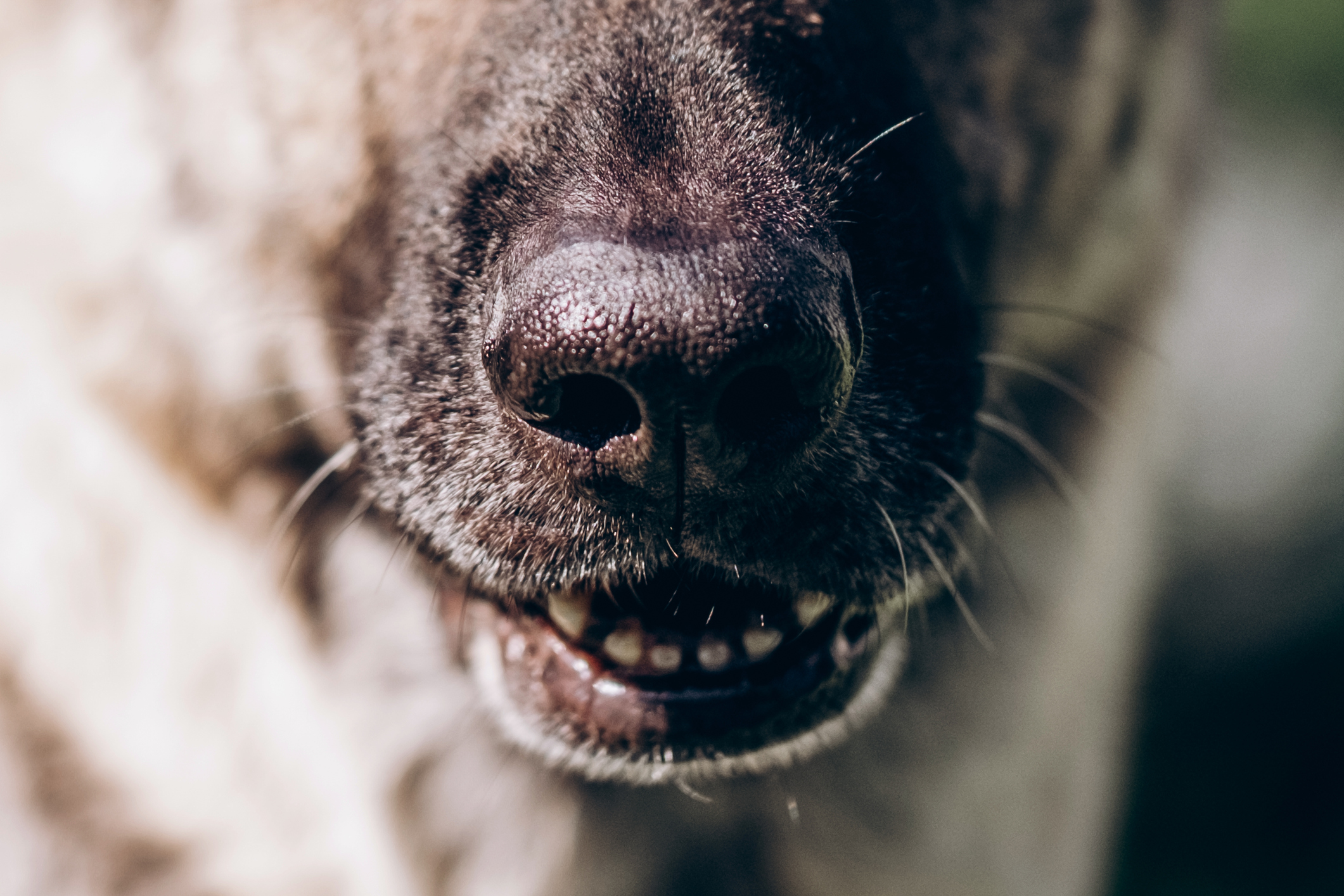
Excitement
It’s not just a furiously wagging tail or an enthusiastic series of barks that can indicate your four-legged friend is excited. In a small 2024 study, excitement was noted as the most common trigger of chattering teeth in the dogs surveyed.
But don’t expect your dog’s teeth to start chattering when you walk through the front door – they will need to be highly stimulated, says Joe Nutkins, an accredited dog trainer and canine behaviourist. For example, they may have “seen something that triggers their prey drive, such as a squirrel running across the path on a walk or a neighbour’s cat out of the window,” she adds.
Anxiety
On the other end of the spectrum, your dog’s teeth might chatter if they’re feeling nervous. “For some dogs, it can simply become a habit or part of their natural behaviour to chatter teeth when they are anxious,” shares Dr Bryden.
Nutkin says other behaviours alongside teeth chattering can indicate your dog is feeling anxious or nervous. These include:
- Ears pinned back
- Wide eyes
- Body hunched over to make them appear smaller
- Tail tucked right under
If you suspect anxiety is behind chattering teeth, Nutkins recommends working with an accredited dog behaviourist to help resolve the issue.
Scent detection
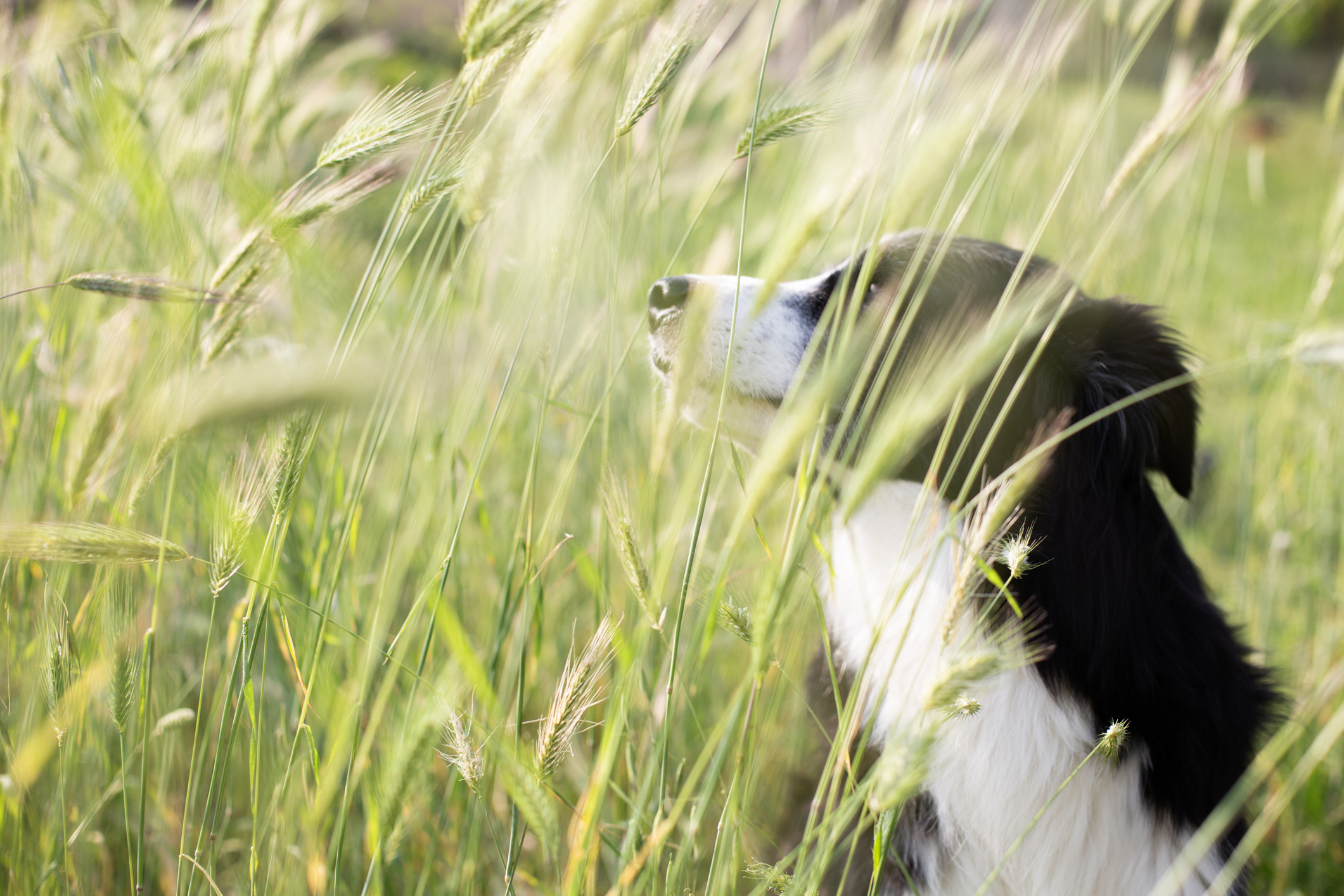
Did you know that dogs don’t only use their nose to take in and process different smells?
Canines have a vomeronasal organ (also known as Jacobson’s organ) just above the roof of the mouth, and this is involved in the ‘Flehmen response’ – which is when a dog tastes and processes a scent. Chattering their teeth helps to ‘push’ the scent up towards the vomeronasal organ.
This behaviour often occurs when a dog experiences arousal – such as “sniffing a female in season or licking another dog’s urine on the floor,” shares Nutkins. “The teeth chattering here is not only a response to being excited, but can help with taking in the scent they are keen on.”
Dental issues
Oral pain is the most frequent medical cause behind teeth chattering, says Dr Bryden.
Other signs to look for that could suggest a dental issue is present include:
- Bad breath
- Hypersalivation (excessive drooling)
- Eating on one side of the mouth
- Chewing harder foods more slowly
- Refusing meals or certain foods
If you think your dog might be experiencing dental pain, Dr Bryden recommends visiting your vet.
Jaw pain
If something is causing your dog’s jaw to feel sore, this may lead to some teeth chattering. For instance, “temporomandibular joint (TMJ) disorder is a painful condition which affects the joint connecting the lower jaw to the skull,” Dr Bryden explains. However, she adds that – like arthritis – TMJ disorder is not specific to the jaw, and can impact other joints, too.
Neurological conditions
A neurological disease linked with teeth chattering is generalised tremor syndrome, which causes all-over body tremors and twitches. This is a fairly common concern that Dr Bryden says is more often seen in smaller dog breeds, such as Maltese, Bichon Frises, and Cocker Spaniels.
Research also suggests that crossbred dogs and female canines are more likely to be impacted. While there’s no cure, medications can help manage symptoms.
Dr Bryden says rare and severe neurological conditions, such as canine multiple system degeneration, can also cause teeth chattering. This genetic disease most often “affects specific breeds like Kerry Blue Terriers and Chinese Crested Dogs,” she explains.
When to speak to your vet
While chattering teeth is often harmless among dogs, there are occasions when it’s a good idea to seek help from your vet.
For example, chattering teeth “requires veterinary attention if it happens randomly at rest or is paired with signs of pain or neurological distress,” says Dr Bryden. Accompanying symptoms to note include:
- Full-body shakes
- Sudden confusion
- Facial twitching
- Inability to focus
- Foul breath
- Excessive drooling
- Loss of appetite.
