
Beagles are one of the UK’s most recognisable and much-loved dog breeds. Friendly, curious and full of life, these small scent hounds are known for their distinctive looks, excellent noses and inquisitive personalities. But how much do you really know about this popular breed?
From where Beagles originated and their distinctive characteristics to how big they get, how long they live and how much exercise they need – here’s everything you need to know about this charming breed.
Beagle characteristics

Beagles are typically friendly, affectionate, and high-energy little dogs. They require regular exercise and like socializing with other dogs and kids. They like to howl or bark when excited or tracking, yet can be stubborn due to their hound heritage.
- Meet the otterhound, Britain's rarest dog
- Is the Border Collie the world's most intelligent dog?
- Is your dog autistic?
What type of hound is a Beagle?
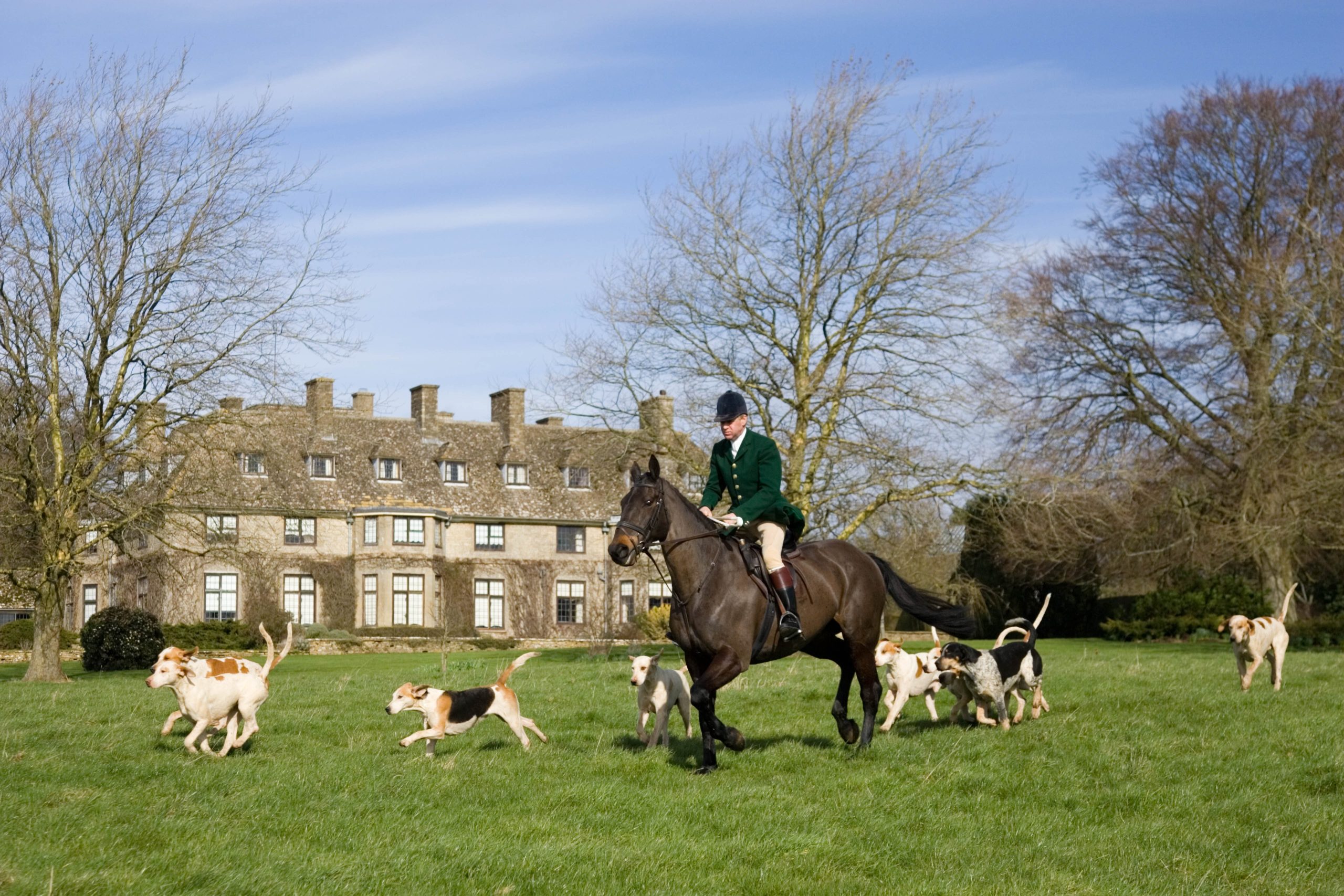
Beagles are scent hounds, which means that they were originally used for hunting, where they'd be encouraged to sniff out the trail of prey. The Bloodhound is also a scent hound, while the Whippet and Greyhound are sight hounds.
Where do Beagles come from?
Beagles were bred and raised in England as scent hounds meant to track rabbits and hares. Their origins stretch back several centuries though, with small hunting hounds appearing as early as the Middle Ages. That being said, the modern Beagle began to take shape during the 1800s when breeders refined them into the compact, determined little dogs we recognise today.
Thanks to their exceptional sense of smell and friendly nature, Beagles later became popular not only as hunting companions but also as family pets. They remain one of the world's best-known scent hounds and are still used for tracking work in some countries.
What colours are Beagles?
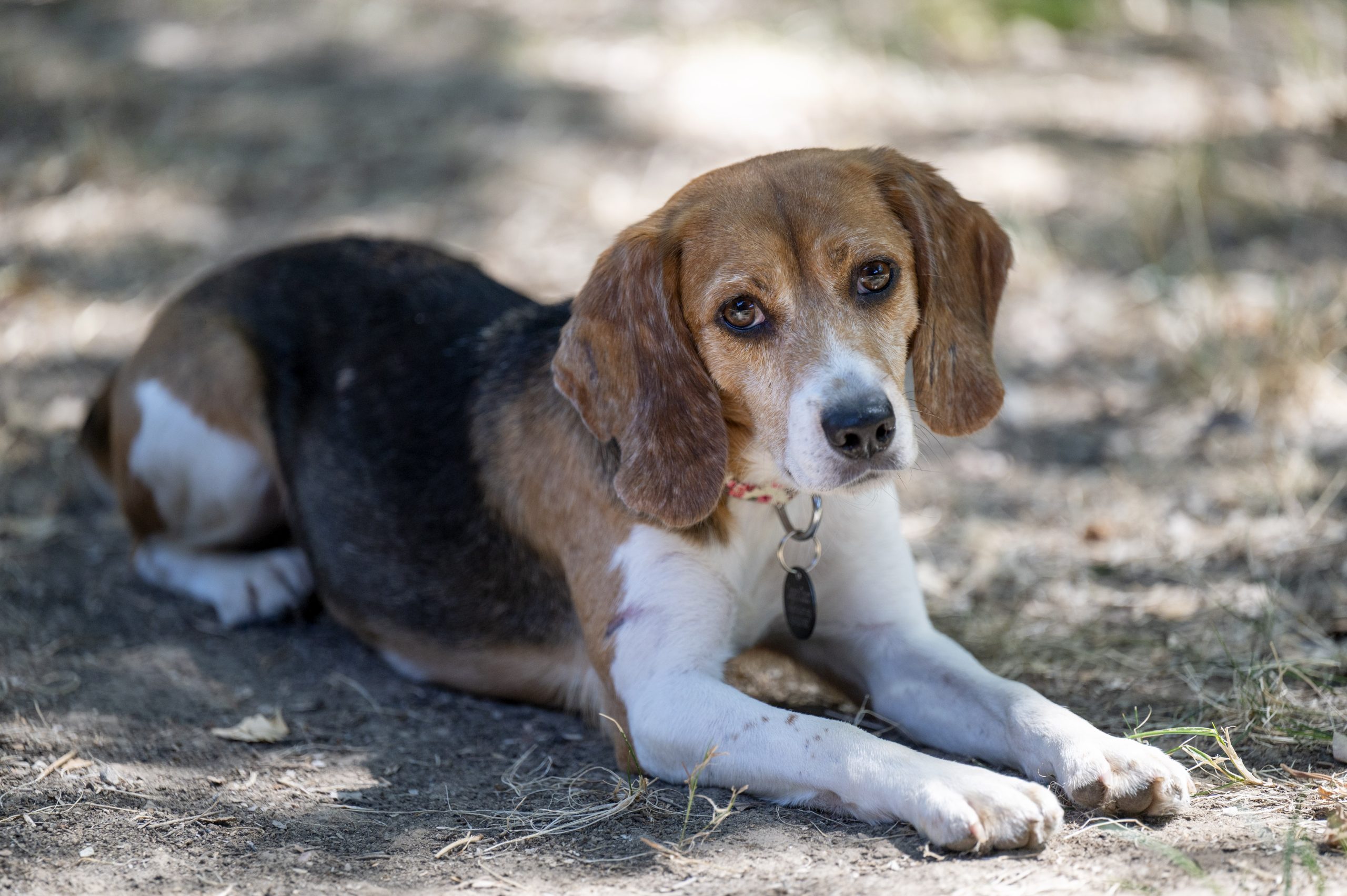
The classic Beagle coat is tricolour, featuring black, tan and white markings, but the breed comes in a variety of colour combinations. Lemon and white, red and white, tan and white, and chocolate tricolour are all recognised, while some dogs have blue, tan and white coats.
Beagles typically have a short, dense coat that's easy to care for, while offering protection from the elements.
How long do Beagles live?
Beagles generally have a lifespan of around 12 to 15 years. It's not uncommon for a Beagle to enjoy a long, active life with the right diet and care. Like all breeds, they can be prone to certain inherited health conditions, but maintaining a healthy weight and providing plenty of mental stimulation can help support their overall wellbeing as they age.
How big can Beagles get?
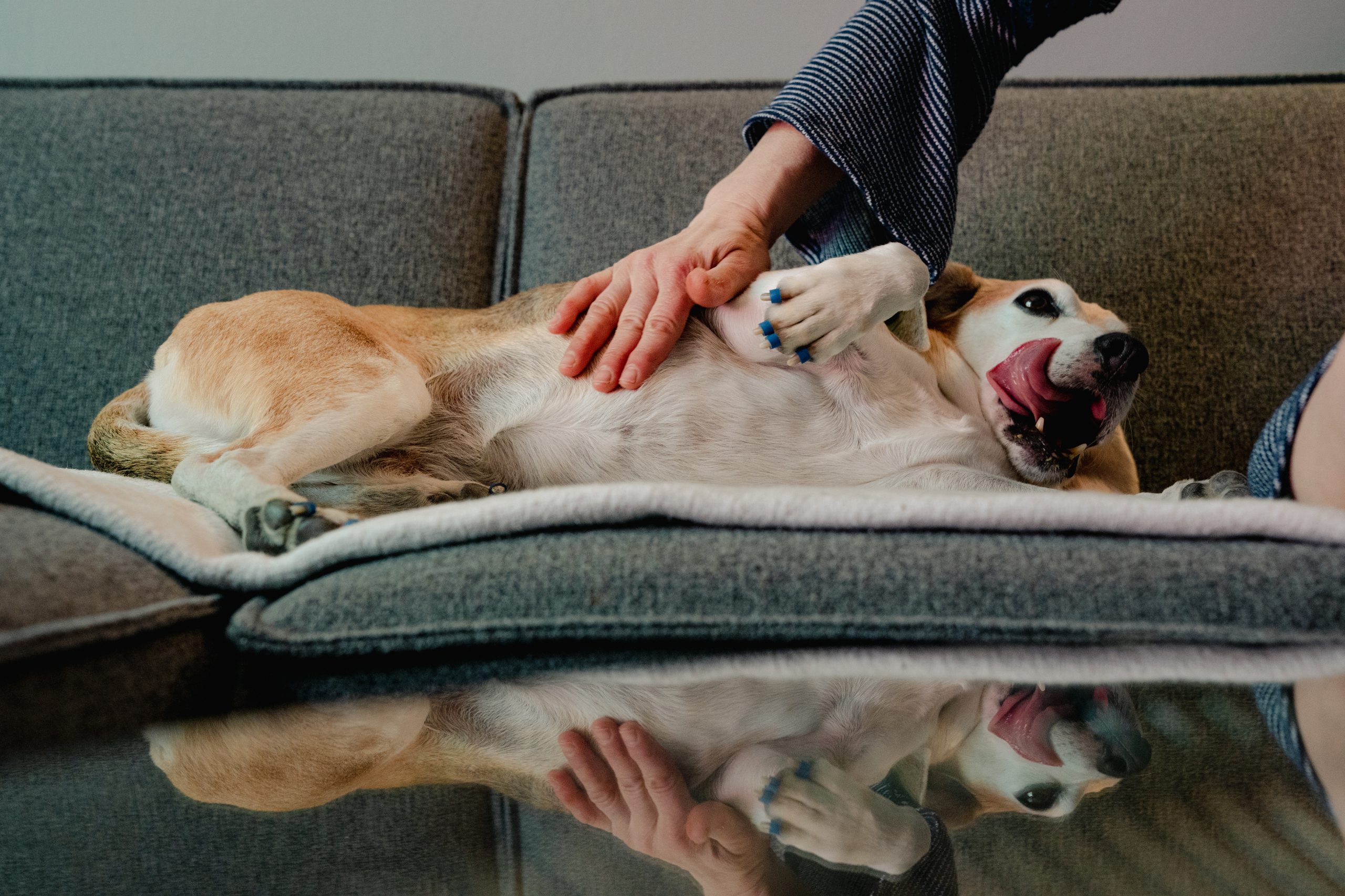
Beagles are a small to medium-sized breed, usually standing between 33 and 40cm (13-16 inches) at the shoulder. Most adults weigh around 9-14kg, though some larger pups may be slightly heavier depending on their build.
They have a sturdy, athletic frame designed for covering long distances on foot, giving them surprising stamina despite their relatively compact size.
How much exercise does a Beagle need?

Beagles are energetic, curious dogs that thrive on daily activity. Most need at least an hour of exercise every day, although many enjoy considerably more, particularly if it includes opportunities to sniff, explore and solve scent-based games.
Because they were bred to follow their noses, Beagles benefit from a mix of walks, playtime and enrichment activities. Secure outdoor spaces are important, as they're known for wandering off if they catch an interesting scent.
What's the difference between Beagles and Foxhounds?
Although they share similar colouring and both belong to the scent hound group, Beagles and Foxhounds were bred for different types of hunting. Beagles are much smaller and were developed primarily to track rabbits and hares, while Foxhounds are larger, faster and bred to pursue foxes over long distances with mounted hunts.
In terms of temperament, Beagles are generally better suited to family life thanks to their compact size and adaptability, whereas Foxhounds have higher endurance levels and typically require more space and exercise to meet their working instincts.
