
Unlike overseas holidays, domestic trips don’t require pet passports, health certificates or additional vaccinations, but there are a few things to consider before travelling. First, will the trip be suitable for your dog, or would they be happier at home with a trusted sitter and their usual routines?
Travelling can be overwhelming for some pups, so consider their personality, age, health and activity levels, as well as the type of break you’re planning. You’ll need to find pet-friendly accommodation, of course.
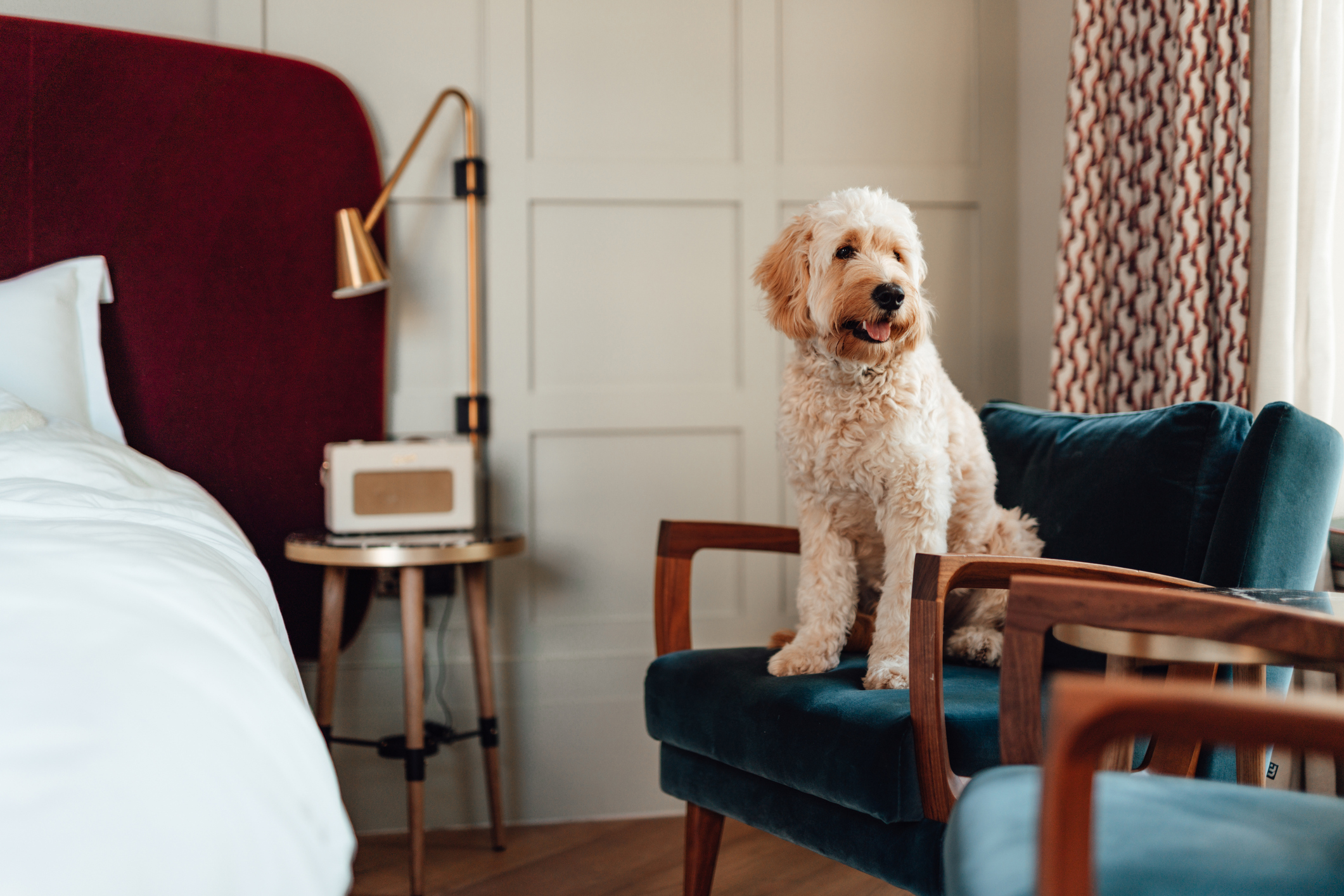
Many hotels and guesthouses welcome dogs (albeit often subject to additional cleaning fees), but ‘dog friendly’ can mean different things, so check the rules before you book. Some places have a ‘paws on the floor’ policy – does your pup stay off sofas? – whereas others specify that dogs aren’t left alone.
Check in advance which nearby restaurants, bars and attractions allow dogs. Getting to and from your destination requires planning, too, especially during warm weather. Ideally, travel at the coolest times of day and avoid rush hour. Bring plenty of water and a dog bowl, and take regular toilet breaks.
The RSPCA says it’s better for your pet to travel without a full tummy, so feed them at least two hours before setting off. In the car, dogs should be safely secured so that they can’t distract the driver. Don’t clip their restraint to their collar, don’t let them stick their head out of the window and, of course, never leave your pet alone in the car on a hot day.
Practical buffers
Not all dogs like public transport, and some – especially puppies – get motion sickness in cars, trains or buses. If you’re not sure how your dog will fare on long journeys, acclimatise them with test trips first.
Be prepared for potential disruptions: recently, a three-hour train journey with my dog turned into six hours. Keep your eyes peeled for foods that can be toxic to dogs, such as onions, garlic and chocolate.
When a family dropped a bunch of grapes on my recent train journey, I managed to spot the hazard before my little pup could snaffle one, averting an emergency vet visit. Check weather forecasts – particularly important as climate change bites.
Dogs are easily affected by heatstroke, so ensure yours has access to a cool place to sit, with shade and water. During a recent staycation, I encountered logistical challenges when an unexpected heatwave hit.
We took walkies before the sun (and pavement) got too hot, and spent most of our break enjoying the breeze in the garden. Pack the usual essentials: medication, spare towels to rub mud off paws, bed and crate, and familiar food and snacks – a sudden change of diet can upset pets’ stomachs, and you might not be able to find your usual brand of dog food.
Bring your pet’s comfort blanket or favourite toy, if they have one, to help them settle. Dogs need plenty of rest, so allow for this in your holiday routine and look out for signs of stress. If you’re well prepared, you can both have a brilliant trip.

