
Winter is the season of cosy evenings, warm blankets and curling up on the sofa with a purring cat by your side. While many cats seem to have a sixth sense for finding the warmest spot in the house, colder weather can bring a number of seasonal risks that owners may not always consider.
From freezing temperatures and antifreeze poisoning, to fireworks and arthritis flare-ups, winter presents unique challenges for our feline companions. However, according to Cats Protection, the good news is that with a few simple precautions, you can help keep your cat safe, comfortable and healthy throughout the colder months.
While some cats are perfectly happy spending winter tucked up indoors, others remain determined to patrol their territory whatever the weather. If your cat enjoys spending time outside, it's important to make sure they can easily return to warmth and safety the charity says.
Providing access to a sturdy, waterproof outdoor shelter can offer protection from wind and rain, but the best option is ensuring your cat can come back indoors whenever they want, ideally through a cat flap. During periods of heavy snow or icy weather, regularly check that the flap isn't blocked or frozen shut.
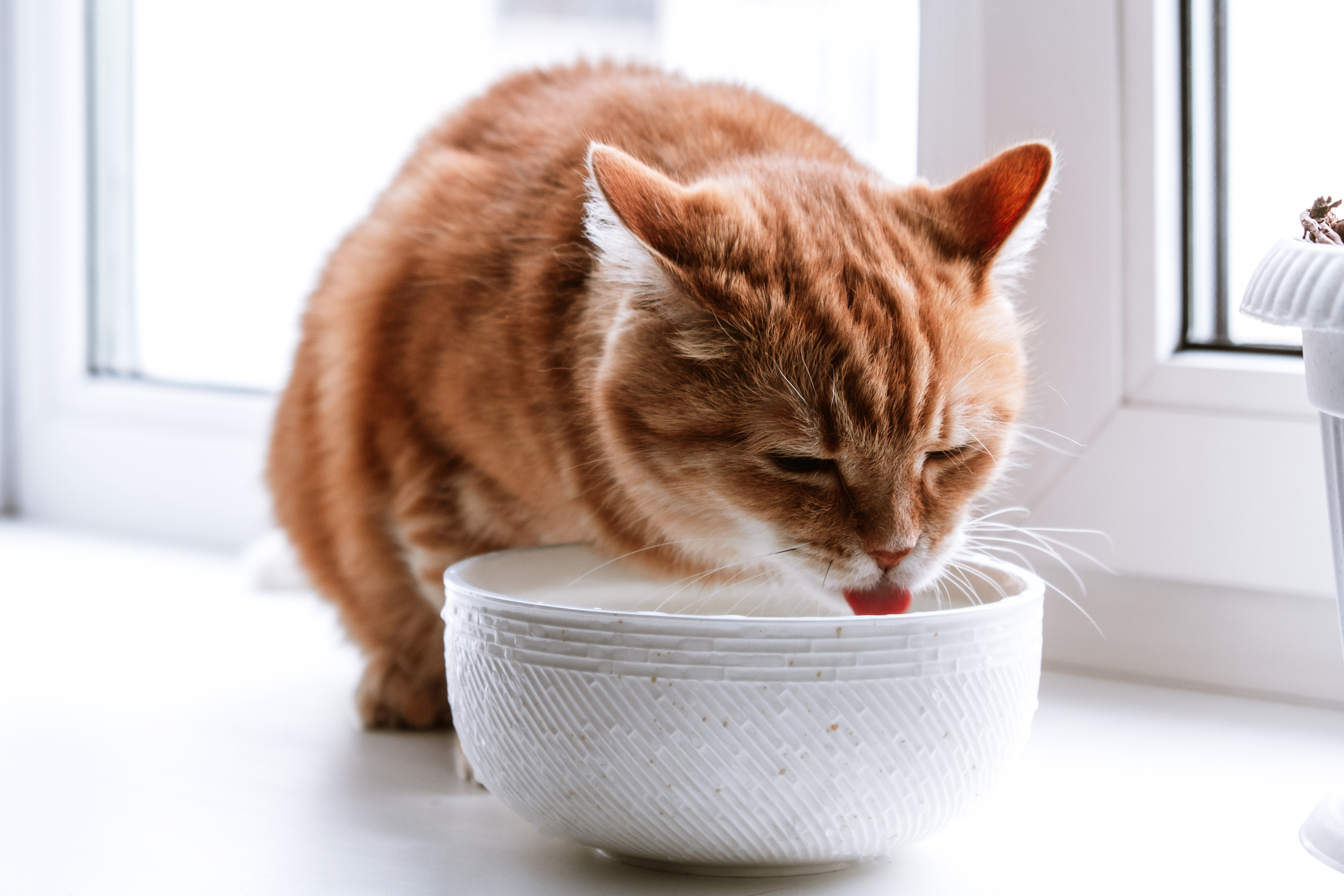
Fresh water is another essential consideration. Outdoor water sources can quickly freeze when temperatures drop, so always make sure your cat has access to clean drinking water indoors.
Owners should also get into the habit of checking sheds, garages and outbuildings regularly. Curious cats can easily become trapped inside seeking warmth or shelter. Keeping your cat microchipped and ensuring contact details remain up to date can also make all the difference if they wander off in search of a cosy hiding place.
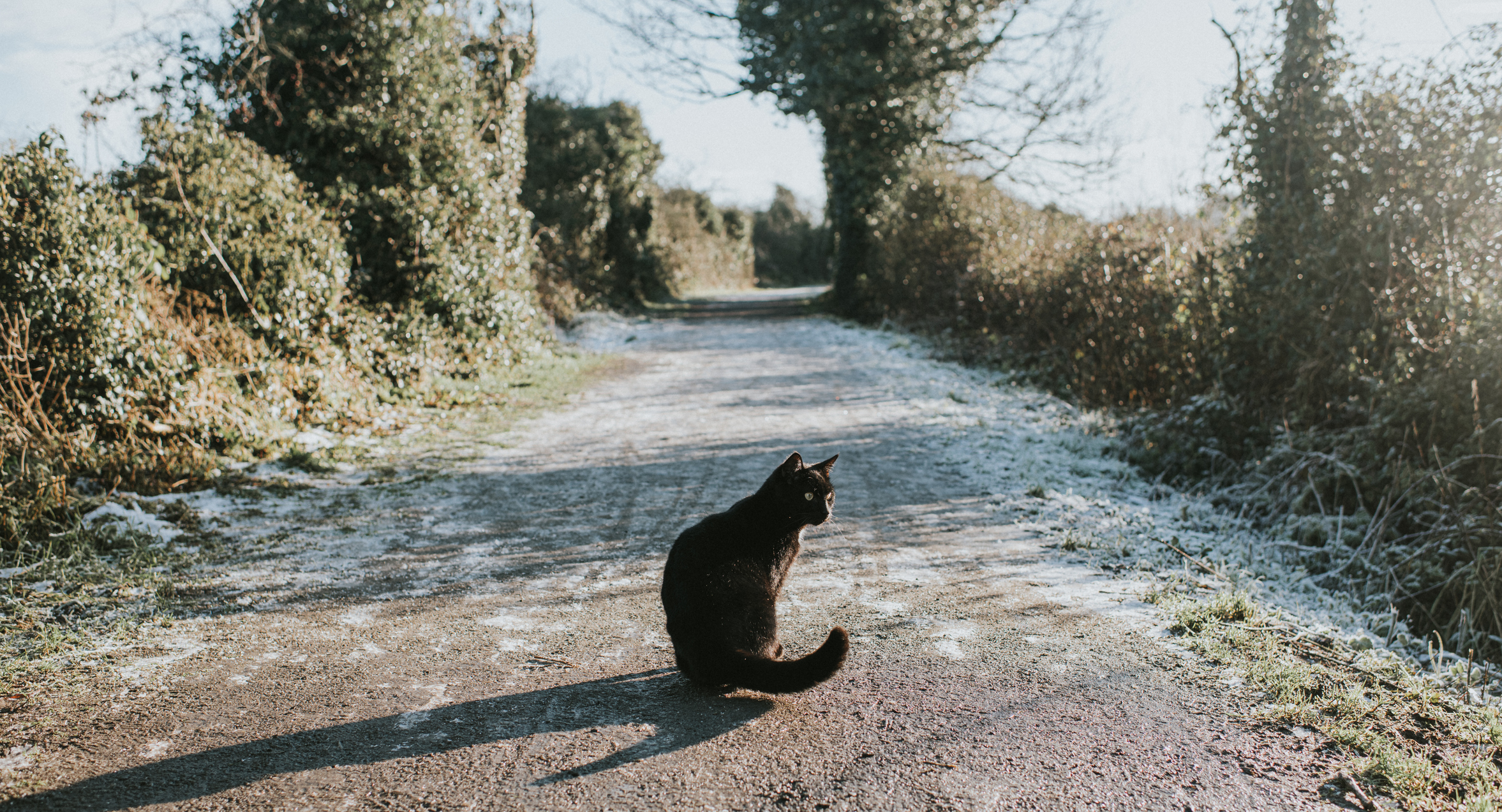
Although cats have fur coats, they are not immune to the cold. As a general guide, temperatures below around 7°C can become unsafe for many cats to spend prolonged periods outdoors. Kittens, elderly cats, unwell cats and hairless breeds are particularly vulnerable. If it feels too cold for you to spend much time outside, there's a good chance it's too cold for your cat too.
Signs your cat may be feeling the cold include shivering, curling tightly into a ball, lethargy and cold ears, paws or tail. More severe symptoms can indicate hypothermia, a potentially life-threatening condition. Warning signs include weakness, difficulty walking, slow or shallow breathing and pale gums. In extreme cases, cats may collapse, become unresponsive or develop dilated pupils.
If you suspect hypothermia, bring your cat indoors immediately, dry them thoroughly if they are wet and warm them gradually using blankets, towels or your own body heat. Avoid using hot water, heating pads or hair dryers, and seek veterinary attention as soon as possible.
One of the most serious winter hazards for cats is antifreeze poisoning. Many antifreeze products contain ethylene glycol, a highly toxic chemical that can cause fatal kidney failure if ingested. Tragically, it only takes a very small amount to cause serious harm. Cats may drink antifreeze directly because of its sweet taste, or they may simply walk through a spill and later ingest it while grooming.
To reduce the risk, choose screen wash and de-icing products that do not contain ethylene glycol whenever possible. Clean up any spills immediately, especially after working on your vehicle, and always store these products securely out of reach. If your cat has been outdoors during icy weather, check and wipe their paws and coat when they come inside. Removing road salt, grit and any potentially harmful substances can help prevent accidental poisoning.
For many cats, winter is all about finding the perfect place to snooze. Comfortable, draught-free resting areas are ideal, and some cats enjoy heated beds or beds attached to radiators. If your cat prefers to stay indoors more often in winter, consider providing a litter tray in a quiet area of the home.
The general recommendation is one litter tray per cat. Keeping trays clean with daily scooping and regular full cleans will encourage your cat to use them rather than venturing outside in poor weather.
Open fireplaces can create a cosy atmosphere for people, but they can pose risks for curious cats. Use a fireguard to prevent accidents and supervise your cat whenever a fire is lit.
Cold weather can be especially difficult for older cats living with arthritis, a common condition that causes painful inflammation in the joints. Cats are experts at hiding discomfort, so owners should watch for subtle signs. These may include spending more time sleeping, grooming less frequently, reluctance to jump or use stairs, toileting outside the litter tray or becoming more irritable when handled.
If you notice any of these changes, arrange a veterinary check-up. Although arthritis cannot be cured, there are treatments and management options that can significantly improve quality of life. Small adjustments around the home can also make a big difference. Provide well-padded beds in warm locations, keep food and water within easy reach, offer low-sided litter trays and use steps or ramps to help cats reach favourite resting places without jumping.
The colder months also bring fireworks, festive decorations and increased risks outdoors. Fireworks can be particularly frightening for pets so during displays, keep cats indoors after dark, close doors, windows and cat flaps, and provide plenty of hiding places. If your cat is especially anxious, speak to your vet or a qualified behaviourist before fireworks season begins.
Drivers should also be aware that cats may shelter beneath parked cars to benefit from the warmth of recently used engines. A quick tap on the bonnet before starting your car could prevent a devastating accident.
Finally, remember that festive decorations can be tempting to inquisitive cats. Tinsel, ribbons, lights and some seasonal plants can all present hazards, so keep potentially dangerous items out of reach and supervise curious pets around decorations.
With a little planning and awareness, winter can remain what it should be for our feline friends: a season of warmth, comfort and plenty of well-earned cat naps.
