
Temperatures are dropping and that means it is time to start closing your garden down for the winter months. However, as we shut our doors, wildlife is actively looking for both food and shelter.
One animal that will be on the hunt right now is robins. They are frequent visitors in British gardens at this time of year. As temperatures drop, and insects become less active, gardens can become key opportunities for them to find food.
Equally, despite their sweet appearance, robins are surprisingly territorial. Once they find a garden that they are comfortable in, and know there is a solid supply of food from, they will protect that area.
That nice song that you hear robins sing can often actually be a warning to other robins, marketing their presence in a certain area. They are actually especially protective at this time of year, looking to protect their land from migrating species from northern and eastern Europe as competition gets fiercer.
How to attract robins into your garden
If you want to make your garden a hotspot for a new robin friend, there are a few key steps to do this.
Firstly, they are looking for food and water. Providing a shallow water bath gives them access to drinking water and an opportunity for them to bath safely.
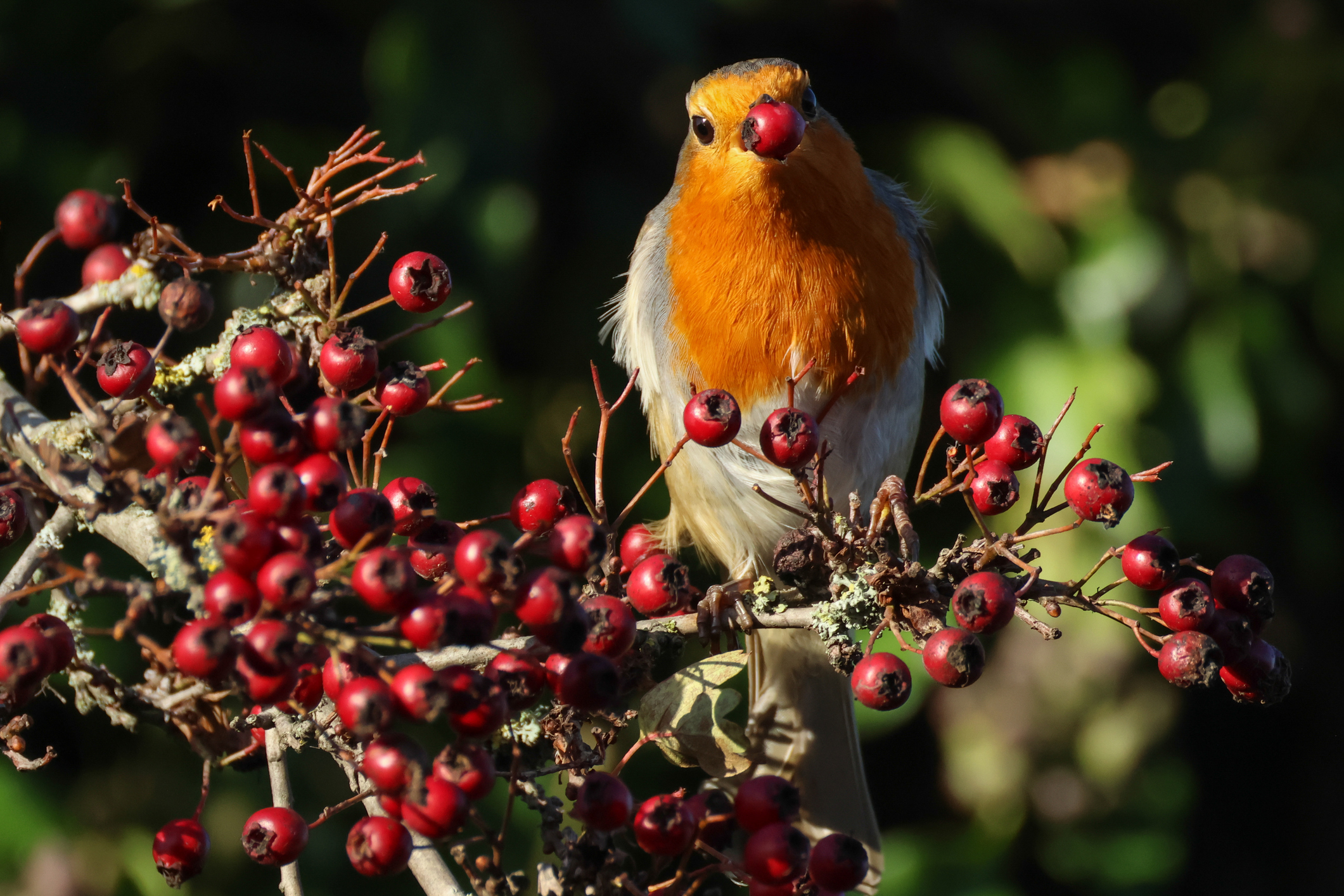
They are also big fans of mealworms. Providing a small amount in a hanging feeder designed for robins can help let them know that your garden is a reliable feeding ground for them.
With both waterbaths and bird feeders, changing and cleaning them regularly is crucial. Trichomonosis is an illness that can spread between birds with a high mortality risk. This can most often be transmitted via food and water and your garden can become a breeding ground if you’re not careful.
Robins also want to forage for their own food. If you can resist cleaning away all of the dead leaves in your garden, they will make the perfect shelter for insects, spiders and woodlice. This creates a natural food ecosystem for birds.
Equally, a large pile of logs and twigs will provide somewhere that robins can utilise for shelter. The same goes for plant native shrubs. A large mixture of plants and bushes gives birds more nesting opportunities.
Finally, robins like to know a territory is safe. Let them follow you around and get to know you and, where possible, keep dogs and cats away from robin-prone parts of your garden such as near bird feeders.
