While we lament the introduced plants and animals that outcompete our native wildlife, such as grey squirrels, signal crayfish and mink, British travellers have taken many species around the world, with often disastrous consequences.
1. Red fox
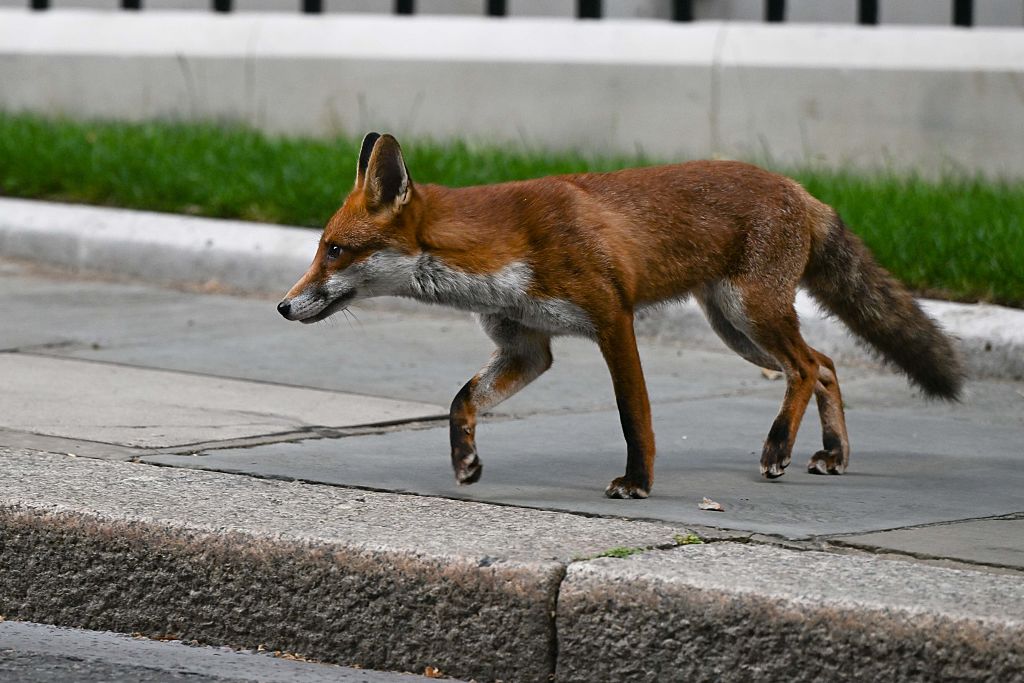
Widespread across much of the northern hemisphere, this adaptable predator was brought to Australia in the 19th century by settlers keen to enjoy the British pastime of fox hunting. Though it failed to become established in Tasmania, fox numbers exploded on the mainland, with alarming consequences. Now numbering around 1.7 million in Australia, foxes kill hundreds of millions of native animals each year, contributing to the extinction of species such as the desert rat-kangaroo.
2. Mute Swan
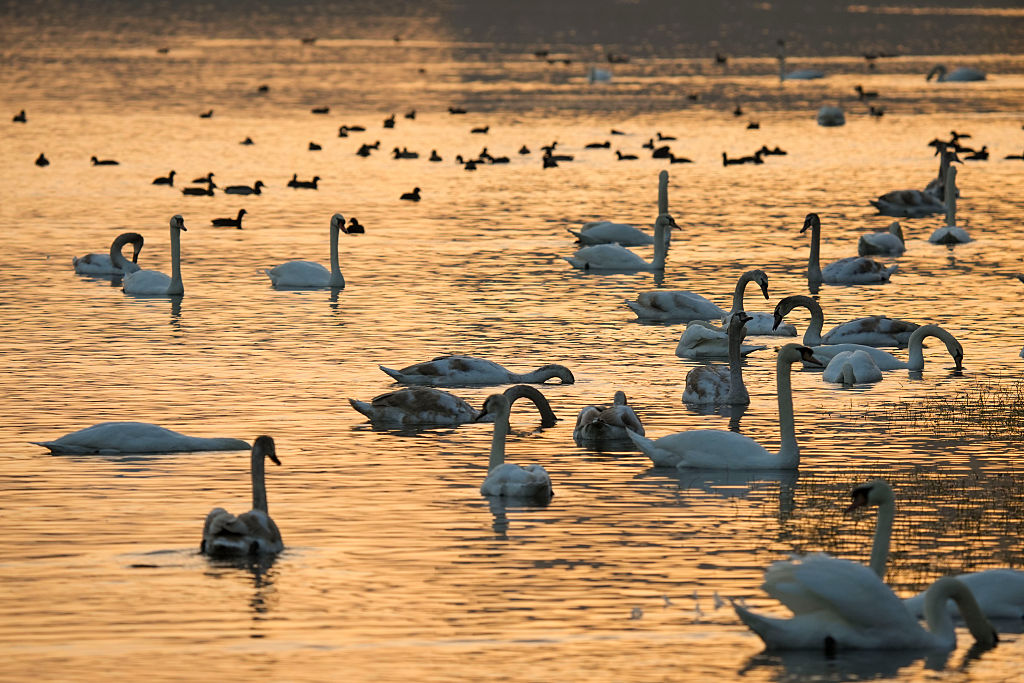
Small populations of mute swan are found in Australia, New Zealand, Japan and South Africa, but it is in North America where they have had the biggest impact. Introduced in the mid-19th century as ornamental birds, they are now considered invasive, outcompeting native wildfowl, destroying native plants and spreading disease.
3. European Rabbit
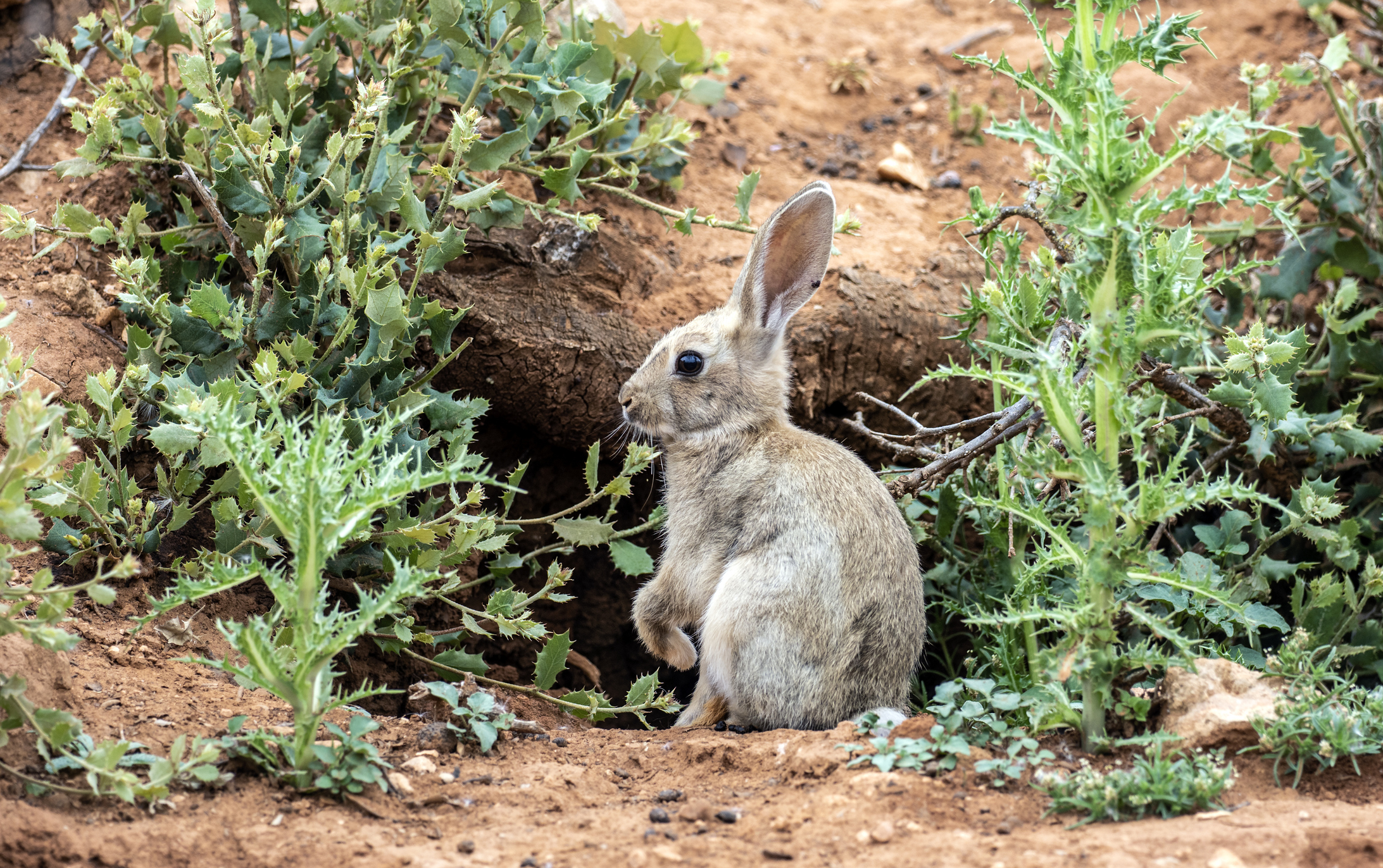
Brought to Britain by the Romans in the first century CE then reintroduced by the Normans, the rabbit became established and widespread here – and colonists aimed to repeat that trick across the expanding British Empire.
Rabbits were carried to Australia with the First Fleet in 1788, but it was the introduction of 24 animals to Victoria in 1859 for sport hunting that seeded a ‘rabbit plague’. Within 50 years, the species had spread across two-thirds of the country, damaging crops and native flora. Efforts to curb the feral population included the introduction of the myxoma and rabbit haemorrhagic disease viruses.
4. Brown Trout
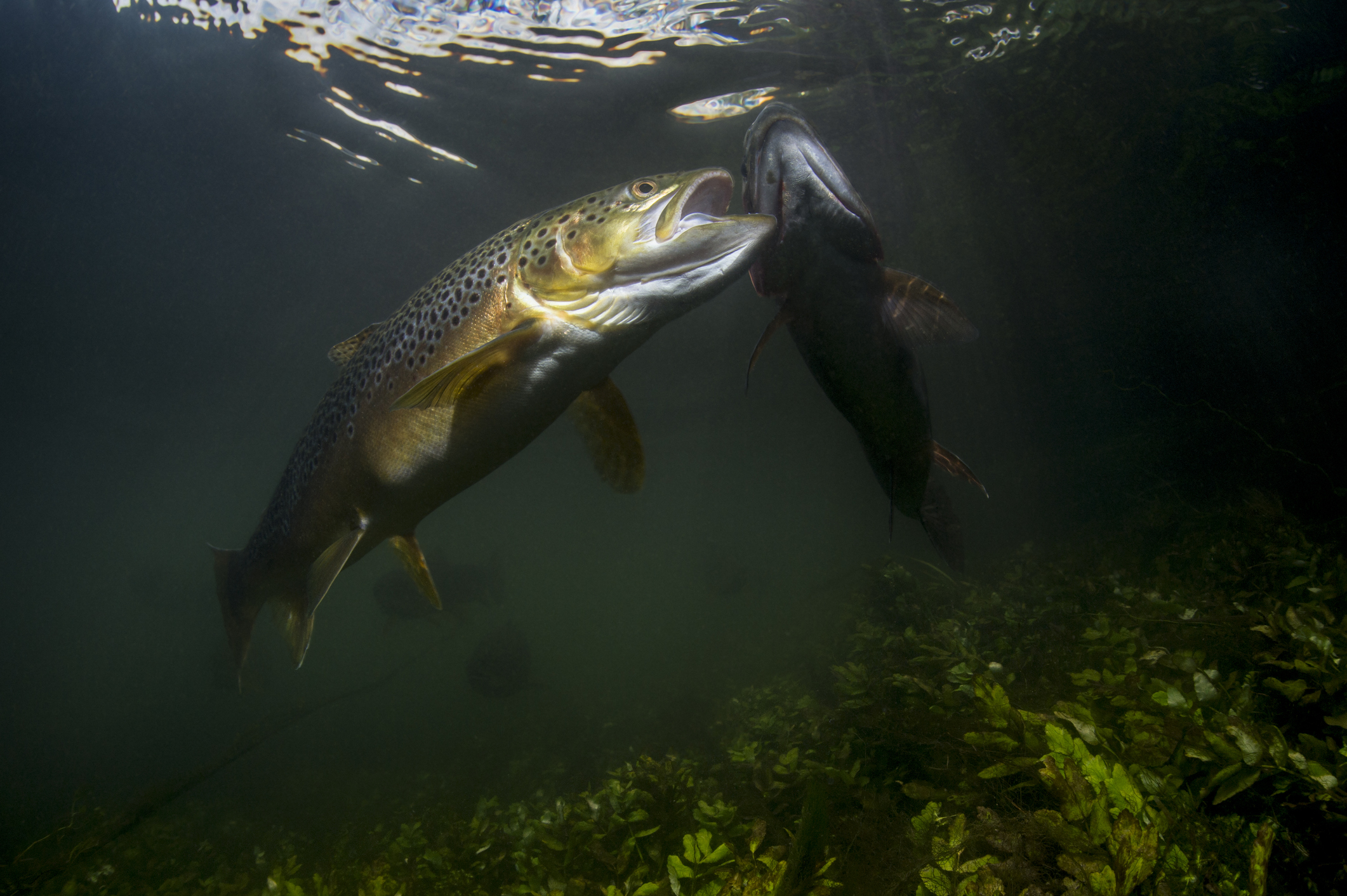
Such was the popularity of brown trout in Britain in the 19th century, for both eating and recreational fishing, they were introduced wherever the habitat seemed suitable. Trout eggs were taken to Melbourne, Australia, in 1864 and to New York in 1885, as well as South America, Africa, Asia and New Zealand, where it outcompetes native fish and profoundly impacts freshwater ecosystems.
5. Stoat
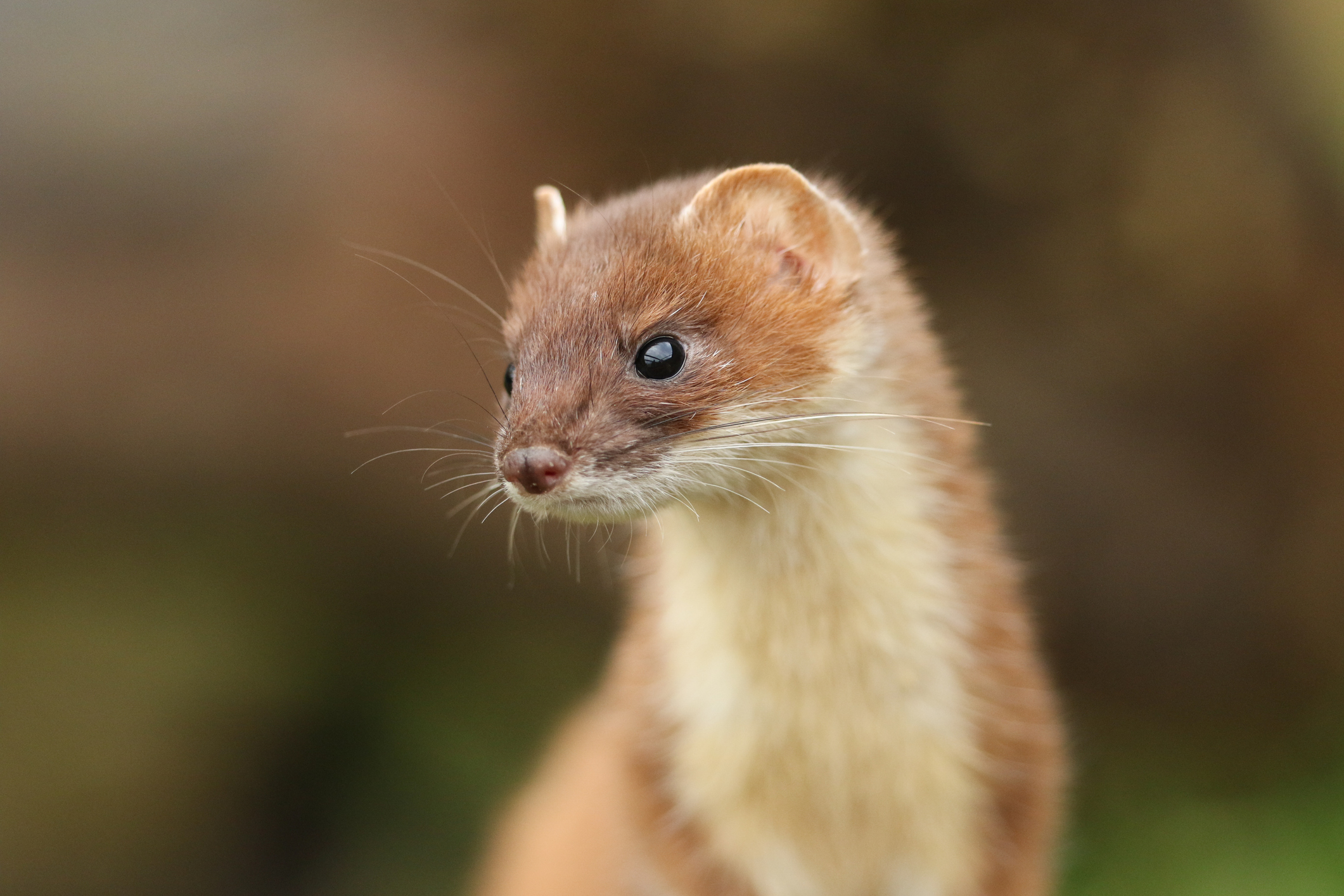
New Zealand has no native terrestrial non-flying mammals. So when the stoat was first introduced in the 1880s with the aim of stemming the explosion in rabbit numbers, scientists warned of the potential impact on native bird populations. Those fears soon proved well founded: this fierce little carnivore caused dramatic declines in native species, particularly flightless birds such as kiwi, kākāpō and takahē. Efforts to eradicate stoats are ongoing.
6. Dromedary Camel
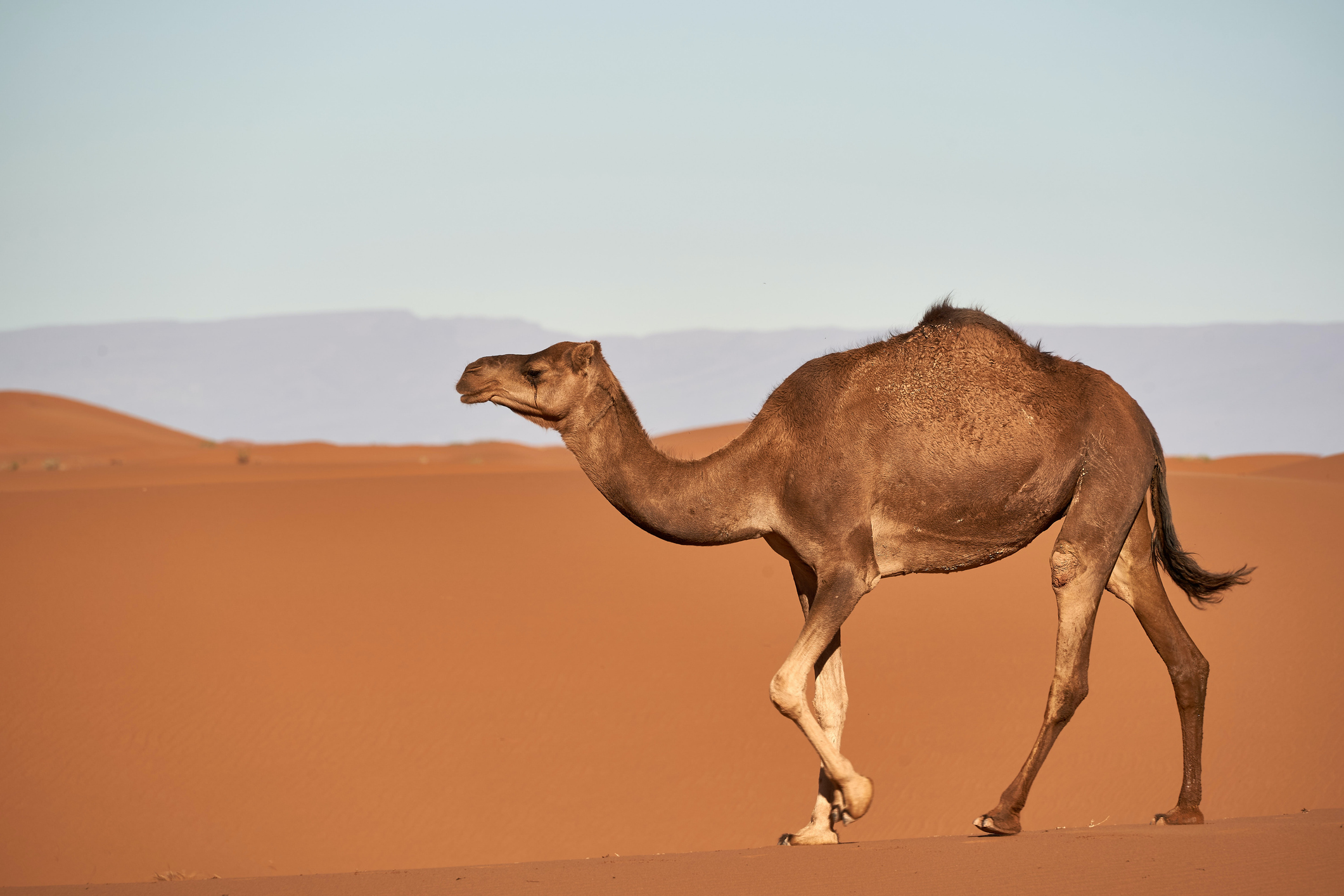
Domesticated in Arabia thousands of years ago, the dromedary has been valued as a beast of burden in North Africa, the Middle East and the Indian subcontinent for centuries. The first camels were brought to Australia in the mid-19th century to explore and develop the vast, arid interior. Some escaped captivity, but many others were released after more efficient motorised transport became available. Up to a million feral camels now ravage Australia’s native flora, prompting periodic culls.