
Evolution has led to animals doing all sorts of strange things. Look into the British countryside and you’ll see one particular example of this in the form of the Shrew.
Every winter, British Shrews effectively shrink the size of their own head. In fact, studies of common shrews have documented reductions of up to 20% of their head size when Winter comes around.
They do this because their metabolic needs are so high that they need to eat large amounts of food. When winter comes around and food becomes more scarce, Shrews effectively shrink the most energy-dependent part of their body.
This behaviour is known as Dehnel’s phenomenon and shrews aren’t the only animal that does it. European Moles and stoats are both known to shrink parts of their body to deal with the difficulties of winter.
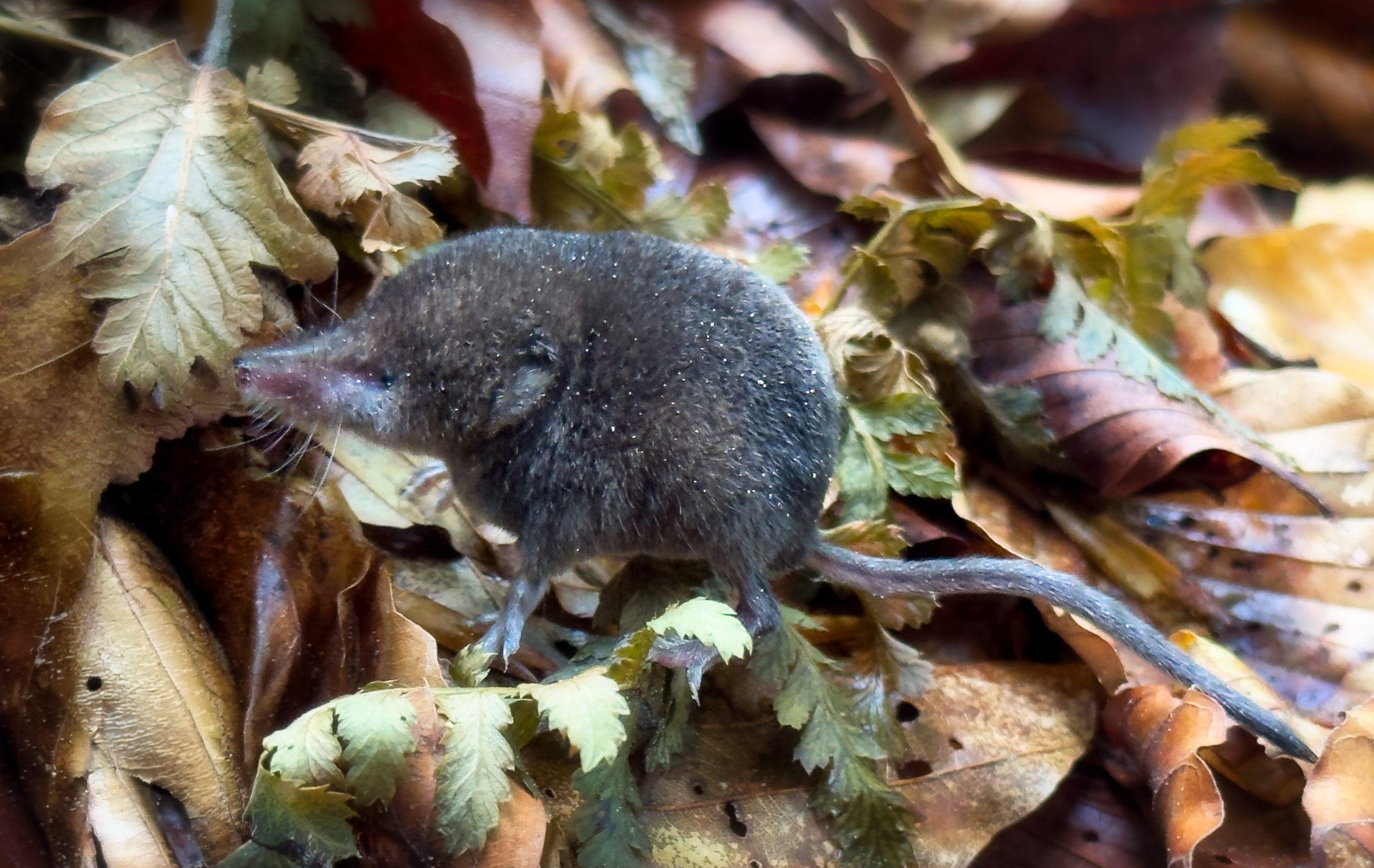
While this behaviour has been noted for years, scientists have recently discovered that, while their bodies and brains shrink in winter, shrews noses can actually get bigger. A study from Japan found that the snout could grow by 6% to 7% in winter conditions. They called this the recess Dehnel’s phenomenon.
The rate at which different parts of their bodies regrow differs throughout seasons. After winter, they slowly grow their brain, skull, and body back to size, as well as their shrunken organs.
Outside of winter, shrews survive by eating huge amounts food each day. They need to consume roughly 80 to 90% of their body weight daily to survive.
This is not the only survival trick that shrews use. Common shrews produce secretions from glands in their skin. These make them distinctly unpleasant to eat, causing predators to actively avoid eating them, even if they’re already dead.
They also utilise venom found in their saliva, actively subduing prey and immobilising them. A 2024 study found that these venom glands actually contained hundreds of proteins associated with immune responses and stress, suggesting a more complex utility.
