
Dogs are as much a part of the household as anyone else. They are wrapped up in our routines, and when these change, they can really struggle with the transitions. Well, one of those big routine changes is likely happening right now for your beloved pet.
After months of boiling weather and long days of light, September has brought us crashing into autumn. That means cooler wetter weather and earlier nights. Or in other words, earlier walks and likely more time your dog is spending alone with returns to university, school and the office.
Unsurprisingly, dogs don’t actually experience Seasonal Affective Disorder (SAD) in the same ways humans do, but they go through something similar. This time of year can bring about a huge amount of change to their routine, causing anxiety and confusion.
What is actually happening to your dog
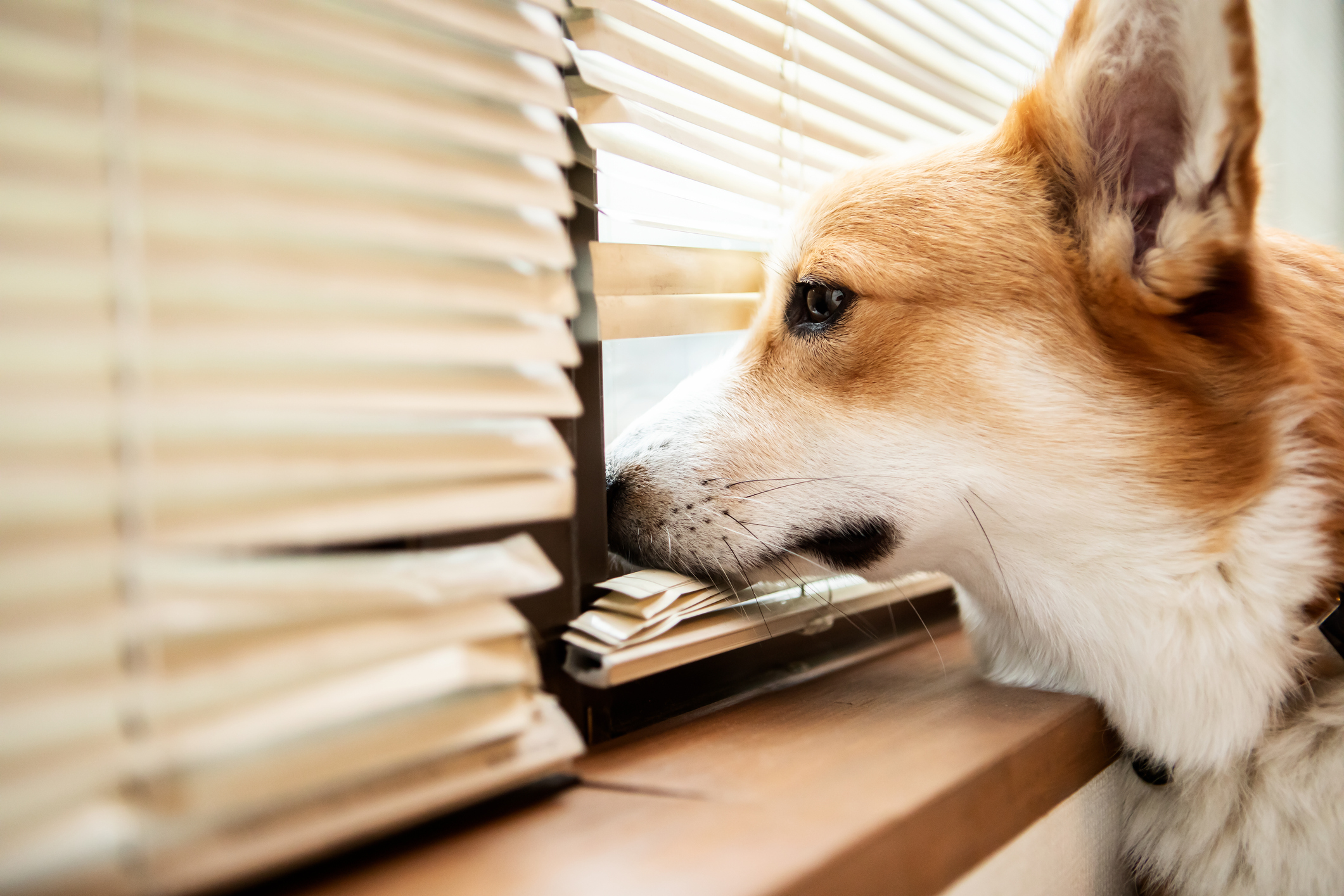
If your dog is seeming more blue than normal, this could simply be it struggling with this change in routine. However, while it can feel normal to try to make up for this by applying lots of attention when you get home, this might not actually be the best solution.
Veterinary surgeon Dr Guy Sandelowsky, co-founder of the pet brand OMNI, suggests some of our well-meaning behaviours could be stressing our pets out even more in these situations.
Hugging, kissing a dog’s face, repeatedly leaning over them or trying to pick them up can actually be adding additional stress if your dog is already overstimulated. Like humans, dogs can easily become overstimulated and this time of year increases that risk.
Sandelowsky says: “Dogs can be incredibly tolerant of us, but allowing something to happen does not necessarily mean they are enjoying it. Rather than asking, ‘Is my dog letting me do this?’, we should be asking, ‘Is my dog actively choosing this interaction?’
While dogs benefit from social interaction, it is also important to give them their rest and some quiet time to themselves.
Dr Sandelowsky recommends occasionally pausing while stroking or playing with a dog to see what they do next. If they move closer, nudge your hand or actively seek further interaction, this is a good sign to continue.
Behaviours to watch out for
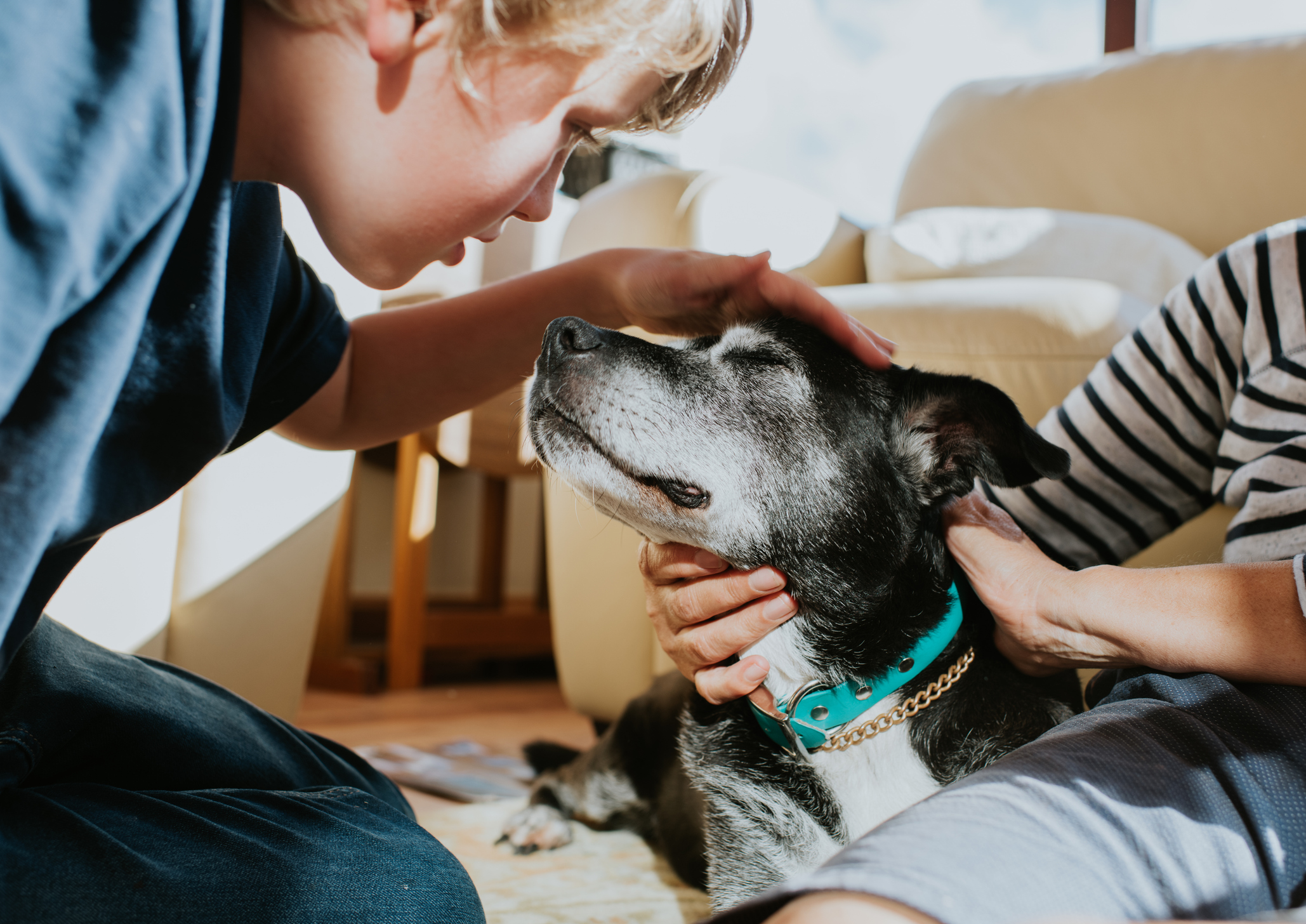
While dogs will eventually growl, snap or try to escape, there are lots of earlier signs to look out for. If they turn their head away or avoid eye contact, lick their lips when there is no food around or lower their bodies and pin their ears back, these can all be signs of discomfort.
“It is important not to interpret any one behaviour in isolation. Get to know what your dog looks like when they are genuinely relaxed and pay attention when that changes,” Sandelowsky adds.
“The better we become at recognising their early signals, the less often dogs need to escalate their communication to make themselves understood.”
By recognising these earlier signs, it helps to stop your dog needing to progress to growling or signs of defence.
