When people think of deadly animals, they picture sharks, snakes, and crocodiles. But in Britain, the biggest threats are far closer to home and often harder to spot. Every year, a surprising cast of creatures, from livestock and pets to insects and arachnids, cause deaths, life-changing injuries, and serious illnesses. Here are the seven deadliest animals in the UK to watch out for.
1. Dogs
It’s a sad irony that one of our most loved animals is also statistically our most dangerous. This doesn’t apply to the vast majority of our pet pooches, of course, but in England and Wales, deaths caused by being “bitten or struck by a dog” totalled six in 2022, 19 in 2023, and nine in 2024. Five dog types – Pit bull terrier, Japanese Tosa, Dogo Argentino, Fila Brasiliero, and XL Bully – are currently banned under British law.
- 10 deadly prehistoric dogs that roamed the Earth millions of years ago: Are these the most ferocious canine hunters of all time?
- Built for endurance: Meet the world’s toughest dog breeds
2. Cattle
Cows are generally placid animals but can cause serious harm when agitated. Most issues involve cattle with calves – as a historical prey species in the wild, their defensive instincts kick in – or walkers with dogs. Footpaths through cow fields are common and incidents comparatively rare, but it’s always sensible to give cattle a wide berth. Around five people die from incidents involving UK farm animals (predominantly cattle) each year, many of them agricultural workers.

3. Bees, wasps and hornets
A sting from a bee, wasp or hornet can be very painful – notoriously so, in the case of hornets – but the effects are usually short-lived. Things become more worrying if they trigger a severe anaphylactic reaction, when symptoms such as dizziness or swelling of the throat can worsen quickly. If concerned, call 999 rather than 111. Between 2013 and 2024, some 43 deaths from “contact with hornets, wasps or bees” were recorded in England and Wales.
- Which sting is worse – a bee's or a wasp's?
- What’s the biggest and deadliest wasp in the world – and has it ever been seen in Britain?
4. Adders
We have one venomous snake in the UK: the adder. This handsome, zig-zagged reptile is increasingly elusive – numbers have declined troublingly in recent decades – but bites to people and pets do occur, generally when a snake has been inadvertently startled. The last recorded death from an adder bite was a five-year-old boy in 1975, but bites should still be seen to by a medical professional as soon as possible. Never attempt to pick up a snake.

5. Sharks and other marine life
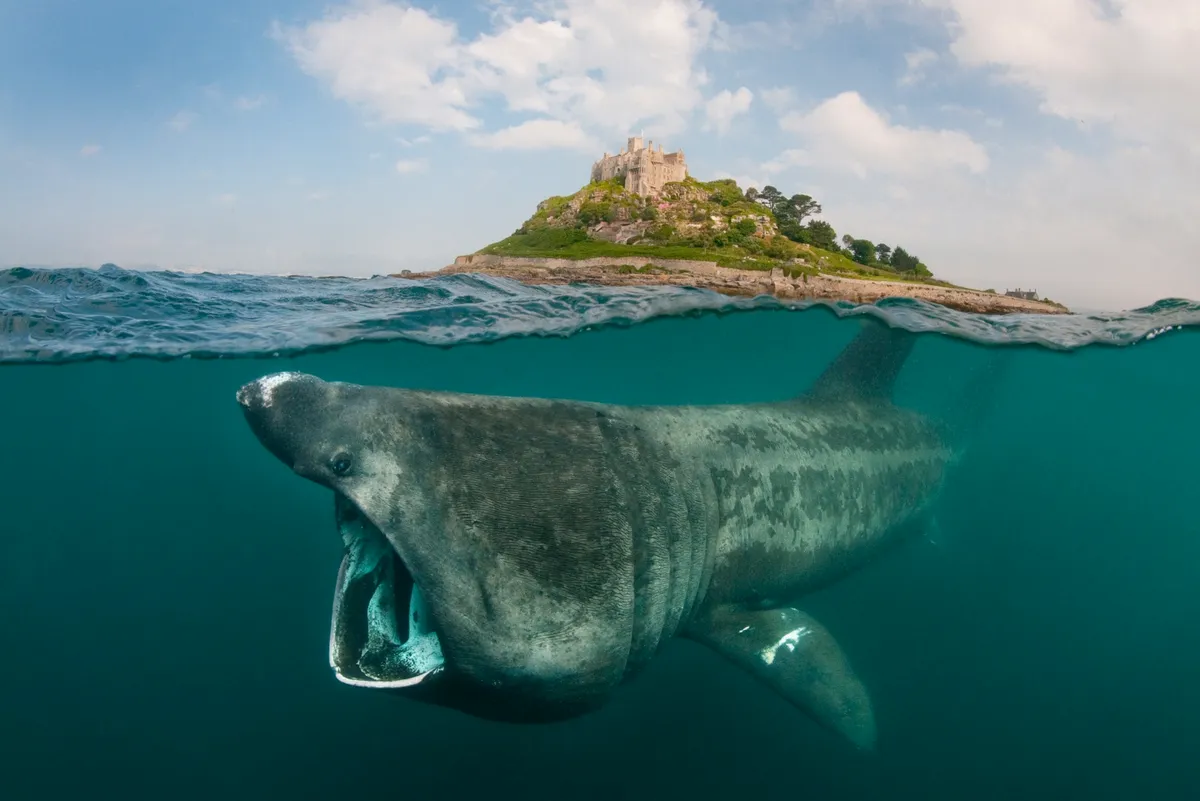
Anyone who’s got too close to a jellyfish (or, indeed, stepped on a weever fish) will attest that their stings can be painful. In Britain, they’re also incredibly unlikely to be serious – the UK has zero recorded jellyfish-related fatalities. Likewise, there are at least 21 shark species in our waters, but they’re unlikely to rival Jaws. The only deaths on record are from 1937, when three men drowned after a breaching basking shark unintentionally capsized their boat.
6. Spiders
Around 650 spider species are native to the UK, the most venomous of which are a group known as false widows. But despite taking their name from their superficial similarity to black widow spiders (dangerous but not found in the UK), they pose little hazard other than a painful bite and the risk of such a bite getting infected. The Office for National Statistics recorded no spider-related deaths in the period between 2013 and 2024.
7. Ticks
Mosquitoes are often described as the world’s deadliest animals, but while bites from our native UK mozzies are an irritant, they don’t carry diseases. Another of our small insects, however, does. The UK Health Security Agency saw a 20% rise in cases of tick-borne Lyme disease in 2025, to more than 1,100. It can become serious when undiagnosed (a circular rash is a common symptom), but severe cases remain rare. Most UK ticks do not carry Lyme disease.
Top image: A male common European adder (Vipera berus), freshly emerged from hibernation, gapes/yawns to maximise oxygen intake prior to basking (Malvern Hills, UK). Credit: Getty Images