
Take a walk through New York’s Manhattan and you’ll come across an area called the Bristol Basin. At first, this will look like a completely normal section of the city, jutting off over the water, but it actually holds an interesting secret.
Bristol Basin gets its name from the structure that it stands on. Housing the Waterside Plaza landmark, the basin is actually built on the rubble of Bristol, a city found in the west of England.
So how on Earth did it get there? Like all good stories, there is a long history connecting the two places.
How Bristol ended up underneath New York
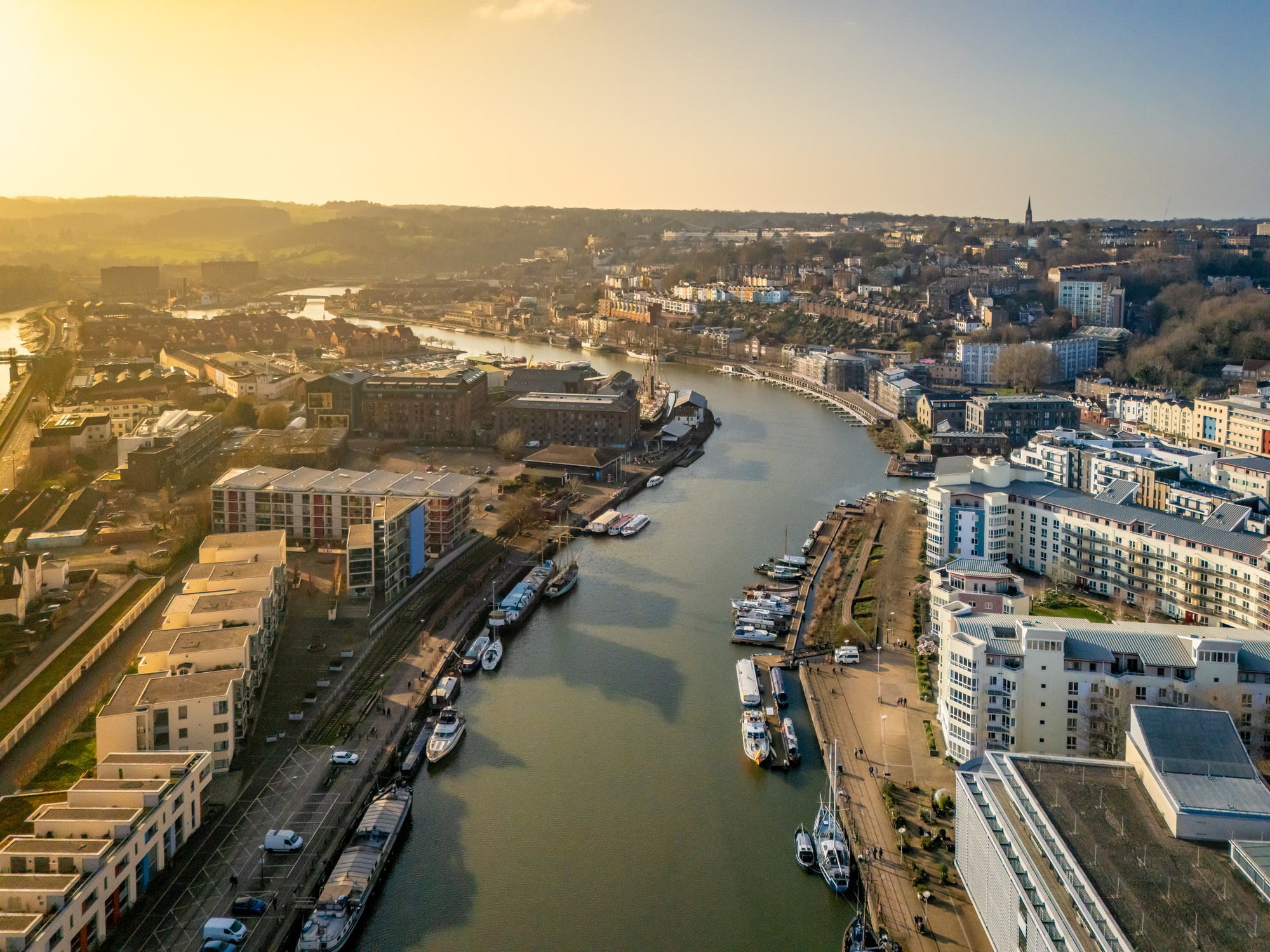
This all starts way back in World War 2. Boats were sent from America over to Britian, helping supply weapons and supplies to the British warfronts. These ships were filled to the brim with supplies, which brought about a problem for the return trip.
On the way back to America, these boats would suddenly be completely empty. They needed weight onboard to stabilise the boats on their long and choppy crossing.
America was dropping most of their supplies off at cities like Bristol and Swansea. These were on the Western side of the country, making them easier arrival points for boats, and further from the danger.
But, due to its position as a major industrial, port and transport centre, Bristol became a target for bombings. After being bombed so heavily, the city had a large supply of rubble. This rubble was perfect for the boats. It was heavy and needed to be cleared up anyway.
Local Bristolians helped load the boats to the brim with this rubble, acting as a ballast on the boats to allow them to make it back over to America.
So, what do you then do when you make it back over to New York and have a boat full of mortar, stone and rubble? You dumb it into the water. In fact, this was done so many times during the journeys back and forth that an entirely new section of the city emerged from the water.
The basin today
If you take a walk over to the Bristol Basin, you’ll see a sign that reads: “Beneath this east river drive of the city of New York lie stones, bricks, and rubble from the bombed city of Bristol in England… brought here in ballast from overseas, these fragments that once were homes shall testify while men love freedom to the resolution and fortitude of the people of Britian, they saw their homes struck down without warning… it was not their walls but their valor that kept them free.”
The plaque was unveiled by Cary Grant in 1974. Not only was he one of America’s most beloved actors, but he was also born in Bristol, furthering the connection of the two cities.
A similar plaque can also be found in Bristol, marking the unique connection between the two cities.
