Britain's landscape is awash with water, from streams, pools and ponds to rivers, lakes and the surrounding sea. This water is steeped in myth, with dark lochs and crashing waves giving rise to some of the most enduring and eerie legends in folklore. From shapeshifting seal-people in the far north to sea serpents stalking Cornish shores, mythical creatures have long lurked in the waters of this island, thriving in our stories and imagination.
Scattered across Britain’s coasts, rivers and lakes, these legends reflect both the beauty and danger of our waters. Whether warning against hidden threats, explaining natural phenomena or simply captivating the imagination, these mythical creatures endure because they speak to something universal – the mystery of what lies beneath the surface.
Here are 13 fantastical beasts swimming in UK waters.
- 12 eerie, deadly monsters that are supposed to roam the countryside, sometimes with lethal consequences for their chosen victim...
- Witches, dragons and giants – we hunt for history's most terrifying beasts with a monster expert
13 mythical water creatures
1. Kelpies
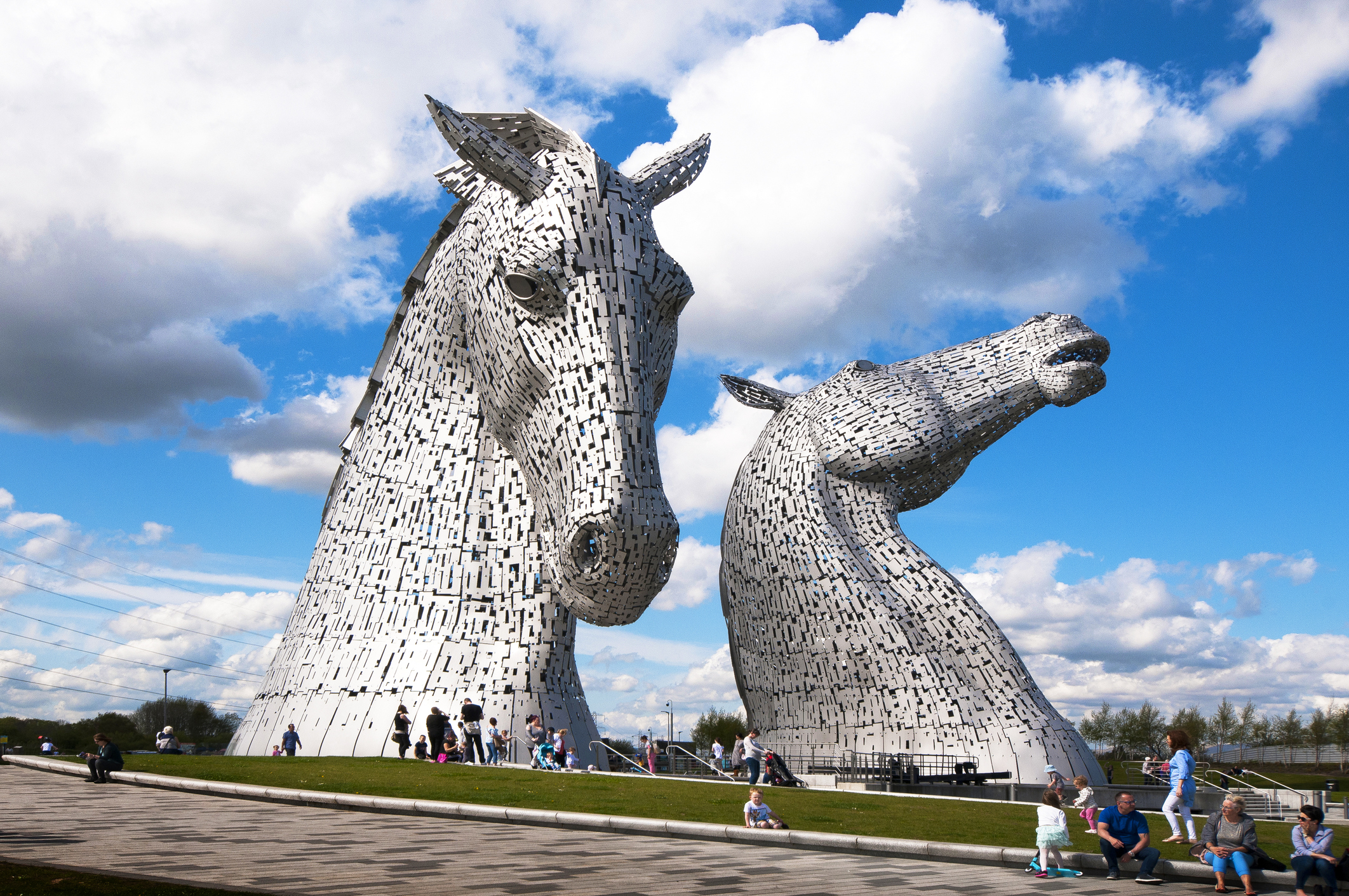
In Scottish mythology, a kelpie (or water kelpie) is a shape-shifting spirit that inhabits streams and rivers. It typically appears as a magnificent black, grey or white horse with reversed hooves, standing near the water's edge. Kelpies are said to entice weary travellers or children to ride on their backs. Once mounted, the kelpie's skin becomes sticky, trapping the rider, before plunging into the depths of the water to drown and devour them.
The Kelpie’s magical abilities include extraordinary strength and the power to summon floods. Its tail cracks like thunder on entering the water and it warns of coming storms by wailing eerily. in some tellings, kelpies can also transform into humans, appearing desirable to lure adults to their deaths, although they often retain tell-tale signs like seaweed in their hair or backward-facing hooves.
One Scottish folk story tells of ten children who encounter a beautiful, gentle pony near the water's edge. Nine children climb on to its back; the tenth child strokes its nose. Its sticky hide prevents the nine children from dismounting. The tenth child, whose finger is stuck fast, manages to cut off his finger and escape. The other nine children are dragged into the water, never to be seen again. It is no doubt a cautionary tale to warn children of the dangers of water, which can seem tame and then suddenly turn on its unsuspecting victim.
In this tale, the water horse is sometimes a kelpie; sometimes its more dreadful cousin, the each-uisge (see next entry). Similar tales of water horses appear elsewhere. Orkney has the nuggle and Shetland the shoopiltee – both are generally more gentle and mischievous than murderous. The Isle of Man has the cabbyl-ushtey, while in Welsh folklore, there are tales of the ceffyl dŵr.
2. Each-uisge / Cabbyl Ushtey
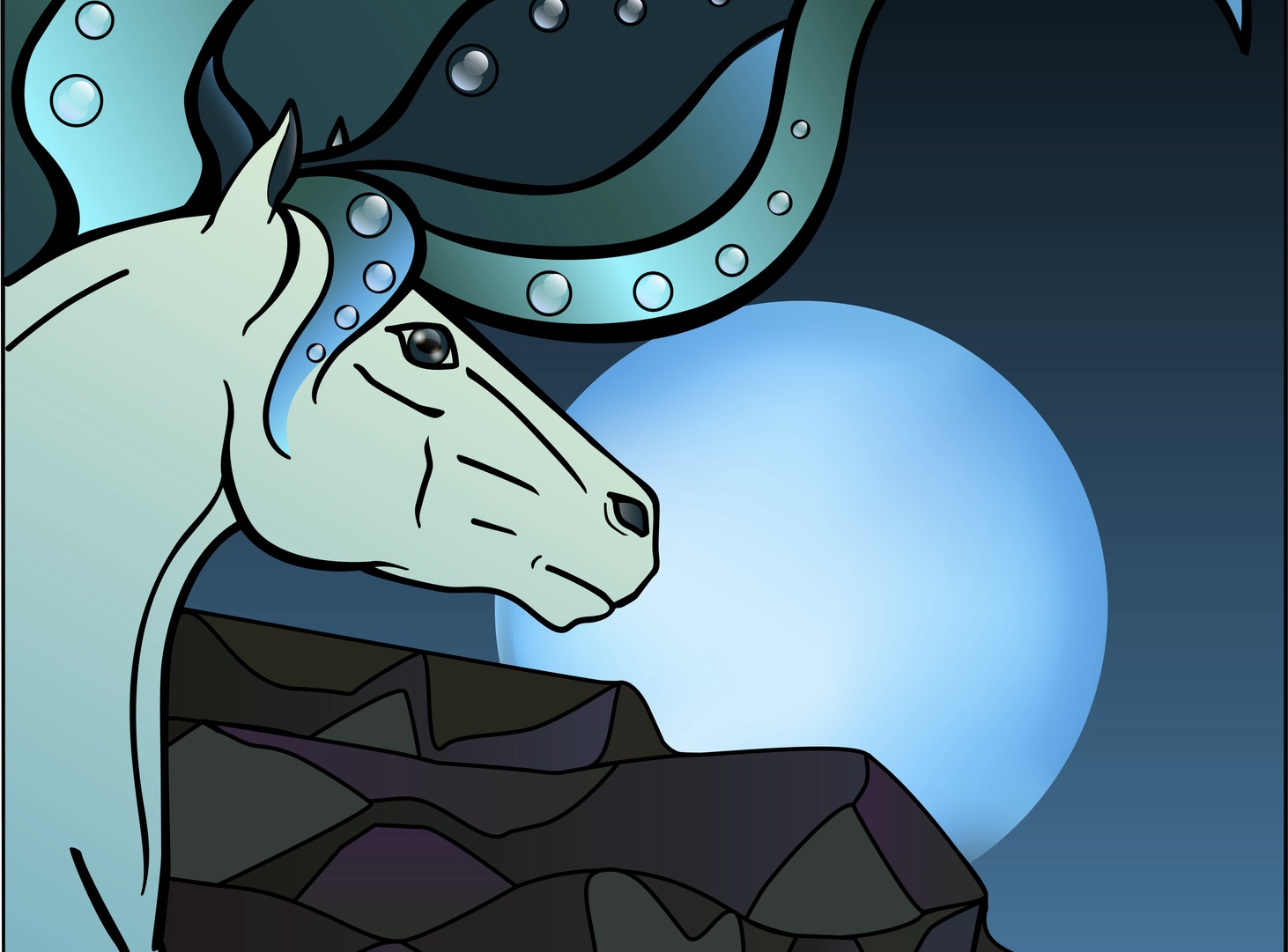
Similar to the kelpie but even more horrifying (yes, we all thought the kelpie was bad enough), the each-uisge is a supernatural waterhorse described as "perhaps the fiercest and most dangerous of all the water-horses". Unlike the kelpie, it inhabits lochs, not rivers and running water, but like the kelpie, it takes the form of a sleek grey horse and drags victims to their doom. Beneath surface, the each uisge devours its victims but leaves the liver, which it can't digest and which washes ashore days later. Grim.
3. Selkies
Among the most haunting figures in Celtic folklore are the selkies of Orkney and Shetland. These beings live as seals in the ocean but shed their skins to become human on land. In the water, selkies are said to be indistinguishable from ordinary seals, but often have an unusual, highly intelligent glint in their eyes. When on land, they shed their seal skins, transforming into humans of breathtaking beauty.
The stories of selkies often revolve around love, loss, longing and freedom. A common trope involves a human (often a fisherman or islander) stealing a female selkie's seal skin. Without the skin, the selkie is unable to return to the sea, forcing her to live on land and often marry her captor. These tales are almost always bittersweet. Even if the selkie builds a loving human family, the call of the sea remains irresistible. If she ever discovers where her hidden skin is kept, she will immediately abandon her life on land to return to the ocean.
In the beautiful animated film Song of the Sea (2014), young Irish boy Ben discovers that his sister Saoirse is a selkie.
4. Mermaids
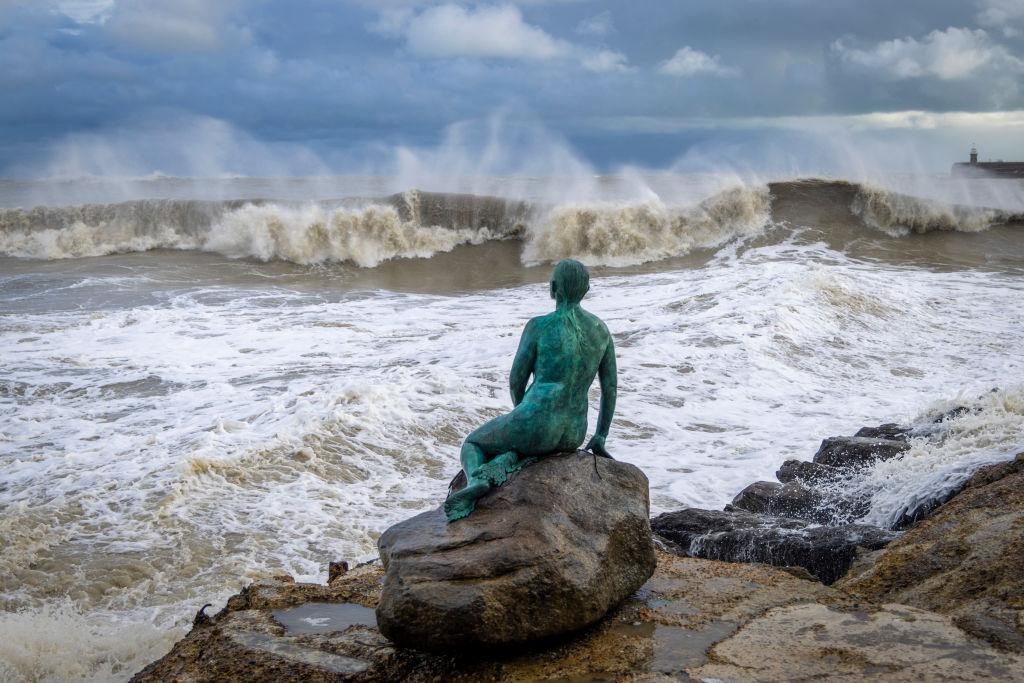
Mermaids feature heavily in Britain’s coastal folklore, particularly in Cornwall. The Mermaid of Zennor is one of Cornwall's most famous folktales. In it, a beautiful woman with a wonderful singing voice appears at St Senara's Church several times over many years. Chorister Matthew Trewhella, a handsome local man and fine singer, becomes entranced by her and, one day, follows her when she smiles at him. He is never seen again.
Years after his disappearance, a mermaid approaches a ship anchored off Pendour Cove to ask the captain to raise his anchor. She tells him that the anchor is blocking her path and she can't get home to her husband, Matthew Trewhella, and their children. St Senara's Church in Zennor features an ancient carved wooden bench-end, depicting a mermaid holding a comb and a mirror, which may have inspired the legend.
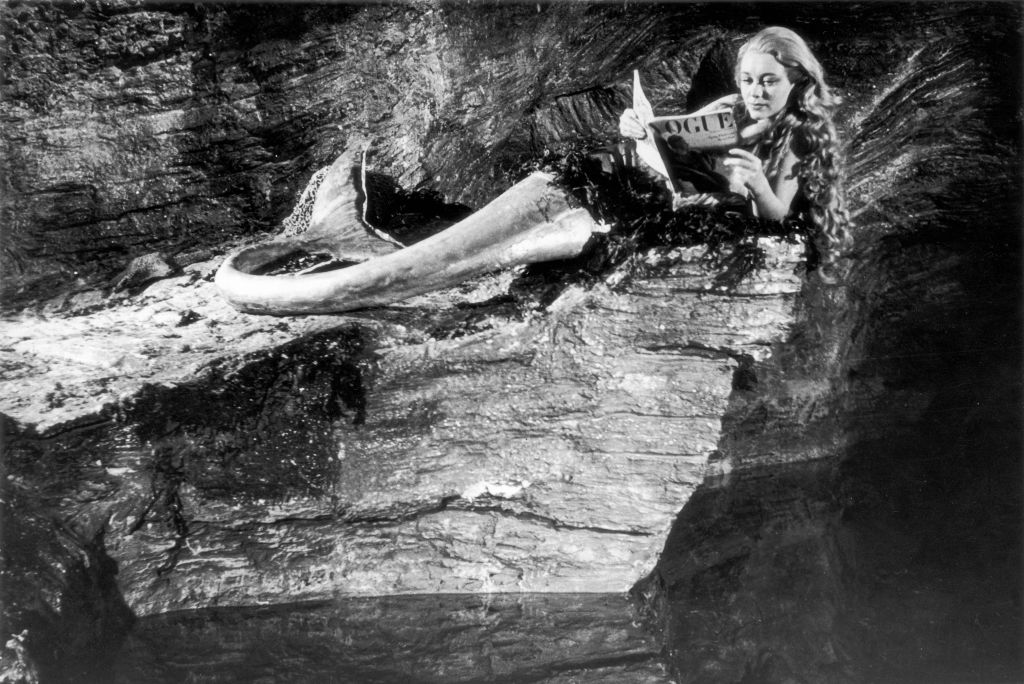
The most widely known version of the Mermaid of Padstow - popularised by Sir John Betjeman - follows a young local fisherman (often named Tristram Bird or Tom Yeo) who goes hunting for seals near Hawker's Cove. He finds a beautiful mermaid combing her hair on a rock and, enraptured, proposes marriage. The mermaid rejects him; in fury, he shoots her.
With her dying breath, she curses Padstow Harbour and flings a handful of sand toward the port, summoning a monstrous storm. When the waters settle, the Doom Bar has formed. This legendary sandbank is real and remains a hazard to sailors and boats today, preventing larger vessels from entering the port.
- Swim in secret: The hidden mermaid pools around Britain that feel almost mythical
- Walk: Zennor Head, Cornwall
5. Loch Ness Monster
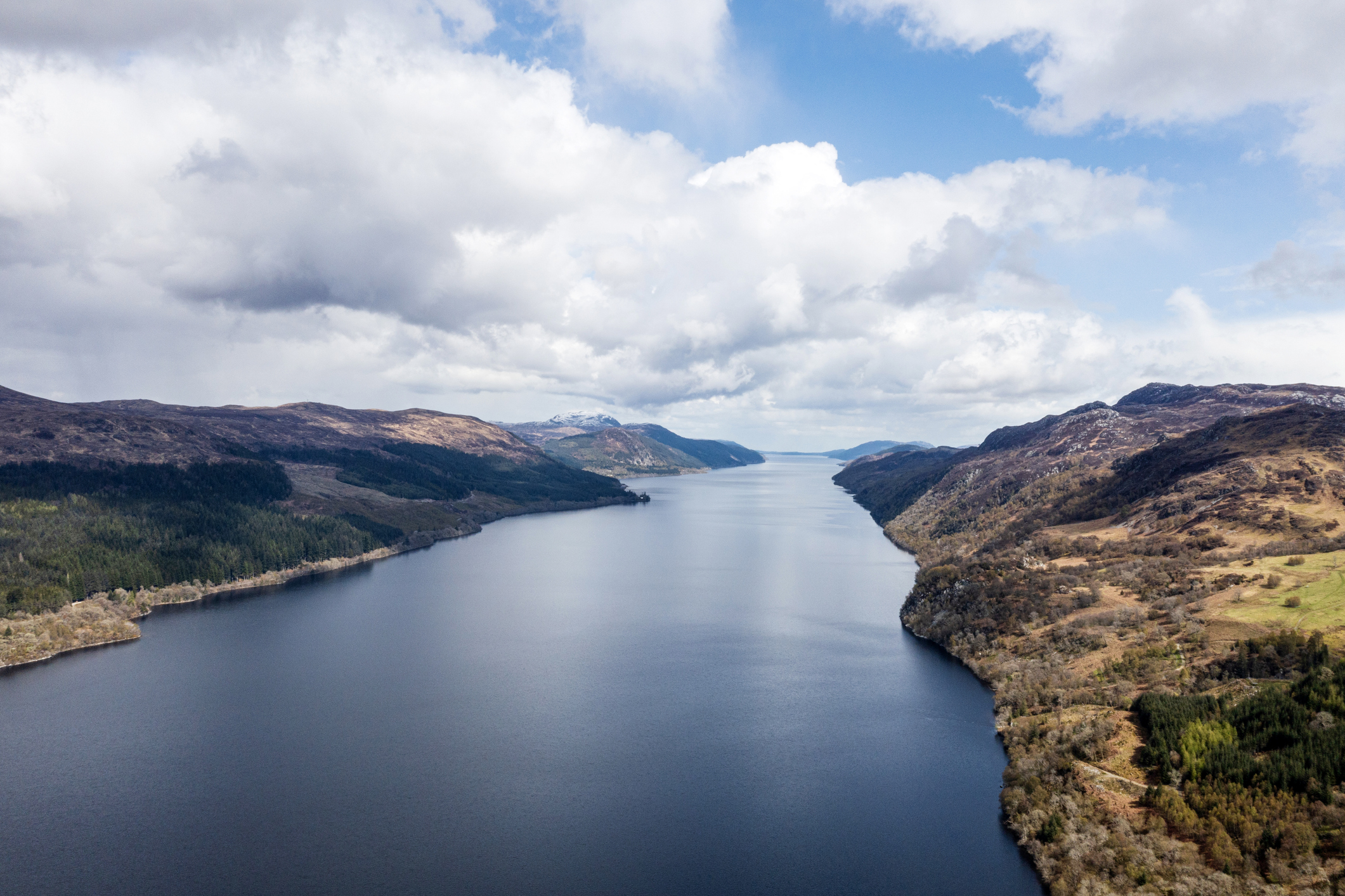
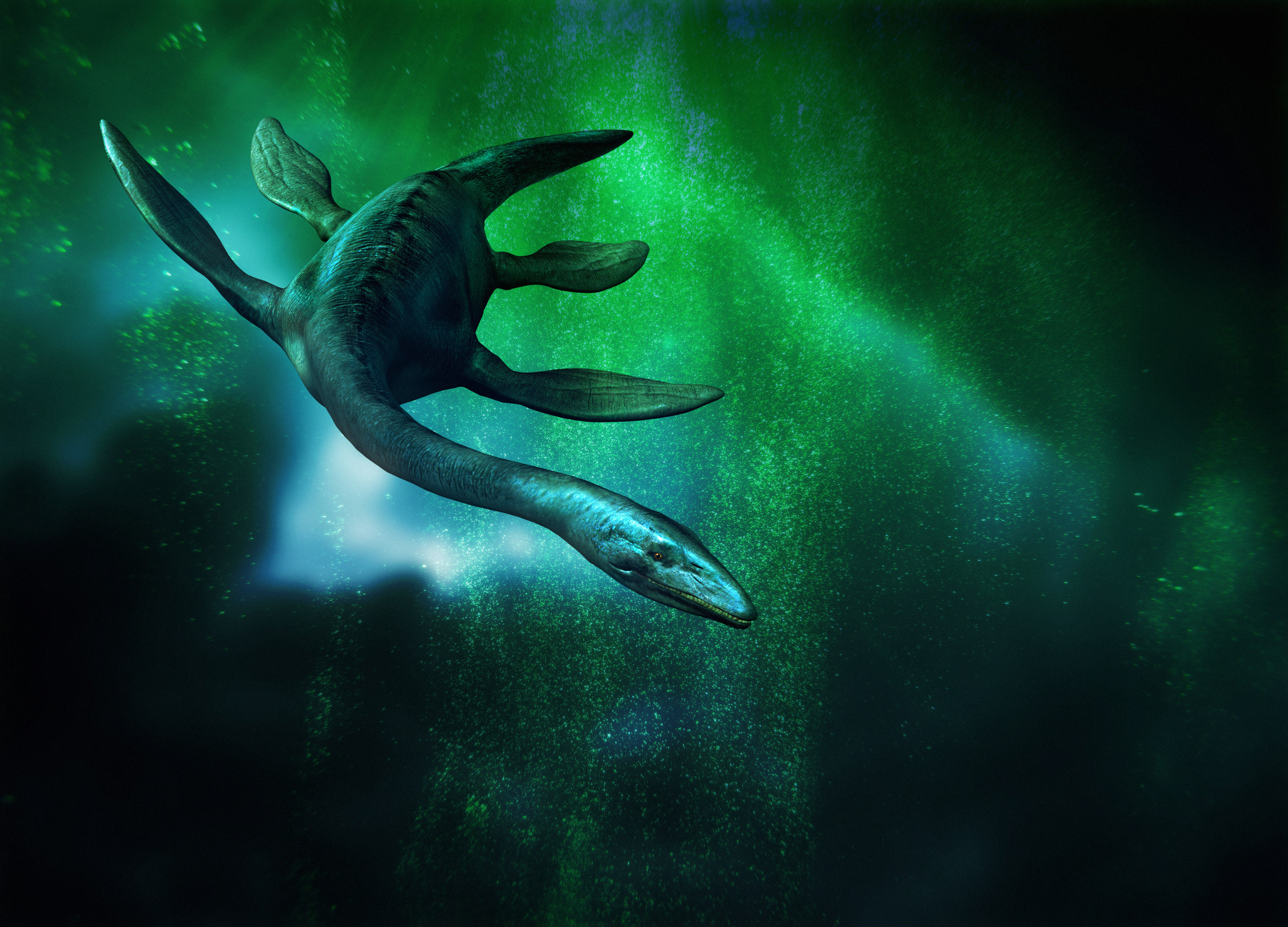
Scotland’s Loch Ness Monster – 'Nessie' – is perhaps the most famous of all British water legends. Reports of a long-necked creature date back to the 6th century, when the Irish monk St Columba reportedly encountered a 'water beast' in the River Ness. The legend exploded in the 1930s after a new road was built along the loch, increasing visibility and prompting a string of eyewitness reports. In 1934, a photo showing a serpent-like neck emerging from the water became the defining image of Nessie, though it was later revealed to be a hoax.
Despite modern scepticism, the myth of a plesiosaur-like beast in the in the deep, dark waters of Loch Ness continues to captivate - the Official Loch Ness Monster Sightings Register catalogues more than 1,000 reports, with new sightings occasionally popping up. Nessie represents a bridge between folklore and modern cryptozoology, where ancient stories meet contemporary curiosity.
- Loch Ness Monster: NASA urged to help with new search
- We’ve been imagining the Loch Ness Monster all wrong, new study suggests
6. Cirein Croin
Stalking the waters of the Outer Hebrides is a colossal, shapeshifting sea monster from Scottish Gaelic folklore, known as the Cirein Croin (pronounced keer-en krown). Presented as the largest creature in the ocean, it is famous for its vast appetite and cunning ability to trick fishermen. According to traditional folklore rhymes from Caithness, its diet reaches epic proportions, scoffing seven whales in one sitting:
Seven herrings fill a salmon's belly
Seven salmon fill a seal's belly
Seven seals fill a whale's belly
Seven whales fill a Cirein-cròin's belly
Seven Cirein-cròin would fill the Devil himself
Often described as an enormous dragon, kraken-like beast or sea serpent, it is able to shrink into a small, innocent-looking silver fish to deceive fishermen. When a fisherman catches it and brings it aboard the ship, the creature changes back into its true, gargantuan form, destroying the vessel and consuming the crew.
Representing the terrifying power of the North Atlantic, the creature is ingrained in the maritime mythology of the Scottish Highlands and the Hebrides. It is sometimes referred to as Mial mhòr a' chuain, the 'great beast of the ocean'.
7. Morgawr
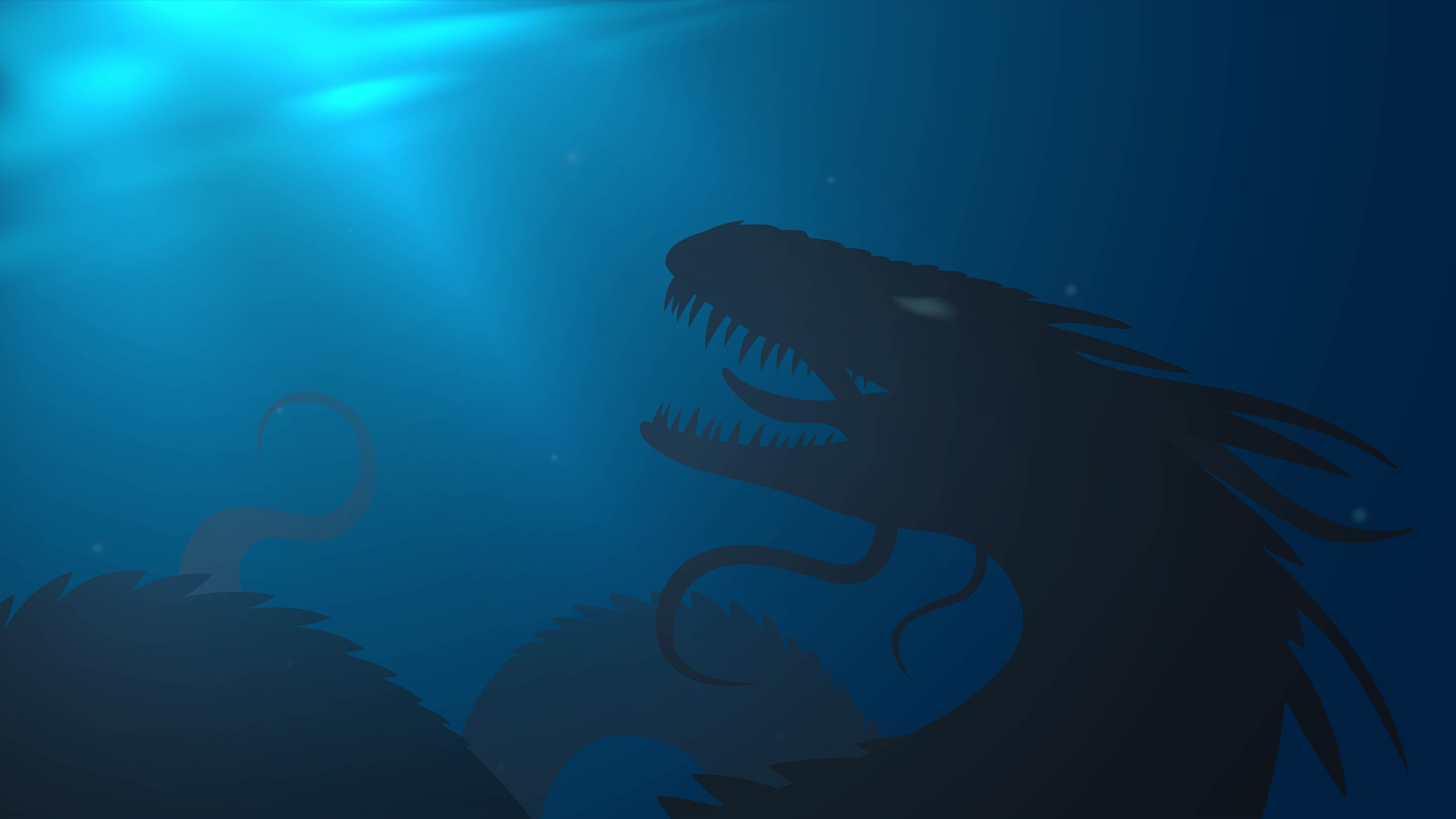
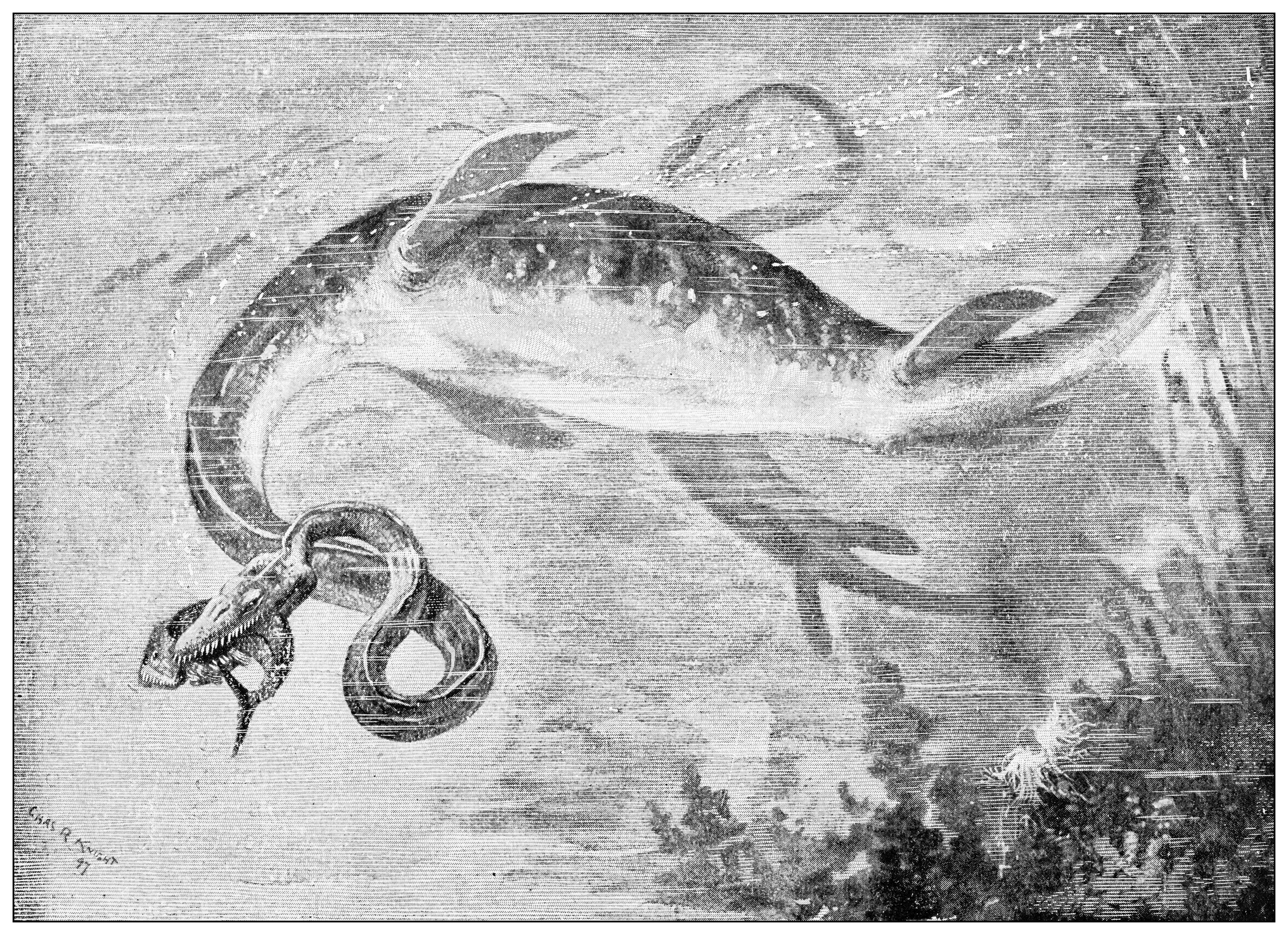
Morgawr is a legendary sea serpent said to inhabit the waters off Cornwall. Accounts vary, but it is often described as a large, serpentine creature with a long neck, humped back and seal-like skin, reminiscent of prehistoric marine reptiles, although it is sometimes described with horns or bristles. Sightings date to the 19th century, with reports of a fast-moving, whale-hunting beast off the Cornish coast.
In August 1906, a passenger liner sailing for New York from Antwerp passed Land’s End, where two officers and a male passenger saw a “wonderful sea serpent”.
“Its body is said to be five feet in circumference and the length enormous. Five or six yards were rearing out of the water and the reptile’s head had a fierce and most forbidding aspect with rows of huge teeth on its powerful jaws. The officers and the passenger said that they watched the contortions of this strange creature for fully a minute and then it plunged beneath the waves.” Falmouth Packet, 17th August 1906
In 1934, four people in Whitsand Bay spotted something in the water while sitting on the beach.
“It swam with an undulating motion and its head was shaped like that of a snake... The creature was not swimming like a fish but more like a caterpillar crawls... it was at least 10ft long.” Western Morning News, 24 July, 1934
And in May 1935, ”a monstrous glossy black creature with a long goose-like neck, a humped back and a tremendous tail” was seen off Port Isaac on three occasions.
The legend grew in the 1970s through eyewitness accounts and hoaxed photographs, though many modern explanations suggest misidentified animals, debris or even circus elephants. Curiouser and curiouser...
8. Afanc
Not all of Britain’s water monsters dwell in the open sea. The Afanc is a Welsh water monster or demonic being that is described, variously, as resembling a crocodile, beaver, dwarf-like creature, monstrous worm/dragon – even a platypus.
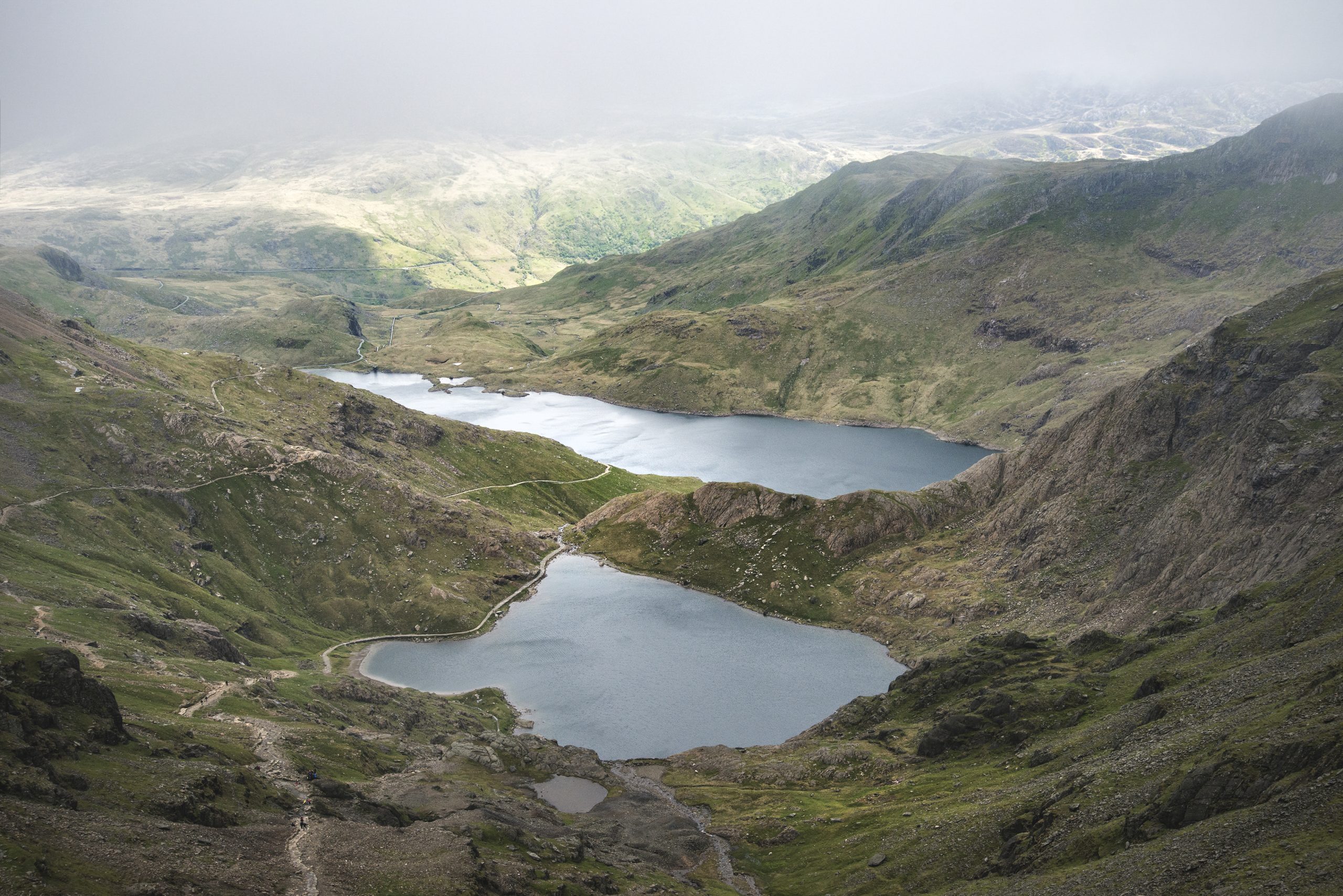
This gigantic aquatic beast apparently inhabits deep lakes, bogs and rivers. Its most famous lairs are Llyn yr Afanc (The Afanc Pool) on the River Conwy near Betws-y-Coed and Llyn Ffynnon Las (Lake of the Bllue Fountain) near Yr Wyddfa (Snowdon).
According to one legend, the monster plagued the people of the Conwy Valley, creating devastating floods and devouring anyone who ventured into the water. Due to its thick hide, it couldn't be slain by sword or spear. So a brave maiden sang to the creature, which lured it out of the water. It was then dragged from the River Conwy in iron chains, hauled by the mighty oxen of Hu Gadarn and relocated high up to Llyn Ffynnon Las (Lake of the Blue Fountain), near the summit of Yr Wyddfa (Mount Snowdon). The struggle was so immense that one ox lost an eye to the strain; its tears formed a pool known as Pwll Llygad yr Ych (Pool of the Ox's Eye).
Once dropped into the deep waters of Llyn Ffynnon Las, the Afanc was securely trapped by the lake's sturdy rocky banks. Stories persist today of a pale, grey-white creature surfacing in various Welsh lakes; Wales' very own Loch Ness Monster.
9. Knucker
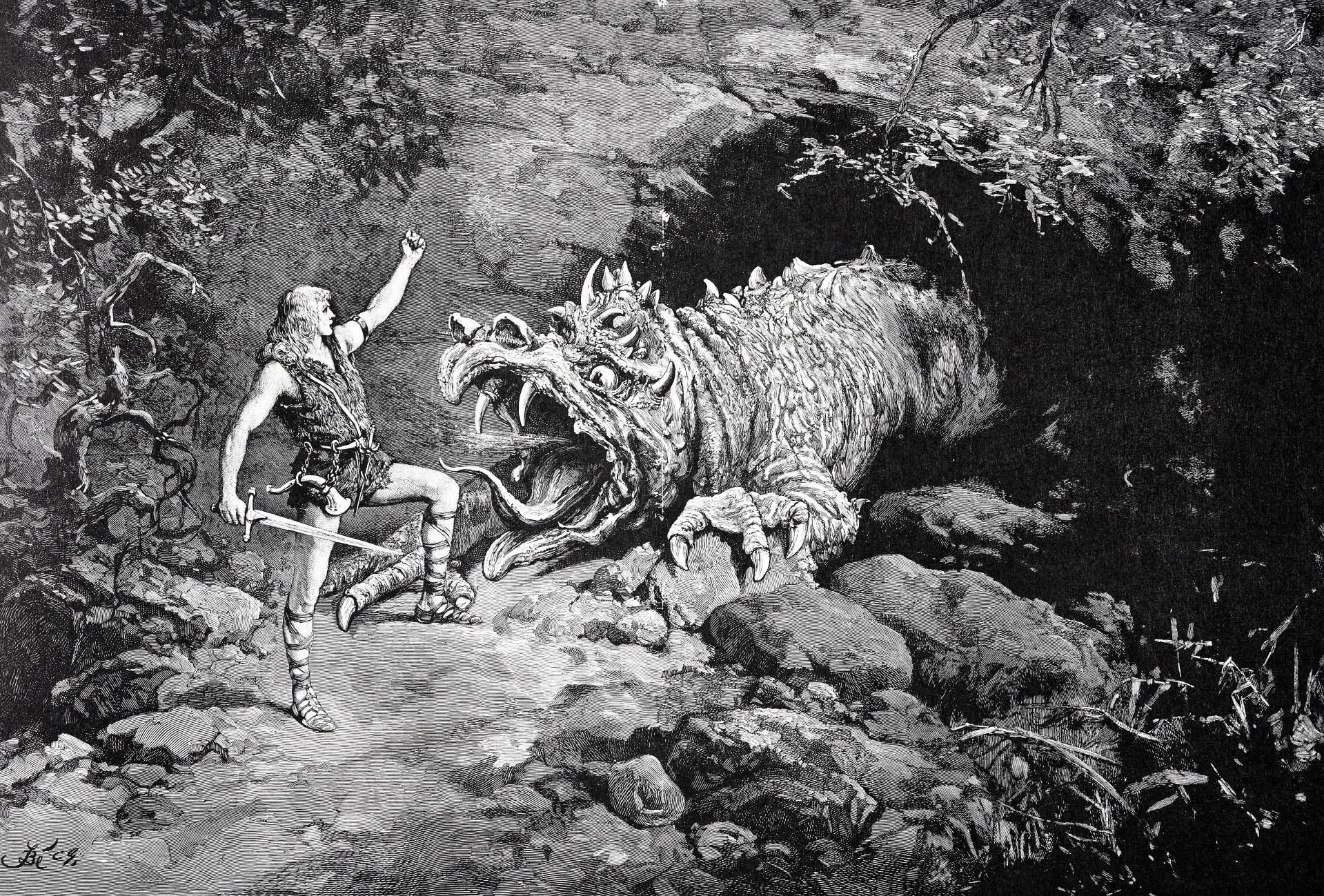
The word 'knucker' is likely to derive from the Olde English word nicor, meaning water monster. In Sussex, knuckers are dragon-like creatures that live in the deep, cold pools and springs found across West Sussex, known as knuckerholes.
The most famous of these knuckerholes is in Lyminster. In the famous Lyminster knucker legend, a fearsome winged dragon terrorises the area, eating cattle and local maids. The King of Sussex offers his daughter's hand in marriage to anyone who can slay the beast. Many knights attempt the quest and fail. Then a local lad named Jim Puttock (or Jim Pulk) volunteers. He bakes an enormous, poisoned pie, which lures the Knucker out. The greedy dragon eats the pie, falls asleep and Puttock cuts off its head.
However, in his celebration, our hero wipes his mouth, forgetting that he hasn't washed the dragon's poison from his hands, and dies. Unlucky Jim. A cautionary tale about both the dangers of deep water and the importance of hygiene.
10. Jenny Greenteeth
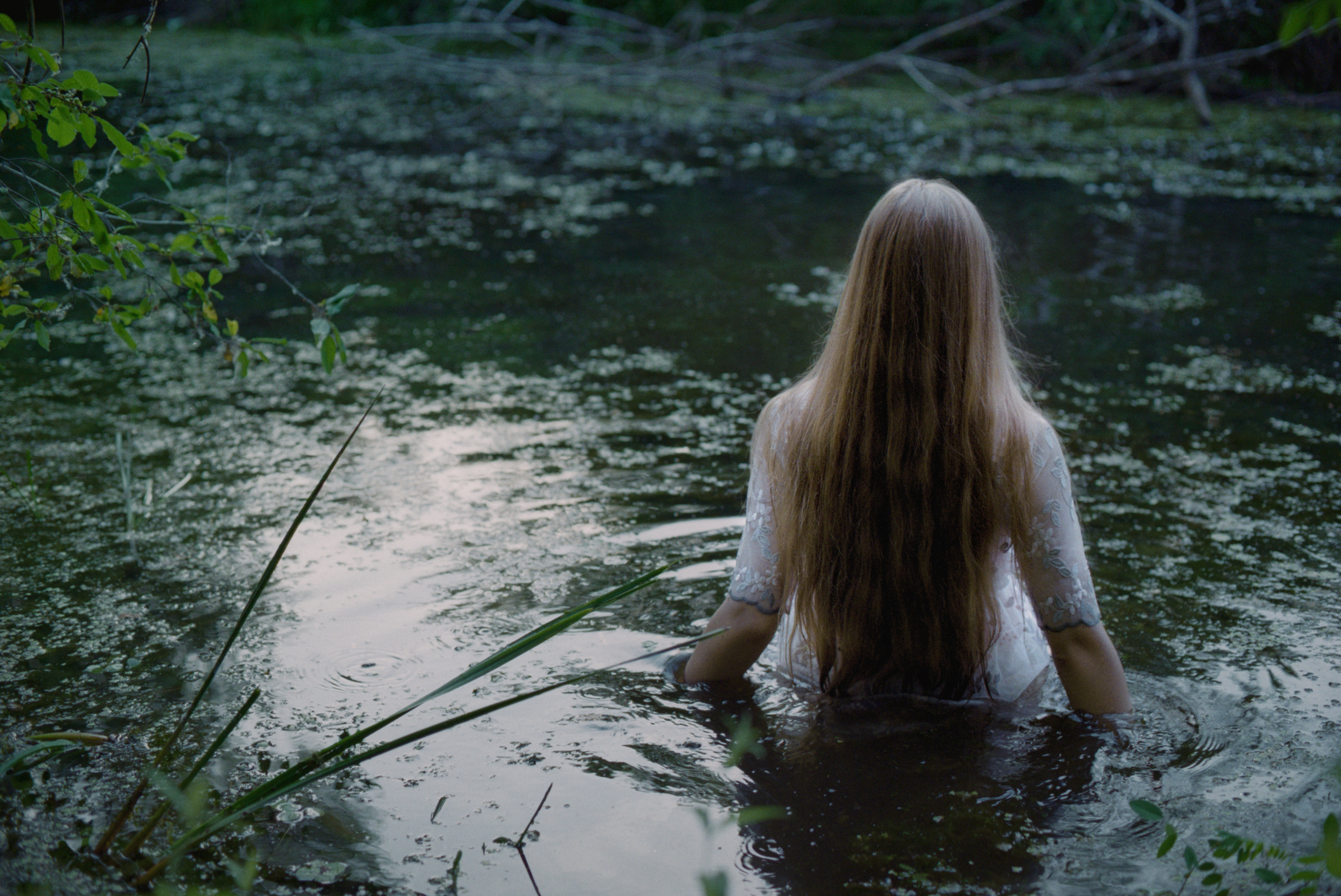
A malicious river hag, Jenny (or Jinny) Greenteeth is well known in the folklore of the north west of England, particularly Lancashire, Cheshire and Staffordshire. Sporting green skin, long seaweed-like hair and sharp, fang-like teeth, she is said to dwell in dark, murky waters overgrown with vegetation, where she pulls children and the unwary into the depths.
Jenny Greenteeth is also a northern English dialect term for duckweed, an aquatic plant that forms a bright green mat across stagnant ponds. This green layer can trick children into thinking the water is solid ground, and if they step on it, they sink into the water while the weeds close over their heads.
Along with her fellow river hags Peg Powler and Nelly Longarms, Jenny Greenteeth serves as a cautionary figure used to keep youngsters away from hazardous waters.
11. The Grindylow
A similar bogeyman designed to warn children away from water, the grindylow is a malevolent water spirit who appears in Yorkshire and Lancashire. It is small with green scaly skin and armed with sharp teeth, long arms and talons. Brutally strong, it lurks in meres and bogs, waiting to grab passing children and drag them underwater. Its name is likely to be connected to Grendel, the monster of the epic Anglo-Saxon poem Beowulf.
Grindylows have swum their way into current culture and literature, too, appearing in two of JK Rowling's Harry Potter books. In The Prisoner of Azkaban, Professor Lupin keeps a grindylow in a tank to teach the students about these water demons during their Defence Against the Dark Arts class. In Harry Potter and the Goblet of Fire, Harry is attacked by a marauding gang of grindylows in Hogwarts Great Lake.
12. The Kraken
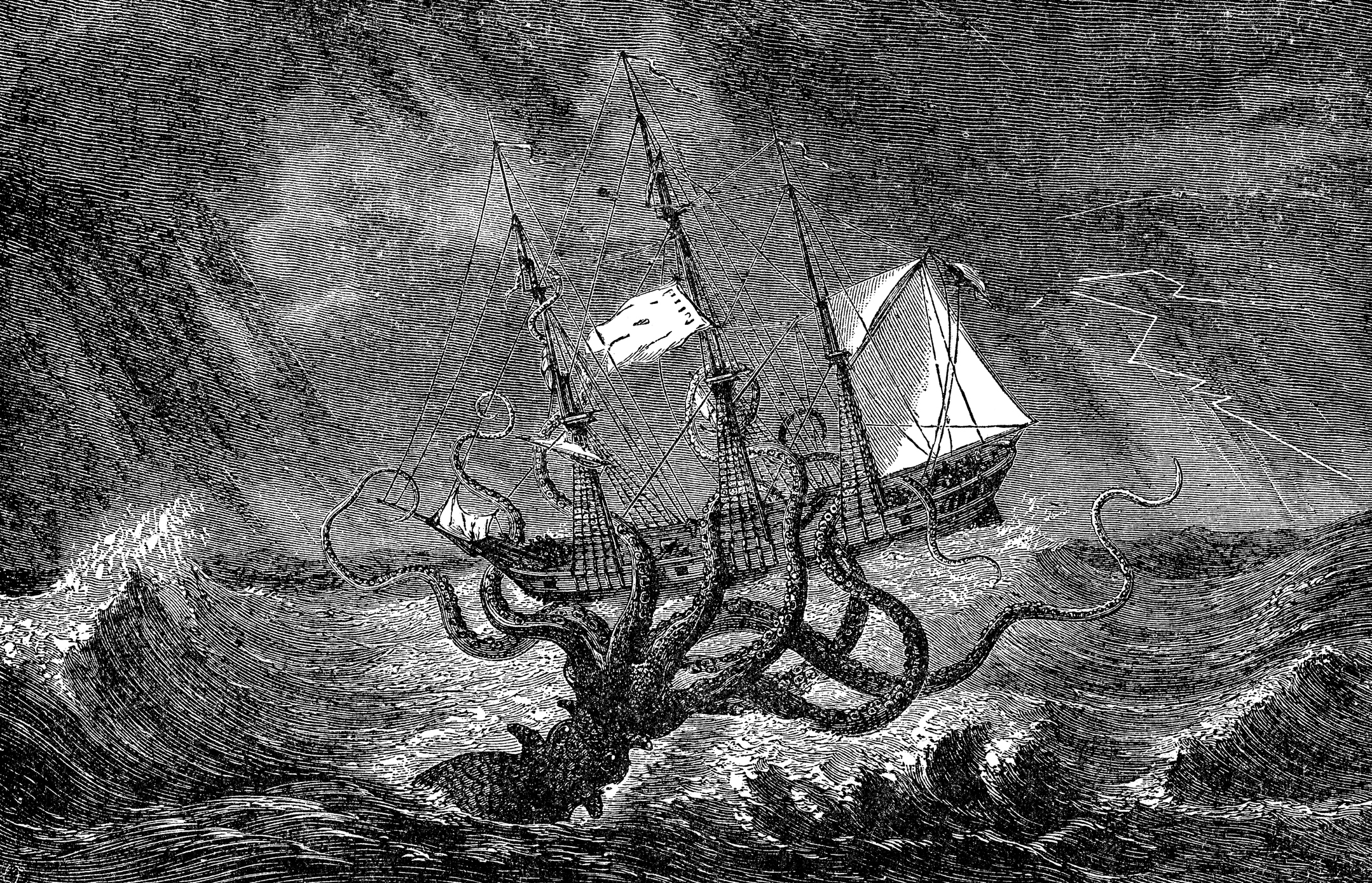
The Kraken is famously associated with Scandinavian lore, describing a gigantic, tentacled cephalopod-like beast that terrified early sailors in the North Atlantic. In local Scottish dialects, this colossal beast, capable of dragging entire ships under, was sometimes called the 'krekin' or 'horven', and there were reported sightings off the coast of Shetland in the 19th century.
Modern interpretations consider tales of the kraken to have been inspired by maritime encounters with giant squids. Alfred Lord Tennyson’s poem of 1830 introduced the ancient Kraken into British literary tradition.
Below the thunders of the upper deep,
Far, far beneath in the abysmal sea,
His ancient, dreamless, uninvaded sleep
The Kraken sleepeth: faintest sunlights flee
About his shadowy sides; above him swell
Huge sponges of millennial growth and height;
And far away into the sickly light,
From many a wondrous grot and secret cell
Unnumbered and enormous polypi
Winnow with giant arms the slumbering green.
There hath he lain for ages, and will lie
Battening upon huge sea worms in his sleep,
Until the latter fire shall heat the deep;
Then once by man and angels to be seen,
In roaring he shall rise and on the surface die.
Even today, the Kraken continues to embody the unknowable depths of the ocean.
13. Fastitocalon
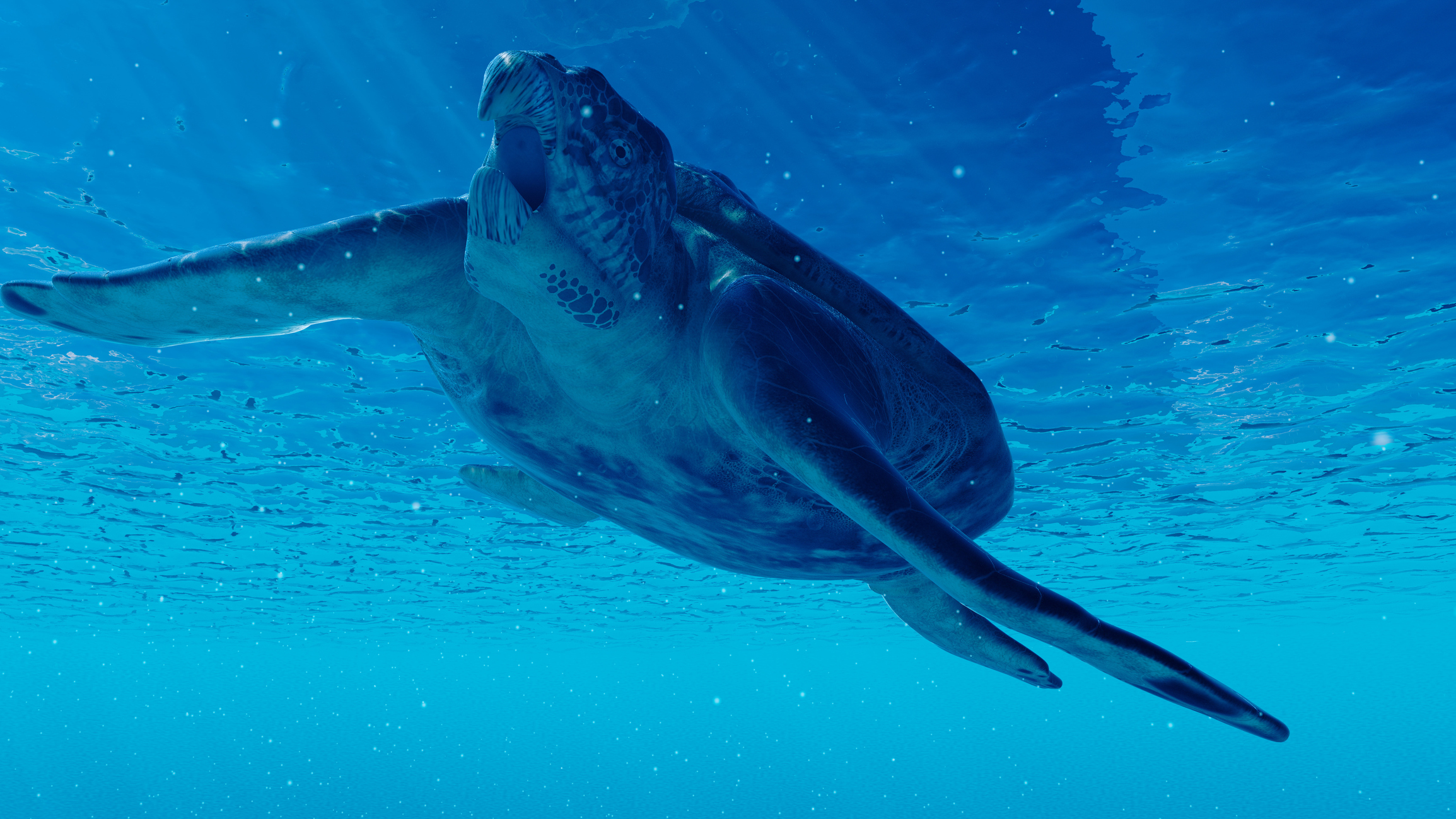
Some myths speak of creatures so vast they blur the line between land and sea. The Fastitocalon, a legendary “turtle-fish”, is so immense that sailors mistake its weed-covered shell for a small island. When they land and light fires, the creature dives into the ocean depths, drowning them all. Originating in medieval texts, the Fastitocalon also famously appears JRR Tolkien’s poetry, as the subject of a Hobbit poem included in The Adventures of Tom Bombadil. The legend of the Fastitocalon is thought to stand as a warning against deception and false security.