
Get outside of the cities and the UK is full to the brim with stunning landscapes. Across national parks and wide open fields, there is an abundance of walks, swims and hikes to get involved with. But for the more adventurous, turn your eyes upwards and you’ll see something the UK does best.
Whether it’s North Wales, Cornwall or somewhere in the Midlands, the UK has some fantastic climbing routes. These cover all different skill levels and types of climbs.
So with so many good options, where do you start? We spoke to Pete Whittaker, one of the UK’s best climbers, to learn his favourite spots and where he would advise both beginners and advanced climbers to head.
For those who aren’t familiar, Pete is one half of the popular climbing duo Wide Boyz. He is considered one of the world’s best crack climbers and has a list as long as the cliff faces he summits of impressive climbs.
Obviously with any climbing, both indoor and outdoor, make sure you are following all of the safety steps and are properly trained in whatever activity you are looking to take part in first.
Peak District
The UK’s first national park and Pete’s nearest outdoor climbing area, the Peak District is home to some of the best routes in England.
“I’d say the Peak District is my favourite place to climb. It’s where I grew up and I’ve done a lot of climbing there, but also, in the Peak District we have gritstone. I don’t think there is anywhere else in the world where there is gritstone like this,” Pete told BBC Countryfile Magazine.
“I’ve not found anything like that rock type anywhere else in the world. There is something really unique about it which is what I like about it. I started climbing there when I was about seven.”
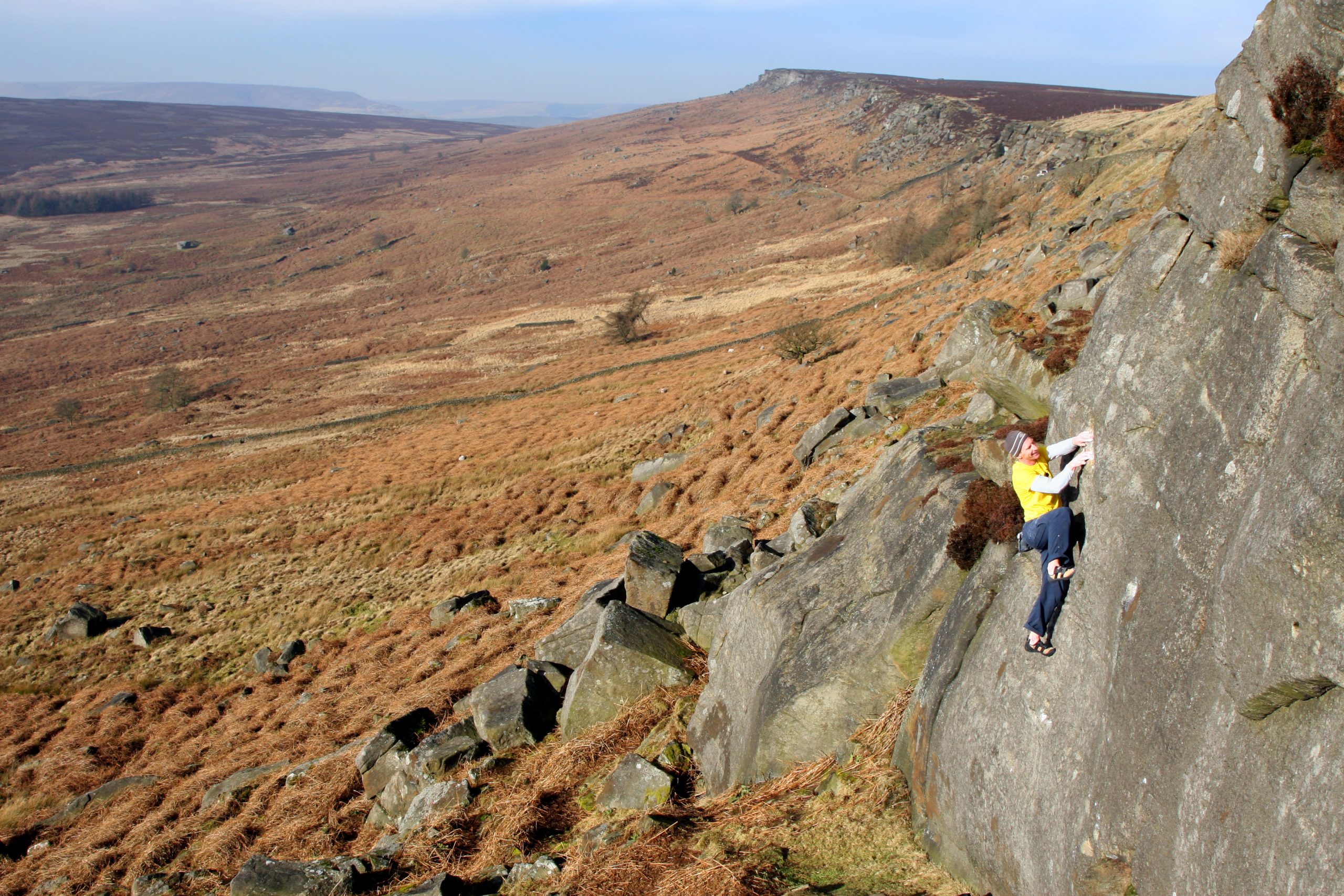
For climbers that have attempted a gritstone route before, you’ll know that it can be a mixed experience. Gritstone is hard, coarse-grained sandstone. It has a texture similar to sandpaper.
That, on paper, sounds horrible, but it has its benefits. The coarse nature of the rock gives it a lot of friction, allowing you to adopt a style that is much harder on most other types of rock. You can stand on or move around on textures that would otherwise just not be possible.
However, where there are benefits, it also has its downsides. It is incredibly rough on your skin and the grit often lacks the obvious handholds found on other rock types.
“The routes in the Peak District are pretty short, but if you pick the right ones they pack a good punch. It is certainly a unique type of climbing, and it has taught me about climbing all over the world,” Whittaker explained.
Not sure where to start? For both beginners to outdoor climbing and those who are just new to the UK, Whittaker had a few key suggestions to get started with in the Peak District.
“Stanage Popular is a good place to start. However, as the name suggests, it is very popular. Burbage Valley, particularly Burbage North is good for people who are newer to this type of climbing. Or places like The Roaches. All of those places are great,” said Whittaker.
Within the climbing community, Peak District’s gritstone has a bit of a reputation, and it can seem like one of the more dangerous places to go. However, that is mostly due to a few specific routes.
“The Peak District climbing has a reputation of being very bold and dangerous, but I think that’s because of a few climbing films focusing on the more dangerous routes with bad falls. Actually, the majority of the Peak District climbing is very beginner-friendly,” Whittaker added.
“I’ve done some coaching and stuff on the gritstone with people who’ve never done any of this type of climbing before and, as long as you pick the right routes, it can be a great place to get started. There are thousands of routes there, most of which aren’t those big dangerous ones it has a reputation for.”
Wales
While Pete’s background and experience is heavily based in the Peak District, he pointed out another important climbing region in the UK, Wales. Known for its large peaks and dramatic landscapes, the Welsh lands hold a number of great climbing locations.
Like in the Peak District, or a host of other British regions, Wales has routes that involve bouldering, traditional climbing and lead routes, depending on where you decide to go on your trips.
“Llanberis Pass in Wales is great if you want to move on from the single pitch crags at the Peak District. North Wales is kind of the next step up in that kind of way. You can do some single pitch routes, or move into multi-pitch climbs if that’s your preference,” Whittaker explained.
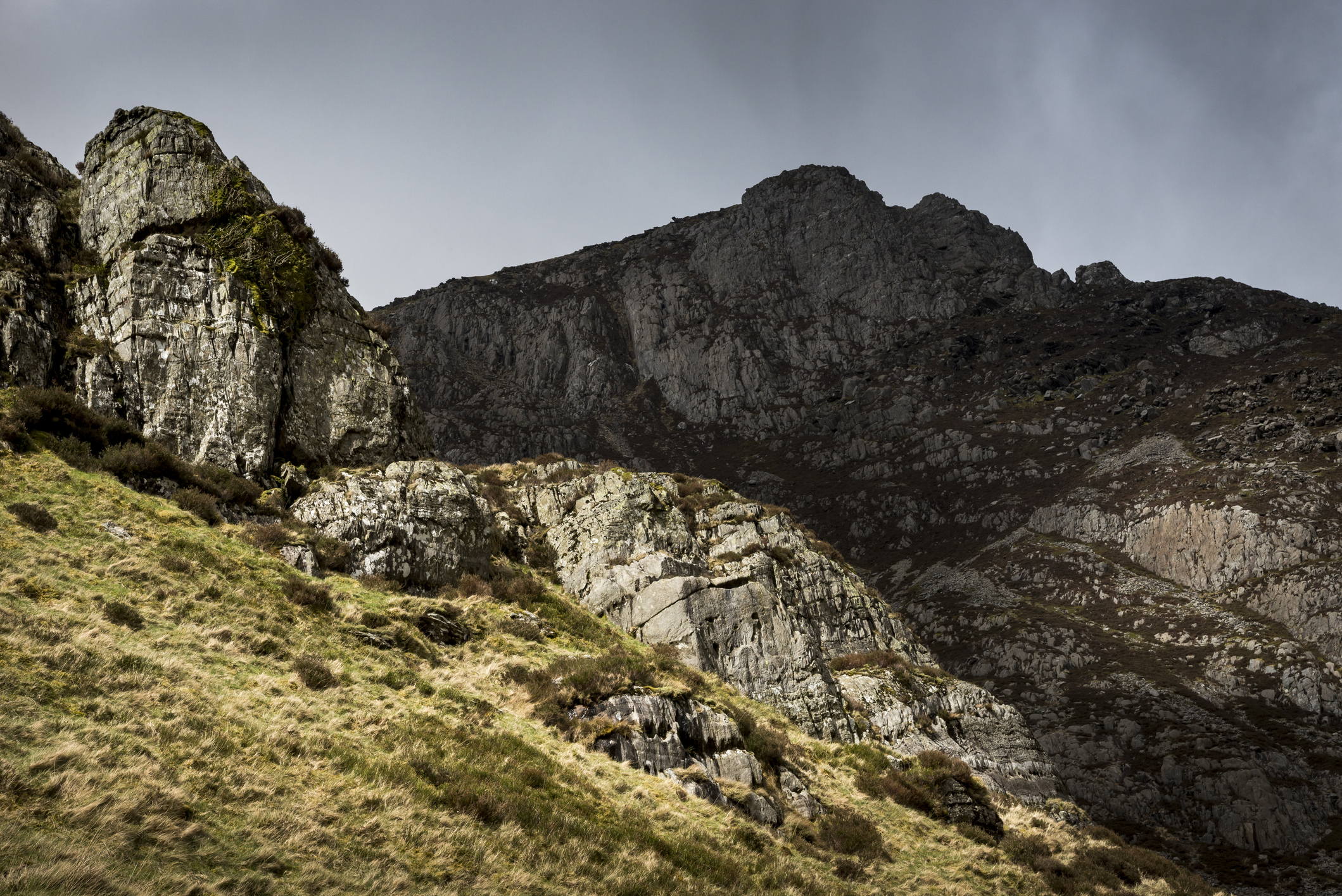
“You can really start to do further techniques here, and learn more skills. And then you have the sea cliff crags like Gogarth. These are a bit more of a commitment but they are interesting climbs.”
While in Wales, Pete also highlighted Pembrokeshire as an area with plenty of interesting climbs to get involved with. Like other parts of Wales, these can involve more commitment, with some routes needing to be abseiled down to or requiring a bit more of a journey to get to.
Other climbing routes
Pete highlighted the Peak District and Wales as his two favourite areas in the UK, but there are plenty of other areas to explore.
“Cornwall has some really nice single pitch and multi-pitch climbs as well. The Isle of Sky is really nice too. That’s a lot more walking and scrambling than climbing, but that’s a really nice setting for climbing. Except for the midges,” Whittaker said.
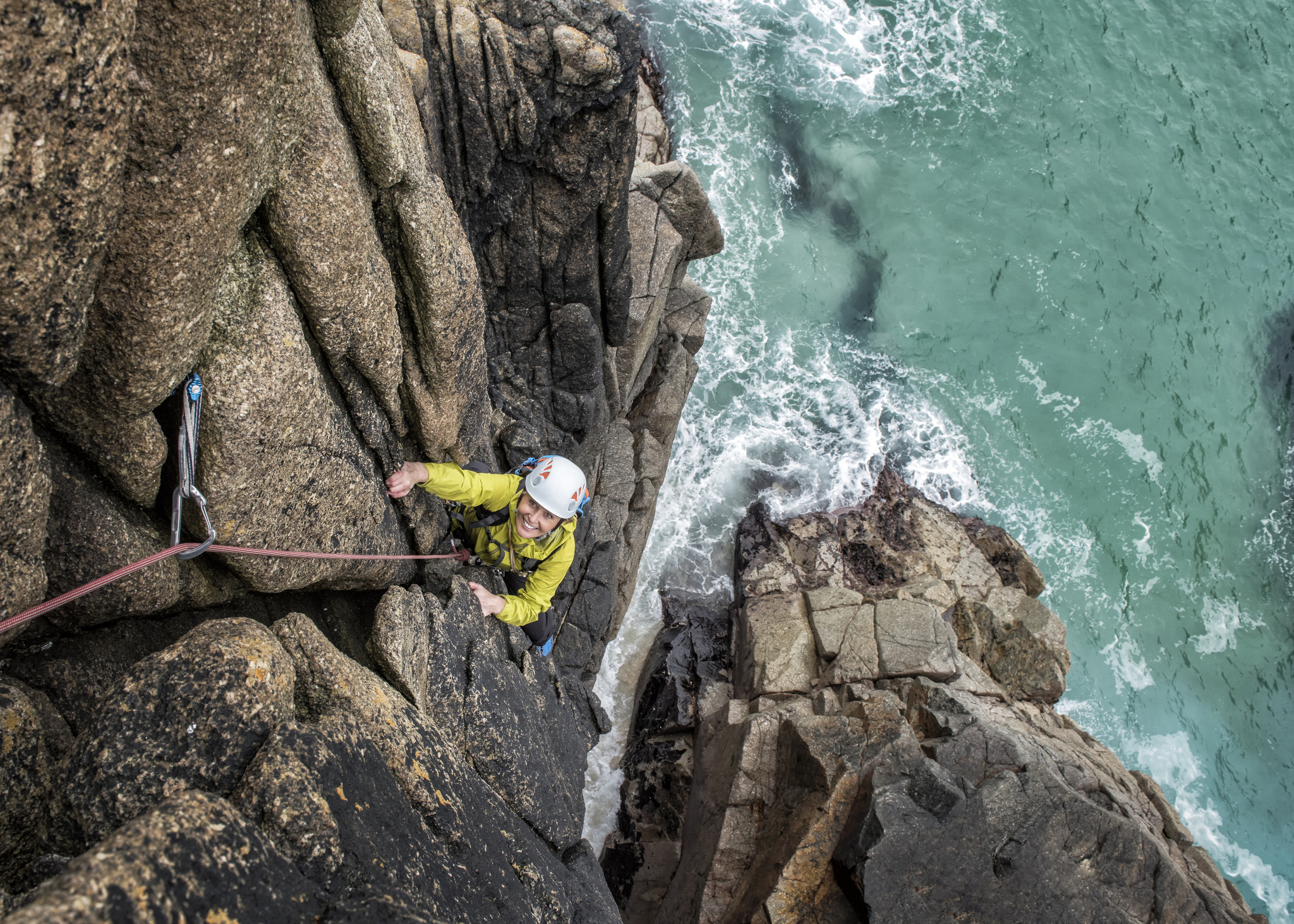
In all of these regions, whether you’re heading to Wales, the Peak District, Cornwall or just your local outdoor climb, make sure you are heading somewhere with a route that matches your experience level. If you’re starting out, there are plenty of courses that can teach you the ropes.
If you’re completely new to climbing, it is best to spend a while learning in indoor climbing gyms before you even think about heading outside. For the more experienced, starting off with the easier outdoor routes is crucial.
“Don’t just jump straight into abseiling down cliff faces for hard-to-reach climbs, or attempting a three-pitch route if you’re new to outdoor climbing. Look for the nice single pitch climbs to start off with. All of the areas mentioned have routes like this.”
Whatever your experience level, the UK has climbs that can suit your style and skill. The first step is getting out there.
