
America is full of architecture influenced by British homes. This will come as no surprise to anyone, but what is surprising is one manor house located in Virginia. It’s not because it is inspired by British architecture… it is a British home, right down to its bones.
And we mean that quite literally. Bizarrely, Agecroft Hall, a manor house originally built in the English village of Pendlebury in the 15th century, can now be found in Richmond, Virginia in the US.
So how does an ancient property find its way across the pond? Unsurprisingly, it didn’t teleport there. Instead, the house was dismantled piece by piece, put onto boats, sent to Virginia and rebuilt.
If this sounds truly bizarre to you, you’re not alone. Welcome to the strange history of Agecroft Hall.
Medieval origins
While this property still exists in the world of 2026, we need to go way back to understand its origins.
The house has gone through many iterations. For nearly 200 years, Agecroft was the home of the Langley family, one of the most important families in Lancashire (where the house was originally located).
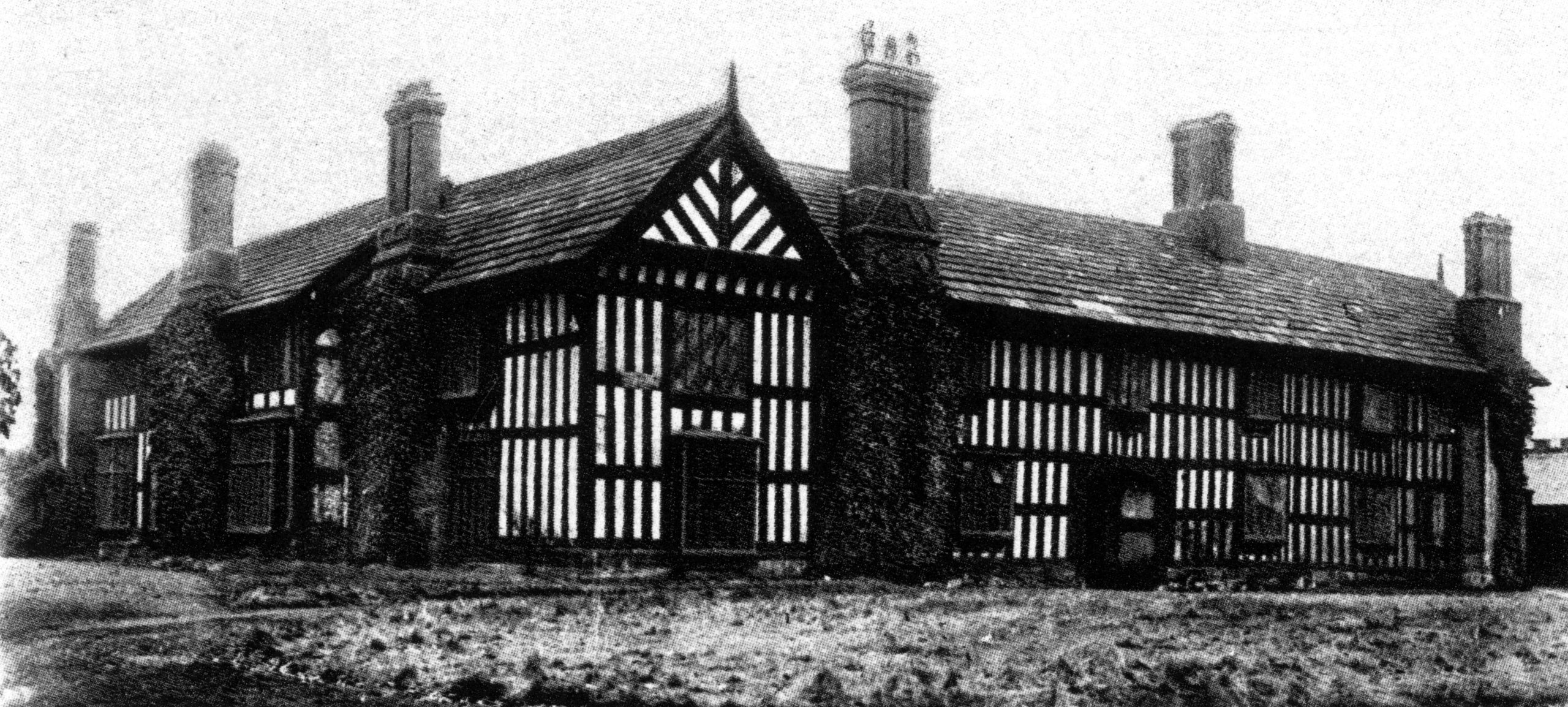
For several generations, this family was involved in national politics and royal affairs. Across the family's reign, the property went through a number of different iterations. By the 16th century, Agecroft had been turned into a massive Tudor manor.
In 1561, the Langley line came to a sudden end when Sir Robert Langly III died without a son. His daughter Anne Langley inherited the house and land and married William Dauntesey.
Moving over to the Dauntesey family, the house was given a makeover, turning it into a (for the time) modern English household, decorated with the riches of the time.
Agecroft Hall's downfall
After years of countryside dominance for the wealthy elite, it all came crashing down with the industrial revolution. Coal mining expanded around Agecroft, and canals and railways cut through the surrounding landscape. In other words, the beautiful landscape that made the property what it once was began to disappear.
Then, more disaster struck with a serious fire in 1894 destroying much of the house. Repairs followed but the problems were becoming increasingly difficult to deal with. Eventually, the house became unoccupied and deteriorating.
Changing hands
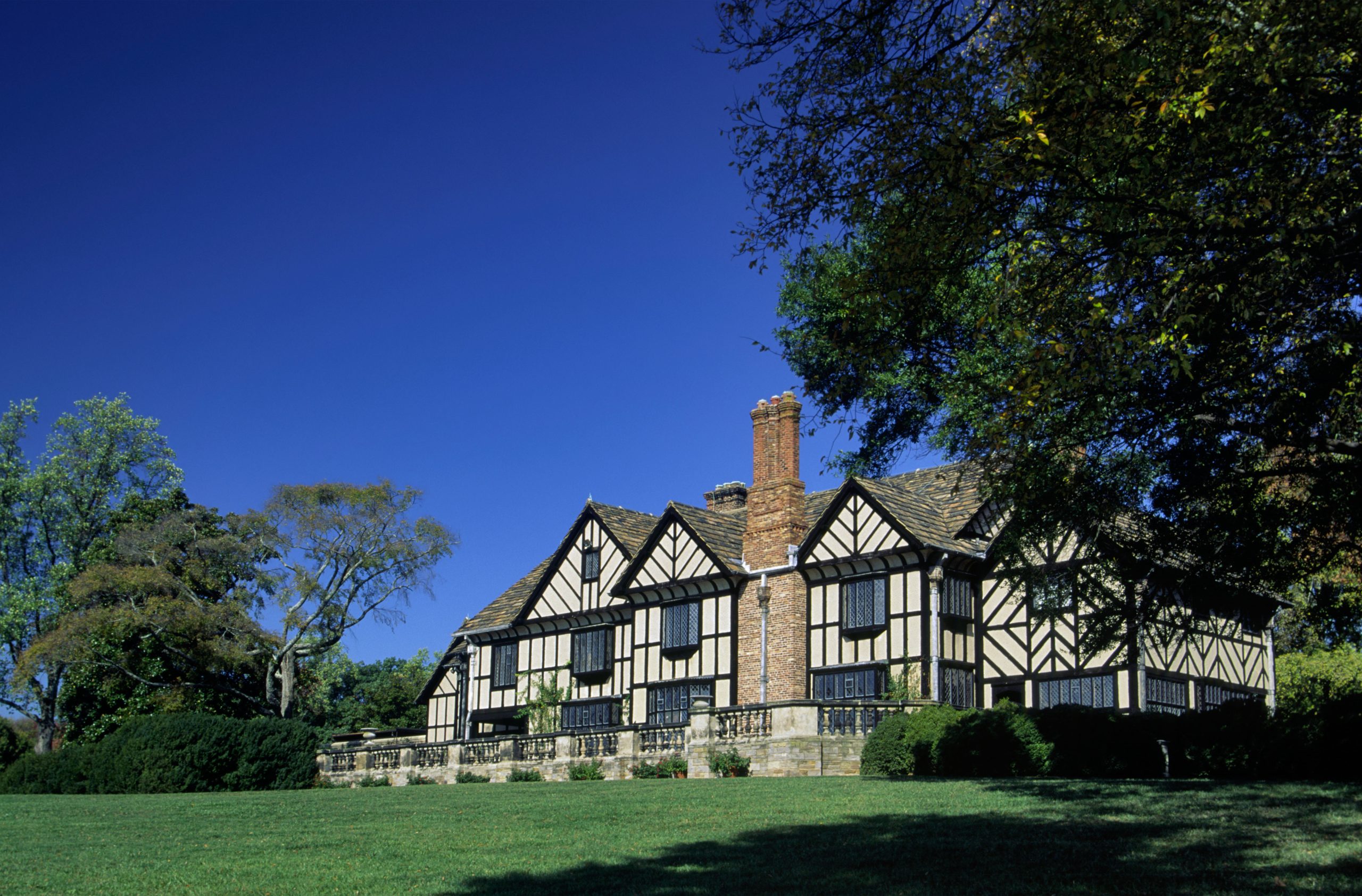
With costs rising, the decision finally came in 1925 to put the house up for auction. A surprising bid was made, coming from an American businessman from Virginia. Reports say he bought Agecroft without even seeing it in person.
But he didn’t want to move to England, instead Thomas Williams Jr and his team of advisors decided to bring the house to the US. This involved completely demolishing the house, transporting it by boat to the US and rebuilding it.
Workers carefully took the house apart, labelling timbers windows, panelling, stonework and each individual element and putting them onto boats. It was essentially a giant Ikea-like flatpack house.
Usurpingly, the house isn’t exactly identical to how it was in England. The property was modernised, keeping much of the Tudor charm but abandoning much of the medieval features for modern comfort.
A garage for cars was added, steel beams for support and the overall property was reduced in scale.
In total, it took roughly two years to rebuild the house. In December 1927, Williams and his wife moved into the house. However, he died just two years later. After years of living there alone, his wife eventually left too, with the house being turned into a museum.
It still stands to this today in the same place in Virginia and you can go visit it yourself. Of course, it’s not quite the original Tudor manor that it once was, but it does tell the story of one of the world’s more bizarre houses.
