Thomas Telford was born into poverty in 1757 and raised in a one-room cottage in the Scottish Borders. This son of a shepherd went on to transform the face of rural Britain with his civil engineering masterpieces and is buried among the greats in Westminster Abbey.
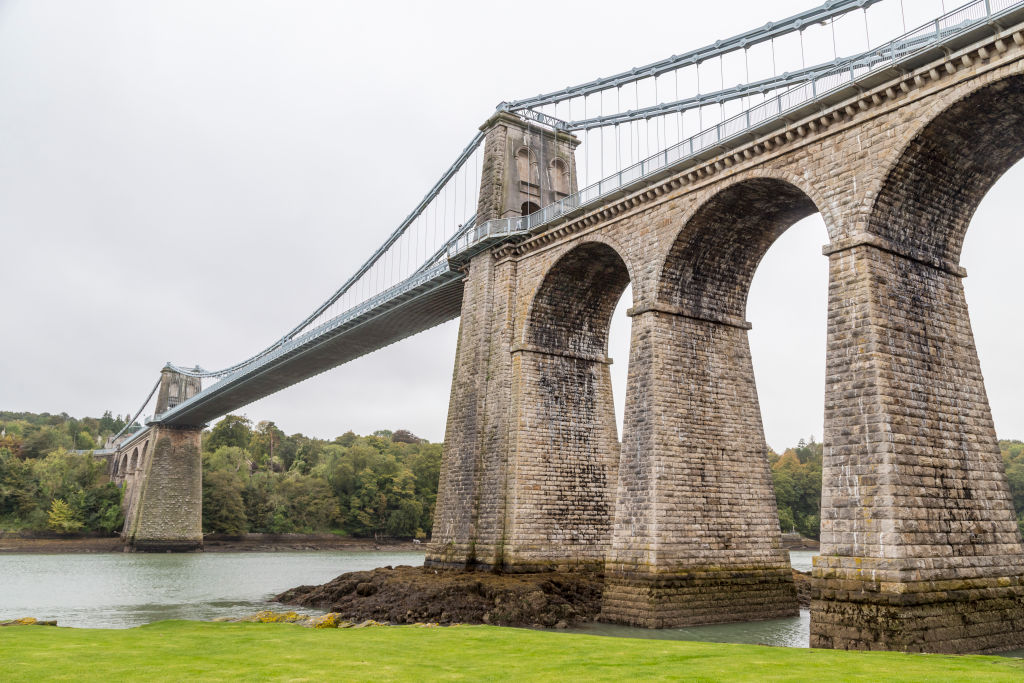
2026 marks the 200th anniversary of one of his finest achievements, the Menai Suspension Bridge that carries the A5 from the Welsh mainland across the strait to the Isle of Anglesey. At the time this beautiful bridge was being built some critics predicted it would never work, but it did – and still does, because Telford’s pioneering projects were designed to last.
Today we still travel along Telford’s roads, well over 1,000 miles of them (not for nothing was he nicknamed The Colossus of Roads). We still take boat trips along his canals and still cross his bridges and aqueducts. So how did a peasant boy who worked hard to pay for lessons in the Eskdale village school and later admitted he really wanted to be a poet, become one of the greatest engineers of all time?
I got to know about Telford back in my Newsround days when I made a TV series called Breakthrough about visionary men who, during the Industrial Revolution, completely changed the way people and goods travelled. The list included railway pioneers and bridge builders Robert Stephenson, Isambard Kingdom Brunel (engineer of Bristol's Clifton Suspension Bridge) and, of course, Thomas Telford. They called themselves civil engineers – before then engineers had been military men who designed ‘engines of war’. Telford was the father-figure of this new breed who thought outside the traditional box and created a whole new infrastructure across the country.
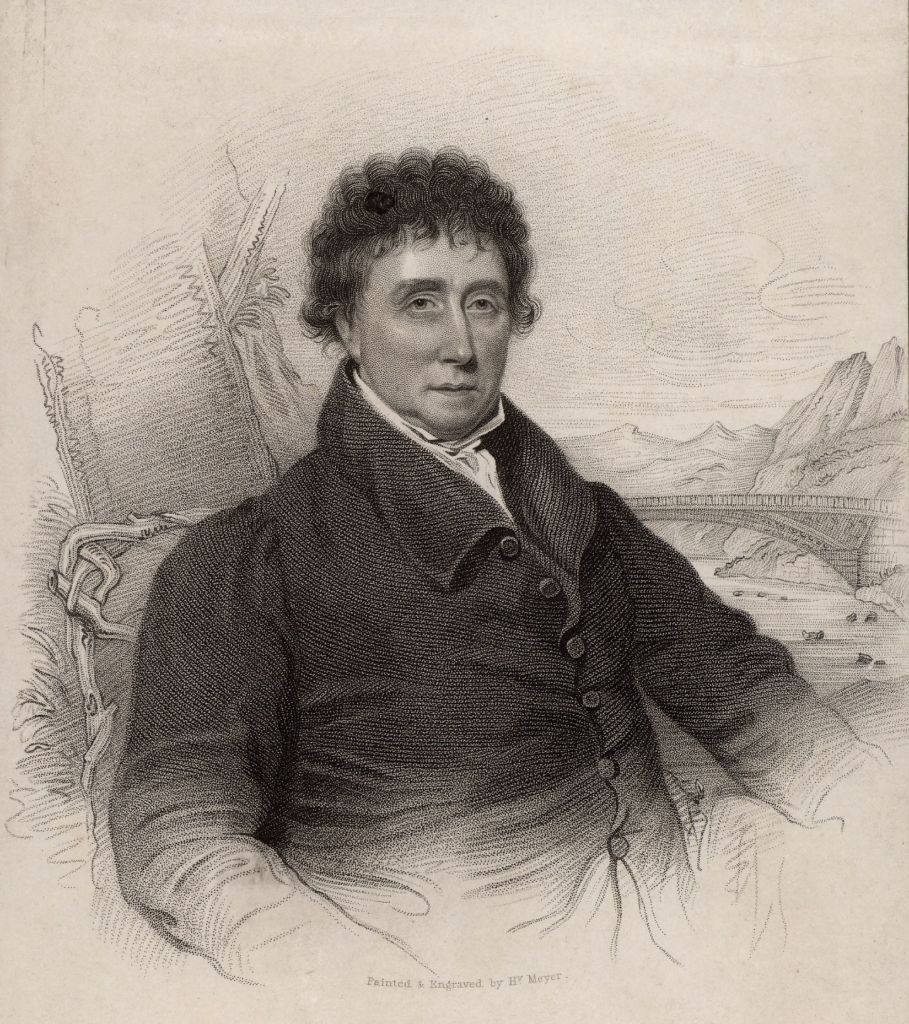
Thomas Telford's early education
At the age of 14 Telford was apprenticed to a stone mason and in his mid-20s headed to London, where he worked by day on new buildings such as Somerset House and studied architecture at night. By the time he was 30 he was on his way up as county surveyor of Shropshire. But he always kept his mason’s chisels sharp. “You never know what might happen next,” he wrote to a friend.
Fearless engineering design
Just about everything that happened next was mind-blowing. First was ‘the stream in the sky’ – his spectacular Ponycysyllte Aqueduct, which opened in 1805 and still transports the Llangollen canal in a 307-metre-long iron trough supported by 18 stone pillars, 39 metres above the valley of the River Dee at Pontcysyllte. When construction began, there were fears workmen would become “giddy with terror”, but in the 10 years it took there was only one fatality. What some had dismissed as a crazy idea made Telford famous.
He was much in demand at the height of the canal-building frenzy. One major challenge was to build the Caledonian ship canal, which joins the lochs of the Great Glen and links the North Sea to the Atlantic. It took 3,000 men nearly 20 years to complete, bringing much needed employment and new skills to a deprived region. Throughout that time Telford kept a close eye on its progress while being hands-on with dozens of road and bridge building projects across Scotland. He never married and was so devoted to his work that he reportedly never took a holiday.
The building of the Menai Suspension Bridge
Telford was always confident but admitted that one of his later projects gave him many sleepless nights: the building of the Menai bridge. Until then the only connection between Anglesey and the mainland was by ferry, and island farmers had to swim their cattle across the dangerous, swirling waters of the strait on their way to market.
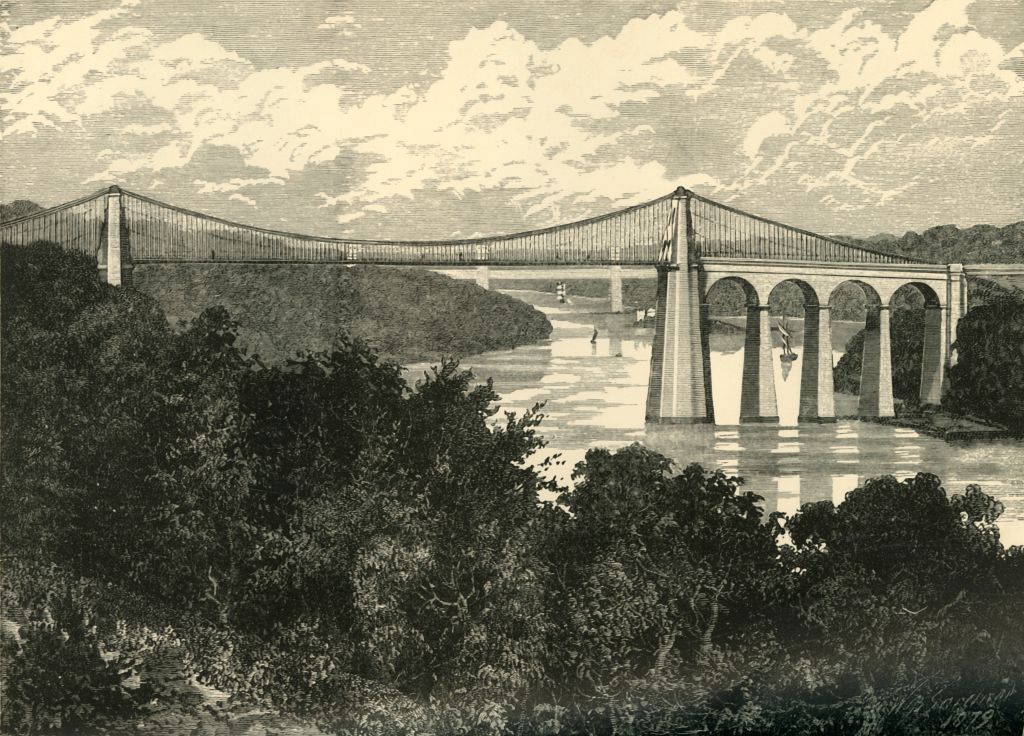
What Telford proposed was the first of its kind: a suspension bridge with a roadway 30 metres above the water so tall-masted ships could pass underneath. It was held in place by 16 huge iron chains, each weighing 121 tons. They were winched into position from a barge by 240 men heaving at two giant capstans – an incredible feat, and one Telford watched anxiously until it was safely completed. I filmed for Countryfile at the bridge to celebrate its bicentenary and standing by the water’s edge I was amazed by his audacity and courage.
Telford once invited Robert Southey, the Poet Laureate, to accompany him on one of his long inspection journeys. Southey concluded: “Telford’s is a happy life: everywhere making roads, building bridges, forming canals and creating harbours – works of sure, solid, permanent usefulness. A man more heartily to be liked, to be admired, I have never met.”