Hosting the Olympic Games is a chance for a country to showcase itself on the world stage, with billions invested in spectacular new stadiums, arenas and sporting facilities. But once the closing ceremony is over and the crowds disappear, not every venue enjoys a lasting legacy.
While many have found a new purpose, others have been abandoned, left to decay or become relics of a forgotten Games. Now, it's time to uncover what became of them after the Olympic spotlight faded.
1. Sarajevo Olympic Bobsleigh, Luge Track and Ski Jumps
- Location: Bosnia and Herzegovina, Sarajevo
- Olympic Games: 1984 Winter Olympics
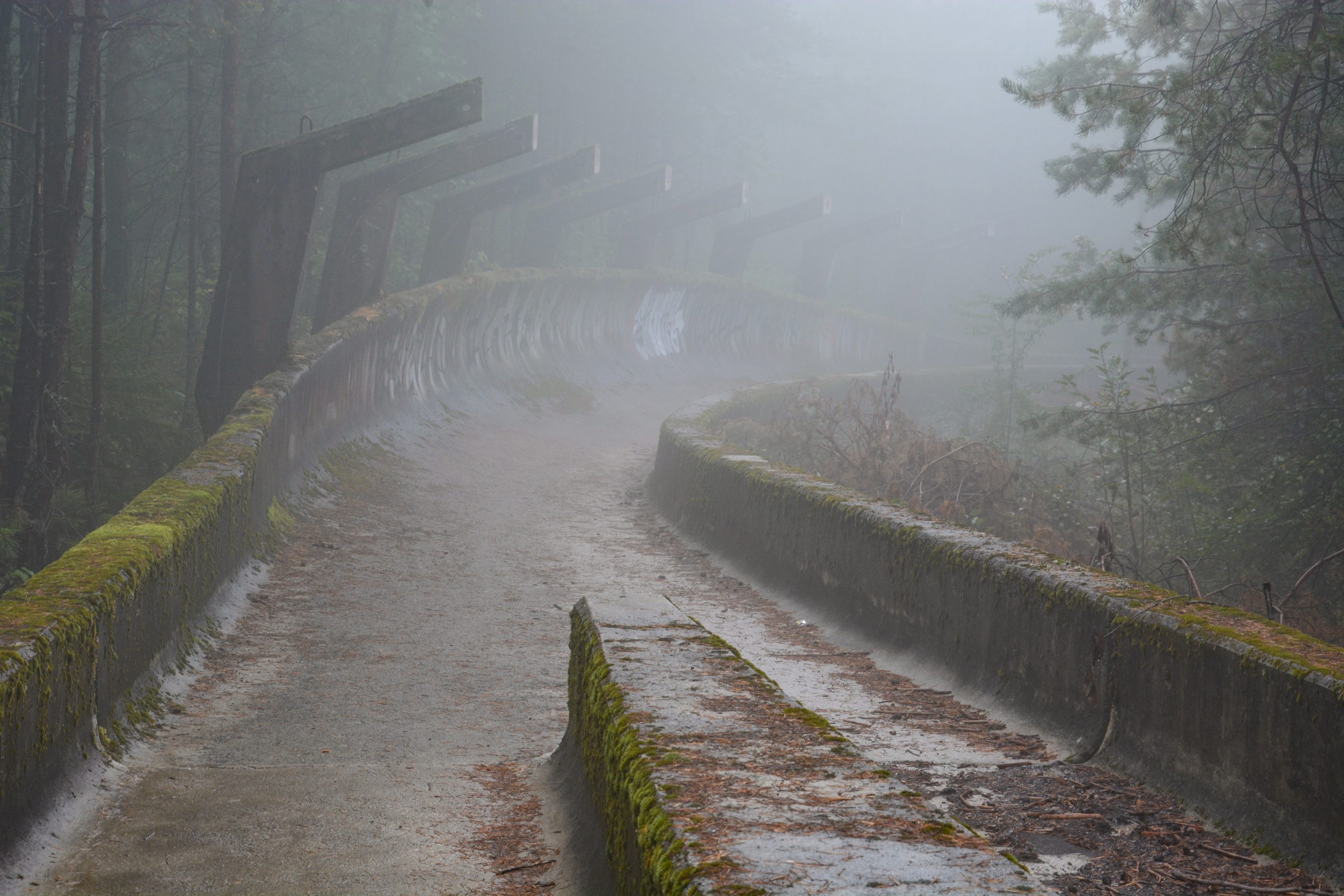
Built on Mount Trebević overlooking Sarajevo, the bobsleigh and luge track was constructed to showcase the former Yugoslavia's ability to host a major international sporting event. During the 1984 Winter Olympics, it hosted bobsleigh and luge competitions and became one of the most recognisable venues of the Games. For several years afterward, it continued hosting international competitions.
The decline of the popular venue was not caused by a lack of visitors, but rather by war. During the Bosnian War and the Siege of Sarajevo in the 1990s, the track was used as an artillery position and suffered extensive damage. Although some of it has been cleaned and partially restored, much of the structure remains covered in graffiti and scarred by conflict.
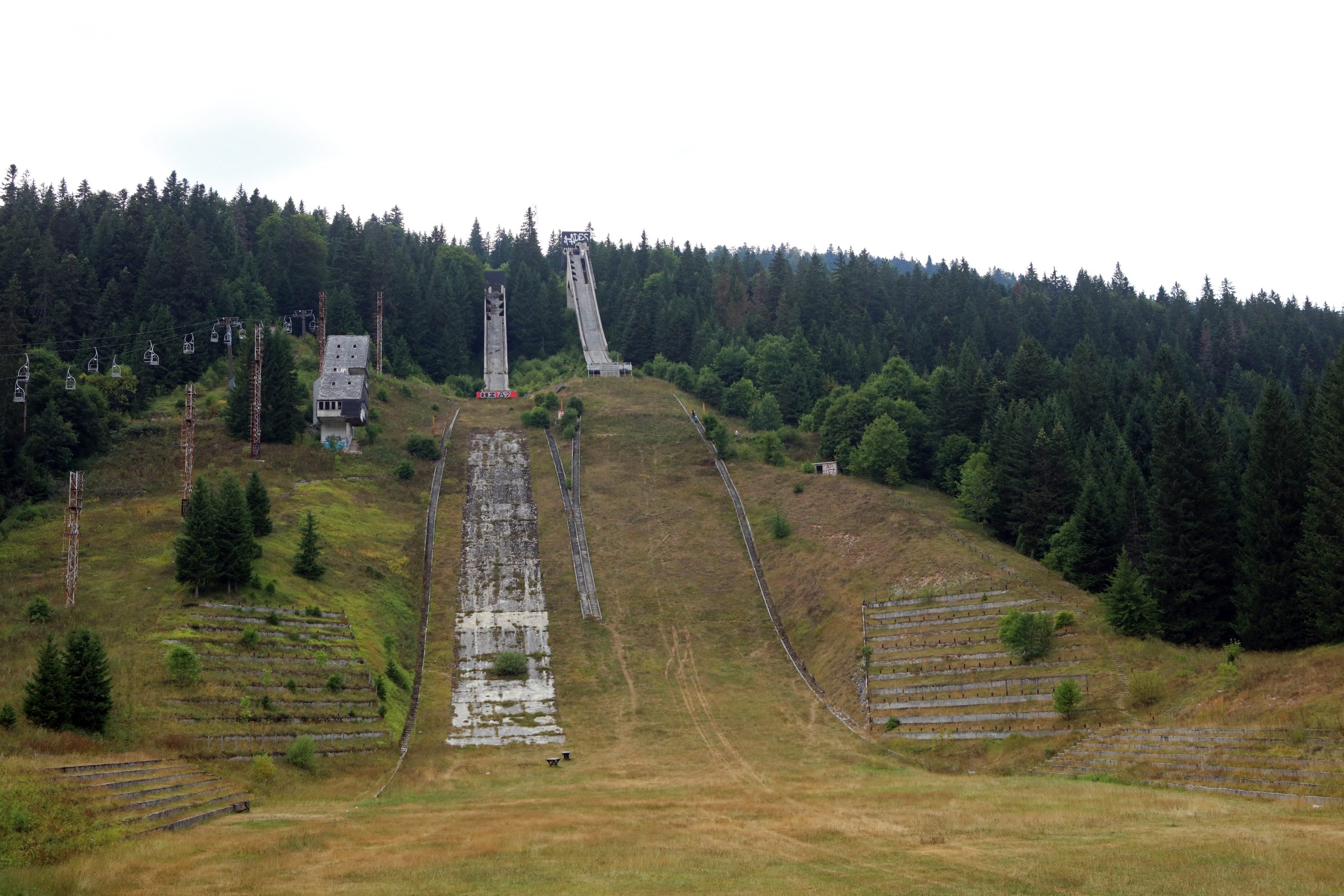
Similarly, the same Olympic year, ski jumps on nearby Mount Igman attracted large crowds and symbolised Sarajevo's emergence as an international winter sports destination. Today, the twisting maze of tracks and jumps on both mountains now lies abandoned.
- Thought this Winter Olympic sport was Canadian? This is its real origin story – and why its most important element is still made from one tiny Scottish island
- Crowning achievements: These royals were all elite athletes (some might surprise you)
2. Beijing Olympic Beach Volleyball Venue
- Location: Chaoyang Park, Beijing, China
- Olympic Games: 2008 Summer Olympics
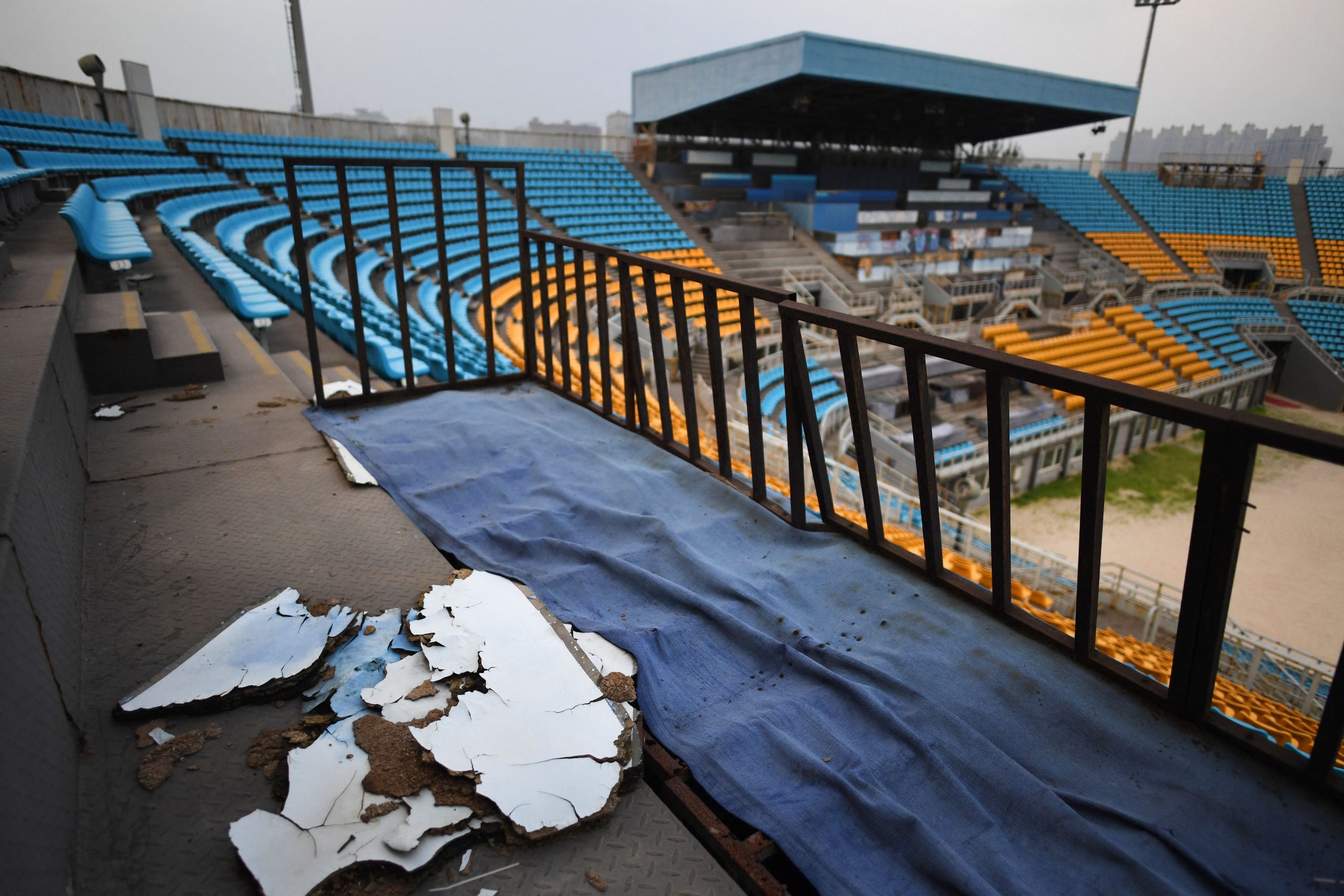
The beach volleyball court was one of nine temporary venues built for the Beijing 2008 Olympics. The venue was created in Beijing's Chaoyang Park using 17,000 tons of imported sand from Hainan Island. During the Games, it provided a unique urban setting and successfully accommodated large crowds of up to 12,200 spectators for one of the Olympics' most popular events.
Unlike other abandoned Olympic facilities, the beach volleyball venue was originally conceived as a temporary structure, meant to be dismantled and reused afterwards. However, almost 20 years later, the dilapidated structure still stands, falling farther and farther into neglect.
This is not a story in isolation, either. Cities face huge challenges when transitioning these temporary infrastructures post-Games, as highlighted in Rio's case years later.
3. Berlin 1936 Olympic Village
- Location: Berlin, Germany
- Olympic Games: 1936 Summer Games
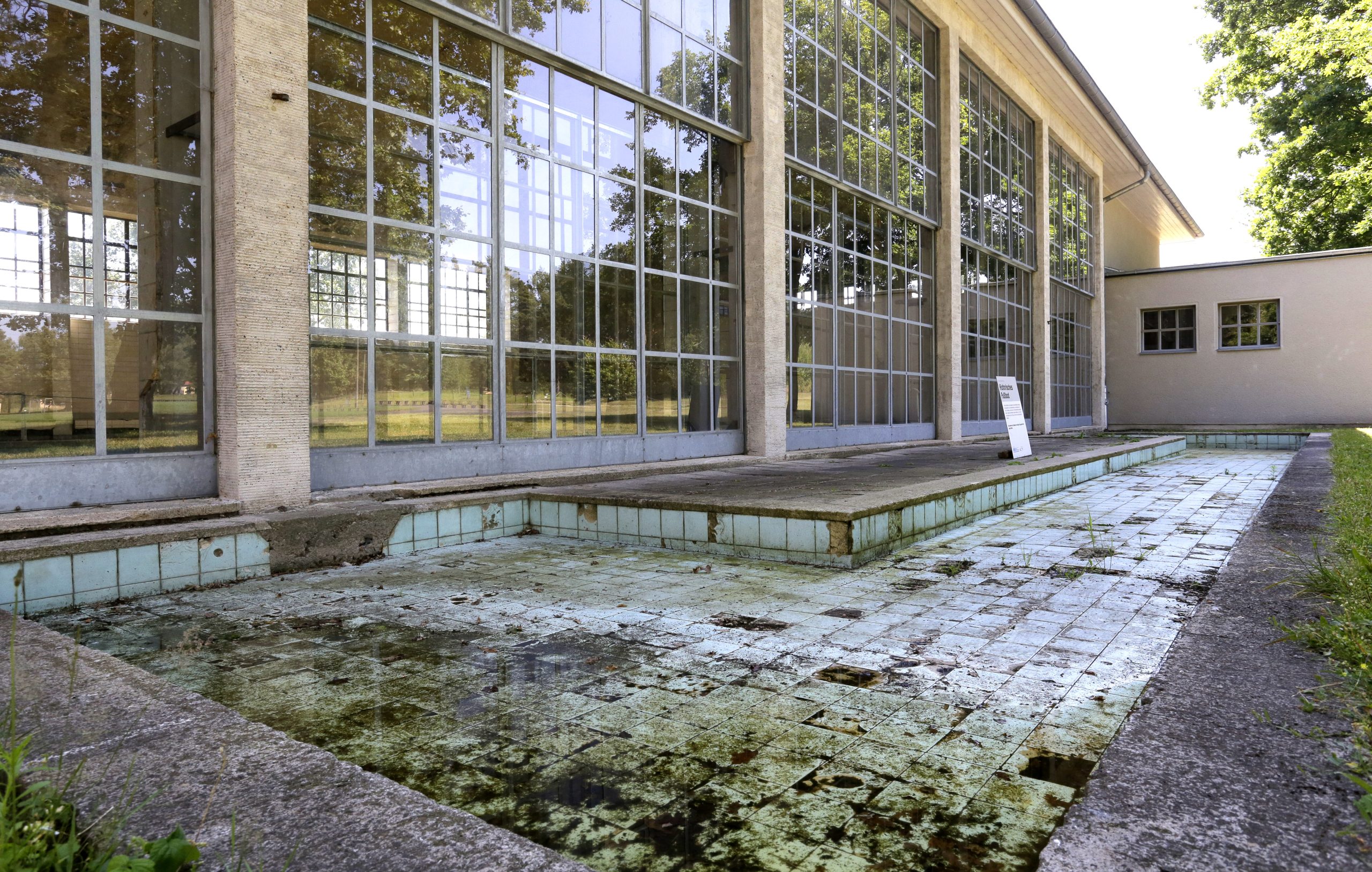
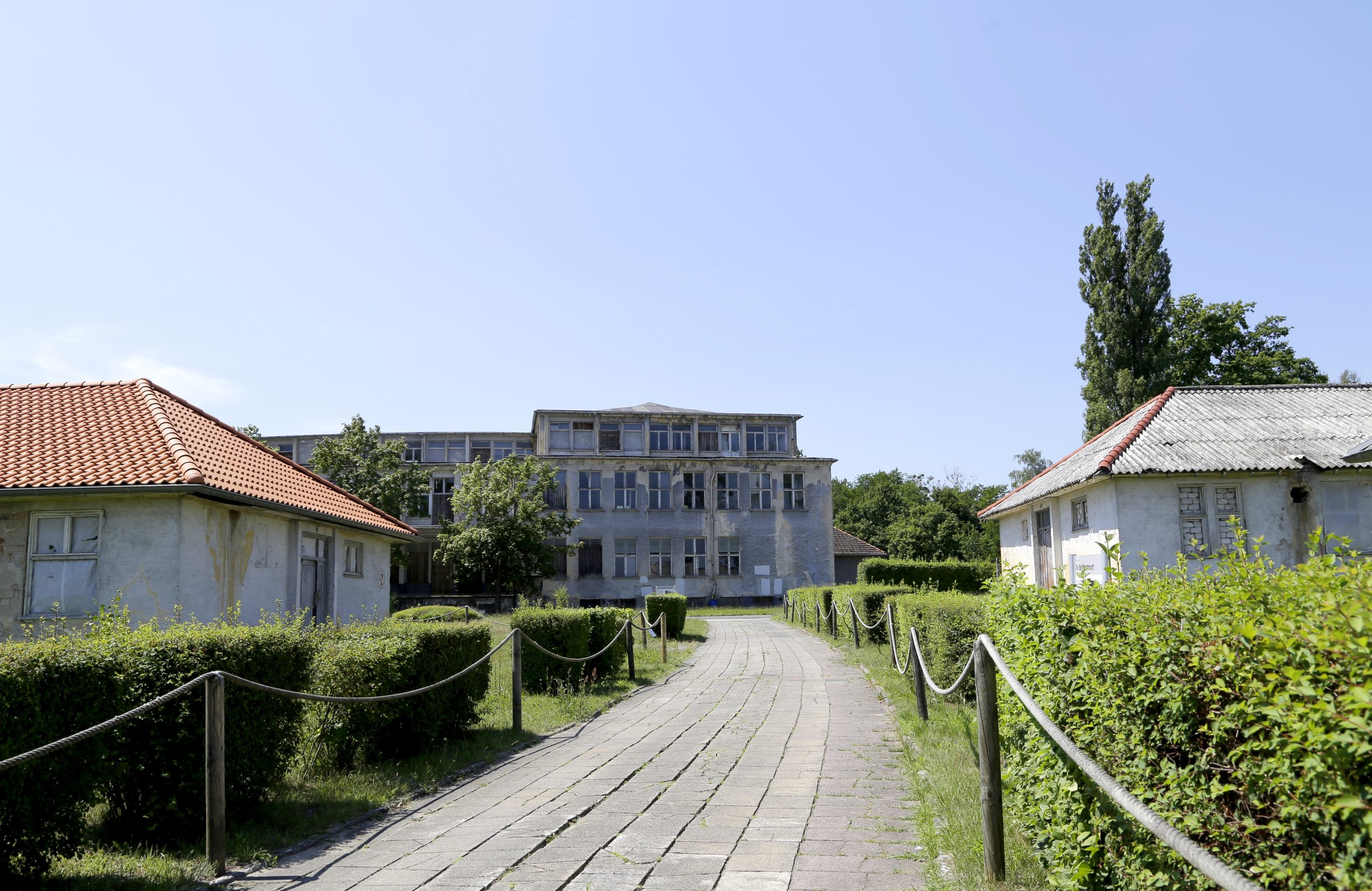
Berlin's 1936 Summer Olympic Games Village and Reich Sports Field were designed by brothers Werner and Walter March and built in the years 1934-1936. During the Games, approximately 3,600 athletes with coaches and staff stayed in the village.
The village consisted of a reception building, 136 single-storey and five two-storey residential buildings, a large dining house, a kitchen house, the Hindenburg House, the Commandant's House, a sports hall, a swimming pool, a sauna, and a hospital. The Dining House of Nations consisted of 38 dining rooms.
After the Games, the Olympic Village was used as a military base during and after the Second World War. Afterwards, it was left to decay naturally over the decades. Recently the neglected site has purchased by private real estate developers aiming to restore parts of the decaying complex.