
The Lake District is not only England’s largest national park, but it is also a UNESCO World Heritage Site, a protected National Park, and home to Scafell Pike, the highest mountain in England.
In other words, this is one of England’s most important natural sites. Unlike some of the UK’s other national parks, which are named after the local area, the Lake District’s name comes from its abundance of natural water sources.
So, with a name like that, you would assume that the Lake District would have an abundance of lakes to gaze at, right? Well, kind of.
How many lakes are in the Lake District?
Technically, the Lake District has just one lake. Yes, we know, the naming convention got a bit confused here, but its not quite that simple. If you throw terminology out of the window, there is actually 16 major bodies of water in the Lake District.
Bassenthwaite Lake, found near the town of Keswick, is the only body of water in the Lake District to be titled as a lake. Despite this, It is the fourth largest body of water in this region.
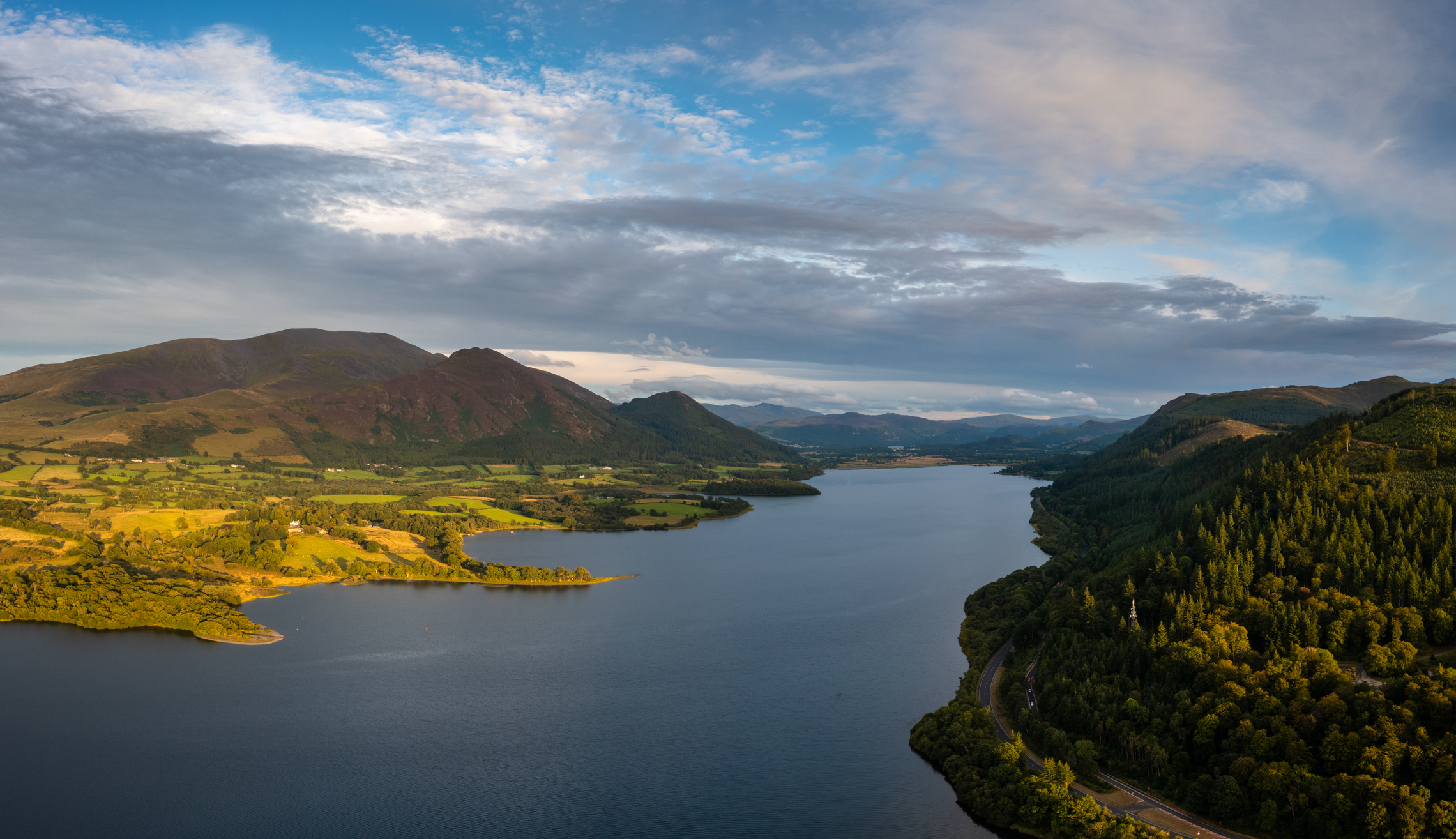
Other bodies of water are labelled with different names for lakes such as tarns, meres and waters. All three of these terms refers to different types of lakes.
A tarn is a smaller glacial lake, often higher up in the fells. A mere is often the largest, determined by a large width matched with a shallow depth comparative to its size.
Why is the number of lakes disputed?
This all comes down to a simple battle of terminology. Of course, you don’t want to anger a local by getting into an argument about whether there is 1 or 16 lakes, so why is it like this? It all comes down to history.
A very long time ago, before the Lake District existed as a national park, Norse settlers and Anglo-Saxons went about naming this vast area of land.
Water comes from an old Norse term, and Mere comes from an Old English term. Jump forward in time, and these names were cast in history when the Lake District National Park was formed.
While the use of lake, mere, tarn and water have all come from different origins, they do all mean slightly different things.
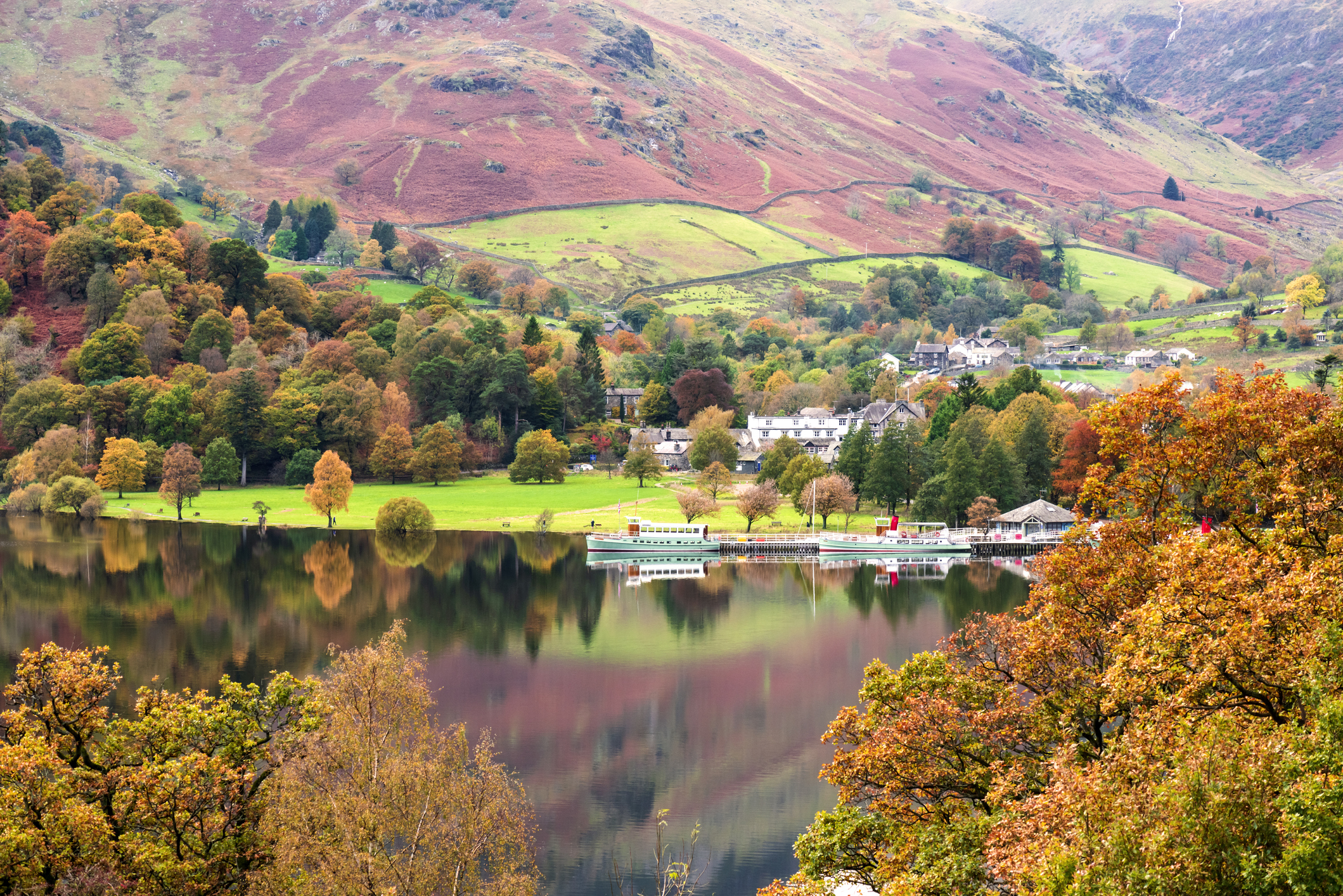
What are the 16 ‘lakes’ in the Lake District?
Sure, there is technically just one lake, but with all of the many clarifications above, what are the 16 ‘lakes’ in the Lake District?
- Bassenthwaite Lake: The only one that is an official lake
- Windermere: The largest body of water in England
- Ullswater: The second largest ‘lake’
- Derwentwater: Located near Keswick
- Elterwater: Located near Elterwater village.
- Haweswater Resrvoir: A major man-made water unit that supplies about 25% of the drinking water for North West England
- Esthwaite Water: One of the most nutrient rich lakes in Cumbria, known for its fishing, particularly pike and trout.
- Coniston Water: The third largest lake in the Lake Distict.
- Thirlmere: A man-made lake created in the 19th century to supply Manchester with water.
- Grasmere: Known for its walking trails, this is one of the smaller lakes.
- Wast Water: The deepest lake in England at approximately 79 metres.
- Crummock Water: A long and narrow area of water.
- Buttermere: A small lake with a walking trail around it
- Rydal Water: Found between Grasmere and Ambleside
- Ennerdale Water: The most westerly glacial lake in the Lake District.
- Loweswater: Unique for being the only natural lake in the area that drains inward towards the centre of Lakeland rather than out to sea.
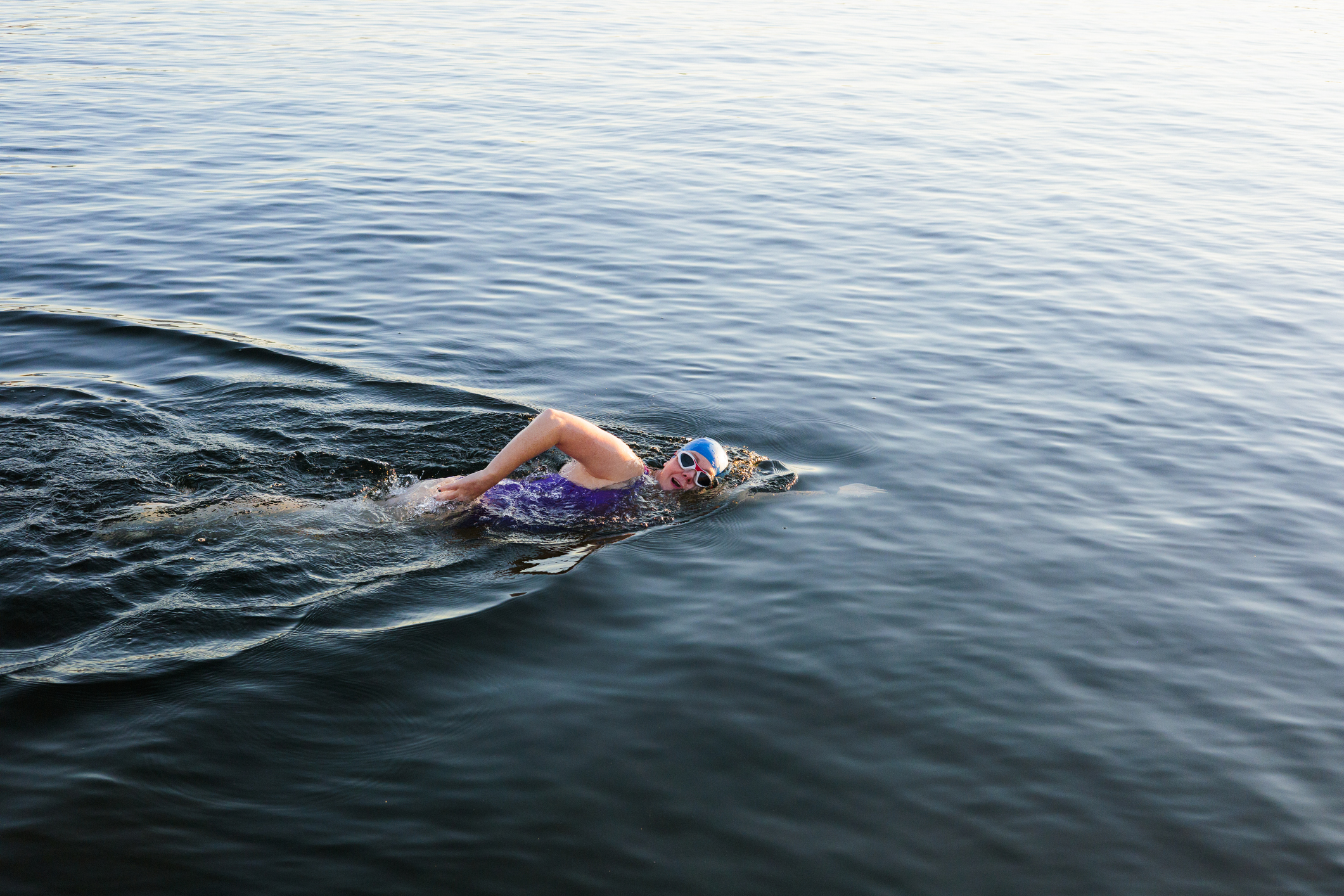
Can you swim in the lakes?
Across most of the lakes in the national park, wild swimming is allowed. However, some are better set up for this.
For example, Windermere, Ullswater, Coniston, and Derwentwater are all busier lakes that feature motorboats, sailing boats and other crafts. With this in mind, it is recommended to stick to the shoreline and stay visible on these lakes.
Swimming is not allowed in Ennerdale Water, Haweswater reservoir, Thirlmere reservoir and Kentmere reservoir.
The Lake District has a guide to what you can do at each lake if you are unsure.
