
Going hiking by yourself can be an incredibly freeing experience. You can go at your own pace, choose your own routes and do everything on your own schedule. However, it can feel daunting when you first start.
But, ironically, you're not alone. There are plenty of solo adventurers who have been doing this for years. We spoke to some of them to get their tips on how best to approach your newest hobby.
These include steps on staying safe, being healthy, and most importantly, how to have the most fun while you're doing it.
1. The joy of solo
“One of the things I love about hiking solo is not having to compromise on anything,” says adventurer and host of the Tough Girl Podcast, Sarah Williams. “I can do exactly as I please. Walking with company is great, too – but being alone offers quality thinking time and a break from the usual noise and distractions of daily life.” Planning and organising the logistics and completing the trail solo also gives a boost to your resilience and self-confidence.
2. Walk yourself healthy
“Hiking has a positive impact on every system in the body, promoting heart health, improving bone density and muscle strength,” says Jane Taylor, a fitness professional and qualified lowland walk leader. The benefits aren’t just physical: “Time spent walking in nature offers a chance to reset and reconnect”, adds Taylor. Science backs this up, with studies linking hiking to reduced stress and anxiety, improved mood and greater creativity.
3. Get planning
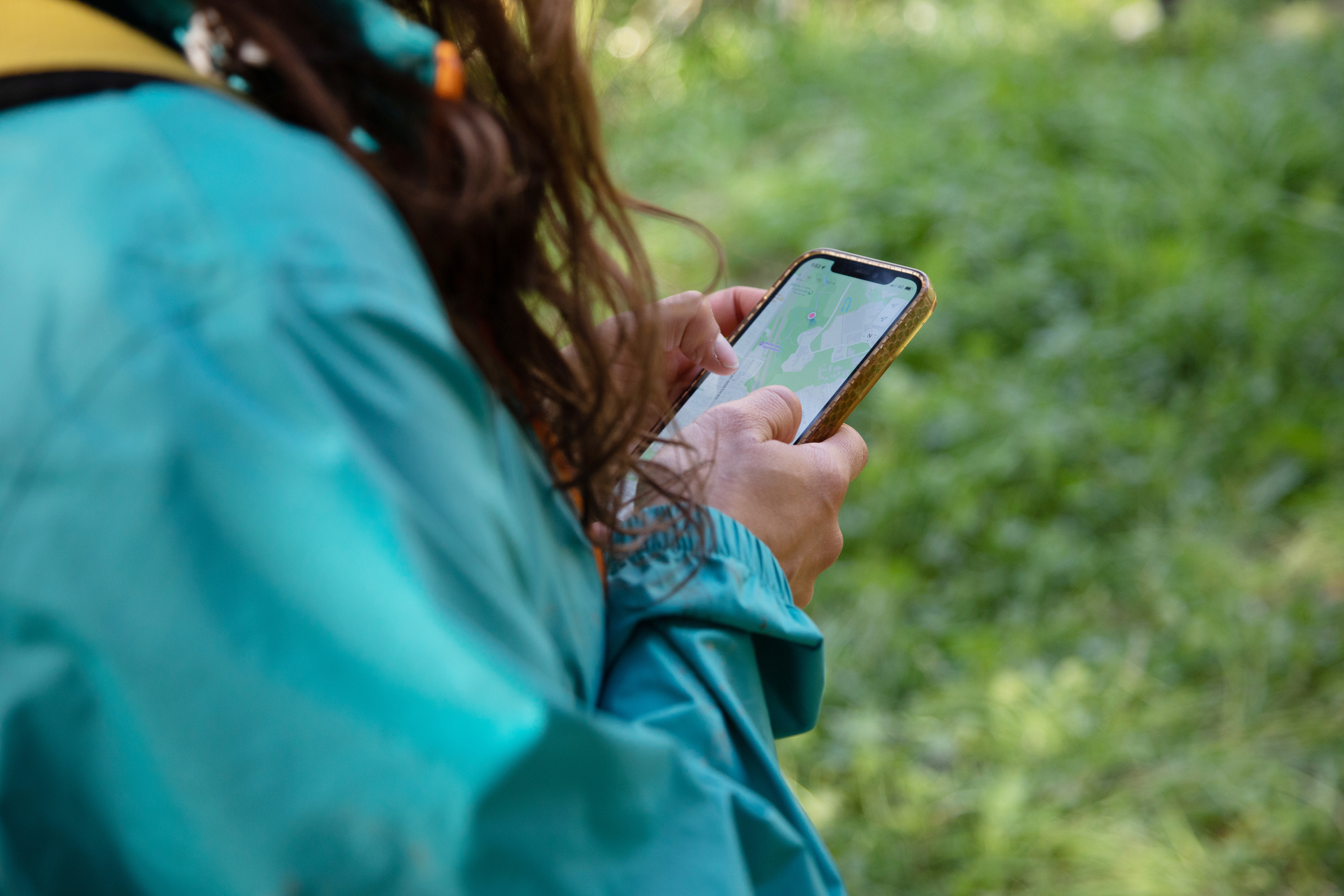
When planning a hike, consider distance or duration, start and finish points (loops work well for solo hikers), elevation and terrain. Also think about navigability – well-marked trails versus routes requiring map skills – facilities, such as toilets and car parks, and accessibility. Alice Keegan, founder of The Adventure Girls Club, an outdoor community for women, advises against being overambitious on your first outings. “You want to return feeling proud and confident, not deflated.” Walking with a group first is a great way to build confidence.
4. What if?
If worries are holding you back, Sarah Williams suggests tackling them head-on. Before you go, write down your ‘what if’ concerns: What if I sprain an ankle? Run out of water? Get lost?’ Note down how you could deal with each scenario, or the steps you could take to prevent it. “Thinking about potential problems before you go yields practical solutions as well as allaying fears,” Williams says.
5. Be prepared
Before heading out, take the AdventureSmart self-test: Am I confident in my knowledge and skills for the day? Have I checked the weather? Do I have the right gear? Be ready to adapt, whether that means packing different – or extra – clothing or equipment, or choosing a different route. For upland areas across the UK, the Mountain Weather Information Service (mwis.org.uk) provides detailed, walker-focused forecasts.
6. Keep in touch
Let someone know where you’re going, your proposed route and expected return time. If you might lose mobile reception, register with the emergency SMS service (text ‘register’ to 999) or consider taking a satellite device such as Zoleo or Garmin InReach Mini. Some hikers share their location via apps such as Strava Beacon or All Trails’ Live Share. On a recent multi-day hike, I sent a friend the What3Words location of my camping spot each evening.
7. Pack your rucksack
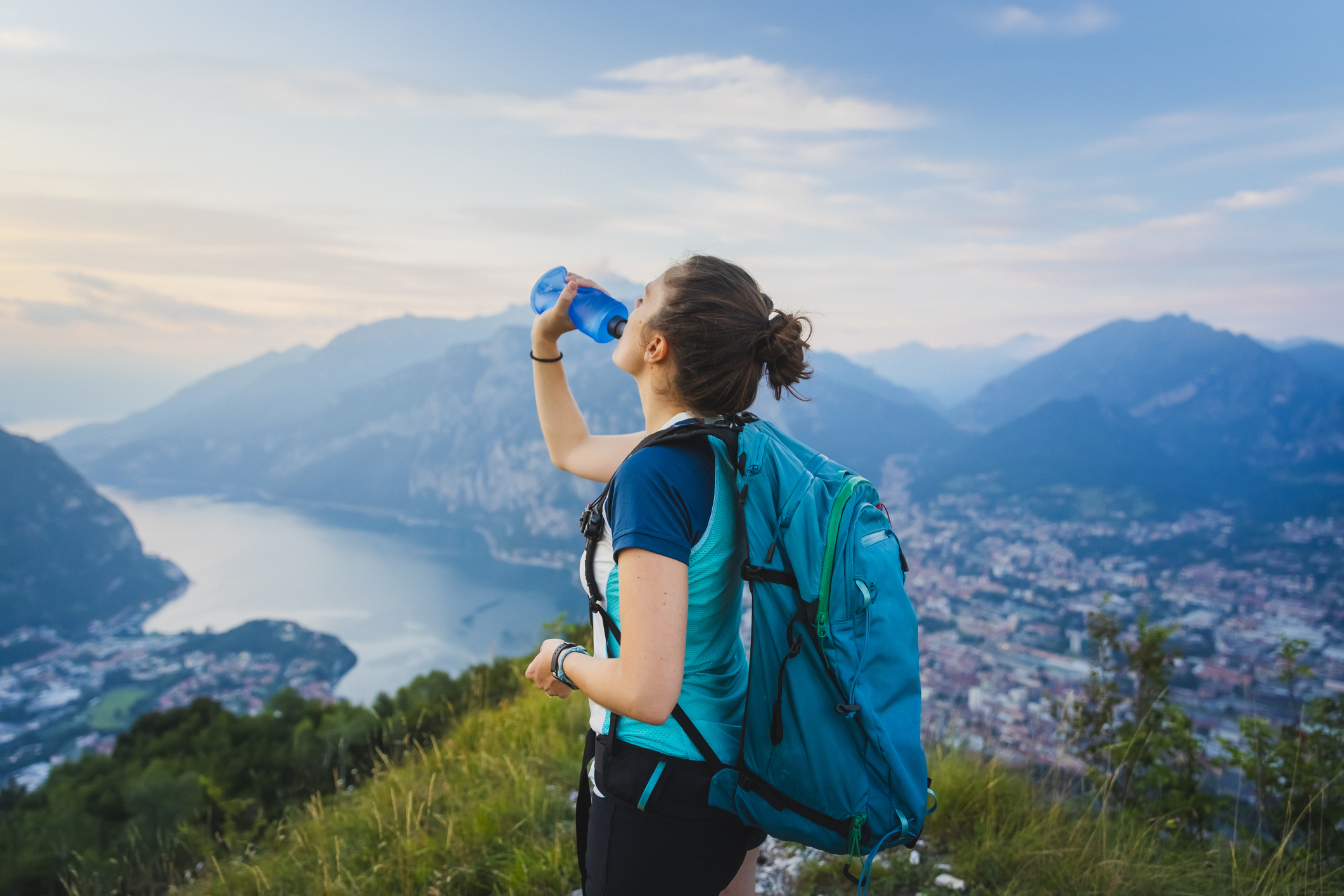
A 20–25L rucksack is ideal for a day hike. I like one with easily accessible pockets for my phone, snacks, compass and map. A hydration system lets me carry plenty of water without sacrificing space. A waterproof jacket and trousers are sensible year-round. Take more food than you think you’ll need, for energy and morale. Useful additions include a head torch, power bank, first aid kit, survival bivvy and whistle.
8. Master the map
You don’t need expert navigation skills to enjoy solo hiking. Many trails are waymarked, while apps such as OS Maps let you follow existing routes or plot your own. If you hike regularly, it’s worth learning the basics – courses are available online and in person. “Practise your skills by walking somewhere familiar and using landscape features – rivers, hills, footpaths – to work out where you are on the map,” advises Keegan, a qualified mountain leader. She carries a paper map but uses digital as backup: “each has pros and cons; having both is best.”
9. Take your time
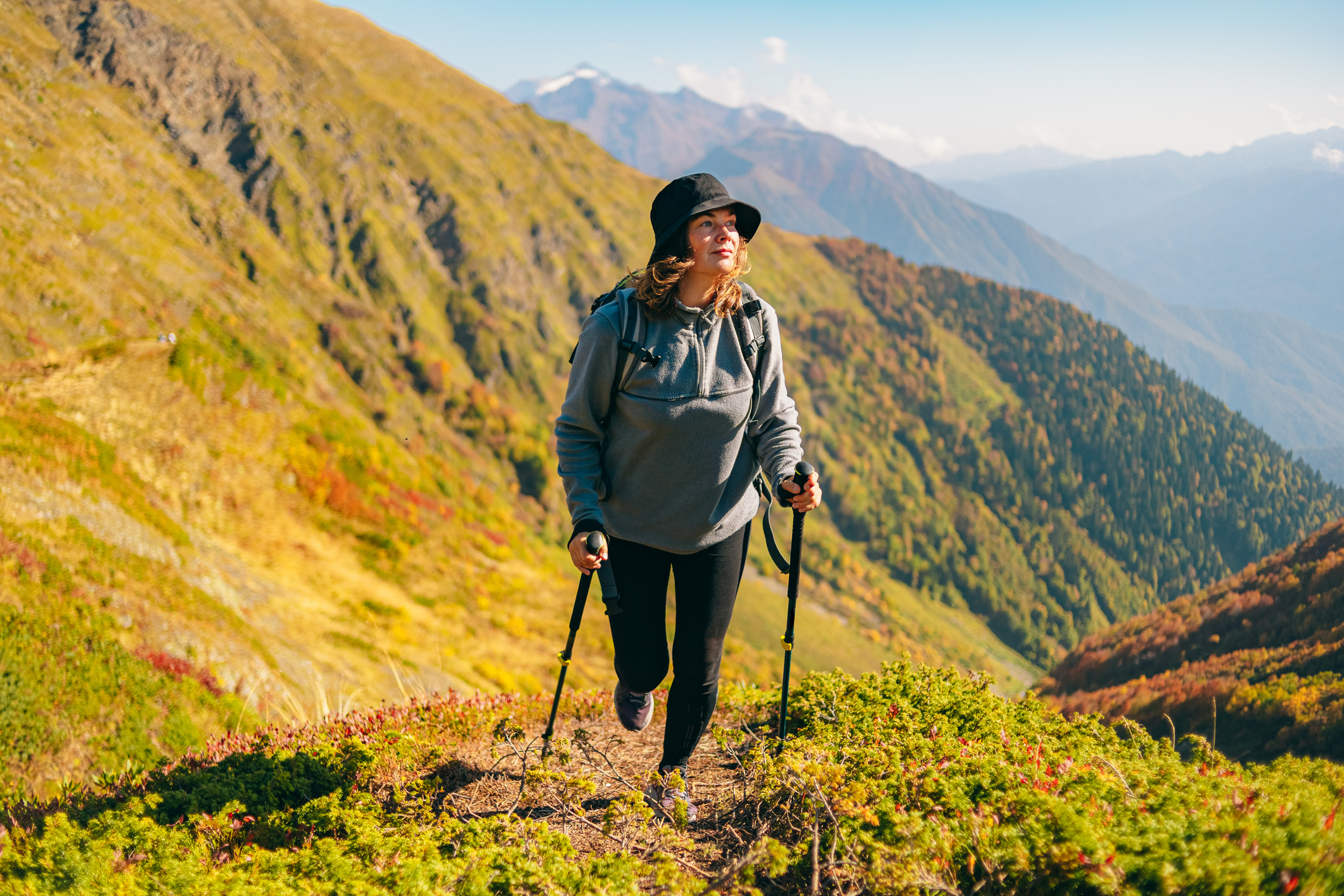
Make sure you have plenty of time to complete your route; panicking about missing your train home, or darkness falling, drains the joy out of your hike. “I always allow a couple of hours for faffing – looking at lichen, taking photos, sketching or enjoying a long lunch!” says Keegan.
10. Women walking alone
There is often a perception of danger for women hiking alone. “Fear can be used to keep women at home,” believes Williams. “The stark reality is that the greatest risk comes from people known to a woman, not a stranger on a remote moor or hillside. Most people you encounter are there for the same reason as you – to enjoy the outdoors.” But trust your instincts. “If something or someone feels ‘off’, don’t be afraid to stop, turn back, or take a different route.” Men should think twice before asking a lone woman where she is going or offering unsolicited advice; even if well-meaning, it can be uncomfortable.
