
Seeking a healthier, happier life without living like a monk? Here’s how to defy ageing, burn belly fat and reduce the chances of disease – all by placing one foot in front of the other
1. Tread carefully
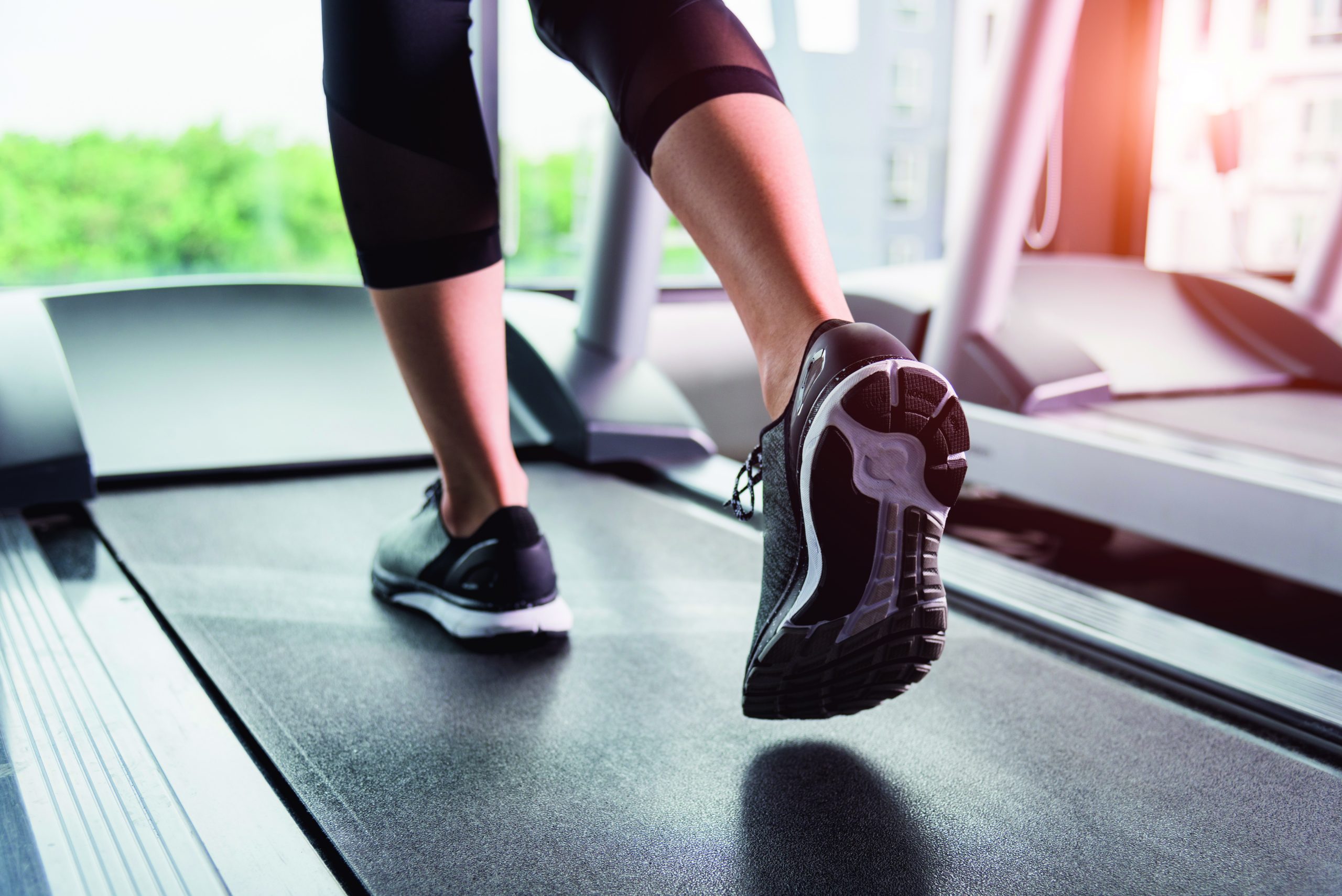
At home or the gym, a treadmill is a far more forgiving surface than Tarmac for walking or running. In a study published in 2020, the treadmill provided 71.3% shock absorption (compared with 0% for asphalt) for runners, reducing the impact on joints. When using a treadmill inside, select the 1% gradient setting to compensate for reduced air resistance; it also deters over-striding, which can place extra stress on your knees.
2. Muscle up
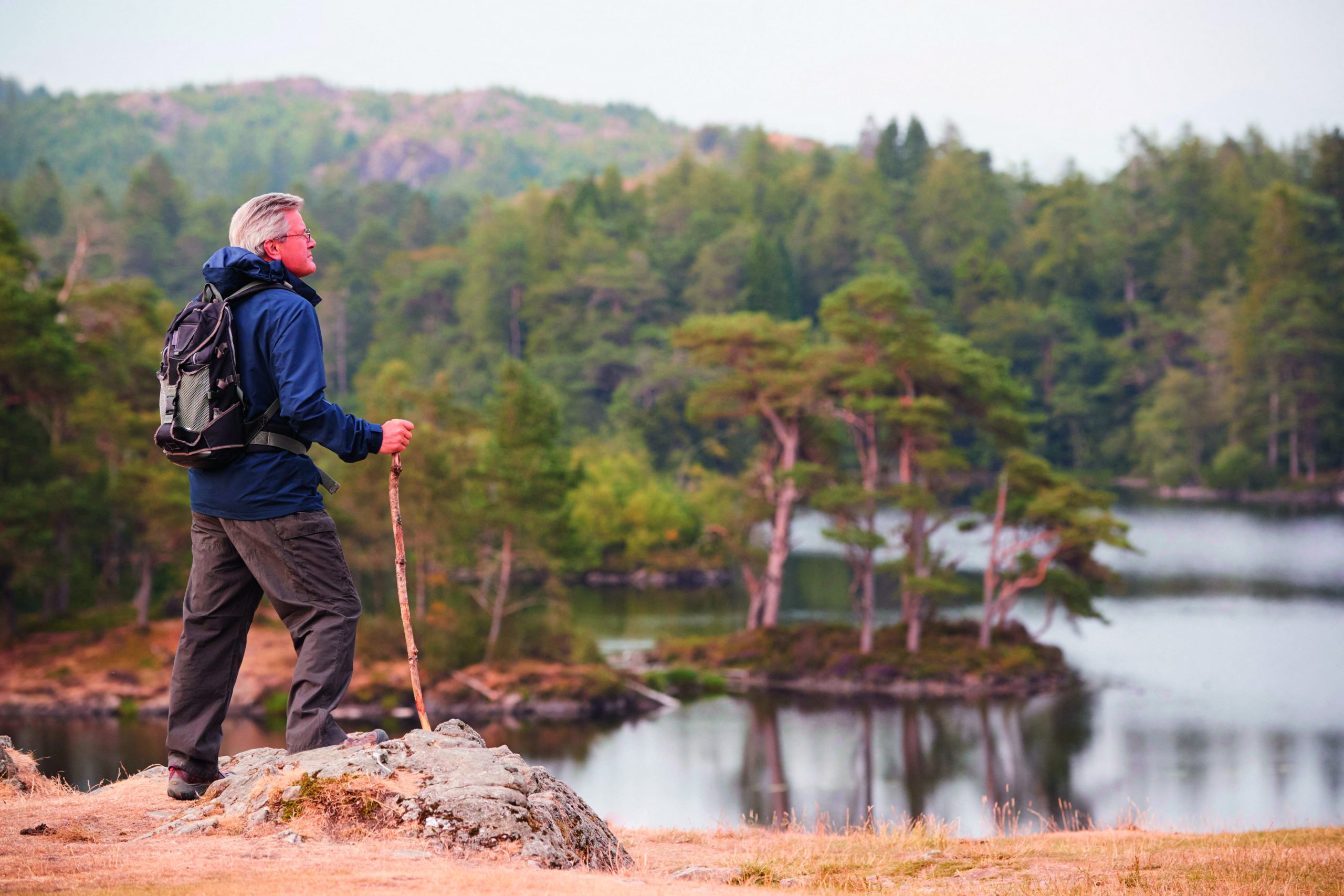
From around your mid-30s, muscle mass declines. Particularly in later years, hormonal changes – lower oestrogen in women, testosterone in men – are among the key causes. Weight-based exercise, which can include tasks such as gardening, is arguably the best way to mitigate muscle loss. “Walking or running several miles each week is an effective option, too,” says endurance coach Joe Friel. “Research also suggests that walking improves bone health.”
Why is the first part of a run the hardest?
3. Strength in numbers
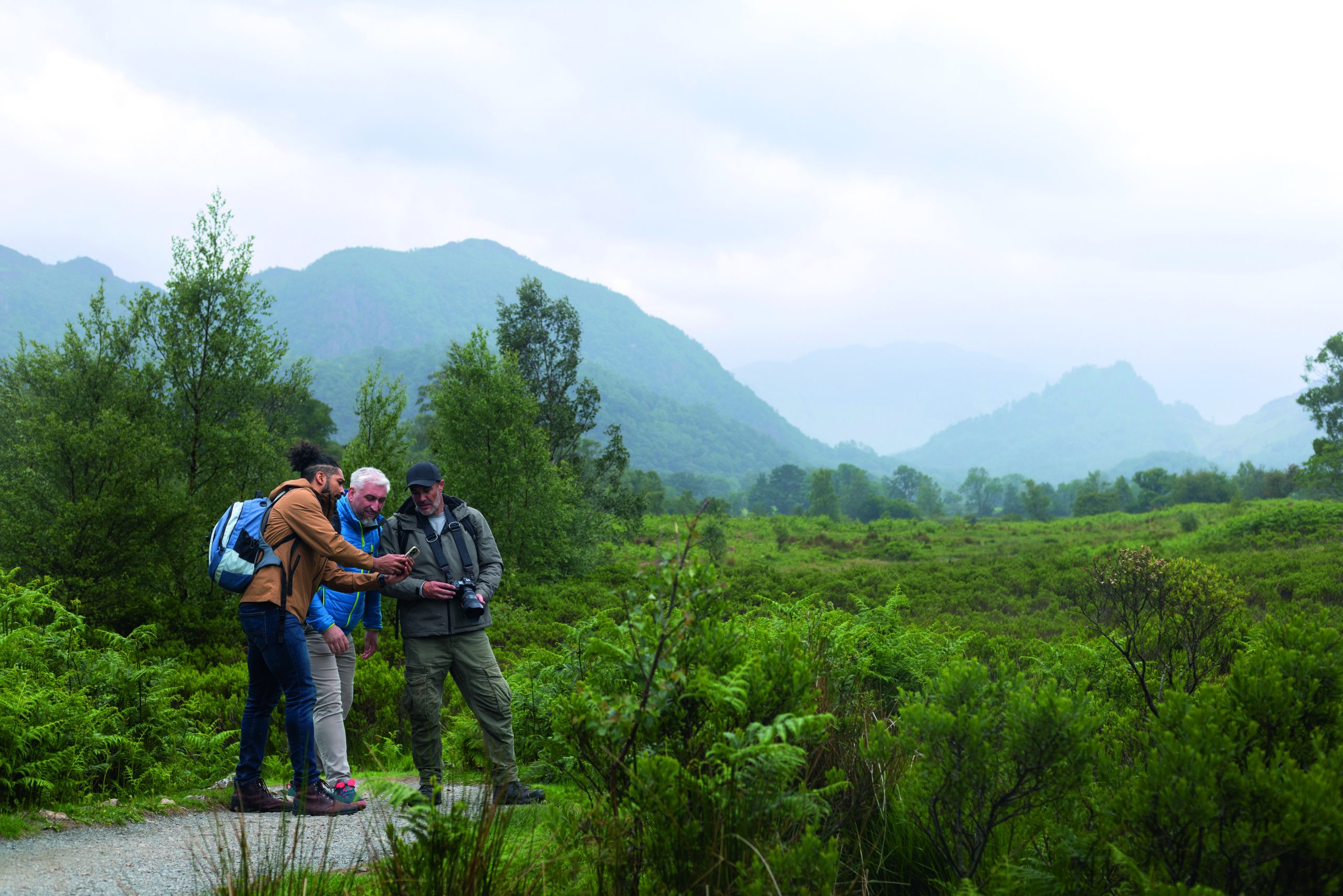
A growing body of evidence shows that maintaining social connections is one of the greatest protective factors for healthy ageing. Research published in 2025 found that social isolation was associated with a 35% increased risk of all-cause mortality; living alone is linked with a 21% increase; loneliness with a 14% increase. So get out there and join a walking group – there are many around the country, including some specifically for over-50s.
4. Pole prancing
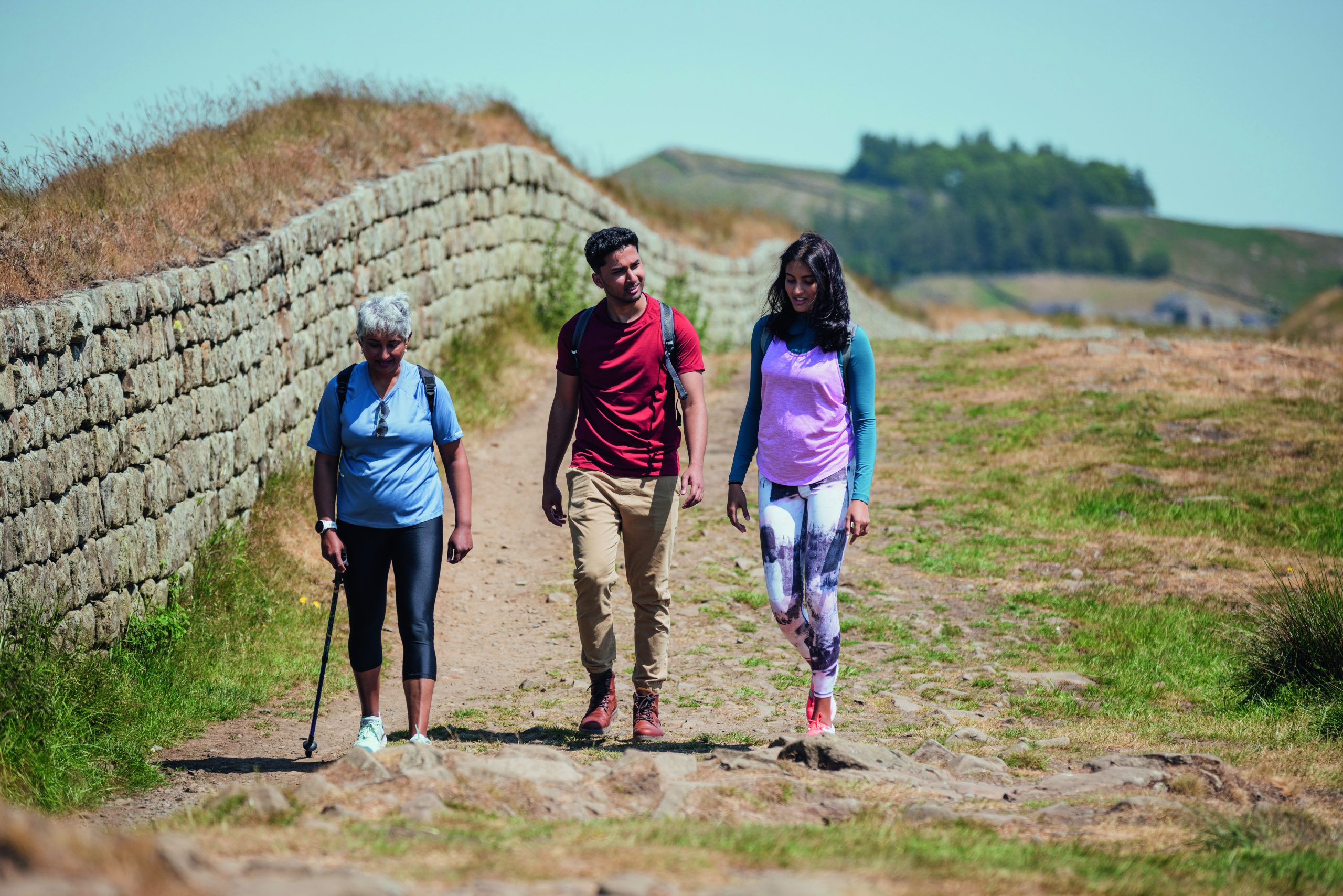
Cross-country skiers are among the fittest athletes, because their sport provides an all-body workout. You can enjoy some of the same benefits by using walking poles: they help recruit upper-body muscles, increase oxygen consumption and boost calorie burn. In fact, a 2017 study showed that walkers’ energy expenditure and heart rate was 20% and 18% higher, respectively, when using poles than without them.
What muscles does running work?
What muscles does walking tone?
5. Track your progress
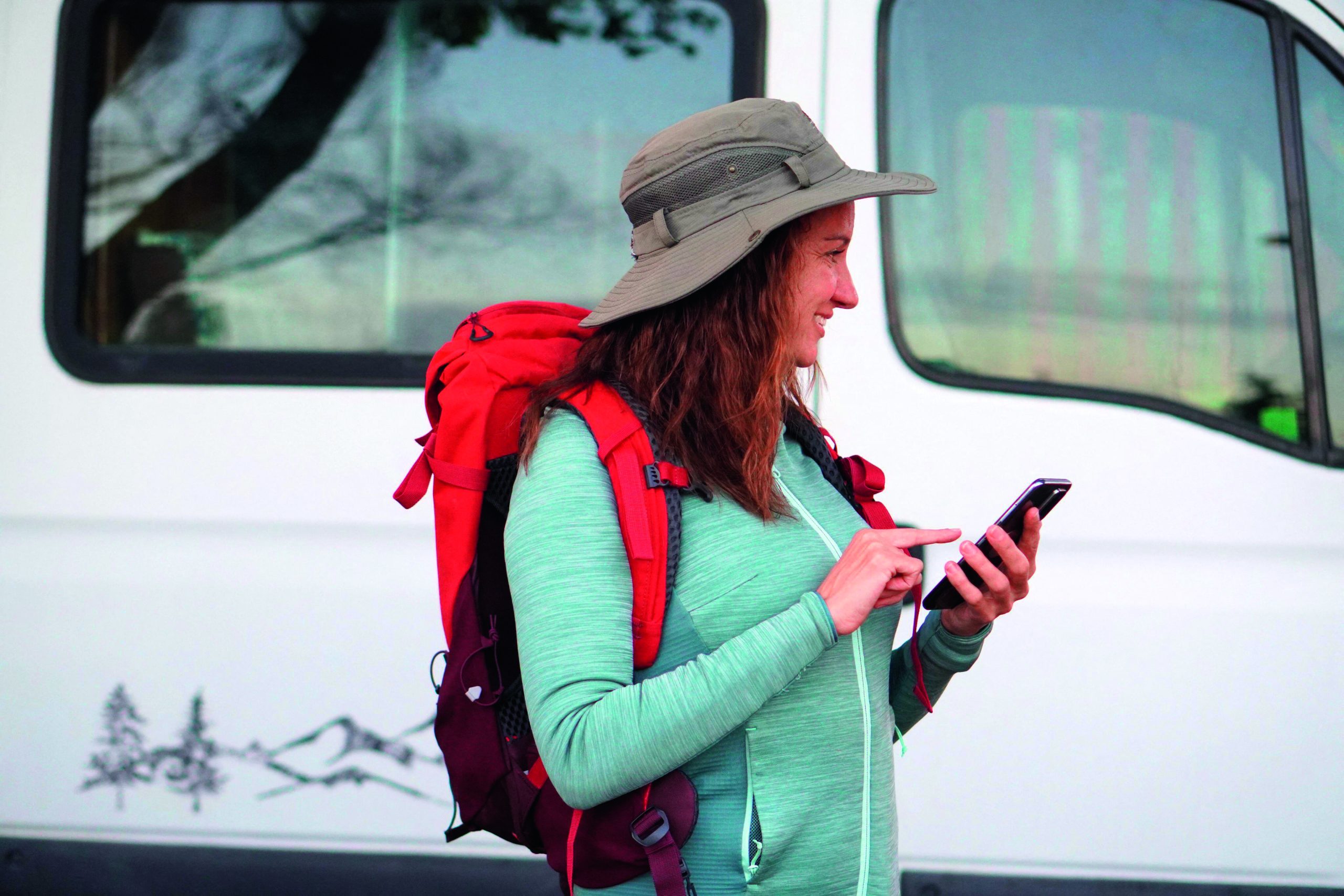
There’s no shortage of free walking apps for both iPhone and Android, including NHS Active 10. Another of the most widely used apps is Strava, which tracks more activities than you can shake a walking pole at. Using GPS, it records handy stats including distance, elevation gain, calories burned and the route you’ve ticked off. It’s also a great platform for sharing walks with friends or browsing heatmaps to find popular paths nearby.
6. Fast fuelling
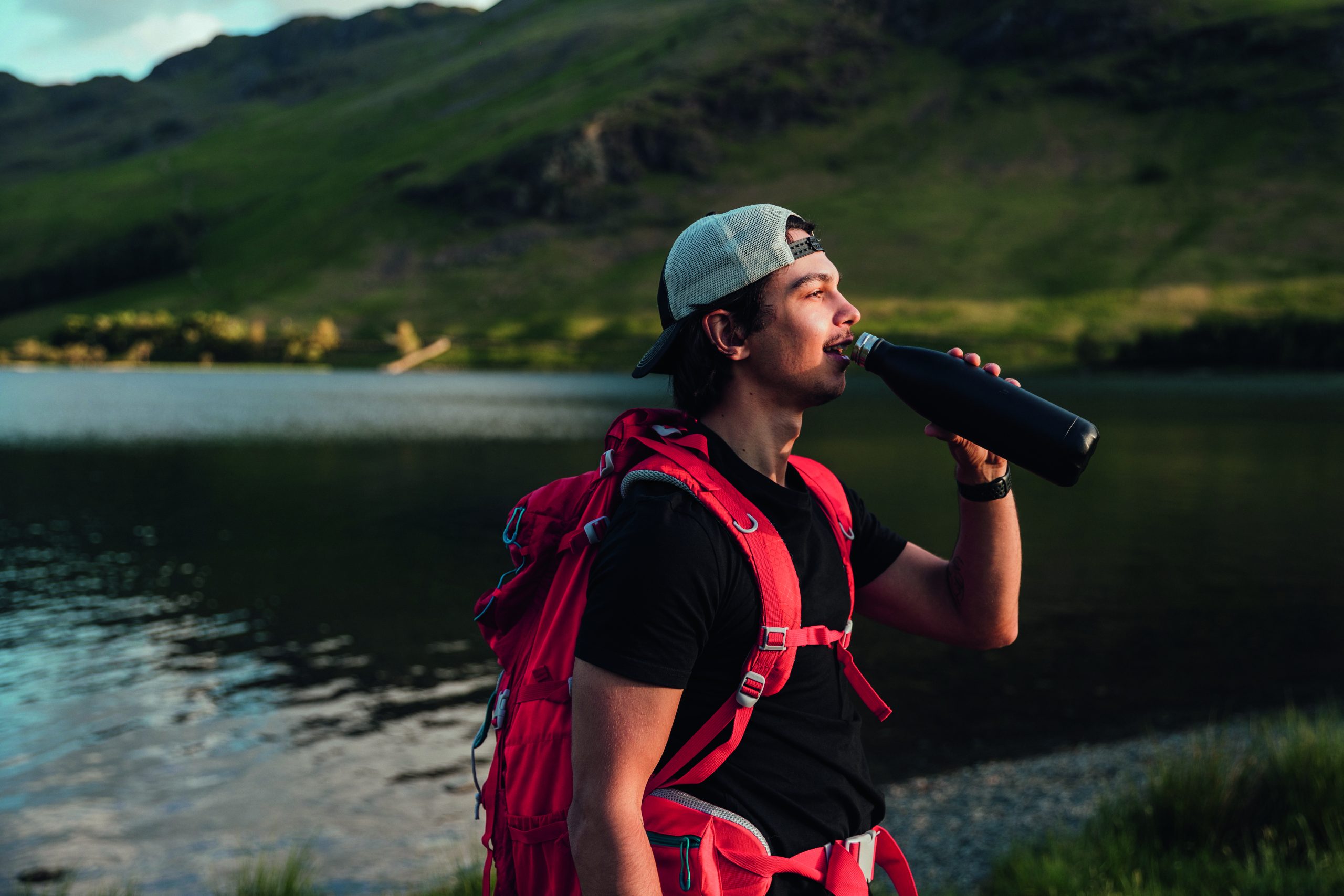
Dehydration increases fatigue, slows pace and impairs decision- making. So drink plenty of water – around 400–600ml per hour for moderate walking, depending on climate and terrain – plus electrolytes. A hydration bladder helps you carry and drink larger volumes. Fuel up before walking with low-glycaemic-index foods such as porridge with seeds. You won’t need to eat during a short walk, but on tramps over an hour, aim to take in about 60g of easily digestible carbohydrates – cereal bars, rice cakes or sandwiches – for each hour on the trail.
7. Sleep easy, walk strong
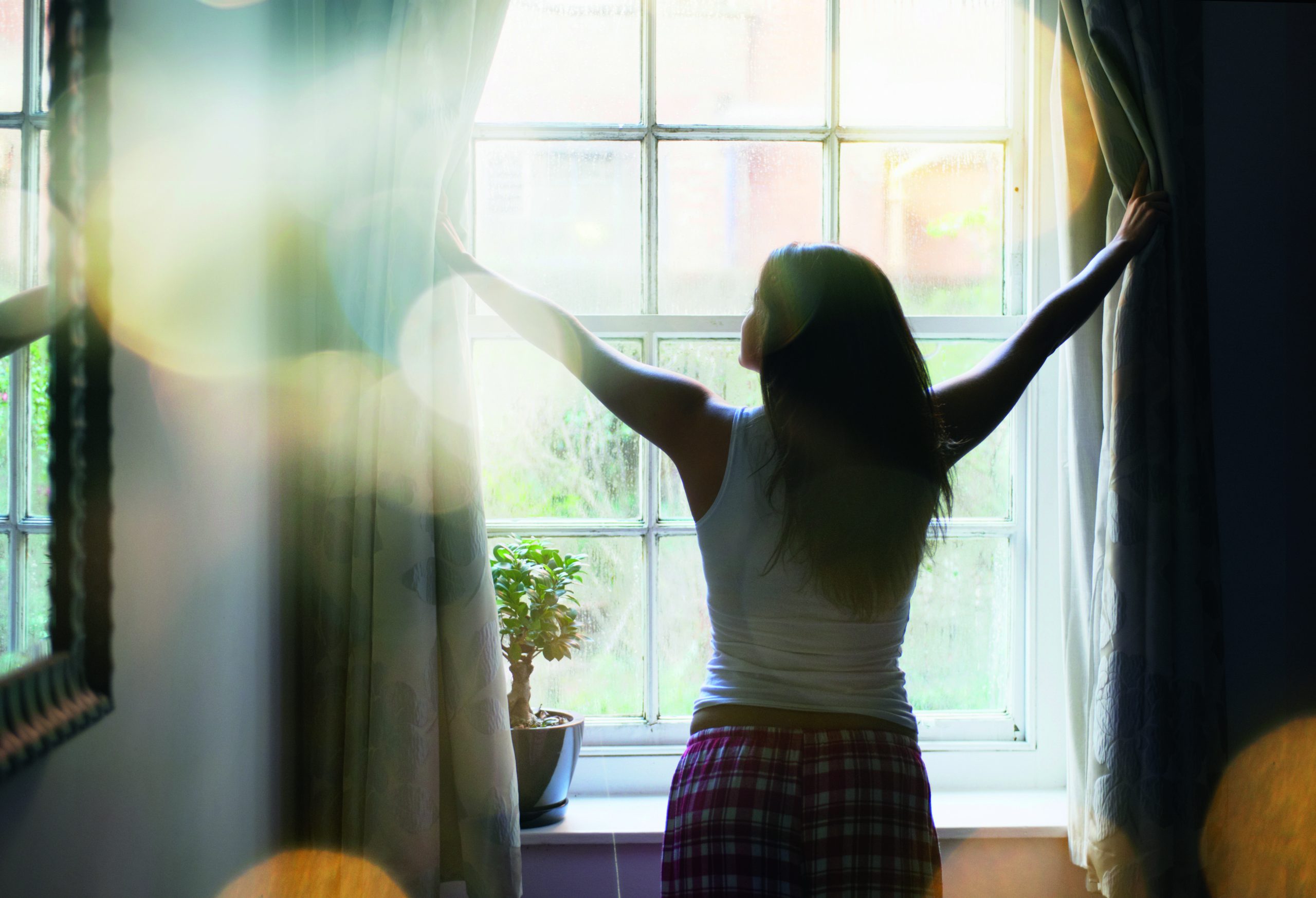
“Adequate sleep – in terms of quantity, quality and regularity – is vital, because recovery processes occur during rest,” says Friel. “Compromising sleep to fit in more activities harms performance. A simple test: if you need an alarm to wake up, you haven’t slept enough. Go to bed earlier to allow your body to fully recuperate and cope with walking stresses.”
8. Vest to impress
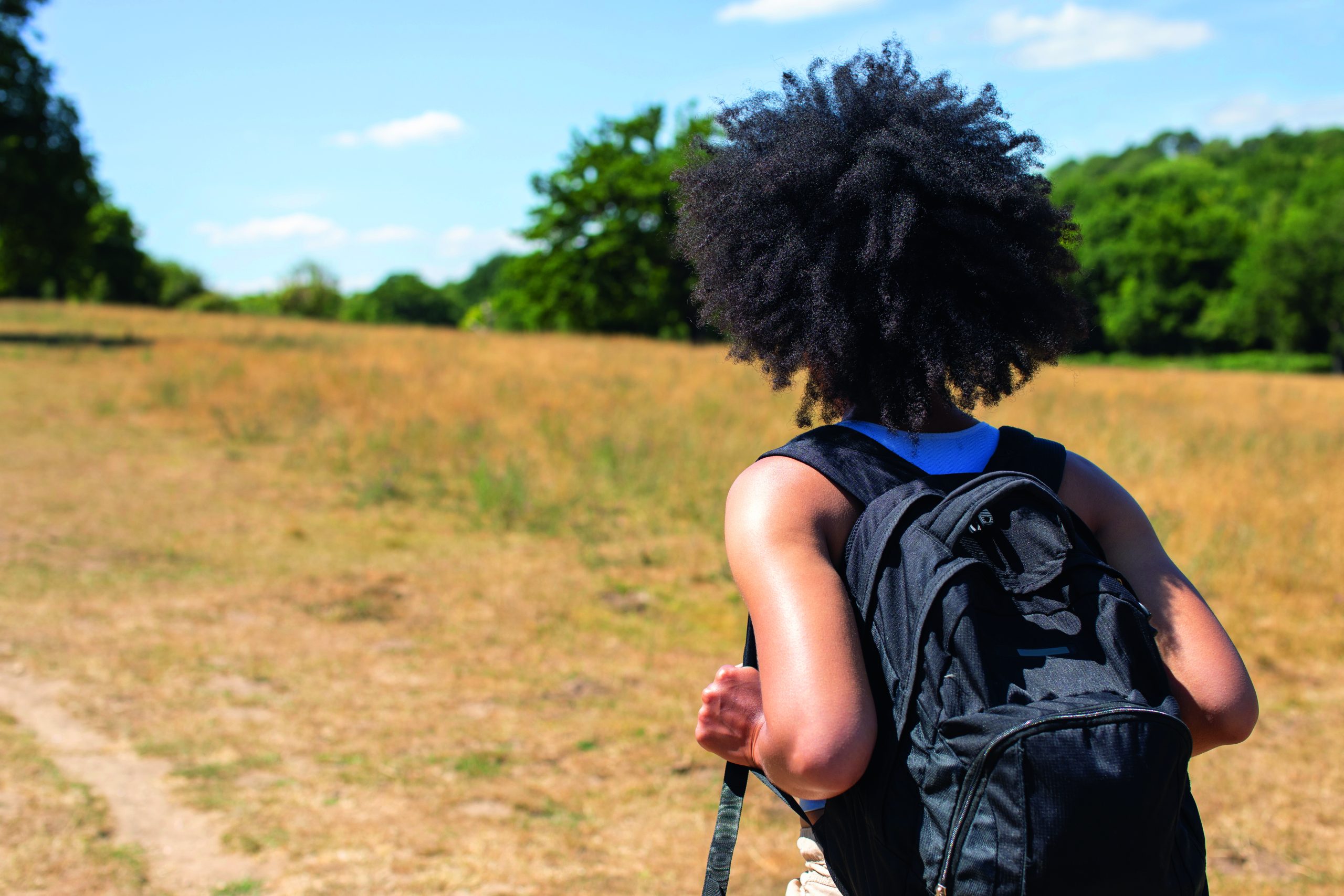
Wearing a weighted vest or backpack while walking increases the effort involved, helping build strength and endurance. Studies also suggest that wearing a weighted vest during exercise can help maintain bone density in post-menopausal women with osteoporosis. Ensure your base fitness is good before donning the vest, and don’t wear one if you have neck or back pain.
9. Ace of pace
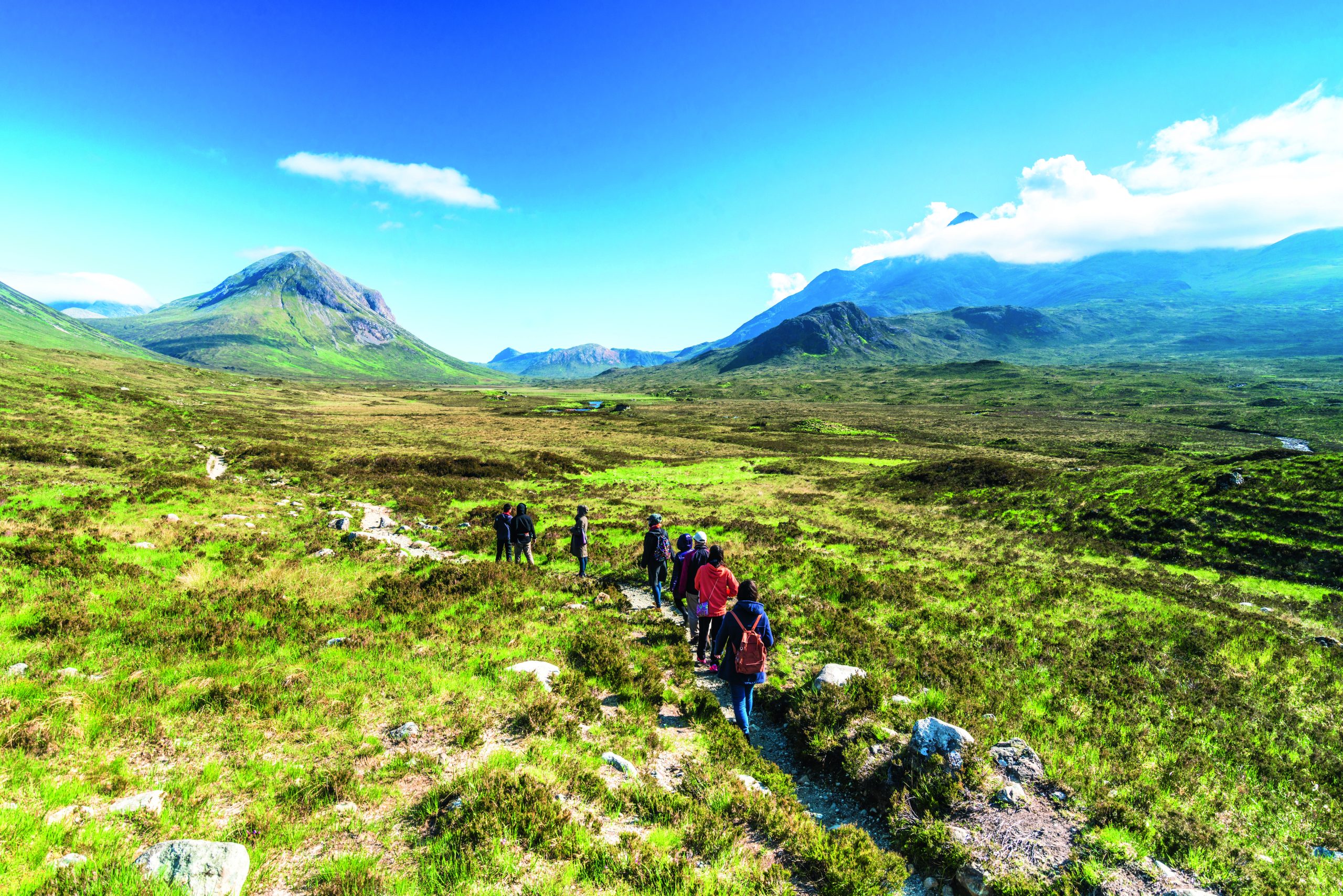
Your walking pace is key to boosting your fitness levels. Maintaining a brisk pace (over 4mph) can help cut the risk of heart problems by nearly half, according to 2025 research analysing data from 81,956 participants in the UK Biobank who provided detail on the time they spent walking at different paces. Over an average tracking period of 13 years, the researchers concluded that the chances of developing abnormal heart rhythms was 43% lower among those who walked at 4mph or faster.
10. And relax…
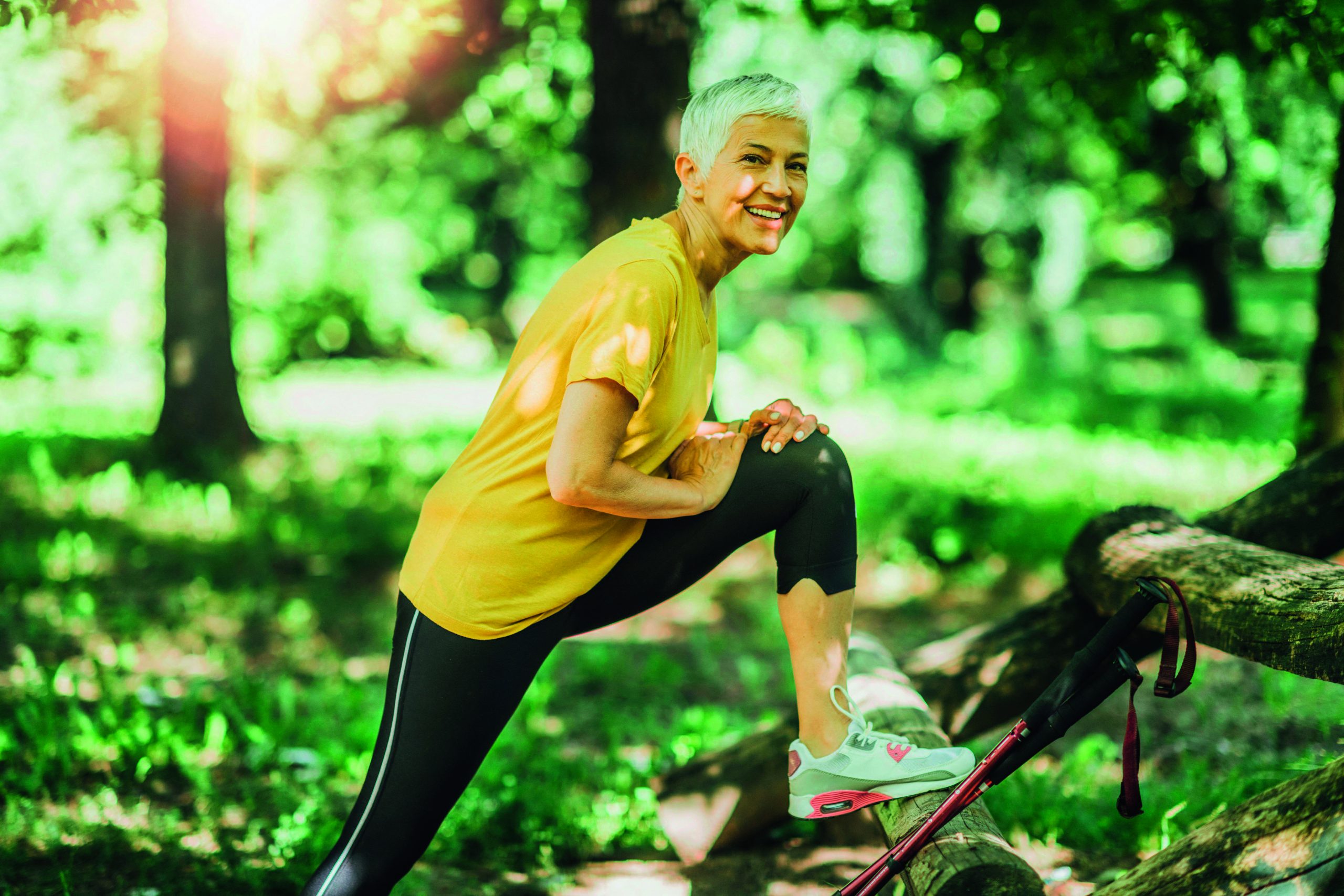
After a hard walk, focus on gentle stretching to aid recovery. This is especially important as the years roll by, because our muscle fibres and ligaments become less pliable. Target calves, hamstrings, quadriceps, hips and lower back. Hold each stretch for 20 to 30 seconds without bouncing. Finish with deep breathing to relax your muscles and mind.
MASTERCLASS TOP WALKING TECH
Kit to help you build strength and stay hydrated on the trails
DOMYOS CORENGTH WEIGHT TRAINING VEST 0–5KG, £24.99
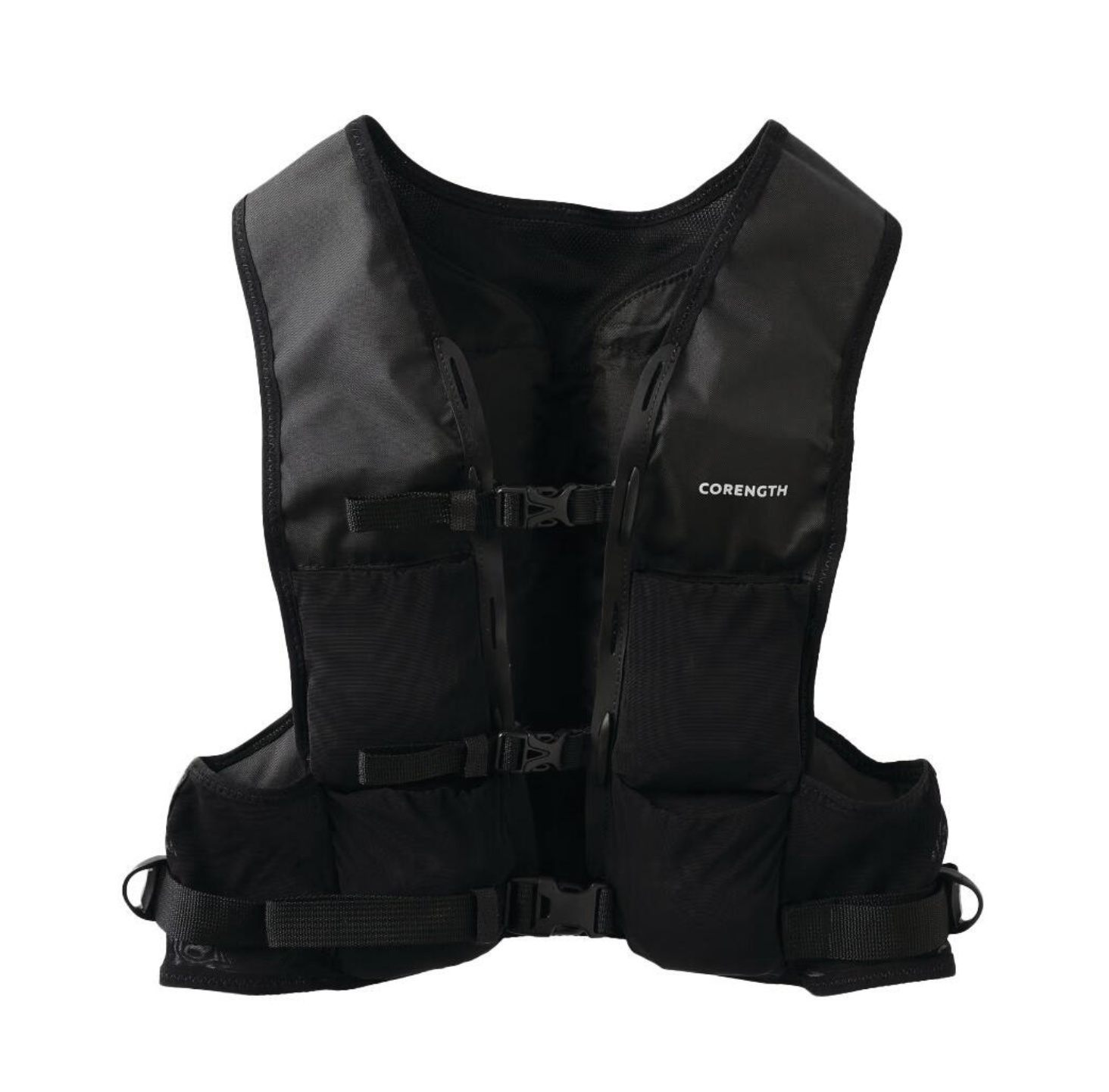
This machine-washable vest comes with 10 weights of 500g – great for cross-training
and walking. decathlon.co.uk
LIFESYSTEMS TREKKING POLES, £69.99
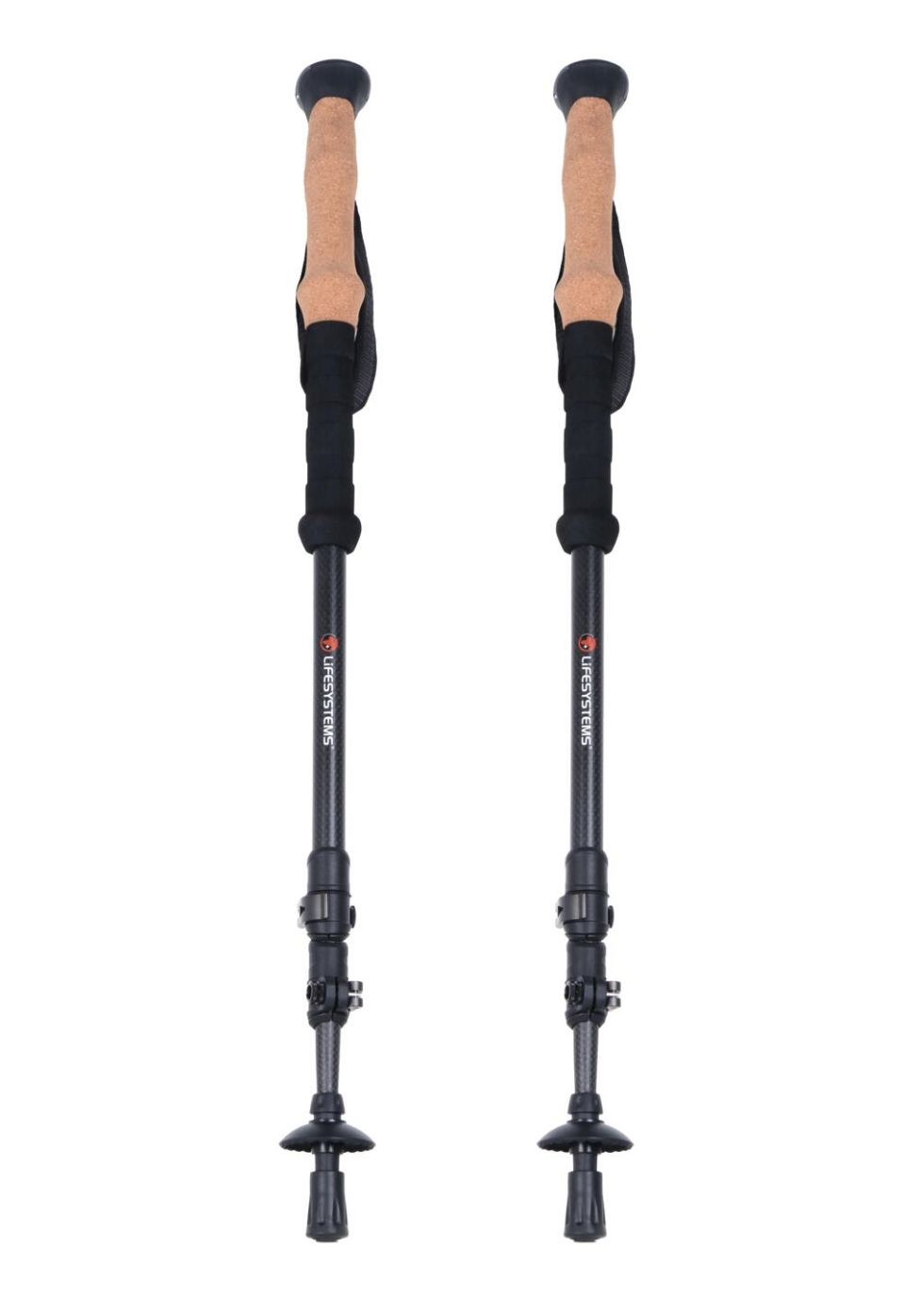
These lightweight (228g each) carbon-fibre poles feature ergonomic cork grips and flip-lock length adjustment. lifesystems.co.uk
MONTANE GECKO VP 5+ VEST, £130
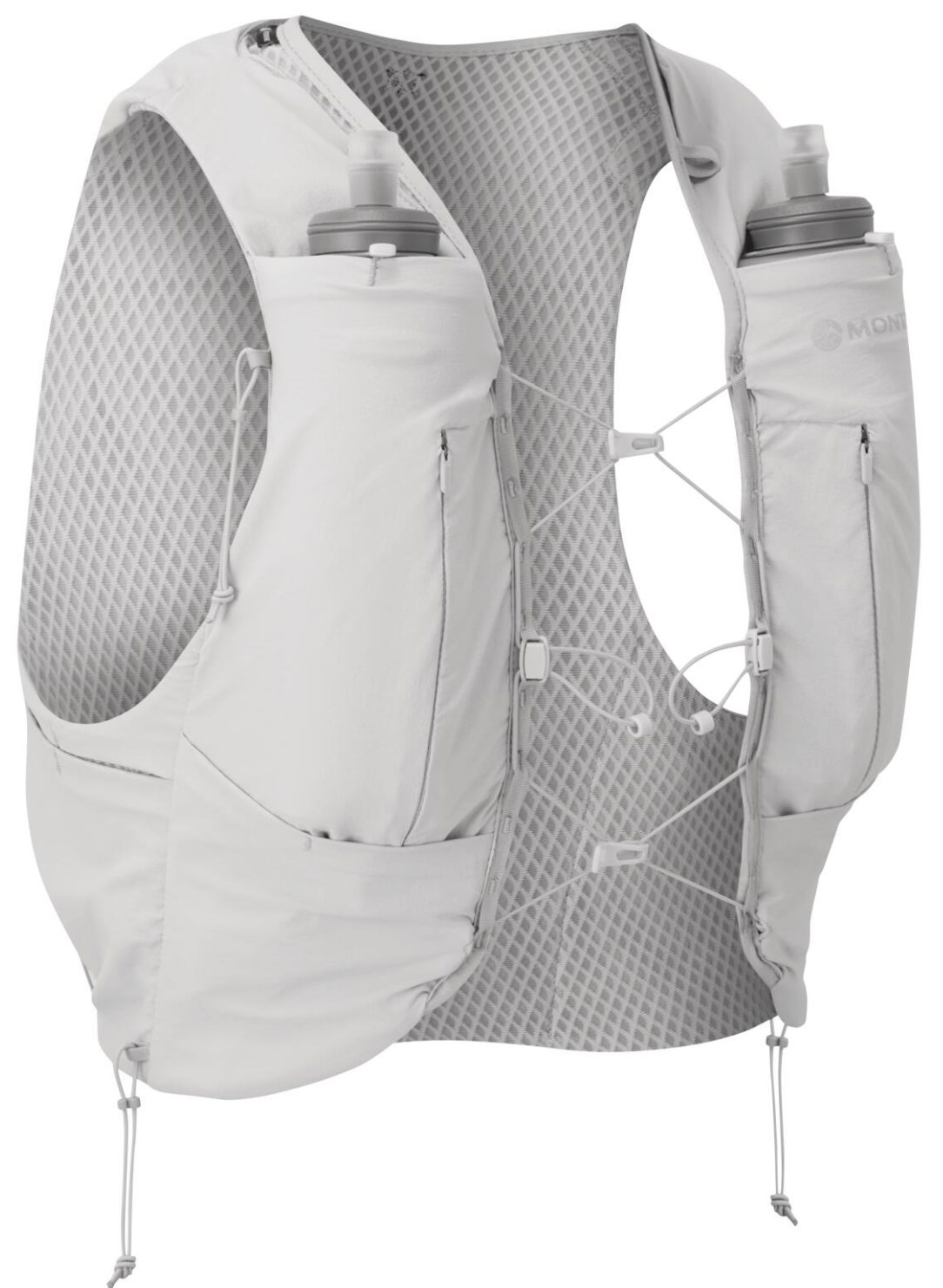
This comfortable vest comes with two hydration flasks, multiple pockets and an attachment system for walking poles. montane.com
