
We might all have considered it at some point during the depths of winter, as the nights draw in, the rain becomes horizontal, and we realise it will be months until the sun next sets after 6pm.
“Could I ignore all of this, and just hibernate for a while?”
To be clear: I’m not talking about going full hedgehog for five months. What I mean is a strategic snooze, an hibernal recharge where you stay mostly bedbound for a prolonged period of time – maybe a few weeks. I set out to learn whether human hibernation might be possible, and what the obstacles might be.
“You would probably die,” says Dr Matt Morgan, which is not the advice I had hoped to receive. Sadly, Morgan knows what he’s talking about: an intensive care doctor, he has studied induced hypothermia in humans as well as the hibernation habits of marmots.
Intriguingly, Morgan says, we humans do hibernate, in a way: our bodies are trained to rest and recover while we sleep every day. But there are very good reasons we shouldn’t slip into a deeper sleep in winter to preserve our energy.
The first challenge Morgan pinpoints would be dehydration. Even if we don’t move, we still lose liquid from our bodies through breathing, sweating, urinating and other functions. If we don’t stay hydrated, our blood flow slows down, and that never ends well.
Many animals have adapted to release less water during hibernation; humans have not. So either we would have to occasionally wake up to consume liquids, or would need someone to replenish them for us.

That same support network would also be needed to maintain our body temperature and feed us. The brain relies on glucose for energy, but without that fuel, our bodies would seek it elsewhere and our muscles would start to waste away. Bears’ bodies have adapted to limit muscle wasting during torpor, and they don’t need to actively seek food. Humans, however, still need the occasional cheeseboard.
Anyone who thinks they might like to hibernate without food should study the cautionary tale of the magician David Blaine, Morgan says. In 2003, he spent 44 days in a suspended box in London consuming only water. Despite careful management, he still went on to suffer “refeeding syndrome”, when his body struggled to metabolise again after a long period without eating food. Refeeding too quickly can kill someone, Morgan warns.
The chances of developing pressure sores by staying in bed for weeks would also be high and finally, to put it politely, there’s the sanitation issue: that support network would be kept pretty busy. Alas, my daydream of hibernating will have to remain just that.
But the point remains: it sometimes feels to me that, as a species, we’re not designed to live this far north. In the furthest point north in the UK, Out Stack in Shetland, there will be only five hours 34 minutes of daylight on the shortest day of the year. Even in the Peak District, where I live, I’ll see just over seven and a half hours.
So why haven’t we evolved so we can hibernate? Put simply: we’re smarter than marmots.
After emerging out of Africa and moving further and further north, we successfully adapted as a species without ever needing to hibernate, even if living through winter is a slog.
As Vladyslav Vyazovskiy, a professor of sleep physiology at the University of Oxford, wrote in 2024: “While we could possibly find a way to enter hibernation or a similar state, we do not have an immediate or urgent need to do so, as we have developed, and perfected, other ways to deal with adversities.” Morgan says that with our easy access to vitamin D supplements and central heating, there’s no evolutionary pressure for humans to hibernate.
So what are my options when it comes to coping with the short, dark days (that, crucially, won’t kill me)?
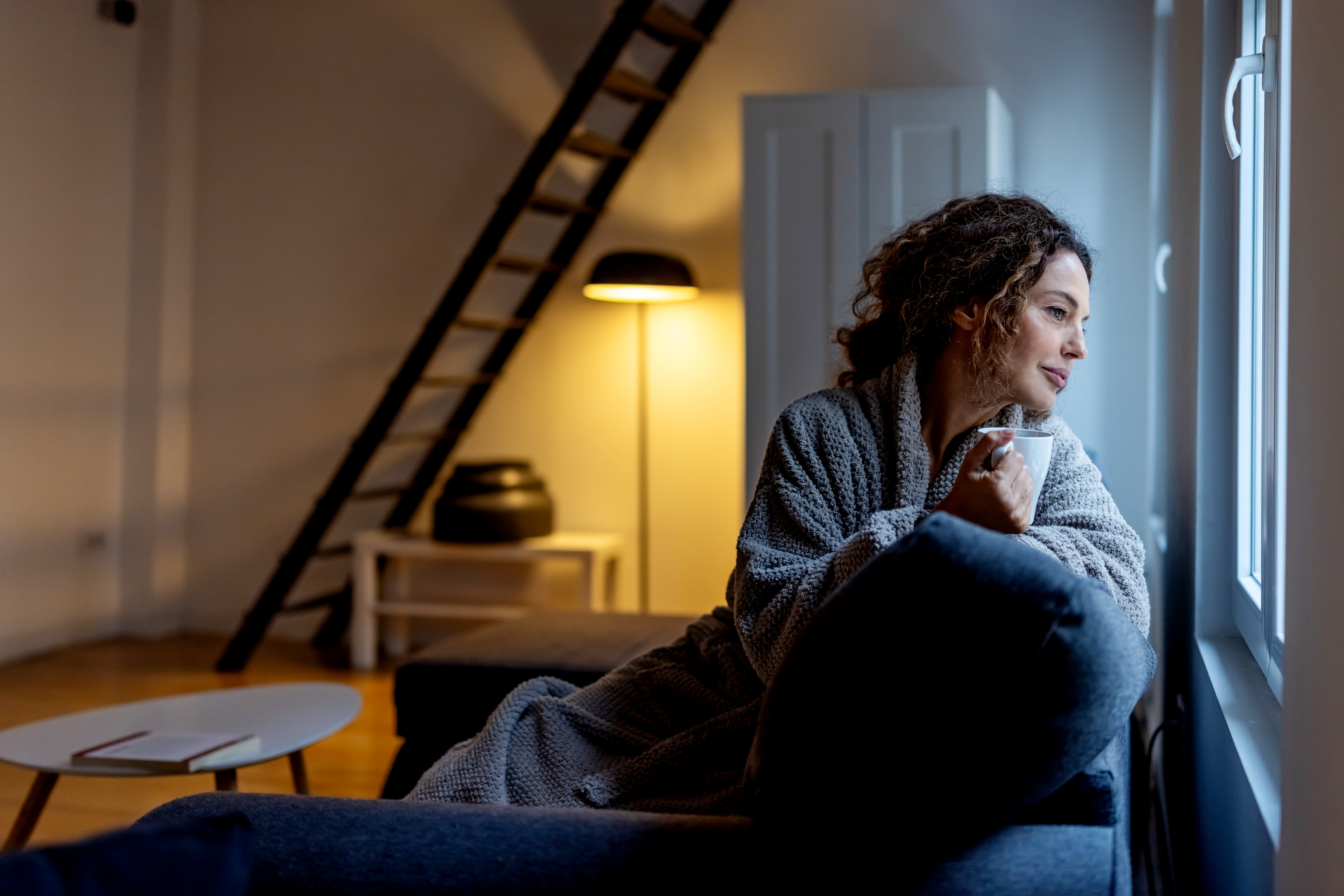
Look to the Scandinavians and their model of hibernation-lite, Morgan says. He advises using warm blankets as well as dim lighting in the evening for a softer, warmer glow instead of sitting in gloom or bright artificial light. Have a warm shower in the dark before bed, too, for a better night’s sleep. And generally, embrace the Danish hygge tradition of cosiness and finding comfort in the everyday. If that involves sleeping a bit more, that’s OK.
