
When you think of Antarctica, the first image that comes to mind is likely one of long fields of ice. But while there are cold abysses with no life for miles, Antarctica also has small pockets of greenery.
Roughly 0.4 of Antarctica's surface is free of snow and ice and within this small area there are two species of flowering plants, a variety of mosses, liverworts and lichens. These are plants that are well adapted to survive Antarctica's frosty conditions.
However, recent research is warning that climate change could nearly double the variety and abundance of a disease-causing fungi in Antarctic soils by 2100. This would pose a serious threat to those plants that exist.
The fungi, known as pathogenic fungi, are micro-organisms that live in all soils, causing disease in plants by taking over their tissues and destroying the cell walls. In current conditions, low Antarctic air conditions restrict their numbers. However, the rapid warming of the region is allowing them to appear more frequently.
Led by the British Antarctic Survey, a team of researchers analysed 50 samples from the barren soils of the region. Under high emission scenarios, mean annual air temperatures across Chile and Antarctica could rise between 4-5 degrees Celsius over the next 70 years.
This could cause the abundance of these disease-causing fungi to almost double in Southern Maritime Antarctic soils. If we are able to stick to lower-emission scenarios, which are the rough targets around climate change right now, there would be negligible changes.
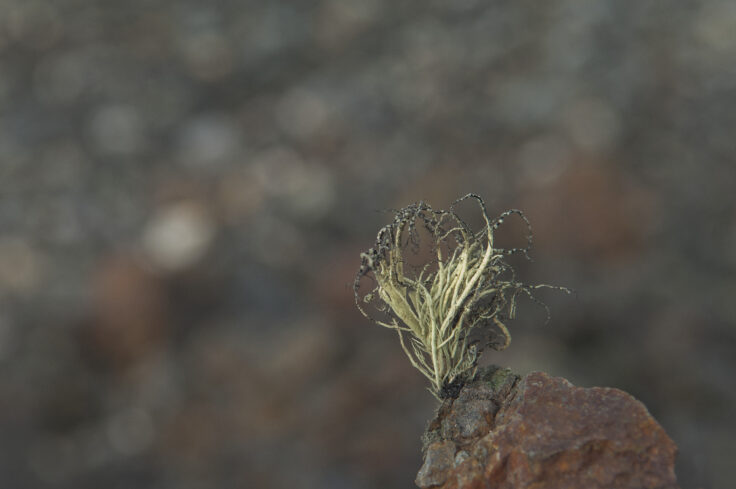
“As warming temperatures melt ice and expose more of Antarctica’s soil, plant communities are predicted to expand and colonise new areas, slowly turning parts of the white continent green,” said lead author Kevin Newsham, a terrestrial biologist at British Antarctic Survey.
“However, our findings here suggest that their growth could be hampered by the increasing number of disease-causing fungi that they will encounter as the continent’s climate changes.”
The study also noted a small risk to animals. One pathogen, called Beauveria, could pose a threat to invertebrates. The picture here is less clear. Some pathogens respond differently to changes in precipitation as well as temperature, with higher precipitation actually reducing the abundance of some pathogens.
“Although air temperature has been linked to increasing diversity of soil fungi causing plant diseases on other continents, our study closes an important knowledge gap by identifying which fungi harmful to plants are likely to become more prevalent on the Antarctic Peninsula as the region’s climate changes and plant communities expand into its soils,” said Will Goodall-Copestake, a researcher at the Royal Botanic Garden Edinburgh and an author on this paper.
This research was funded by a joint NERC-CONICYT award and the Danish National Research Foundation. Collaboration from researchers included the Royal Botanic Garden Edinburgh, the Natural History Museum of Denmark, the Swiss Federal Research Institute WSL and the Universidad de Talca.
