It’s common knowledge that spending some time in the countryside or along the coast and absorbing the pleasures of nature is good for our wellbeing. We can be as active as we like or we can just relax amid its beauty.
In the words of Welsh poet WH Davies from ‘Leisure’, one of my favourite poems: ‘What is this life if, full of care, we have no time to stand and stare?’
For many of us, it is relatively easy to cast off for a while the worries of modern life, with all its mental and physical pressures, and let the great outdoors work its magic. But, for some, these uplifting experiences are out of bounds: for diverse reasons they feel excluded.
Which is where a remarkable project called ‘The Bay: A blueprint for recovery’ comes in. Based around one of Europe’s most important wildlife sites – Morecambe Bay in north-west England – it was originally set up to tackle feelings of isolation and loneliness in the local community created by the Covid-19 pandemic.
Now, it reaches out to people for whom those feelings still exist and offers them the chance to get outdoors, become involved with nature, and take part in wellbeing activities. If they go to their doctor feeling low, perhaps suffering from social isolation or facing some mental health challenges, they can be prescribed a three-month course of specialised nature and wellbeing sessions at The Bay.
- Ten Great Ways to Volunteer in the British Countryside
- Volunteering guide: how to get involved with wildlife, conservation, and environmental projects
It’s a joint venture between the Wildlife Trusts of Lancashire, Manchester, North Merseyside and Cumbria together with the NHS trust and Eden Project North, which in 2028 is due to open its new £100m eco-centre and botanic gardens on the seafront in Morecambe. Plus, there is funding of £360,000 for the next three years from the National Lottery Community Fund.
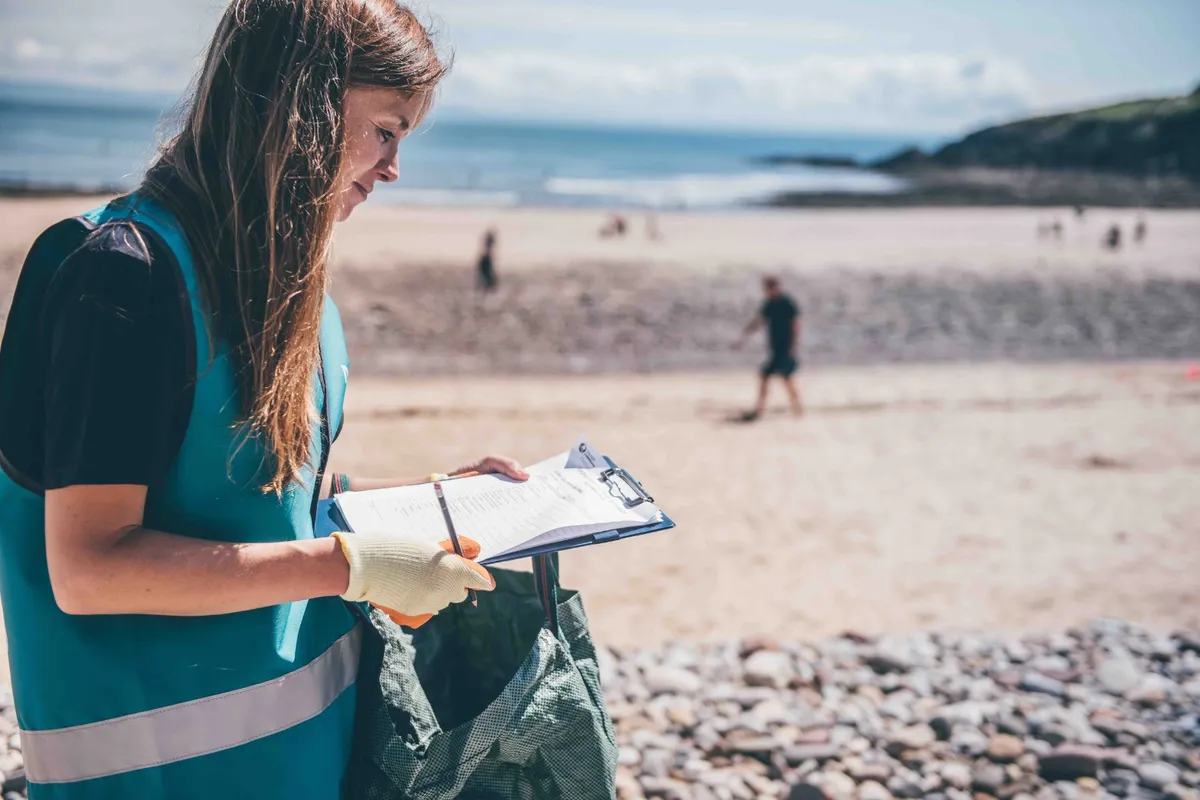
So far, more than 1,100 people have signed up and taken part in activities such as beach cleans, marine surveys, and rockpooling. They’ve also learnt new skills, such as making bird feeders, experienced the stunning wildlife of Britain’s second biggest bay (after The Wash on England’s east coast) and – importantly – connected with others.
“It’s not like regular volunteering where you might be expected to plant 1,000 trees or put in 10 miles of footpath,” said Mike McDonnell, its nature and wellbeing officer, on one of The Bay’s podcasts. “Even if you do one tree or [collect] one bag of rubbish, it’s about how that makes you feel, how it can help you.
"I know of people who hadn’t left their home for two years but now put their wellies or boots on the doorstep ready for the next day. That means they are getting back into a routine, feeling part of something and their wellbeing is improving.”
Newcomers have a one-to-one meeting with a team leader to talk through any concerns they may have before joining a group, which is usually seven- to eight-strong. Their sessions are based on The Bay’s ‘5 Ways to Wellbeing’: be active; connect; slow down and take notice; keep learning; and give back.
And it’s not just people who are benefitting from the project – so is Morecambe Bay itself, which has the largest expanse of intertidal mudflats and sandflats in the UK. It’s home to a quarter of a million birds and a quarter of all the country’s natterjack toads.

However, once abundant species such as lapwings and curlews are in rapid decline. The bay’s incredible diversity is under threat from habitat loss, human activity, pollution, and climate change, and the team sessions are hoping to aid its recovery with their conservation work.
So, positive news all around. “The Bay project works. Connecting with nature has helped my mental health and I now feel I can start to rebuild my life,” explained one group member. A second added: “I can now socialise more… and I have completely changed my thinking about nature.”
There have been claims, including by The Wildlife Trusts, that nature-based therapy could cut many millions of pounds a year off the NHS’ spending across mental health services, which is estimated to be £20.6 billion in 2025/26.
The blueprint that is clearly succeeding around the shores of Morecambe Bay could point the way forward nationally for the health service, for conservation and for those who have previously missed out on the healing powers of nature.
Watch John Craven and the team on Countryfile, Sunday evenings on BBC One and catch-up on BBC iPlayer. Plus, for more on The Bay, watch episode three of Hamza’s Hidden Wild Isles.
Related content