
Crows are notoriously a smart bird. They are good at solving puzzles, they are social, and according to a new study, very wary of the unknown. However, not every crow is as suspicious as each other.
Researchers published new research in the journal Behavioural Ecology, examining how experience shapes the behaviour of urban and rural crows.
Crows are known to show neophobia, the fear of unknown or new experiences. This is something that most animals, including humans experience. However, the study found that urban and rural crows experienced this differently.
The researchers studied the reactions of urban crows to the human gaze of 10 families. They the did the same with 10 families in a rural part of the US. Both were fed their preferred food - peanuts in a shell.
Once the crows became used to this exchange, the researchers started adding an unknown object alongside the food. A rock, an ear of corn, a takeout food box and a wooden lamp base.
For both sets of crows, the familiar objects evoked little hesitation. For the urban crows, that was the takeout box and the ear of corn for the rural ones. However, when switched, the birds became far more wary, with urban crows being unsure on the corn and rural of the takeaway box.
“What we wanted to show was that aversion would decrease with the amount of experience that we expected our crow to have had with these objects,” Dave Colucci, the lead author of the study and biologist at Binghamton University explained.
Crows in urban environments exhibited more neophobia than those who lived in the countryside. This went again previous research that suggested urban crows are less likely to be spooked.
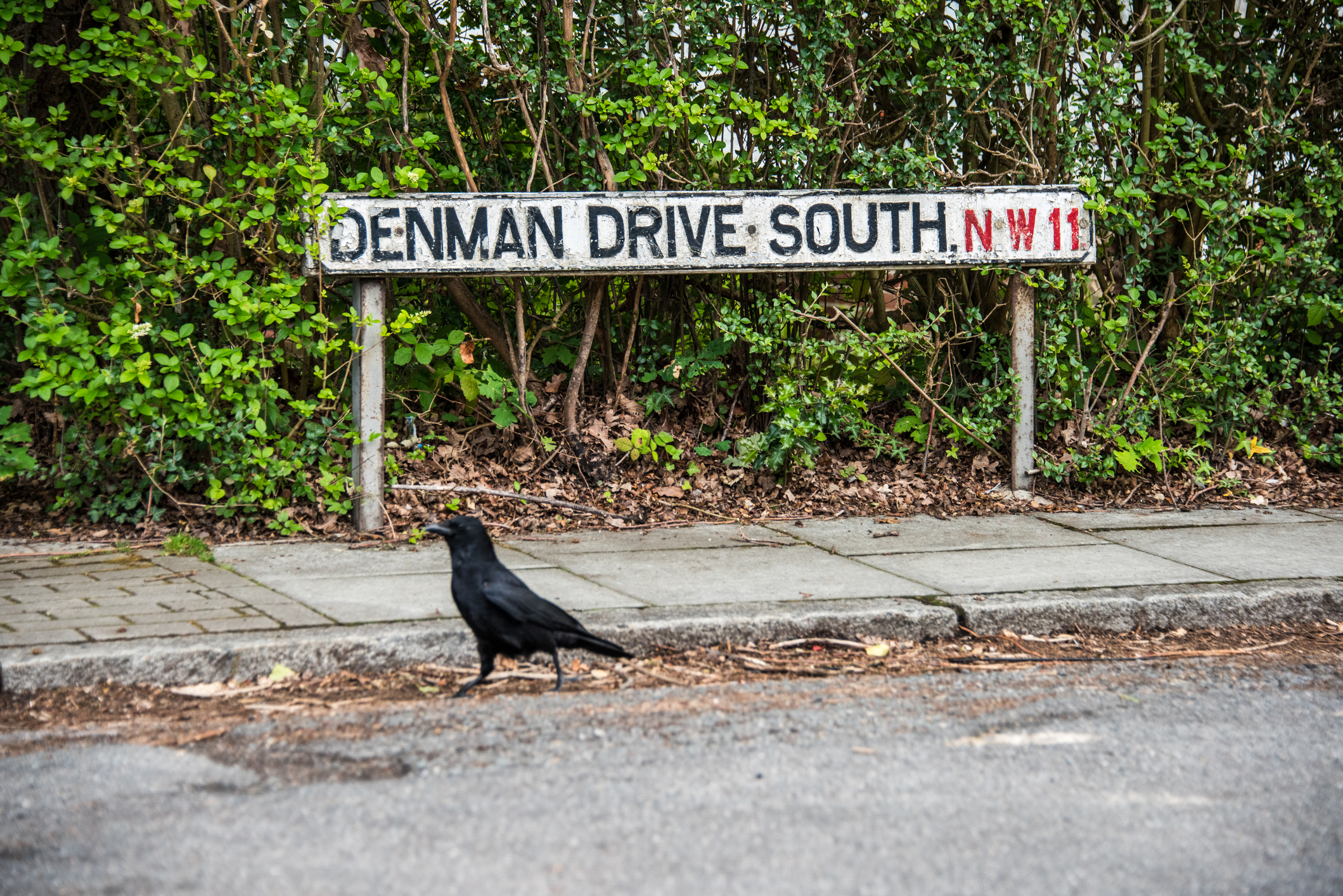
“These are social animals; they’re with a group, and they watch each other,” Anne Clark, co-author of the study and Binghamton University associate professor of biological sciences said of urban crows. “In an area that has a lot of new opportunities, there are also new threats, and it’s good to maintain some level of uncertainty about how safe things are.”
While rural crows may be less fearful when presented with novel objects, they were more fearful of humans overall, the research showed. In fact, the urban crows pay attention to the direction of the human gaze. If the human isn’t looking directly at them, they rarely flew off.
Rural crows, on the other hand, were much more likely to fly away, moving to a further distance when a human looked at them.
“You can think of it as a blunt, anti-predator strategy in rural areas. Don’t take any chances, don’t stop to assess; let’s just be safe,” Clark said. “Whereas in urban areas, if you were fleeing at every human, you’d never spend any time on the ground. More evidence that urban crows are on the lookout for useful information about threats, including the behavior of individual humans!”.
