
Christmas is closing in and while the glittery lights and festive events can keep things feeling cheery, there is no denying it is getting cold. In fact, it is very quickly getting freezing outside.
That means comfy evenings on the sofa and early nights, but it can also spell a very costly house issue if you’re not careful.
House pipes can freeze over when temperatures get too low. If things get really bad, the water can freeze in the pipes, especially if they aren’t insulated properly. Since water expands, it can then put pressure on the pipes, causing them to buckle and split apart.
“When water freezes it expands, which can cause pipes to crack or burst. The good news is that a few simple checks now can help protect your home and avoid a lot of hassle later in the winter,” says DIY expert Craig Philips as part of United Utilities' push for getting ready for winter.
Not only can this stop your heating and hot water from working properly, but if they burst it can cause leaks or even flooding in your home.
The Association of British Insurers (ABI) says insurers settled roughly 12,000 weather-related burst pipe claims in 2023, with the average claim worth more than £17,000
How to avoid frozen pipes
The first and most important thing to do is make sure your pipes are fully insulated. You can buy pipe lagging and tank jackets to install yourself on your water tank and surrounding pipes.
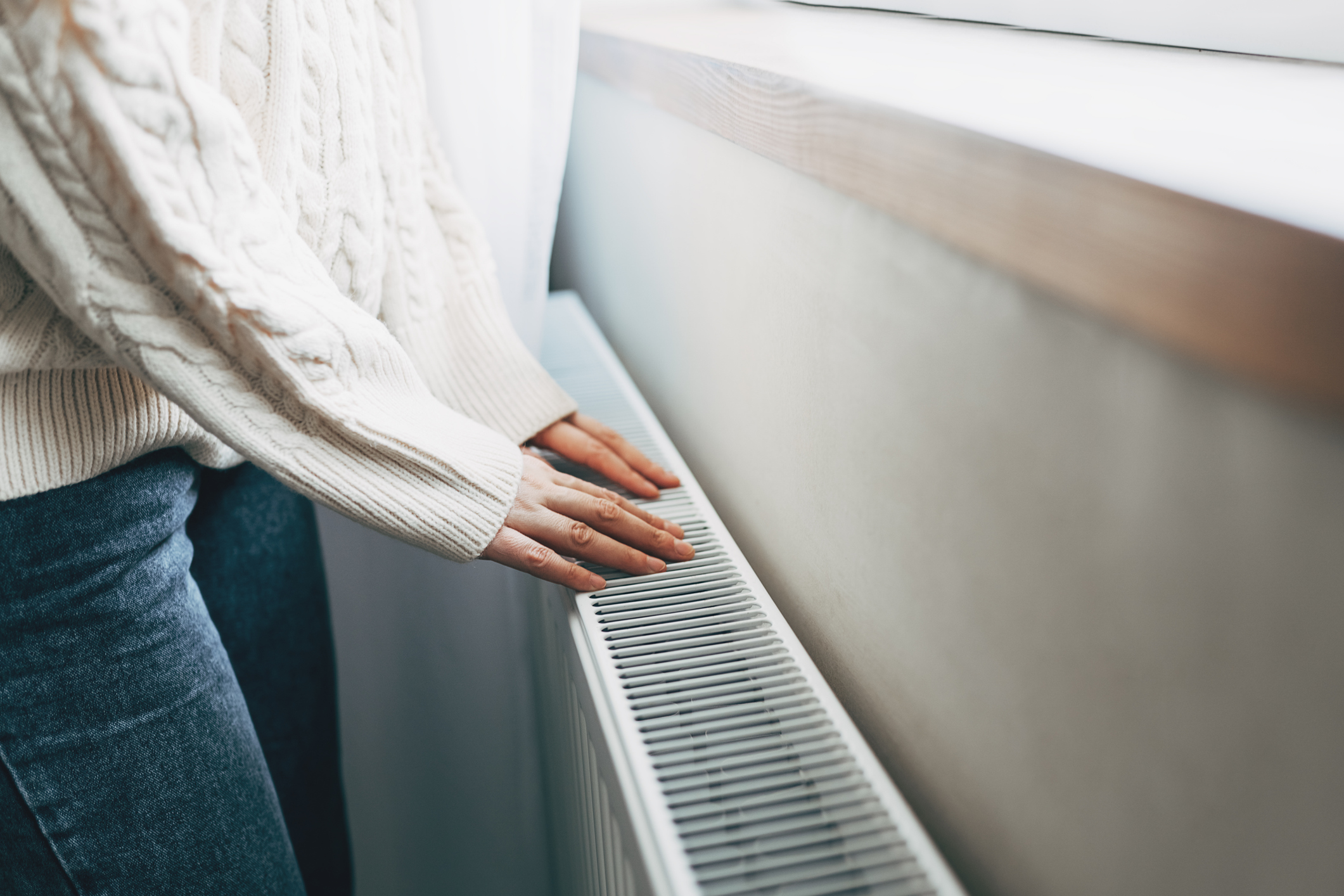
You can also do this on your outside pipes and ones in colder parts of your home. These are where you are most likely to experience frozen pipes.
If you have pipes in particular cold parts of your home, such as in a loft or basement, it can be worth leaving doors or windows open to these areas every so often to warm these spaces up.
Do the same with cupboards, opening the doors to spread warm air to all areas that have pipes in them.
Importantly, you should make sure your home never gets too cold. Keeping your thermostat set high enough, even if you’re not at home can avoid your indoor pipes ever getting too cold.
If you are going to be away for the Christmas period, this will be essential with your home being empty for a prolonged period of time.
If you’re able to, turn your water off at the stopcock if you’re going to be away. Then, by draining the water at a tap, you can avoid your pipes having cold water flowing through them.
