
It’s a bad time to be in the West Midlands with sightings of one of the UK’s largest spider species popping up across the area. Thanks to rising temperatures, it has been pushed more than 100 miles from its usual habit.
The wasp spider looks alarming at first sight. It’s large, especially compared to the UK’s usual spiders, covered in colourful stripes and has the ability to move long distances on its silk strands.
However, they pose no real threat to humans. If you were to be bitten by one, which is very unlikely, it is comparable to a nettle sting in pain. They are known to be non-aggressive, only attacking when harassed.
The Worcestershire Wildlife Trust has spotted the spiders in Worcestershire, Herefordshire and Warwickshire. Sightings have also occurred in Evesham, Broadway and Worcester.
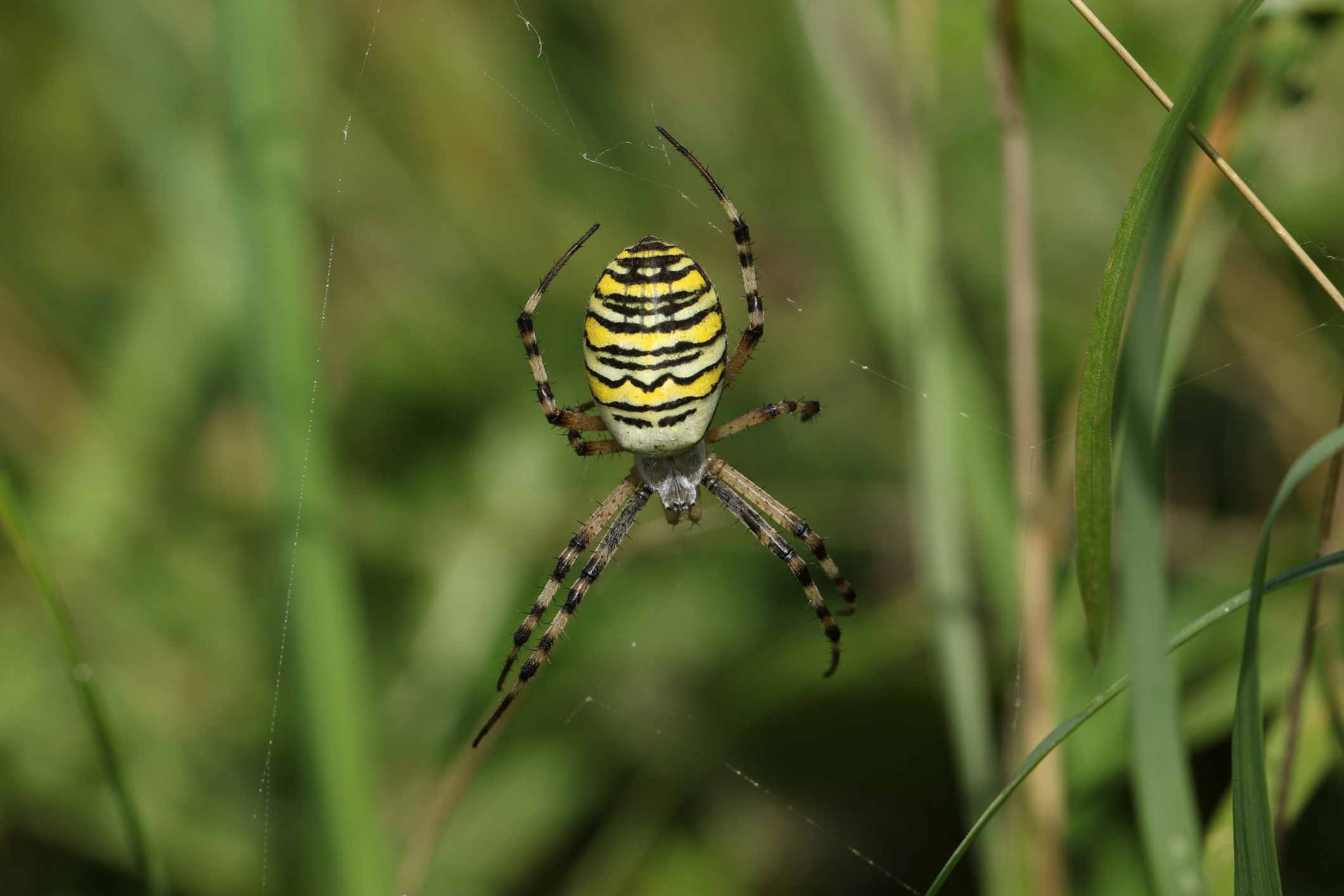
The species has been found in the UK since 1922, so this isn’t new. However, they have rapidly expanded northwards in recent decades. It is believed that warmer temperatures and milder winters are likely forcing the spiders to find new habitats.
Wasp spider’s have a unique system when it comes to mating, it can be dangerous for males. They wait at the edge of the web until the female has moulted into a more mature form. Then, the male rushes in at the last minute when her jaws are soft to mate. A high number of males do get eaten at this time.
For successful breeding, the spiders require at least three months of warm weather and a mild winter. Female wasp spiders are now in the process of laying egg sacs before dying off as temperatures fall later in the year.
These are not the only species to be found migrating North in the UK. The distribution of waterbirds is seeing species such as the Bewick’s Swan and Goldeneye, two species of duck, moving North.
