
Radioactive traces left behind by nuclear weapon testing off the shores of Scotland have been found in the teeth of whales. These traces are now being used to understand the history of these animals.
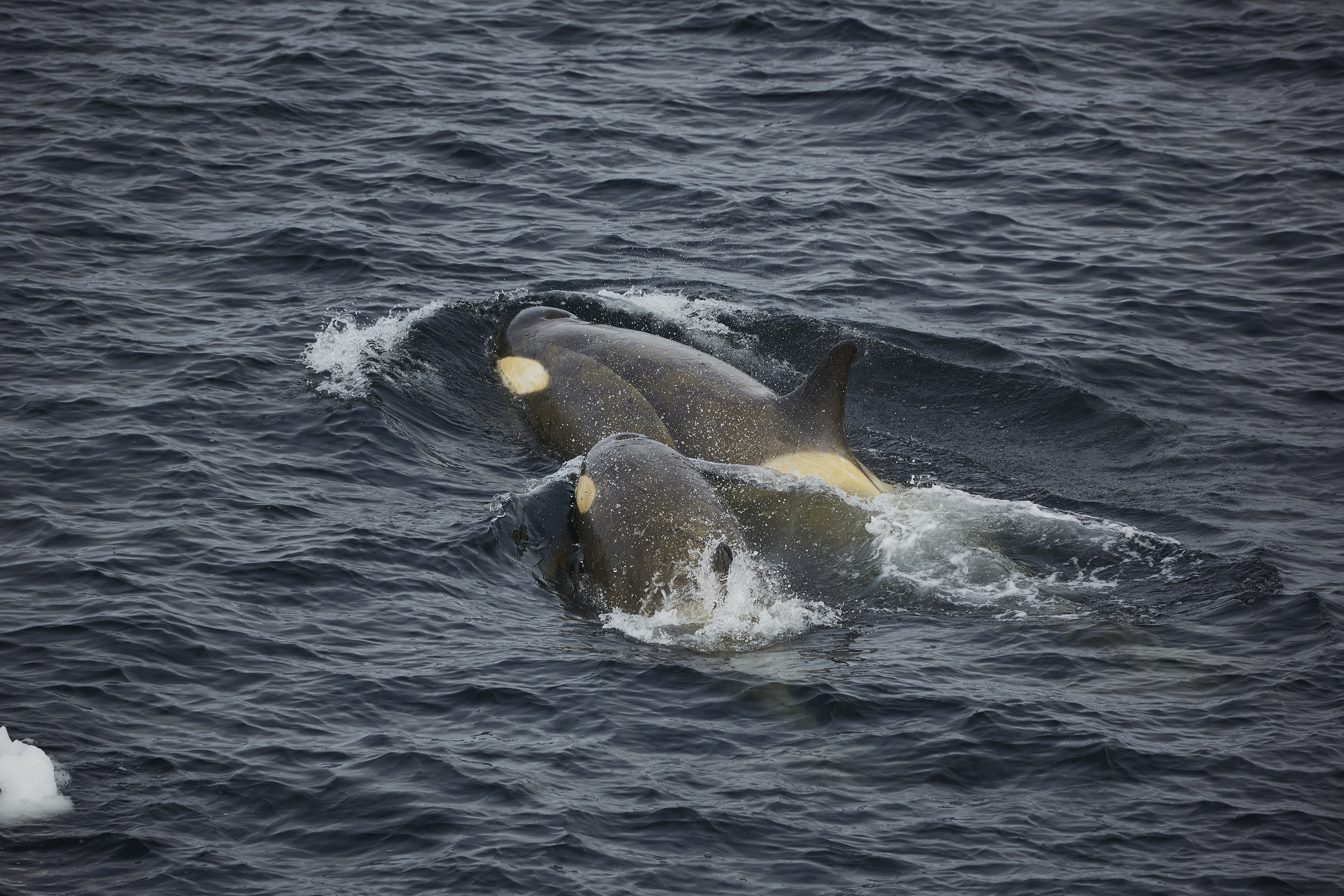
A team of researchers from Scottish universities and museums utilised radiocarbon dating techniques, sampling the teeth of two sperm whales and three killer whales who died on Scottish shores in decades past.
The findings have now been published in the journal frontiers in Marine Science. Each growth layer in a whale’s tooth is thought to form annually, similar to the rings of a tree. The researchers tested that assumption for the first time in sperm and killer whales by using bomb radiocarbon.
These radiocarbon signals, along with stable isotopes (non-radioactive atoms), provided clues about what the whales called home, what they ate and how long they lived. This has helped scientists to understand the life cycles of the whale species, with one killer whale studied being among the oldest known male of his type ever documented.
The research also provided new insight into how whale’s teeth develop as they age. This acts as some of the first direct evidence that tooth growth layers are created annually during early to mid-life.
The teeth analysed included samples from two well-known Scottish whale strandings. Sperm whale Moby, whose skull is on show in the National Museum of Scotland, became stranded on mudflats along the Firth of Forth in 1997.
“My parents took me to see Moby when he arrived in the Firth of Forth in 1997, when I was six years old. A few days later, we saw pictures of him dead on the shore, and I had so many questions: How could this huge, amazing animal die so suddenly? Where had he come from? What sort of life had he had?,” said leader author Dr Kieran Tierney, of SUERC: centre for the Isotop sciences.
“Those questions have always stayed with me, and they have been a fundamental part of what has driven my career at the overlap of marine science and isotope research. To be able to hold one of Moby’s teeth 30 years later and do work which helps us understand a bit of the life he had is something I'm really proud of."
Why is radiation helping explain the lives of whales
Large amounts of radiocarbon were released when atmospheric nuclear weapons testing began in the mid 20th century. The fallout from these tests entered ecosystems both on land and in the sea.
The team used this radiation to help date the whales. By analysing the radiocarbon preserved in the tooth layers, they could determine whether the layers were formed before, during or after weapons testing.
This data showed that Moby was at least 43 years old when he died in 1997. The other sperm whale was younger than Moby. The teeth of the sperm whales showed signs that they were likely born in warmer subtropical waters before moving to cooler, higher-latitude waters as they mature.
The layers in the teeth of one whale suggested he could be around 65 or perhaps even older, making him the oldest male killer whale on record.
"The effectiveness of conserving and managing marine mammal populations depends on how well we understand their life histories, and ecology,” says Dr Tierney.
“This study looked at five whales, so its scope is limited, but it provides new information which we think may be useful to help conservation efforts in the years to come. It could help improve how we interpret age and life-history records in these animals.
The team hopes this research will help us to better understand the full life span of whales, giving us a key insight into their behaviours.
