
Look into your average river bed and you’ll find it filled with life. Amongst that complicated eco-system, you’ll even come across one of the longest-lived invertebrates in existence.
The freshwater pearl mussel is one of the weirder creatures to habit the UK. It is an endangered species, and seen as critically endangered in Ireland. It is even protected in the UK under the Wildlife and Countryside Act and there are fears it could eventually be lost forever.
Despite this, they can live to be 150 years and found in fast-flowing bouts of river. While they have a long life ahead of them, they also have a particularly strange start to their lives.
Once released into water, larvel mussels have just 24 hours to latch onto the gills of a salmon or trout. At this stage, they look just like a minuscule mussel and are able to open and close their tiny shells in a process known as snapping.
Most of them perish in this time but if they doo manage to attach to the gills, they can hold on for up to 10 months, eventually dropping off and burrowing deep into the river bed.
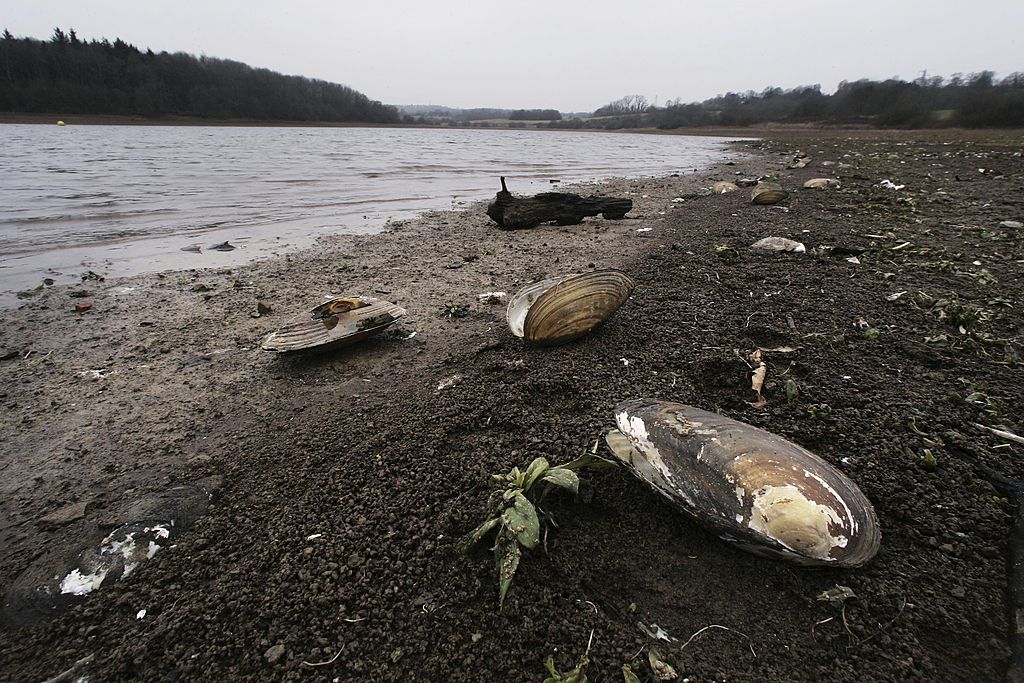
By ages 3-5, they will have slowly made their way up to the top of the river bed, staying in roughly that same spot for the rest of their lives. Here, they filter out algae and organic sediment from river water.
For young mussels, they won’t even reach sexual maturity until the age of 12 to 15, which is surprisingly late for this type of creature. Each female is able to produce roughly 4 million larvae which are then released into the water each May or June.
While they can be found scattered across the UK, their chances of survival are slim. Currently the only viable population left in England is in the Lake District, but eve there they have required help through a specific breeding programme.
At one time, they were widespread in England and Wales. It is believed that the species colonised most of its current range after the last ice age.
Despite their vanishing numbers, they are crucial for the ecosystems they exist in. Freshwater pearls can filter up to 50 liters of water a day, roughly enough to fill a full bath.
Because of this filtration process, they can improve water quality for other species like fish, eels and otters. Even weirder, it is rumoured that Julius Caesar was actually persuaded to invade the British isles by the promise of their pearls.
