
For anyone from the UK, bonfire night is a tried and tested tradition. It is a night to celebrate with family, watch some fireworks and drink a nice hot tea in the cold weather. For anyone less familiar, it will be a shock as you watch thousands of people burn an effigy of a man.
Bonfire night, celebrated on the 5th of November, has a long history, dating all the way back to 1605. It is easy to forget what the day marks, but essentially, it is the celebration of a failed assassination attempt, which does take some of the whimsy out of the day.
But who was Guy Fawkes, the man who the day marks? Why is he burned in giant bonfires? And what is the point of bonfire night?
Who is Guy Fawkes?
Guy Fawkes was one member of the Gunpowder plot. He was raised as a Protestant but later into his life he converted to Catholicism. In fact, he even went on to serve as a soldier for the Catholic Spain in its war against Dutch Protestants.
In 1604, Guy Fawkes, along with co-conspirators like Robert Catesby and other catholic men came up with the plot to blow up the British political establishment’s main building - parliament.
At the time, the political elite in Britain were protestants. There had been decades of religious tension, with many catholics hoping for a new king. When the hope slowly faded, this small group decided to take action into their own hands.
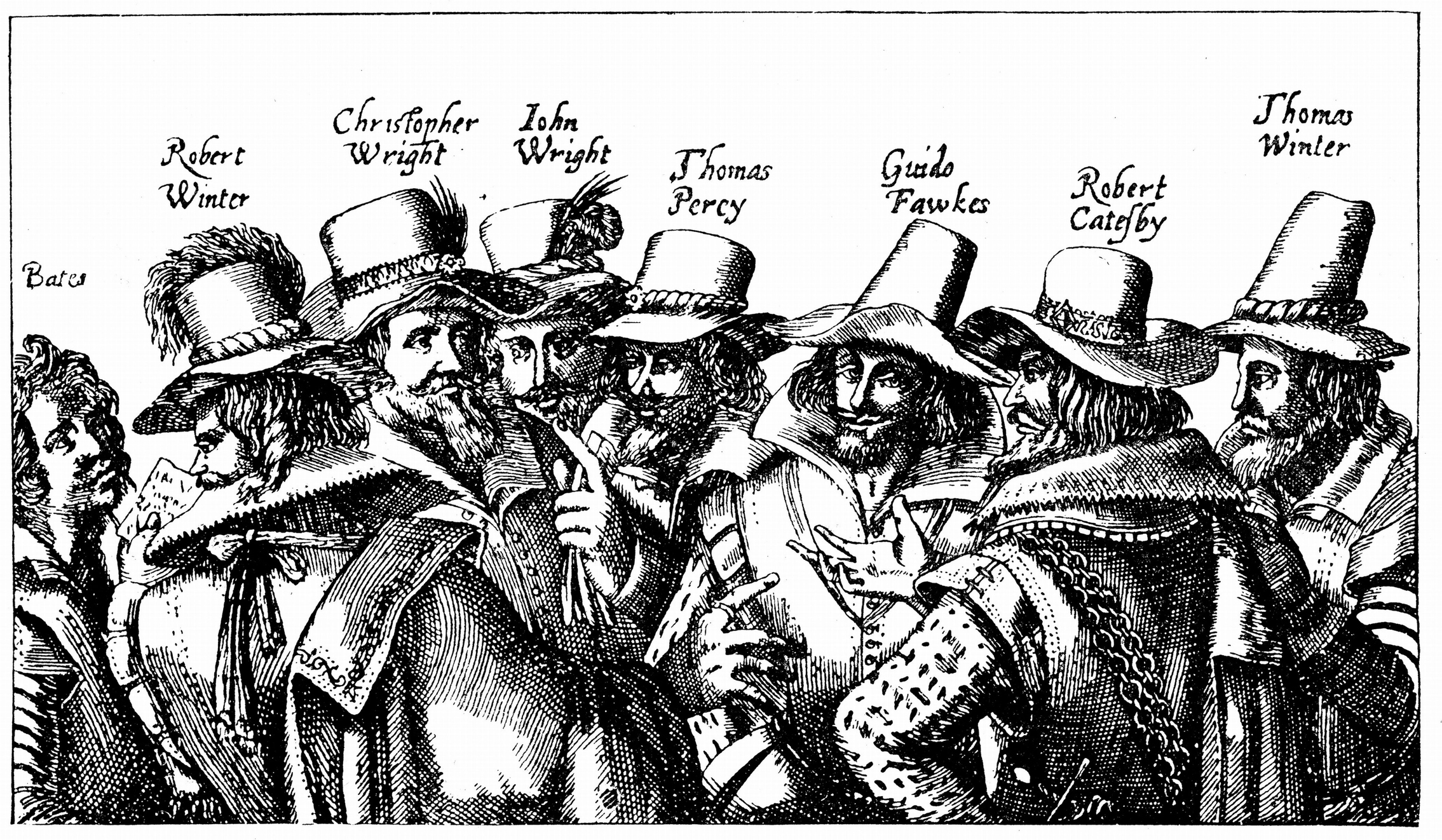
The plan was for Guy Fawkes to sneak into a cellar beneath London’s political centre, the House of Lords, planting 36 barrels of gunpowder. However, an anonymous letter was sent out, warning one Lord to stay away from the building. This caused an investigation, resulting in Guy Fawkes being caught in the act.
Fawkes, along with his co-conspirators were hung, the punishment for high treason at the time.
Why do we celebrate the 5th of November with fireworks and bonfires?
In January 1606, Parliament passed the Thanksgiving Act, marking the 5th of November as a day of celebration of the failed act. Churches held special services and communities lit bonfires.
While the political and religious tensions of the time have changed, the tradition has not. The day has been celebrated ever since, with some of the more macabre traditions existing, like burning a lifelike doll of Guy Fawkes.
The Palace of Westminster even carries out a yearly search, with guards ceremonially searching the building each year.
