The British coastline and inland waters are full of life, and most of it is utterly harmless. But if you like open-water swimming, it's worth knowing which animals could – just possibly – deliver more than a curious look and go for a quick nip instead.
Most of the time, bites happen when people get too close, corner an animal or enter its space at a bad moment. In other words, the danger is usually less Jaws and more “give me a bit of breathing room, would you?”
Seals – cute, curious and cutting
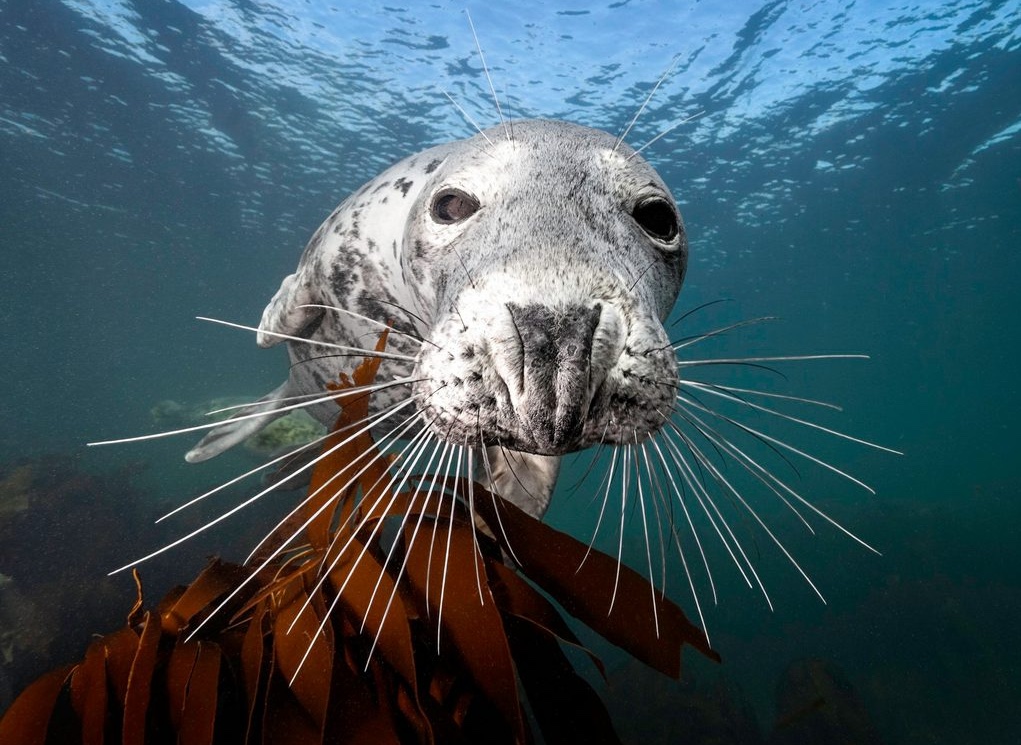
Grey and common seals are among the most familiar marine mammals around the UK coast, but they are still wild predators with sharp teeth and powerful jaws. Seals are the best-known culprits when it comes to biting swimmers, and official guidance warns they should always be given space because they can bite if threatened or if humans get too close to pups.
The RNLI and British Divers Marine Life Rescue guidance both stress that seals can inflict nasty bites, and that even an apparently harmless encounter can turn painful fast.
A swimmer at Fishcombe Cove in Brixham, Devon, had to be treated in hospital after suffering a bite on the leg from a "powerful male seal" in 2023, leading to advice that sea swimmers avoid the cove at the time. Seal charities also caution that bites can become infected and need prompt medical attention.
- Three rescued seal pups filmed "dancing together under the water” before release back into the wild
- Is it normal to see a seal on the beach? Yes – but here are the warning signs to look out for
- The hidden world of grey seals
Sharks – seldom snappy

Sharks in UK waters are far less dramatic than their film reputation suggests. Shark bites in British waters are extraordinarily rare, and unprovoked bites are basically unheard of in the modern record.
Still, species such as blue sharks and porbeagles do pass through UK waters, and the handful of reported incidents tend to involve provoked or accidental contact rather than random attacks. That makes sharks a real category to mention, but not one to fear in ordinary swimming conditions.
In one of the most widely reported modern UK shark incidents, a British woman was bitten on the leg while participating in an organised snorkelling tour off the coast of Penzance, Cornwall, in 2022. She was treated by coastguards and medics on land. The bite was classified as an accidental "provoked" incident because people were actively swimming with the wild predatory fish.
- The rise of the shark in British waters
- What’s the most common shark in Britain?
- The world’s fastest shark and centuries-old giants: Discover 7 shark species found in UK waters
Pike – the freshwater surprise
crisod, Getty
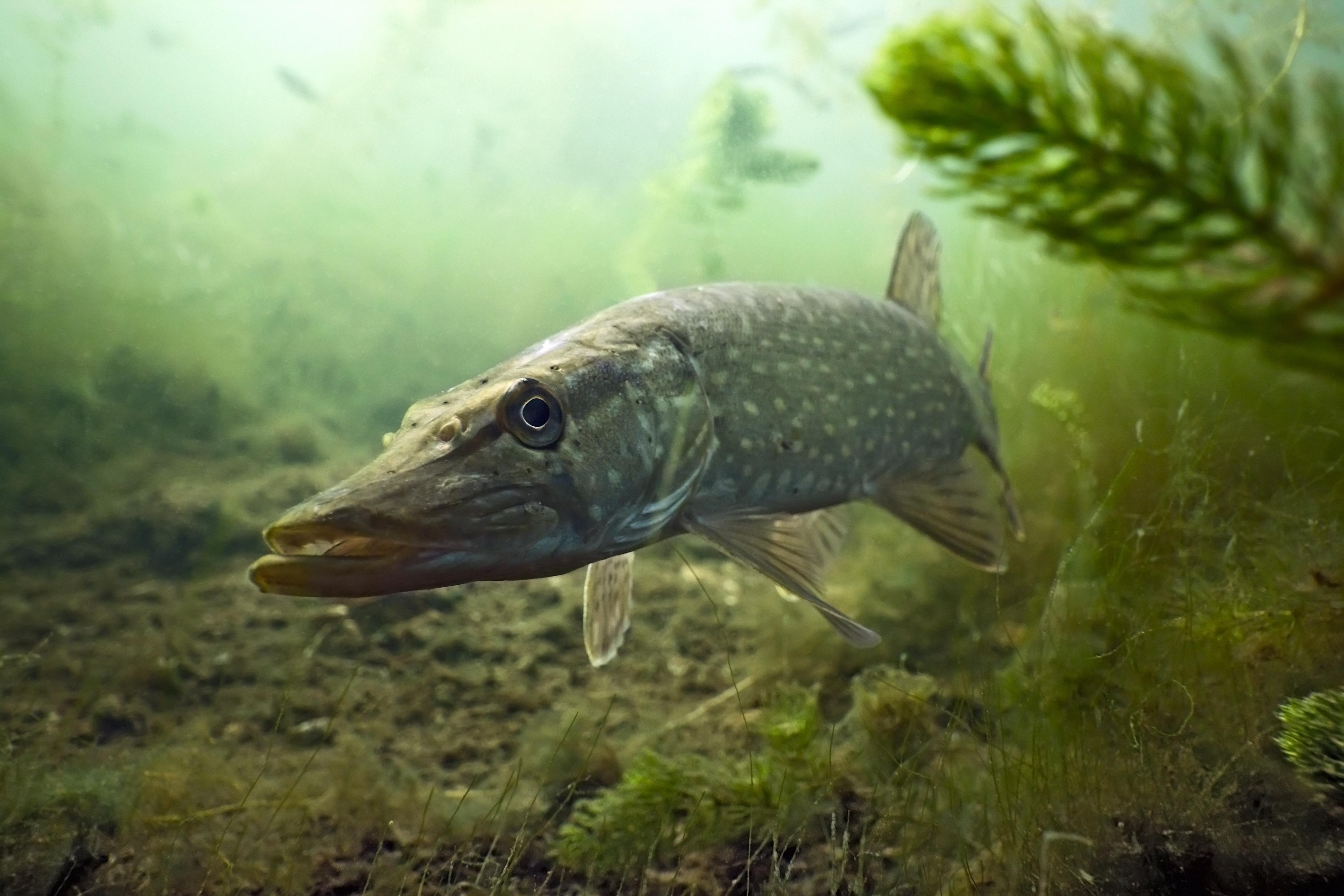
If your swim is in a lake or river rather than the sea, pike are one of the fish worth knowing about. They are predatory freshwater fish with sharp teeth (up to 700 of them), and swimmers have reported bites when dangling feet or hands near the surface.
These incidents are unusual, but they can catch people off guard because pike are hidden, fast and built for ambush. In July 2023, an open-water swimming group had to temporarily halt operations at Thrybergh Country Park in Rotherham when a swimmer was aggressively bitten on the leg by a large pike, requiring eight stitches at a local hospital.
In 2020, a man was hospitalised after being bitten after a large pike mistook his foot, which was dangling in the water, for prey. In general, the very few pike attacks that do occur are accidental rather than intentional.
- What's the most common fish in Britain? You might be surprised by the answer
- Guide to small river fish: where to see and how to identify
Conger eels – the deep-sea biter
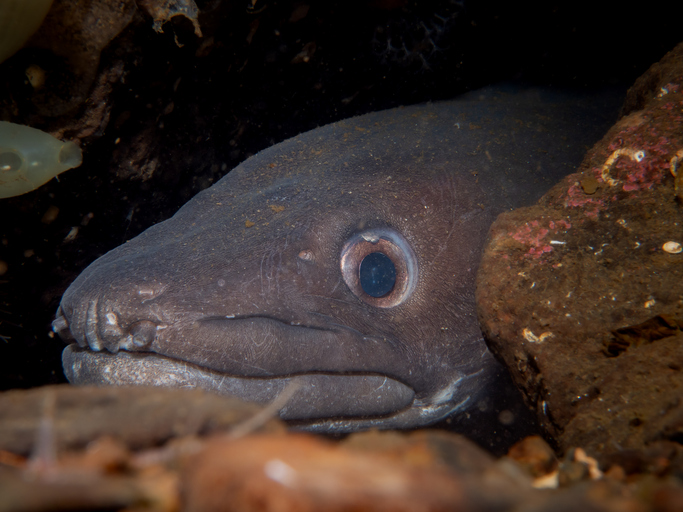
Conger eels lurk in rocky areas, wrecks and crevices around the UK coast and they can grow very large. They are not a routine threat to swimmers, but they are capable of a powerful bite if cornered or provoked.
The risks are greatest for divers and snorkellers who get too close to a hiding place or try to interact with one. These are animals that are better admired from a distance, because once they feel trapped, their bite can be severe.
In 2013, just outside UK waters in Killary Harbour, Ireland, diver Jimmy Griffin was bitten directly on the face by a huge eel. The eel latched onto his cheek and shook him "like a rag doll", knocking out his breathing regulator. The freak attack required 20 stitches and a skin graft to repair.
After healing, Jimmy went on to bake six-foot-long sourdough breads - the same length as the conger eel - and opened Griffin Bakery in Galway, which sells 'Conger Bread' to this day.

Swans – the freshwater patrol
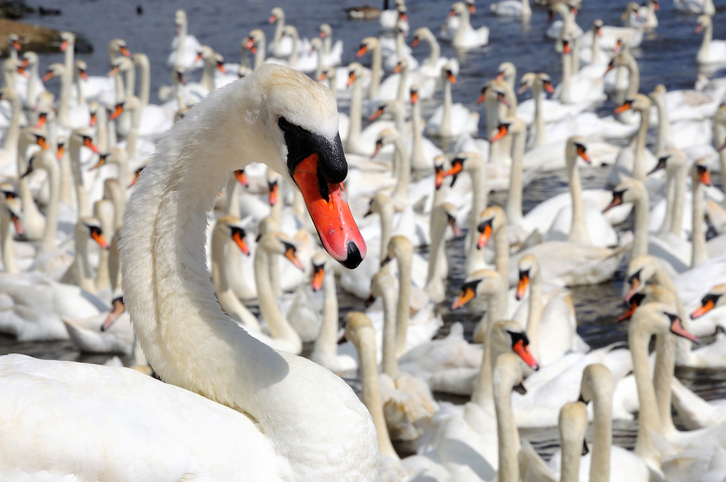
These beautiful, gliding waterbirds often do not come in peace. Mute swans are not aquatic 'predators' in the classic sense, but they are famously territorial.
Their beaks can deliver a bruising bite, even if they are nowhere near the mythic “arm-breaking” force often repeated in folklore. The real issue is not strength, but surprise and aggression when a swimmer drifts too close.
Swimmers and paddleboarders in lakes and rivers regularly report nips or bites, especially during the swans' nesting season between March and July, when adults are defending eggs or cygnets. Watch out for a hiss and raised wings – this is often followed by a lunge forward to strike.
Otters – small, but not always gentle
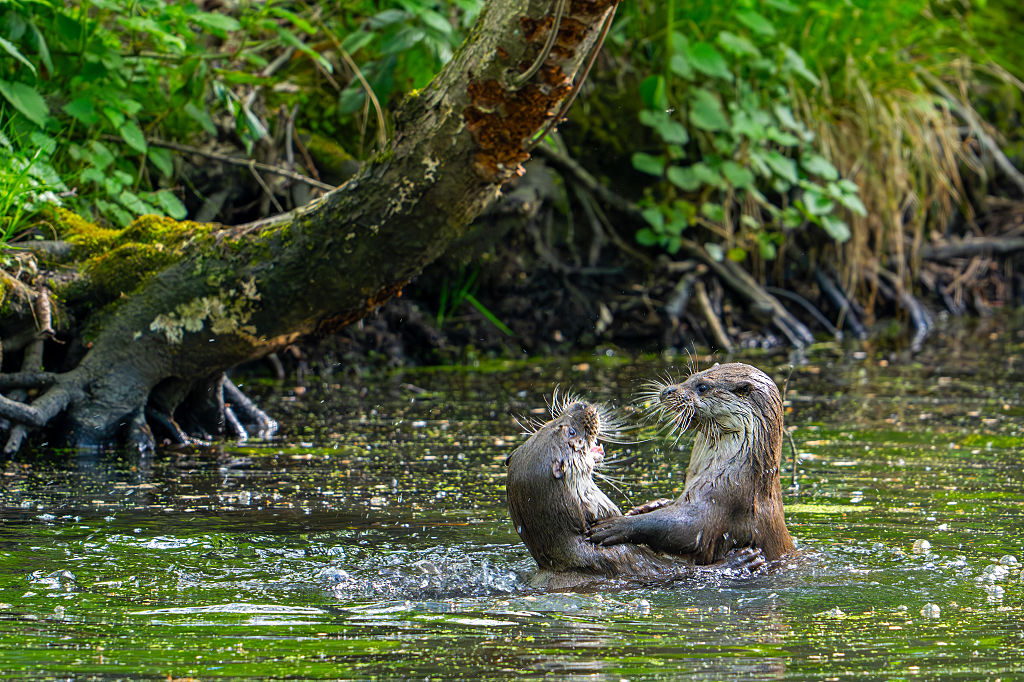
European otters are generally shy, but they can defend themselves or their young if approached too closely. In UK waters, that usually means a warning bite or a defensive nip rather than the kind of attack people hear about in some overseas stories.
The safest rule is simple: if an otter is present, you are in its space, not the other way around. Give it room, especially near dens or areas where young might be hidden.
Although there are reports of otter attacks on people abroard, such as North America or Southeast Asia, there are no recorded instances of a wild otter biting a person in the UK.
Cormorant
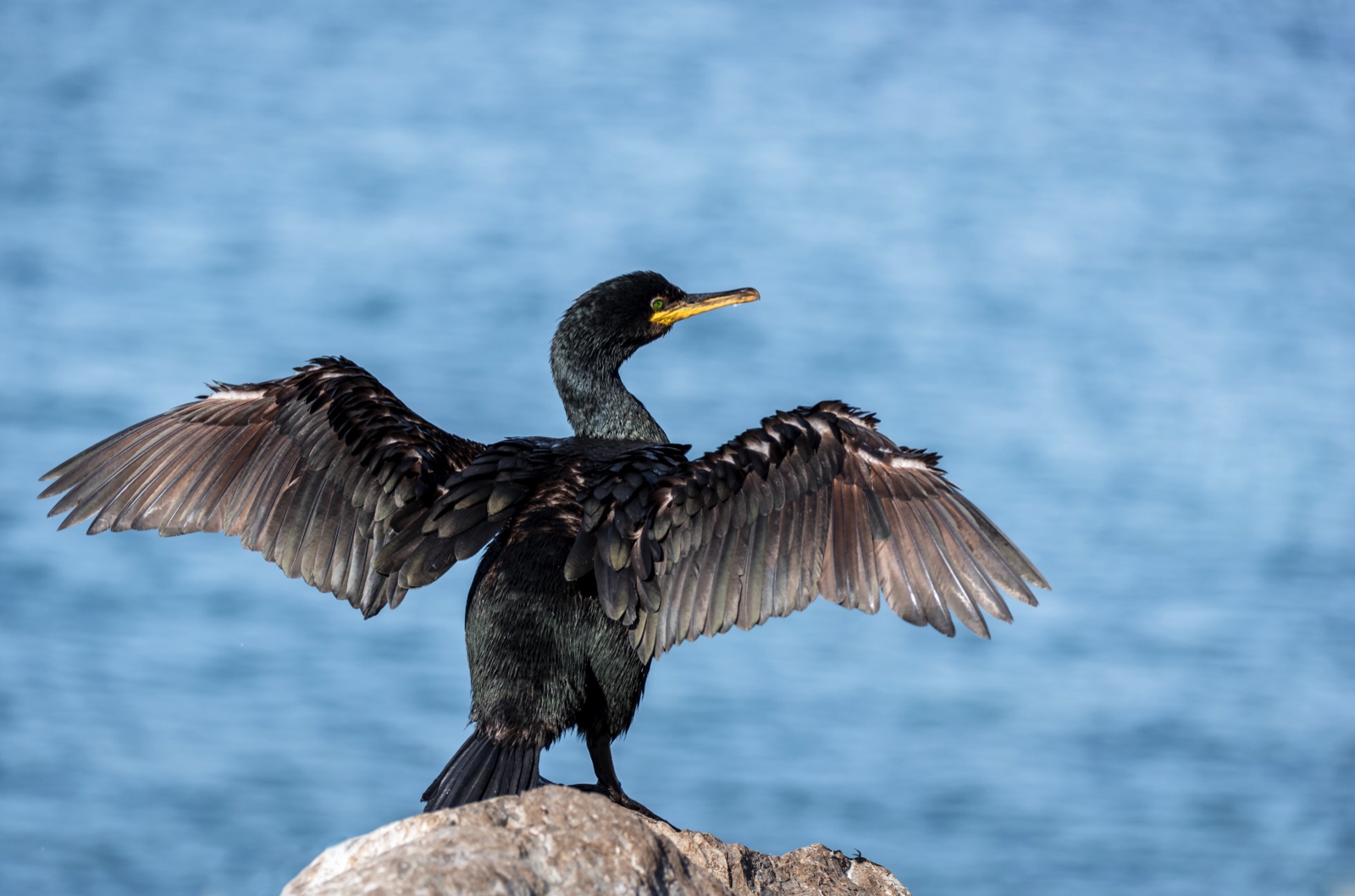
An unexpected entry, but cormorants have been reported biting or pecking swimmers in rare cases - usually when the bird feels threatened or trapped near the surface.
These incidents are unusual, but they fit the same pattern as the others: wildlife defending space, not seeking out people. If a bird is acting aggressively, the best response is to retreat calmly rather than panic.
In an extremely rare event reported by the Daily Express in 2016, a woman swimming in the sea at Tresaith, Wales, was attacked and bitten by a cormorant. The large diving bird dove into the water near her, shot back up to the surface and repeatedly lunged at her, inflicting painful peck-bites before she could swim back to the beach.
What this really means for swimmers
In UK waters, bites from animals are uncommon. When they do happen, they usually involve a seal – and even those are rare. The best protection is respect for wildlife, distance and avoiding feeding or cornering wild animals.