The natural world is full of surprises. While many of the romances that occur within the animal kingdom are rather predictable, there are other relationships that take place out of sight – or in an entirely unanticipated manner. Some have symbiotic relationships, where both parties benefit from the partnership, while other species are masters of deception, with cunning plans to undertake some of nature’s strangest heists.
From the animals that lay eggs in the nests of others to the creatures that convince others they are pregnant in order to steal their resources, these are the strangest relationships in nature.
Nature's strangest relationships
1. Lungwort lichen
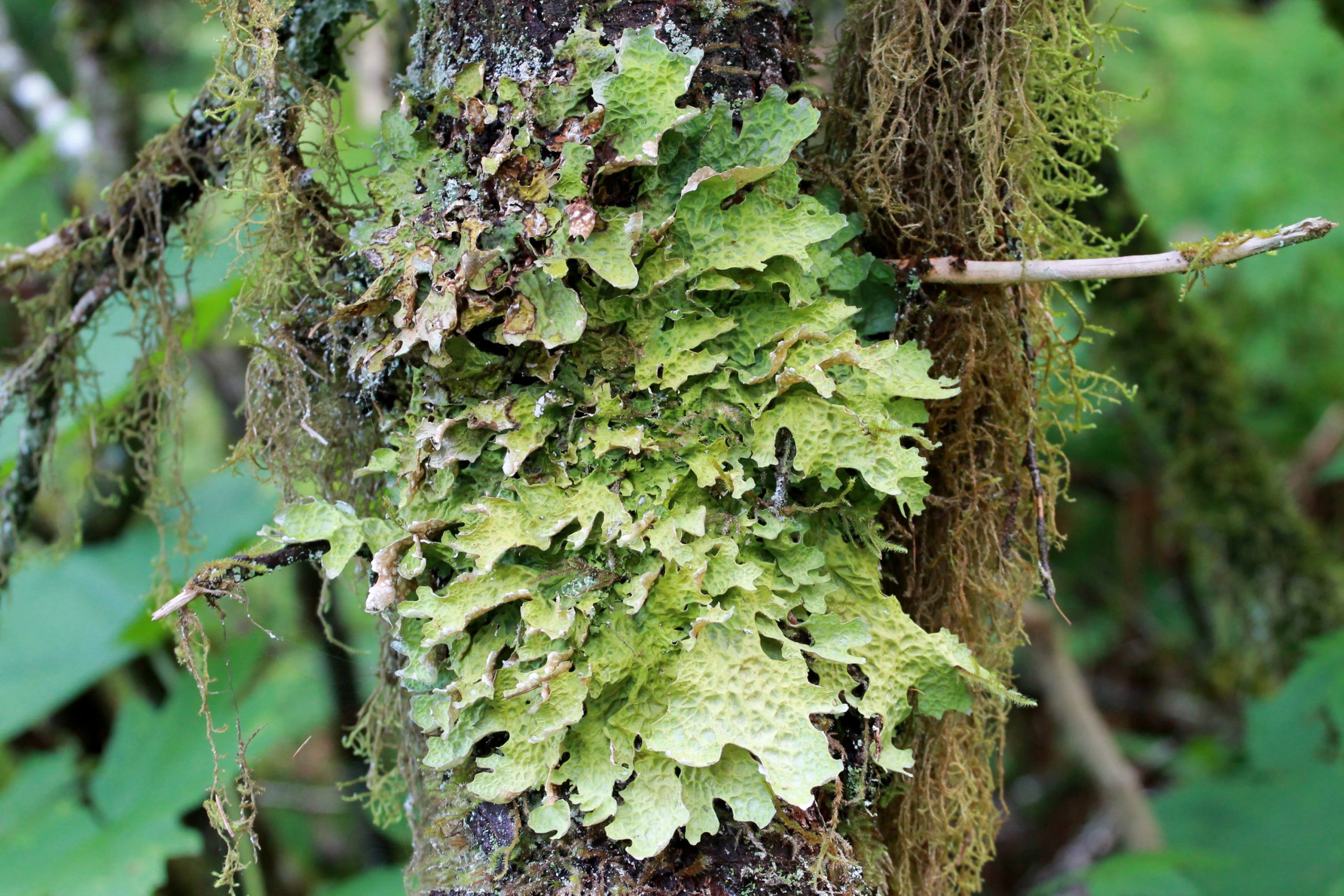
Once a medieval remedy for respiratory maladies, lungwort – one of the UK’s largest and fragile lichens – is a symbiotic specialist in disguise. This ‘Queen of the Woods’ is anchored to the bark of oak, ash, beech or elm, its verdant leafy body sheltering a truly unique three-way alliance. A fungus adds housing, while both a cyanobacterium and a green alga provide the food through photosynthesis.
Sensitive to pollution, lungwort only thrives in clean, ancient woodlands and temperate rainforest, rendering them as much of a miniature ecosystem as a living barometer of the air we depend on.
2. Freshwater hairworms
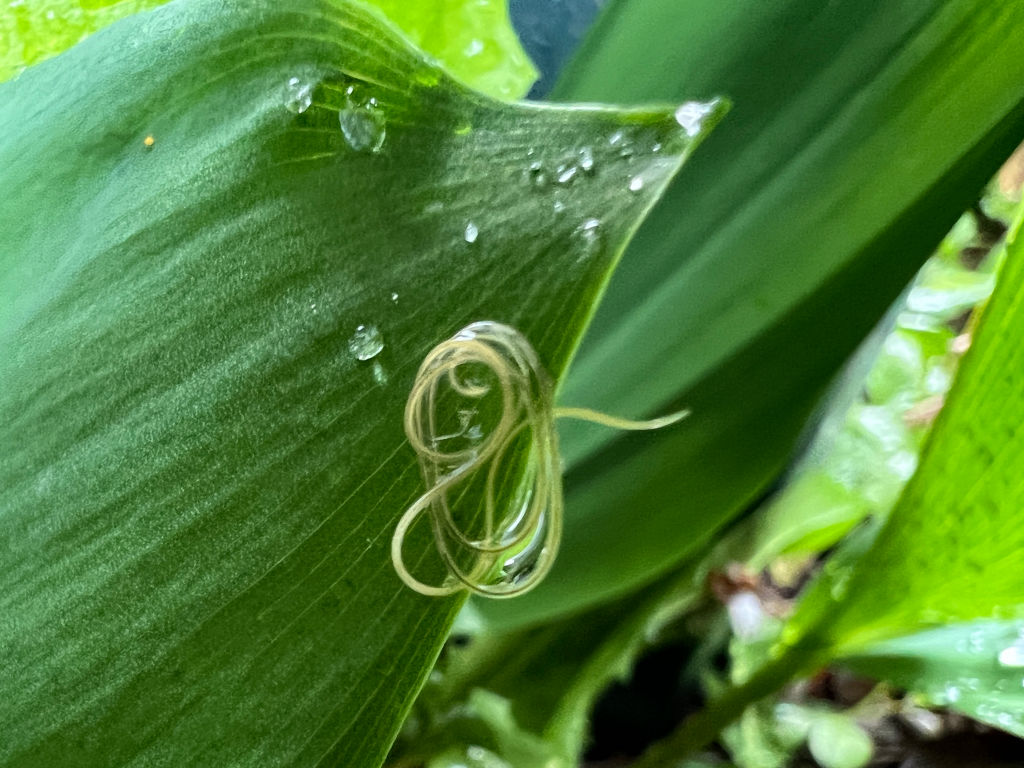
This roundworm lives rent-free in its hosts’ heads – crickets, grasshoppers, beetles – until they pull off their signature trick: mind-control. Hairworms lay millions of eggs and need several hosts; connecting many species together. But after their final host swallows a juvenile hairworm, their fate is sealed. As the hairworm grows in the host's head area, it hijacks behaviour, driving the insect into water in a dramatic (sometimes death-defying) leap. There, the hairworm bursts out in a thread-like spill of ‘horsehair’, ready to mate. With 350 species across freshwater and marine habitats worldwide, hairworms lead among the most bizarre, overlooked lives in the animal kingdom.
3. Mint sauce worms
Animal by name, plant by nature: meet the marine flatworm that moonlights as a leaf. Nicknamed the ‘mint-sauce worm’, or, delightfully, the ‘animalgae’, this 3mm marvel has evolved to accommodate free-living, photosynthesising algae within its now-verdant body. Found in quiet Atlantic tidal pools, especially around the Channel Islands, it lives by the sun, the tides and gravity. When the tide retreats, millions of mint-sauce worms rise toward the light to solar-charge. With the incoming tide, they sink together to the safety of the sand. A tiny biological miracle on our doorstep, rewriting the rules of what an animal can be.
4. Sacculina barnacles and shore crabs
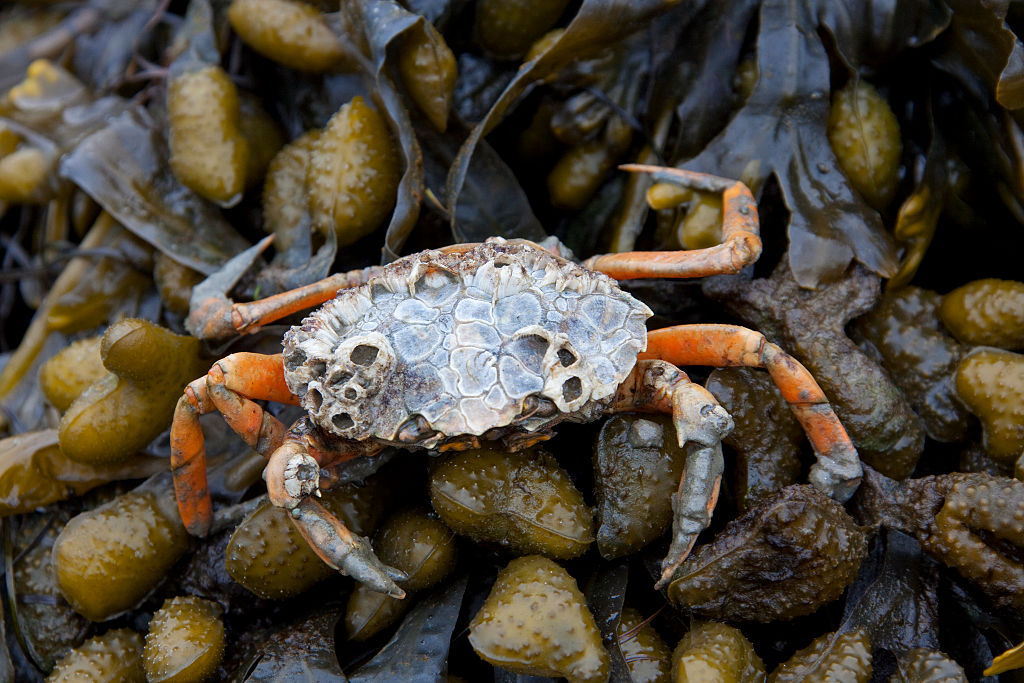
Your British rock-pooling may never be the same after meeting Sacculina. This barnacle looks nothing like the crusty cones that scrape your knees. It slips into a shore crab and flourishes like a sapling inside its body. Once a female Sacculina larva finds a freshly moulted shore crab, she hijacks its hormones, redirects its resources and convinces the crab it is pregnant. All to care for her young. Eventually, Sacculina emerges as a fake crab egg sac, gets fertilised, then falls away; leaving a bewildered crab in the wake of one of nature’s strangest heists.
5. Ruby-tailed (cuckoo) wasps
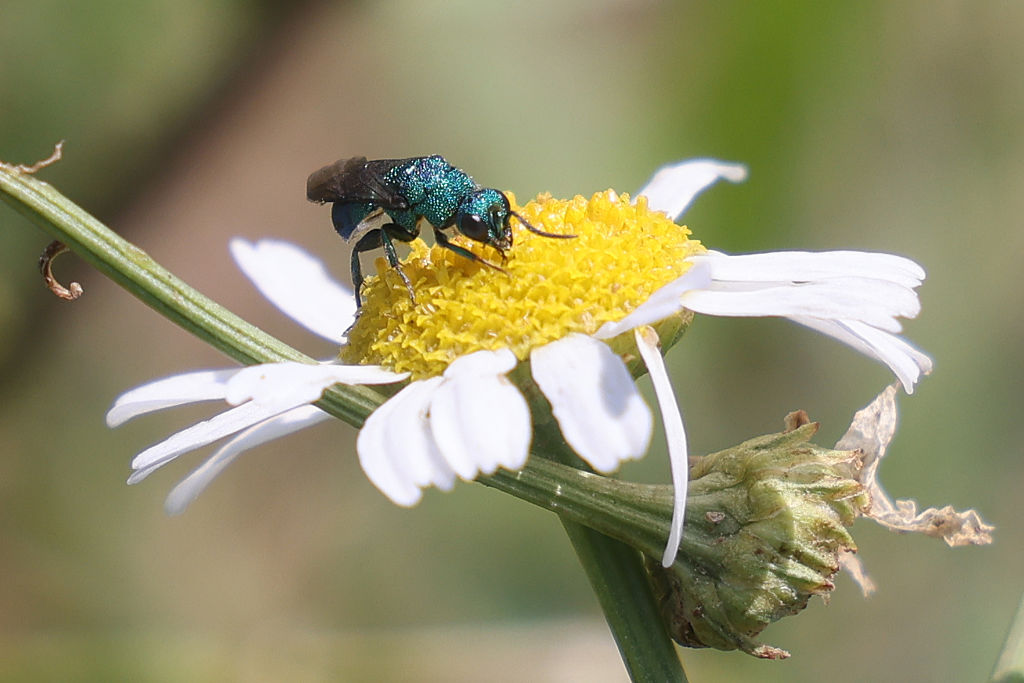
Perhaps among the most beautiful of insects, this stunning wasp has a cunning plan to stake its place among sandy, rocky habitats in the UK. Being a solitary wasp generally means a solo life; with no queen or colony to answer to. Yet the female ruby-tailed wasp (one of Britain's weirdest insects) amplifies the independence, by doing away with a nest altogether; preferring instead to lay her eggs in the nests of other solitary bees and wasps – mason bees, especially. When the ruby-tailed eggs hatch, they feast on the ready meal of larvae of the host nest; making sense of their other name, the ‘cuckoo wasp.’
6. Basking sharks and sea lampreys
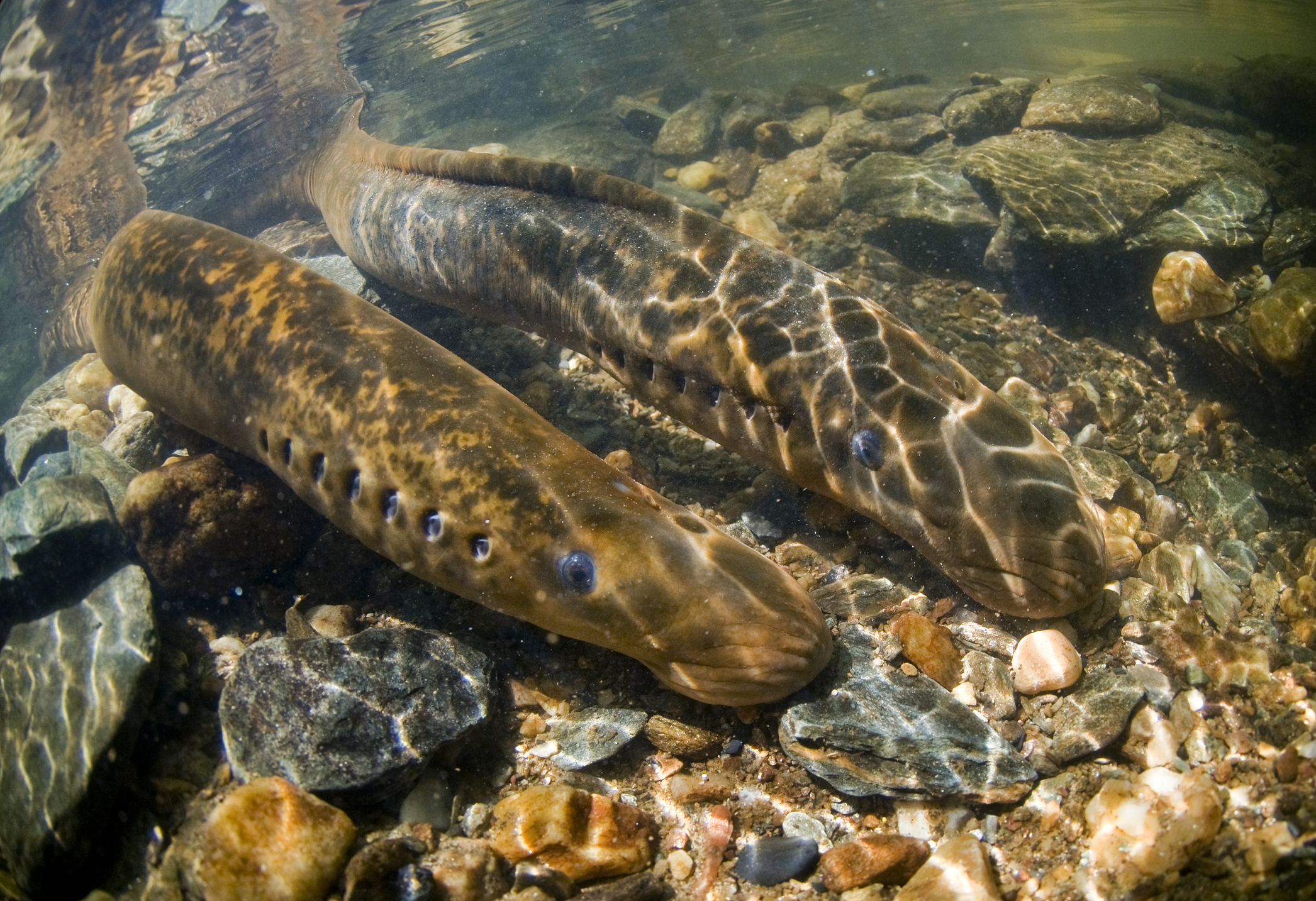
They’re the size of a double decker bus, but not all passengers are welcome aboard the basking shark. As seasonal visitors to UK waters between May and October, you might spot one with attachment issues. Sea lamprey – ancient, jawless, flesh-eating and over a metre-long – can hide in plain sight on the underside of basking sharks. Fastened onto the shark’s skin, they scrape flesh away and drill for blood underneath. How this impacts their host remains a mystery, but the mechanisms earn the lamprey its nickname: ‘the vampire fish.’
7. Early spider orchids and buffish mining bees
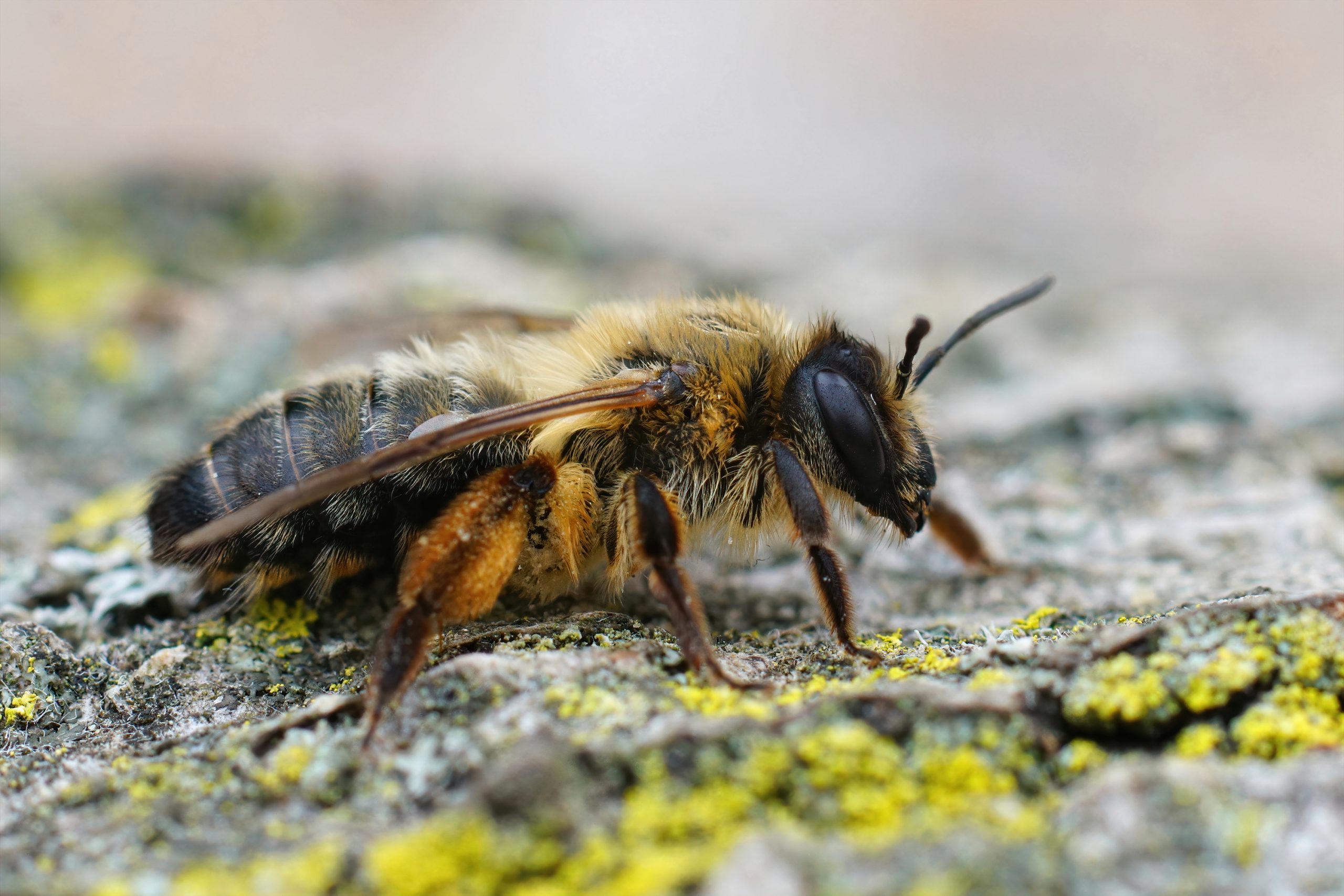
The early spider orchid is a master of floral deception. Found mostly on the chalk grasslands of England’s south coast, it relies entirely on the male buffish mining bee, and chemical trickery. The orchid releases a scent almost identical to a female bee’s pheromones, luring eager males into attempted romance and, unwittingly, pollination. But this relationship is under threat. Climate change and associated ‘spring creep’ are knocking the orchid and its bee out of sync, jeopardising one of Britian’s most spectacular botanical cons.
Sophie Pavelle is the author of To Have and To Hold: Nature’s Hidden Relationships (Bloomsbury).