
They are beloved companions, internet icons, sofa-sharing confidants and members of the family for millions of people. Yet whenever the topic of cats and wildlife arises, the conversation tends to focus on one issue: predation.
Domestic cats kill birds and small mammals, and this fact often dominates discussion about their place in the natural world. But focusing solely on what cats hunt misses a far richer and more fascinating story. Because the cat curled up on your sofa today is much closer to its wild ancestors than most people realise.
Every domestic cat traces its ancestry back to the African wildcat, a small, sandy-coloured predator that still roams parts of Africa and the Middle East. While humans have shared their lives with cats for thousands of years, domestication changed them surprisingly little. In many ways, our pets still think and behave like wild animals.
The wild in your pet cat
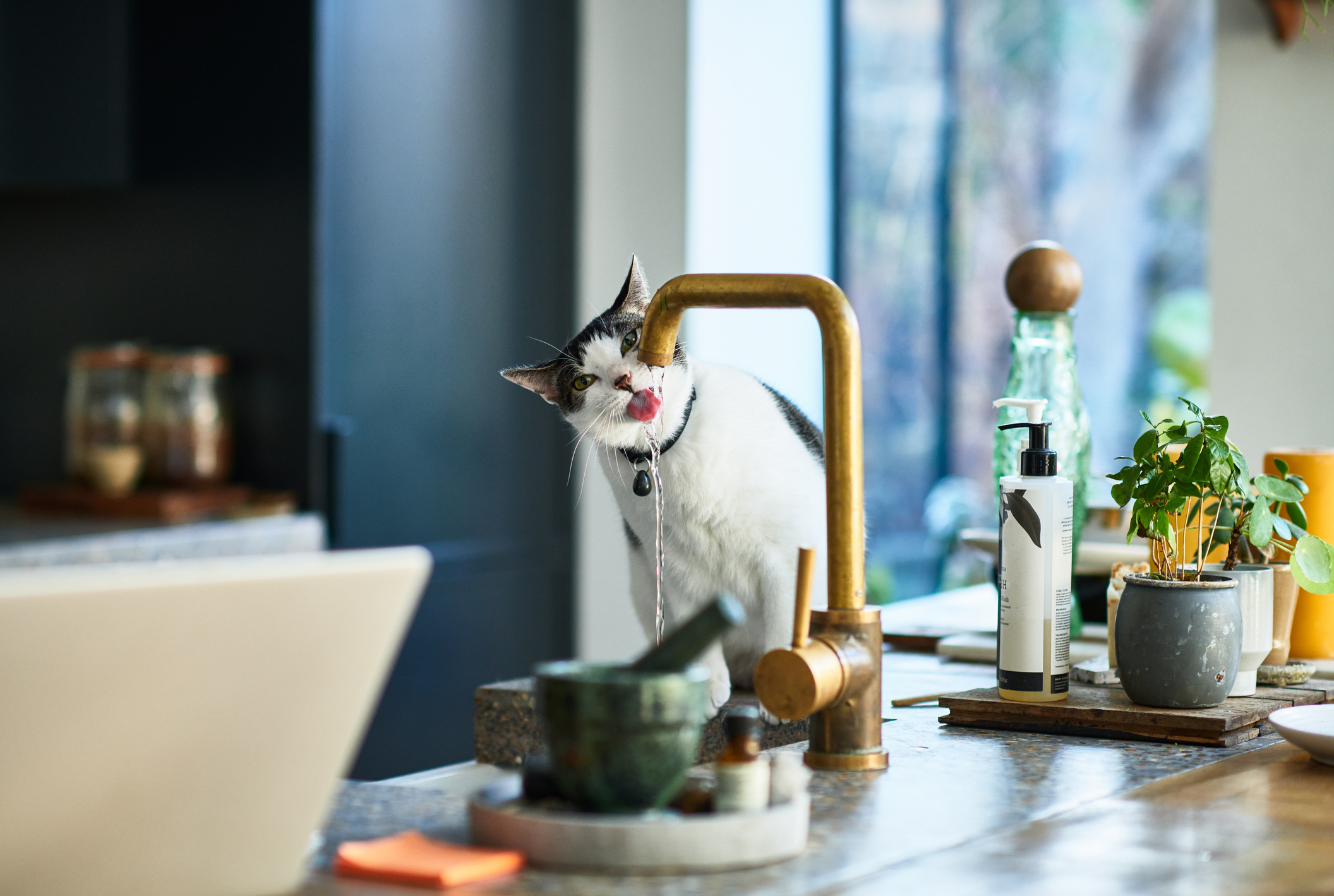
Take water, for example. Many cat owners notice that their pets would rather drink from a dripping tap, a puddle in the garden, or a glass left on the side than the bowl provided for them. This isn't simply feline stubbornness.
In the wild, African wildcats avoid water sources close to food because carcasses can contaminate water and attract competitors. Domestic cats still carry that instinct, which is why moving a water bowl away from food can often encourage cats to drink more.
Their need for personal space tells a similar story. African wildcats are largely solitary animals that choose when and how to interact with others. The desire of many pet cats for a quiet hiding place, a high perch or a room of their own is another reminder that their wild heritage remains close beneath the surface.
These similarities are more than interesting pieces of trivia. Understanding them can help us provide better welfare for our cats by creating environments that meet their natural behavioural needs. They also remind us just how closely connected domestic and wild cats remain.
The fight to protect wildcats
That connection is particularly important in Scotland, where conservationists are working to secure the future of one of Britain's rarest mammals: the Scottish wildcat.
One of the greatest threats facing wildcats has been hybridisation with domestic cats. Interbreeding can dilute the genetic distinctiveness of already fragile wild populations, creating a significant challenge for conservation and reintroduction programmes.
This is one reason why neutering pet cats is so important. It helps prevent unwanted litters everywhere, but in areas where wildcats survive it can also play a role in protecting one of the UK's most endangered species. The future of the Scottish wildcat depends on many things, but responsible ownership of domestic cats is part of the solution.
The close relationship between wild and domestic cats has also led to a growing concern on a global scale: the breeding of hybrid cats created by crossing domestic cats with wild species such as servals and caracals.
These animals, including Savannah and Caracat cats, are often marketed as exotic and desirable pets. Yet the reality can be troubling. Domestic female cats may be injured during breeding with much larger wild males, while the resulting kittens can inherit behavioural traits that make life in a typical home difficult. High energy levels, fearfulness and complex behavioural needs can leave both cats and owners struggling.
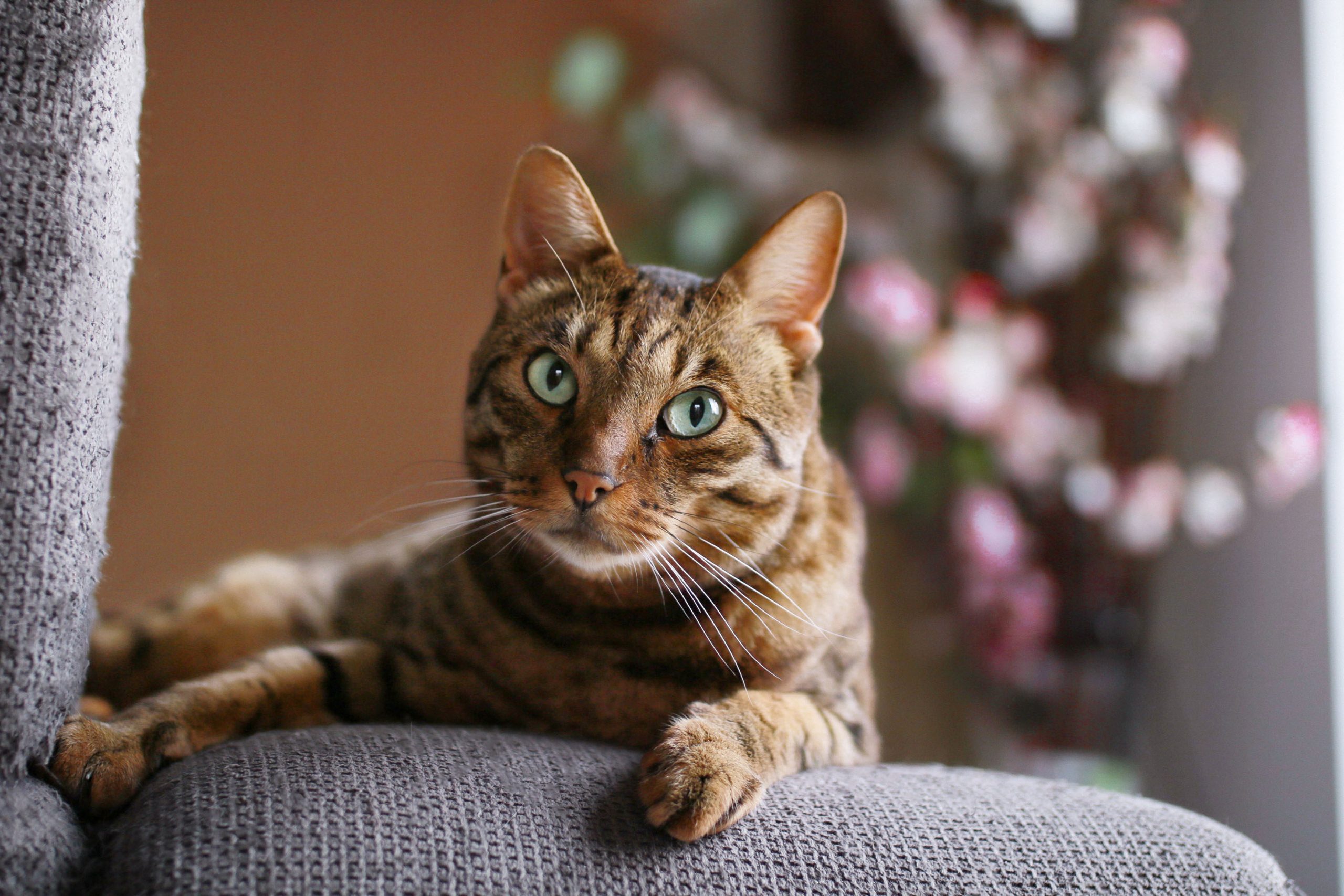
There are wider conservation concerns too. Demand for wild-cat hybrids can help fuel international trade in wild animals, creating additional pressure on already vulnerable species.
Protecting cats, whether wild or domestic, means recognising and respecting what they are. They are not fashion accessories or status symbols. They are animals with highly specialised behaviours and needs shaped by thousands of years of evolution.
Understanding that heritage can also help us have a more balanced conversation about cats and wildlife.
Yes, cats hunt. It is entirely natural behaviour rooted in their ancestry. But while cat predation is often highly visible, the biggest drivers of biodiversity loss in the UK are habitat destruction, pollution, climate change and changes in land use.
What can cat owners do themselves?
That does not mean cat owners should do nothing. There are practical steps that can help reduce hunting opportunities, including providing enriching indoor environments and, where appropriate, keeping cats indoors during dawn and dusk when wildlife is often most active.
Perhaps the most overlooked part of this debate is the role cat owners themselves can play in conservation. Around a quarter of UK households share their lives with a cat. That represents millions of people who care deeply about animals and who engage with nature every day through their relationship with a pet.
Too often, cat owners and conservationists are portrayed as being on opposite sides of an argument. The reality is they share many of the same values. Both care about animal welfare. Both want thriving wildlife populations. Both want future generations to enjoy a richer natural world.
The story of cats is ultimately a story of connection. Domestic cats carry the instincts of their wild ancestors into our homes. Wildcats face challenges that responsible cat ownership can help address. And the people who love cats have the potential to become powerful supporters of conservation.
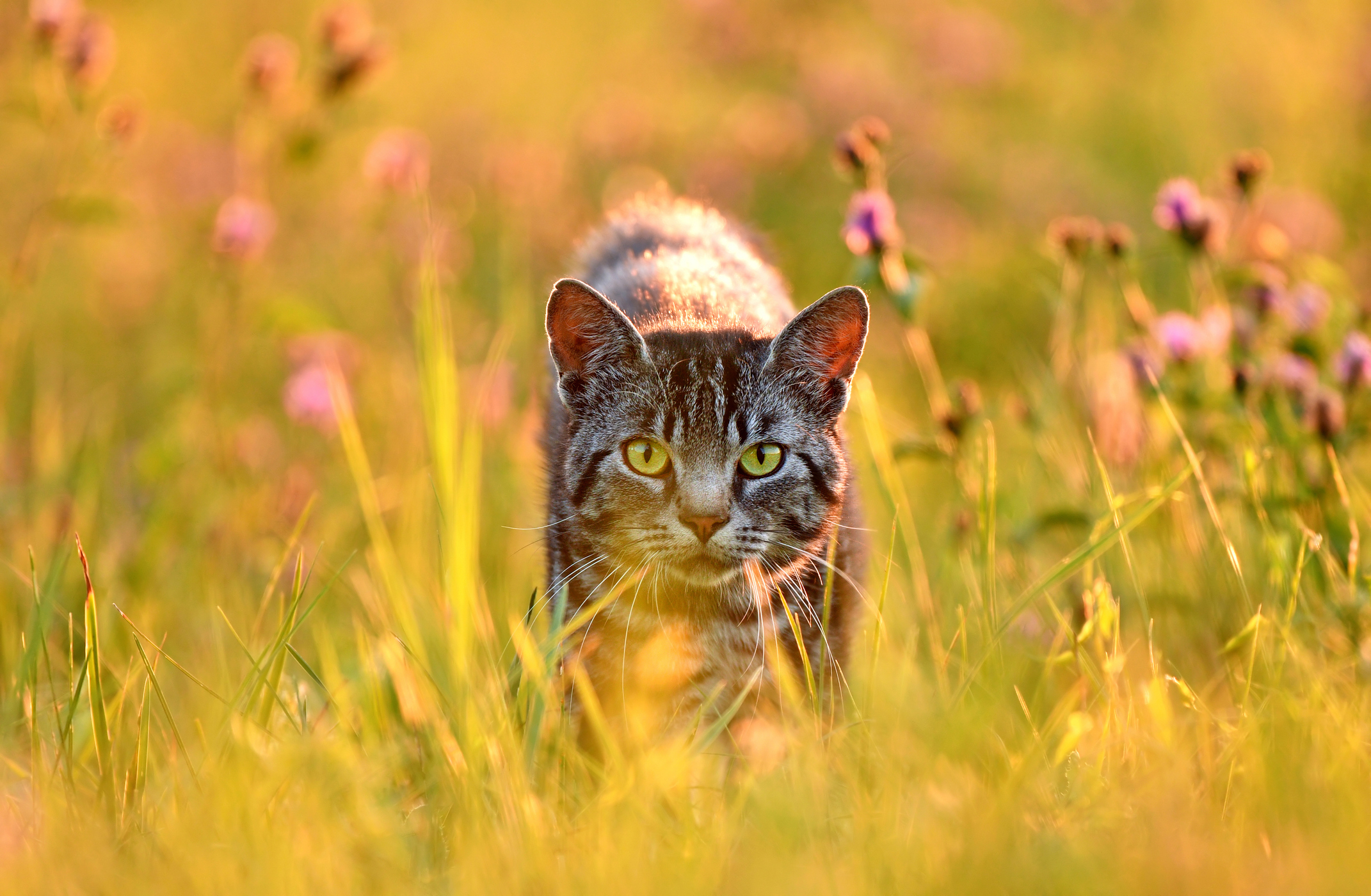
From the savannah to your sofa, the links between domestic cats, wild cats and the wider natural world are deep, surprising and full of potential. Whether stalking through long grass or padding across a kitchen floor, cats remind us that the wild world is never quite as far away as we think.
This article was written by Jeff Knott, Advocacy and Influence Director at Cats Protection. Cats Protection is the UK’s largest cat charity - to find more tips from the charity about how to give your cats the best life, visit cats.org.uk
