
If you live inland, or have only visited select cities in the UK, it can be easy to forget about one of the island’s best features, its stunning coastlines. Take a trip to the likes of Cornwall, Scotland, or Wales and you’ll see beautiful beaches, and more importantly, great waves for surfing.
If you’ve been looking to dip your toe into the water and take up surfing, or you’re a long time surfer looking to make the most of your local beaches, we’re here to help you on the next step.
We spoke to Lucy Campbell to get her insights into the world of UK surfing. Lucy is the current and eight-time National Women’s Surfing Champion. She has competed on the international stage and has represented Great Britain several times. In other words, very few people know more about surfing in the UK than her.
Lucy shared the best beaches for surfing, some tips for getting started, and how to choose the right day for getting onto the beach.
Getting started as a surfer
If you’ve never set foot on a board, getting started can feel impossible. So where do you actually start? It’s quite simple really.
“Go for it! Embrace a face full of water, embrace the cold, there's nothing like the feeling of overcoming something challenging like getting in the ocean on a fresh day! Don’t be afraid to choose a smaller day. Especially when you’re learning, a clean waist-high wave is going to be much more fun and much more useful than trying to paddle out into something way beyond your level,” Lucy Campbell told BBC Countryfile Magazine.

When you’re starting out, you can choose to look into lessons to help get past the beginner stages, or you can just hit the water and try to work things out for yourself. You won’t be catching big waves on your first day, but the experience of some cold water on your skin and fighting the waves will get you settled into the surfing experience.
Speaking of getting past barriers, “Invest in a decent wetsuit. Being warm makes such a difference to how much you enjoy surfing here!”, Campbell adds.
Choosing the right day
Surfing can be an unpredictable sport. You can get down to the beach and instantly be hit with horrible winds and difficult conditions. With that in mind, a bit of preparation goes a long way.
“Don’t underestimate UK waves! I think one of the biggest things is learning to read the conditions before you get in to make sure it's right for you. Check the forecast, the wind direction, the tide and the swell, ask for advice and get a good understanding of how these all work,” says Campbell.
“Wind is probably one of the biggest things I look at. Generally, you want lighter winds or offshore winds, because they help clean up the waves. Onshore wind can make things messy and much harder to surf.”
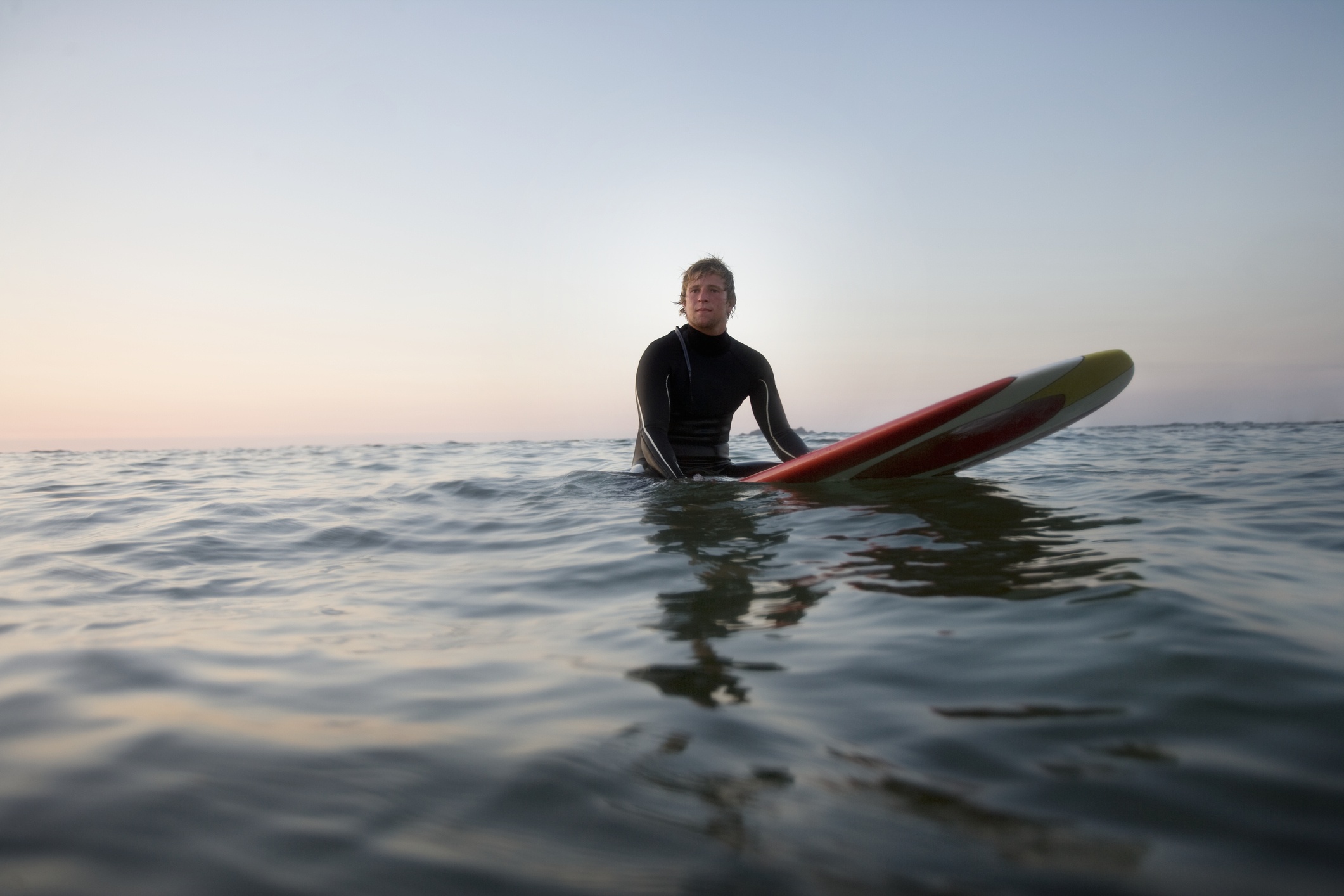
The longer you surf, the easier these things will be to track and understand, but at the start it can be useful to rely on online guides and people who know surfing conditions well.
Wind isn’t the only factor to consider when choosing the right day. Lucy advises checking both the swell and the tide as well. You want a swell that suits that particular beach and your ability level. Some beaches work better on a lower tide, and others need more water. These are factors that local, more experienced surfers will know well.
“I’d also look at the forecast over a few days rather than just checking it on the morning. You start to get a feel for what wind and swell are best for different spots,” Campbell adds.
“And honestly, local beach webcams are a game changer! Sometimes the forecast doesn't always get the wind right.”
Because surfing is a sport that depends heavily on these kind of factors, it is as much about your safety as your enjoyment. Especially in the early days of your surfing journey, take the steps to stay safe.
“Almost every beach has its dangers through different parts of the tide. Whether its channels in the sand or currents running alongside rocks,” Campbell warned.
“I’d always recommend sticking to lifeguarded beaches when you are starting out. Always surf between the flags and ask a lifeguard or local surf shop/ school if you're unsure. Knowing how to spot a rip and understanding the conditions is almost as important as learning how to stand up on your board so don't be afraid to ask for advice.”
Where to surf in the UK
The UK is full of great beaches for surfers, whether you’re in Wales, England or Scotland. However, around the country there are some beaches that stand tall about the rest.
For Lucy, there are a few personal favourites. “I'd have to say Croyde. I’m definitely biased here but it's where I grew up! It’s such a fun wave when the conditions line up with a mix of different peaks. You can find something for all levels depending on the swell and tide. I also just love the atmosphere there, catching up with friends in the water, It feels like home!”.
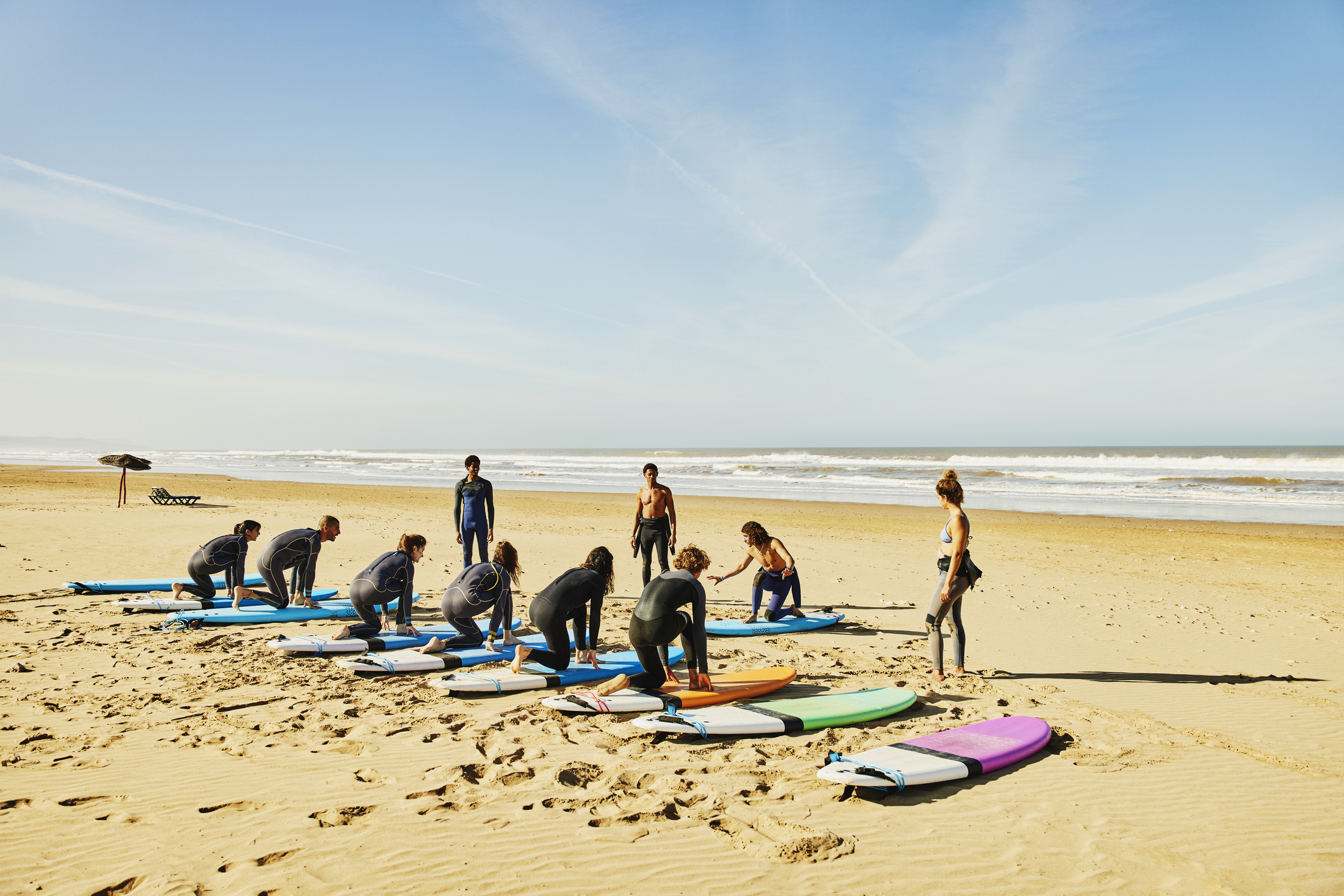
However, if you’re completely new to surfing, certain beaches will be better. These beaches not only offer more accessible waves for beginners, but also all of the nearby amenities that you might need.
In the South West, that includes Woolacome and Fistral. Both of which, Lucy explains, offer really consistent swell plus lots of nearby surf schools to take advantage of.
For Scotland, she recommends Belhaven near Dunbar, a huge sandy beach with soft waves which is very accessible from Edinburgh. As for Wales, Llangennith on the Gower was her top suggestion for the big sandy beach with lots of space.
Finally, up in the North East you’ll find Tynemouth. It has a great surf community and is a lot of fun. However, due to its location it can be a bit more chilly.
Across the whole of the UK, what are the really underrated spots? “Part of being a surfer is knowing when not to share the hidden spots, and so my lips are sealed on this one.. there’s a reason some beaches stay under the radar,” Campbell points out.
However, Lucy gave a few recommendations for spots that aren’t quite as busy. “In North Devon, places like Putsborough can be amazing when the conditions are right. It can offer a different experience to Croyde and Saunton and sometimes you can find really beautiful waves there when other spots are busy.”
