
Hear the name Botany Bay and probably the first thing you will think of is convicts sent for transportation to Australia. And indeed, between 1788 and 1868, more than 150,000 miscreants from Britain and Ireland were sent off in ships to a range of penal colonies on the southern continent. Their stories have been told numerous times in books and films, with perhaps the most famous victims of the system being early trade unionists, the Tolpuddle Martyrs.
However, it is less well known that, for more than 50 years before a single soul was shipped off to Australia, Britain was offloading its criminals to colonies in what would become the United States of America.
The practice of transporting criminals from Britain began in the early 1600s. However, it wasn’t until parliament passed the Transportation Act in 1718 that it took on industrial proportions.
The exact number of those conveyed against their will across the Atlantic is not known and estimates vary wildly from 50,000 to 120,000. However, we do know that ‘transportation’ became the favoured sentence for a huge swathe of crimes, from the pettiest theft upwards.
According to the author and researcher RJ Clarke, in the 57 years from 1718 to 1775, “over 70% of those who were found guilty at the Old Bailey were sentenced to be transported”.
Many crimes for which, previously, corporal or capital punishment would have been dealt out, now carried sentences of seven or 14 years of exile, mostly in the colonies of Maryland and Virginia, though some were sent to settlements in the West Indies.
But unlike those later bundled off to Australia, the convicts sent to America were auctioned off to local planters or merchants on arrival. Those who did not find buyers immediately were chained together and led away by so-called souldrivers to be hawked from farm to farm until they were all sold off.
Westward flow
Many of the prisoners never even made it to the New World, however. Conditions on the ships that took them west were appalling. Furthermore, there was less incentive for captains to keep their human cargo alive since they commanded lower prices than ‘ordinary’ slaves when sold at the dockside on arrival.
This was because convicts were mostly purchased for a seven-year stretch, while African slaves were sold for life. Convicts were also seen as less desirable acquisitions because of their assumed criminal propensities.
Around one in seven is thought to have perished on the seas. Clarke points out that convicts “made up a quarter of the British immigrants to colonial America in the 18th century”.
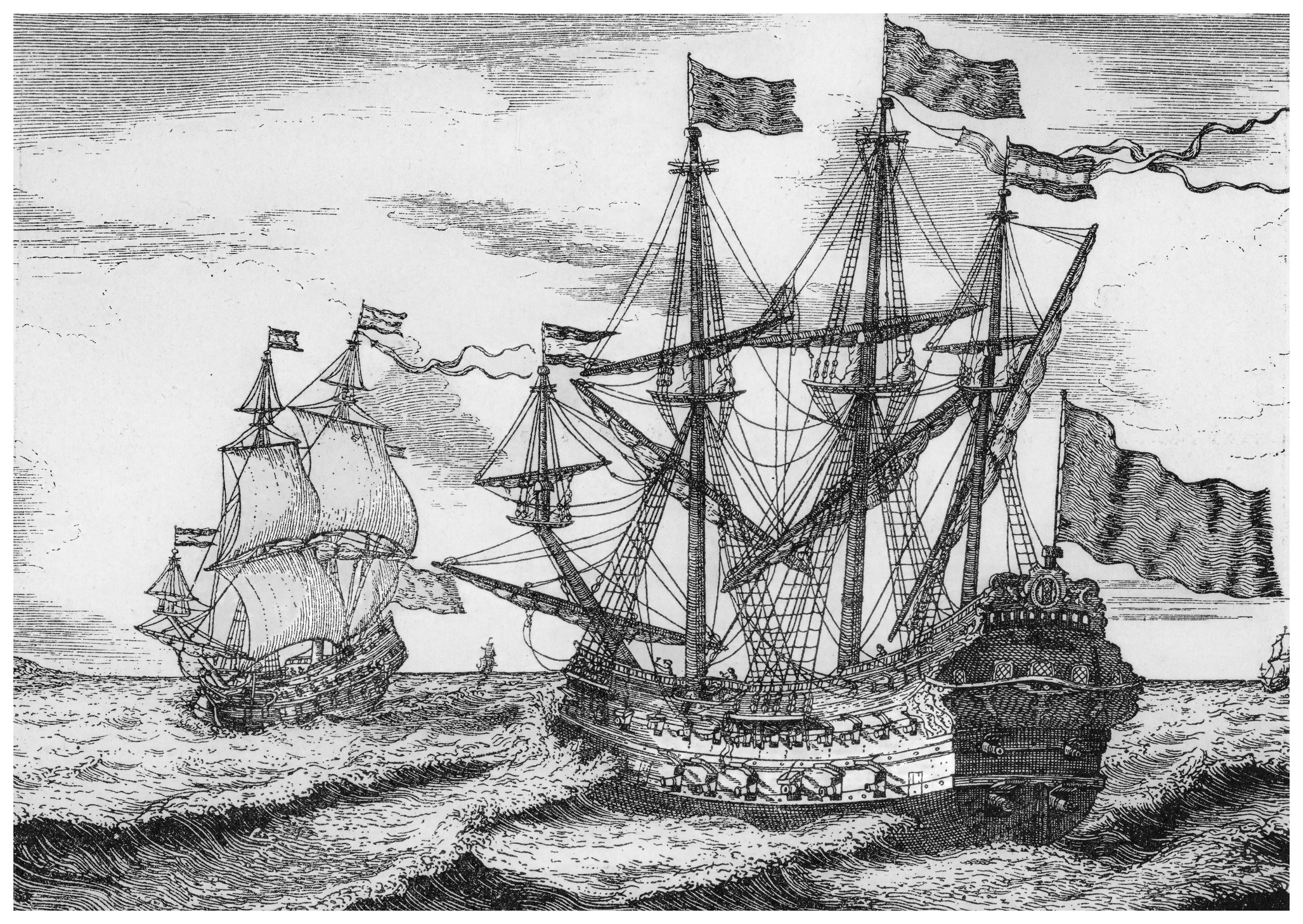
In Britain, the gentry strongly approved of this westward flow of supposed delinquents, while the public in general appeared indifferent to the convicts’ fate. “Draining the Nation of its offensive Rubbish, without taking away their Lives,” was how the unfailingly charming vicar of Wendover put it in a 1731 pamphlet.
Perhaps understandably, the arrival of this ‘Rubbish’ was met with rather more mixed emotions. Although they proved a welcome source of cheap labour to plantation owners, less affluent colonists feared being over-run by criminals.
A few of those sentenced to transportation reportedly managed to escape before they were put on board their ship. Others are reputed to have slipped away from their plantations or farms to live by their wits in society or embark on a return voyage.
However, showing your face in Britain before you had served your time was a perilous pursuit – if caught, you were at risk of execution. It was the outbreak of the American War of Independence in 1775 that brought the whole operation to an end.
From then on, those sentenced to transportation were instead held in gaols or in derelict vessels known as hulks. It didn’t take long before there were more inmates than places to put them.
Parliament duly came up with a tried and tested solution: transportation. But this time, purpose-built penal colonies would be established in Britain’s Australian holdings. The first fleet of convicts bound for southern climes put to sea in the spring of 1787, and a fresh chapter in the unsavoury history of transportation began to be written.
It would continue until the very last convict ship, Hougoumont, arrived in Western Australia on 10 January 1868, exactly 150 years after the passing of the Transportation Act that sent tens of thousands of mostly poor young men to the Americas.
