Castles, forts, Martello towers and gun emplacements line the Thames and Medway estuaries, built to prevent enemy ships from entering these key shipping corridors in Kent, which led to London.
Grain Tower was constructed in the mid-19th century when tensions with France were again rising. Built 500m from land, linked by only a narrow causeway, it would not have been easy to construct. With walls nearly 4m thick walls, it took two years to complete at a cost of £14,000 (equivalent to over £2m today).
It was originally armed with several smooth-bore cannons. Those guns were never fired, but the battery’s strategic location on the estuaries’ confluence saw it recommissioned during the First World War and again in the Second World War, when it acquired the rather stark concrete additions that still stand today.
- These newly listed First World War pillboxes in Norfolk are Brutalist marvels of British resilience – and they’re hidden in plain sight
- Why were so many stately homes demolished? How the First World War triggered the fall of the magnificent country house
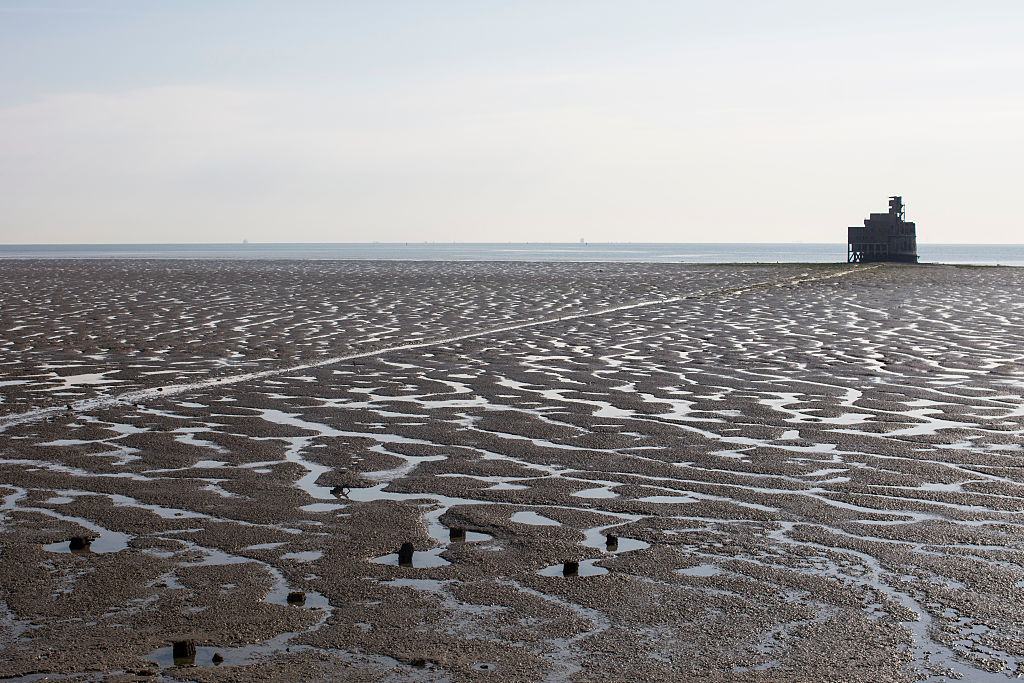
The tower looms off the eastern shore of the Isle of Grain, north-east of Rochester. To admire it, stroll south along the shore from Grain Beach Car Park for three-quarters of a mile to reach the causeway.
Is the Grain Tower Battery open for visitors?
Although many urban explorers have illegally visited the tower, it is privately owned. Crossing the causeway to enter the building itself is trespassing and the causeway is tidal, so the unwary may get stranded. In any case, the best views are from the causeway; be sure to check the tide times before visiting.